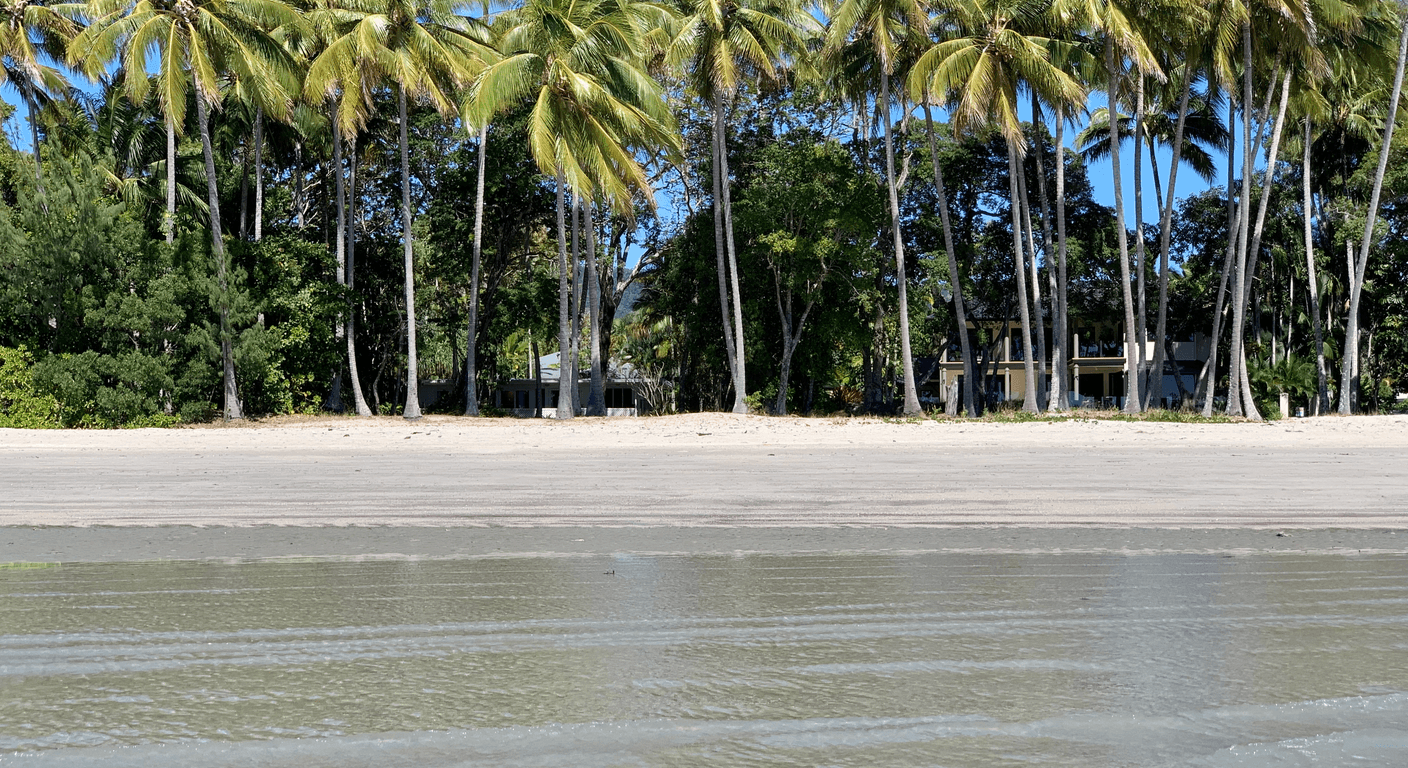
Golden-hour fishing anchors this caravan route through Echuca, Swan Hill, Mildura, Renmark, Lake Eucumbene, Myall Lakes and Noosa, timed to the hour around dusk when fish feed and the light turns gold. Driving days are kept to 250–300km, suiting an unhurried multi-week trip. Mobility is easy, with flat, often sealed paths connecting caravan parks to nearby jetties, making it a comfortable, accessible way for grey nomads to combine relaxed travel with genuine fishing opportunities.
Why Build a Caravan Route Around Golden-Hour Fishing?
The premise is simple: fish are most active in low light. The hour before and after sunset — and to a lesser extent sunrise — is when surface feeding picks up, temperatures drop to something comfortable, and the world gets a little more peaceful. For a traveller in their sixties with a caravan and no fixed itinerary, that built-in rhythm is a gift. Fish at dusk, sleep, drive a modest distance the next day, repeat.
This isn't about chasing trophy catches or waking before dawn in the cold. It's about finding spots where the jetty is a three-minute walk from your van, there's a bench to sit on, a rail to lean against, and the light on the water is worth the trip all by itself. The fishing is a bonus — or rather, it's the frame for something more like contemplation.
The YouTube channel TripInAVan (youtube.com/watch?v=gbU5h188Trw) captures exactly this kind of travel: a solo grey nomad finding joy in the unhurried moments between destinations. It's worth an hour of your time before you plan your own route.
Pacing the Drive: How Far Between Stops?
The first rule of grey nomad travel — and it bears repeating — is that 300 km is a full day. Not a half-day. Factor in a fuel stop, a decent lunch somewhere with a table rather than a servo bench, and the time it takes to unhitch, level the van, and connect power at the other end. Two hundred and fifty kilometres is more comfortable still, and leaves the afternoon free to find the jetty before the light goes.
For a fishing-focused route out of Victoria, a sensible first leg might be Echuca (220 km from Melbourne via the Hume and then the Northern Highway). From Echuca, Mildura is another 400 km — two days if you stop overnight at Swan Hill, which sits almost exactly halfway and has its own riverfront park. From Mildura, crossing into South Australia to reach Renmark is around 160 km: a gentle morning's drive.
If you're heading east instead, Bairnsdale to Lakes Entrance is barely 50 km — a shakedown run — and then the coast road north to Batemans Bay, and up to the Myall Lakes area, can be done in three or four comfortable days. The point is to plan the route around the fishing windows, not the other way around.
The Murray River Towns: Echuca, Swan Hill, Mildura, Renmark
The Murray is the backbone of Australian inland fishing, and the towns along it have been catering to caravan travellers for decades. Echuca's riverfront is genuinely accessible — the Historic Port precinct has sealed paths, and several caravan parks sit within walking distance of the river. Echuca Caravan Park and the BIG4 Echuca Holiday Park are both close to the water; confirm current availability and powered site prices directly, as rates shift seasonally.
Mildura is larger and more self-sufficient — handy for restocking tackle, finding a bait shop, or replacing that rod tip you snapped on the way out of the last town. The Murray at Mildura moves slowly and the banks are generally flat, with several accessible fishing spots near the weir and along the foreshore. The local visitor centre (visitmildura.com.au) can point you to current fishing platform locations.
Renmark, across the South Australian border, is quieter and arguably more atmospheric for the kind of fishing trip being described here. The river bends broadly around the town, there are shaded benches along the foreshore, and the caravan parks are genuinely close to the water. Golden perch and Murray cod are the headline species, though catches are never guaranteed and stocks fluctuate. The South Australian fishing licence requirement applies the moment you cross the border — check directly with the South Australian Department of Primary Industries and Regions (pir.sa.gov.au) before you fish.
Lake Eucumbene: High Country Stillwater Fishing
Lake Eucumbene in the Snowy Mountains is a different proposition entirely — a vast, high-altitude impoundment that holds some of the best trout fishing in Australia. It's not Murray flatlands country; the roads into the Snowy Mountains have some gradient, and the altitude (around 1,100 metres) means temperatures drop sharply after dark. A quality sleeping bag and a willingness to layer up are non-negotiable.
The towns of Adaminaby and Berridale both have caravan parks and accommodation that service the lake. Old Adaminaby, now partially submerged, has a certain eerie history — the town steeple occasionally surfaces in drought years, which is one of those genuinely surprising details that makes a place memorable. Buckenderra Holiday Village on the lake's edge is a popular base with boat ramp access; confirm current site availability and rates directly at buckenderra.com.au.
A New South Wales recreational fishing licence is required to fish in Eucumbene — confirm current requirements and fees with the NSW Department of Primary Industries (dpi.nsw.gov.au/fishing). Trout season and bag limits apply and change; never assume last year's rules still hold. Evening fishing from a bank or the end of a boat ramp can be done comfortably from a folding chair, which is worth packing.
Myall Lakes and the NSW Mid-North Coast: Flatwater Estuary Fishing
Myall Lakes National Park, roughly midway between Newcastle and Port Macquarie, is one of the more rewarding destinations for travellers who want accessible, low-effort fishing in a genuinely beautiful setting. The lakes are connected to the sea but sheltered, which means tidal movement without ocean swell. Bream, flathead and luderick are the common species around the jetties and lake edges.
Bulahdelah is the gateway town and has fuel, a small supermarket, and a hardware store that stocks basic fishing supplies. Hawks Nest and Tea Gardens, at the southern end of the lakes, have caravan parks within easy distance of the waterfront — the foreshore at Tea Gardens is flat and accessible, with jetty seating. Confirm current caravan park availability through local parks directly or via booking platforms; indicative powered sites in this area run roughly $45–$65 a night, though prices vary by season and should be confirmed.
The NSW fishing licence requirement applies here too — check dpi.nsw.gov.au/fishing for current details. The Myall Lakes area is part of a national park, so some camping areas are managed by NSW National Parks and Wildlife Service (nationalparks.nsw.gov.au) and require separate bookings. The light on Myall Lakes at dusk is the kind of thing that's difficult to describe without reaching for words this guide has deliberately set aside.
Noosa River: Accessible, Warm, and Well-Serviced
The Noosa River is a Queensland classic for good reason. The lower reaches — from Noosaville upstream toward Lake Cootharaba — offer calm, navigable water, flat banks, and the kind of infrastructure that makes access straightforward for travellers who don't want to scramble down a muddy embankment. Jetties along the Noosaville foreshore have seating and are well-maintained. The walking path along the river is sealed and flat.
Noosa is more expensive than the Murray towns — that's the honest reality. Caravan parks in the Noosa hinterland or the Noosa North Shore are more affordable than anything central; indicative powered site rates in the broader Noosa area run roughly $50–$80 a night and higher in peak season, so confirm directly and book well ahead for school holidays. The North Shore, accessible by ferry from Noosa Heads, has a more remote character and a caravan park with direct lake and river access.
A Queensland recreational fishing licence is required — check with the Queensland Department of Agriculture and Fisheries (daf.qld.gov.au) for current requirements. Bait and tackle shops in Noosaville are well-stocked and staff are generally happy to advise on what's running and when. Flathead, bream, and whiting are reliable in the estuary; golden perch appear further upstream in Lake Cootharaba.
Practical Details: Access, Licences, Gear, and Honest Expectations
Accessibility varies more than tourism marketing suggests. Before committing to a stop, it's worth calling the caravan park directly and asking specific questions: how far is the closest fishing spot from the powered sites, is the path sealed or gravel, is there seating at the jetty, and are there toilets nearby? A five-minute walk on flat ground is very different from a five-minute walk across uneven grass in the dark. Most parks are genuinely helpful when asked directly.
Fishing licences are a firm requirement in most Australian states and territories, and the rules differ across borders. Victoria, NSW, Queensland, and South Australia all have their own licence systems, fees, and exemptions (some states exempt anglers over a certain age — check directly, don't assume). The relevant authorities are: Vic Fisheries (vfa.vic.gov.au), NSW DPI (dpi.nsw.gov.au/fishing), Qld DAF (daf.qld.gov.au), and SA PIRSA (pir.sa.gov.au). Buying a licence online before you arrive is straightforward and takes ten minutes.
Tackle hire is available in most of the towns listed — Echuca, Mildura, and Noosaville all have shops that can set you up with a basic rod-and-reel combination and local bait advice. If you're travelling light or your gear has seen better days, it's worth asking at the park reception too; some parks keep a small supply of basic tackle for guests. And a final honest note: fish don't read guides. Catches vary with season, water temperature, recent rainfall, and plain luck. The golden hour on a quiet river is worth the trip regardless of whether anything bites.
Quick planning guide
| Ideal pace | Slow-paced, 250–300 km driving days with time to fish each evening |
|---|---|
| Best months | Year-round depending on region — cooler months suit Lake Eucumbene trout, warmer months suit Noosa and Myall Lakes |
| Suggested stay | One to two nights per stop, longer in larger hubs like Mildura or Noosa |
| Mobility level | Easy — flat, often sealed paths linking caravan parks to jetties |
| Cost level | Budget-friendly on the Murray, mid-range to premium around Noosa (roughly $40–$80 a night for powered sites) |
| Comfort level | Comfortable, with established caravan parks, nearby amenities and jetty seating |
| Best for | Grey nomads wanting relaxed, low-effort fishing tied to a caravan touring rhythm |
| Main planning consideration | Confirm state fishing licence rules and current park rates before crossing each border |
Key takeaways
- Limit driving days to 250–300 km to arrive with time and energy to fish the evening light.
- Murray River towns — Echuca, Swan Hill, Mildura, Renmark — offer flat, accessible riverbanks and caravan parks close to the water.
- Fishing licence rules differ by state and should be confirmed with each state's fisheries authority before you cross a border.
- Powered caravan sites near good fishing spots run roughly $40–$70 a night across most inland and coastal regions, though prices vary by season — always confirm directly.
- Lake Eucumbene suits trout fishing in cooler months; Noosa River and Myall Lakes are warmer-weather options with well-maintained foreshore access.
- The best fishing windows — the hour around dusk and dawn — align naturally with a grey nomad's unhurried daily rhythm.
Recommended partners and links
Indicative prices only — always confirm with the operator before booking.
Frequently asked questions
Do I need a fishing licence to fish from a jetty in Australia?
In most Australian states, yes — a recreational fishing licence is required regardless of whether you're fishing from a jetty, a boat, or a bank. Rules and fees differ by state, and some states offer exemptions for older anglers. Check directly with the relevant authority: Vic Fisheries (vfa.vic.gov.au), NSW DPI (dpi.nsw.gov.au/fishing), Qld DAF (daf.qld.gov.au), or SA PIRSA (pir.sa.gov.au) before you fish.
Which Australian caravan parks are closest to fishing jetties for grey nomads?
Parks in Echuca, Swan Hill, Mildura, and Renmark along the Murray River, Buckenderra Holiday Village on Lake Eucumbene, parks near Tea Gardens and Hawks Nest at Myall Lakes, and the Noosa North Shore caravan park in Queensland all sit within easy distance of accessible jetties or flat fishing banks. Call ahead to confirm the exact distance and path conditions from powered sites to the water.
What is the best time of day for comfortable fishing as an older traveller?
The hour before and after sunset — golden hour — is when fish are most active and temperatures are most comfortable for extended time outdoors. It also means you don't need to be up before dawn. A folding chair and a headlamp for the walk back are the two most useful pieces of kit for this style of fishing.
How much do caravan park sites cost near good fishing spots in Australia?
Powered caravan sites in inland river towns typically run roughly $40–$60 a night; coastal locations like Noosa tend to be higher, around $50–$80 or more in peak season. These are indicative figures only — prices vary by season, park, and availability. Always confirm current rates directly with the park before booking.
Can I hire fishing tackle in these towns, or do I need to bring my own?
Most of the towns mentioned — including Echuca, Mildura, Noosaville, and Berridale near Lake Eucumbene — have bait and tackle shops where basic gear can be hired or purchased. It's worth calling ahead or asking at the caravan park on arrival; some parks keep a small supply of basic fishing equipment for guests.
- TripInAVan — Grey Nomad Fishing & Caravanning (YouTube)
- Victorian Fisheries Authority — Recreational Fishing Licences
- NSW Department of Primary Industries — Recreational Fishing
- Queensland Department of Agriculture and Fisheries — Recreational Fishing
- SA Department of Primary Industries and Regions — Recreational Fishing
- Visit Mildura — Official Visitor Information
- Buckenderra Holiday Village — Lake Eucumbene
- NSW National Parks and Wildlife Service — Myall Lakes National Park
- Discovery Holiday Parks — Murray River & Regional
- BIG4 Holiday Parks — National Network