Griffith's Hermit's Cave, hand-built into Scenic Hill above town by Calabrian migrant Valerio Ricetti between 1929 and 1952, is free and unstaffed. April to October suits it best, avoiding Griffith's fierce summer heat. A half-day covers it — around two to three hours including the nearby lookout. Reached via a roughly five-hour drive from Sydney or Melbourne, it's rated Moderate: uneven sandstone, hand-cut steps and no handrails call for sturdy shoes and steady footing.
Who Was Valerio Ricetti, and Why Did He Build This?
Valerio Ricetti arrived in Australia from Calabria in southern Italy in the 1920s, one of thousands of Italian migrants who came to work the Riverina's irrigation schemes. What set him apart was what he did with his solitude. After a period working in Griffith, Ricetti retreated to the rocky outcrop of Scenic Hill and, largely alone, began reshaping the landscape by hand.
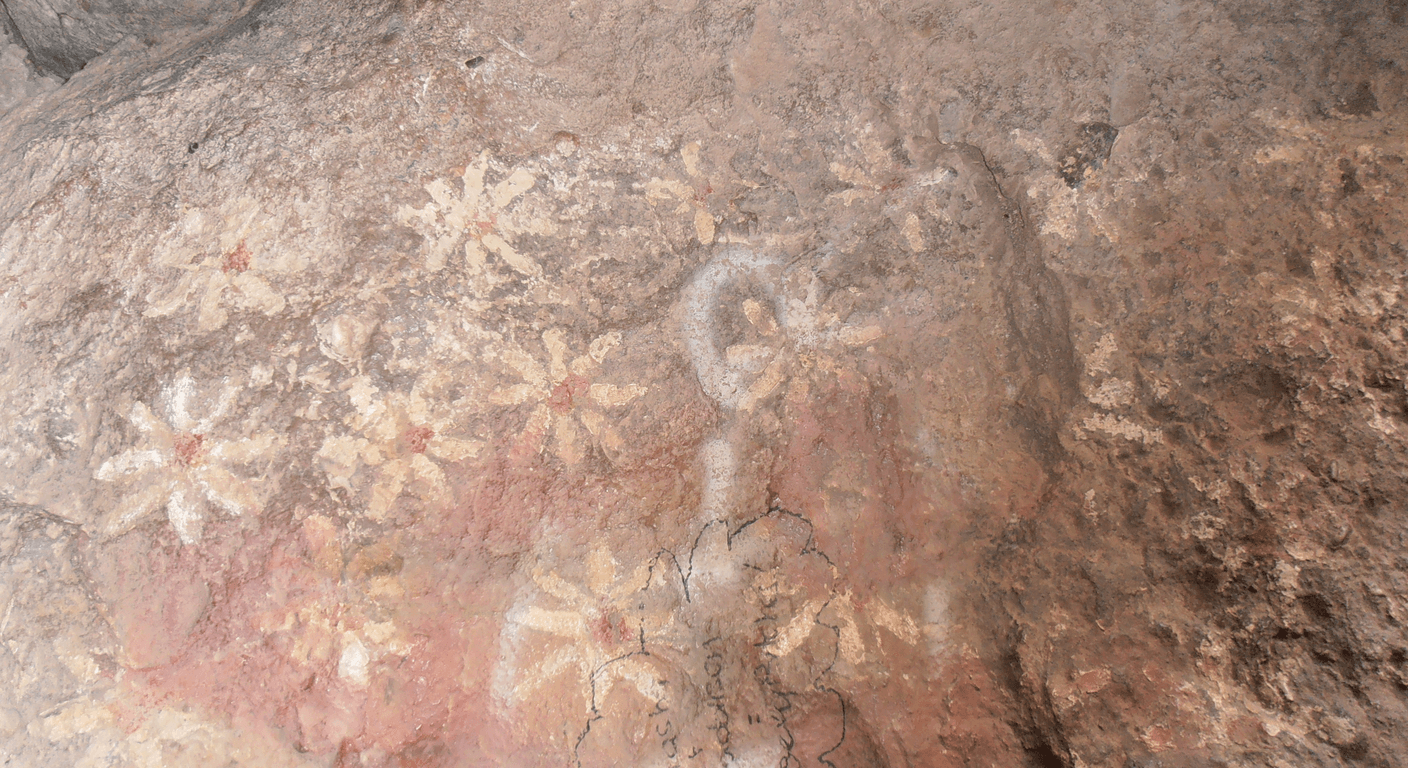
Between 1929 and 1952, he built terraced garden beds from sandstone, constructed arched stone shelters, painted chamber walls with murals, and embedded decorative details — shells, glass, mosaic fragments — into the rock. He grew vegetables and flowers in his terraces. He lived there. The locals called him the hermit, and the name stuck long after he left.
His motivations remain somewhat opaque, which is part of the site's enduring pull. Some accounts suggest heartbreak, others a deliberate withdrawal from a world that hadn't been particularly kind to Italian immigrants in that era. What he left behind is a work of sustained, personal vision — not folk art in the dismissive sense, but something genuinely considered. For travellers with Italian heritage or any connection to the migrant experience, the site carries an emotional weight that a brochure can't quite prepare you for.
Getting to Scenic Hill: Drive, Don't Climb
Griffith sits roughly five hours' drive southwest of Sydney and around the same distance from Melbourne via the Hume and Sturt highways — a long but manageable drive that many grey nomads fold into a Riverina loop. The Newell Highway connects it north to Dubbo and south toward Albury. Regional coaches, including Greyhound services, reach Griffith; confirm current schedules before travelling.
Scenic Hill is on the eastern edge of town, clearly signposted. The practical advice for anyone in a friends group: drive to the car park at the base of the hill's upper section rather than attempting the steep footpath from the town streets below. The walk from the upper car park to the cave site is shorter and more manageable, though it still involves uneven ground. Sturdy, closed-toe shoes are non-negotiable.
There's no entry gate, no ticket booth and no ranger on site. The area is open daily during daylight hours. That openness is part of its character — you arrive, read the interpretive panels at your own pace, and leave whenever you're ready. It's the kind of place that rewards a relaxed Tuesday morning rather than a rushed weekend afternoon.
What to Expect on the Path: Honest Mobility Notes
The terrain is the site's main consideration for older travellers. The path winds through natural sandstone, with sections of uneven rock, hand-cut stone steps of varying heights, and some narrow passages between boulders. There are no handrails on most of the route. For anyone with balance concerns, recent knee or hip surgery, or a walking frame, this is genuinely not suitable — and that's worth knowing before you make the drive.
For walkers who are steady on their feet and comfortable on irregular surfaces, it's very doable at a slow pace. Allow more time than you think you need. The signposted circuit from the upper car park takes perhaps 45 minutes if you're moving steadily, but the better approach is to stop often — at the painted chambers, at the terraced garden remnants, at the arched stone shelters — and read the panels. The detail in Ricetti's construction is easy to miss if you're focused on footing.
Shade is limited on exposed sections of the path, which is another reason April to October visits make sense. Bring water even for a short walk, and a hat. The site has no facilities — no toilets, no seating except natural rock ledges, no café. Factor that into your timing, particularly if anyone in your group has specific needs.
The Scenic Hill Lookout: The View That Frames It All
A short distance from the cave site, the Scenic Hill lookout offers one of the most arresting views in the Riverina. Below you, Griffith's grid of streets gives way to the irrigation channels and the ordered geometry of vineyards, citrus orchards and rice paddies stretching toward the horizon. It's a landscape that doesn't exist without human intervention — the Murrumbidgee Irrigation Area transformed this country from semi-arid scrub into one of Australia's most productive agricultural regions.
Standing there, the connection to Ricetti's story sharpens. He built his stone world during the same decades that the irrigation scheme was reshaping the land below. Both were acts of extraordinary labour. The lookout has a low stone wall to lean against, and on a clear autumn morning, the light across the plains is something you'll want to sit with for a while.
The combination of the cave site and the lookout makes for a natural half-day. Most groups find it takes around two to three hours in total, including the drive up, a slow walk through the cave terraces, and time at the lookout. From there, the logical next move is lunch in Griffith proper.
Pairing Hermit's Cave with Griffith's Italian-Australian Food Culture
Griffith has one of the highest concentrations of Italian-Australian families in the country, and the food culture reflects it honestly. The town centre has bakeries producing proper wood-fired bread, Italian pastry shops, and cafés where the coffee is taken seriously. For a friends group, a long lunch somewhere on Banna Avenue — Griffith's main street — is the natural companion to a morning at Scenic Hill.
The Riverina wine region surrounds the city, and Griffith is particularly known for its Italian varieties: Sangiovese, Barbera, Nero d'Avola grown in Australian conditions. Several cellar doors operate within a short drive of town. De Bortoli and McWilliam's are among the larger, well-established names with tasting rooms; smaller producers are worth seeking out through the local visitor centre.
For travellers with Italian heritage — and among Latin Australian communities in regional Victoria, that's a significant proportion — Griffith carries a particular resonance. The surnames on the wineries, the dialects still spoken by older residents, the Catholic church architecture: it's a place where the migrant story didn't get erased. Ricetti's cave is one end of that story; a glass of local Sangiovese in the afternoon sun is another.
Planning Your Visit: Practical Considerations
Griffith is a regional city with solid visitor infrastructure — comfortable motels, a few boutique options, and good supermarkets if you're travelling in a caravan or motorhome. For a day trip from within the Riverina (Wagga Wagga is around 150 kilometres east, Hay is 170 kilometres west), Scenic Hill fits neatly into a morning without requiring an overnight stay. From further afield, an overnight in Griffith is sensible and lets you add a winery or two.
The Griffith Visitor Information Centre on Jondaryan Avenue is worth a stop before heading to Scenic Hill — staff can confirm the current condition of the path, provide printed maps, and suggest any current events or seasonal highlights. Road conditions on some regional routes can change after rain; check Live Traffic NSW before driving in winter or after heavy weather.
Travel insurance is standard advice for any trip, and for travellers managing pre-existing health conditions, ensuring your policy covers unexpected medical needs in a regional setting is worth confirming. Griffith has a hospital and medical services, but it's not a major city. That's not a reason to avoid it — just a reason to be organised before you leave home.
Why Hermit's Cave Stays With You
There's a particular kind of travel experience that doesn't announce itself loudly. Ricetti's cave is like that. You read about it, think it sounds mildly interesting, and then you're standing in front of a hand-painted chamber in the sandstone, surrounded by terraces he built one stone at a time over twenty-three years, and something shifts.
For a group of friends visiting together — especially those with any thread of migrant family history — the conversations it generates tend to outlast the visit itself. What drives a person to build something no one asked for, in a place no one comes, for reasons no one fully knows? There's no tidy answer, which is exactly why the question is worth asking.
It's free. It's quiet. It's unlike anything else on a map of Australian day trips. And it pairs beautifully with good wine and a long lunch, which is perhaps the most fitting tribute to the Italian-Australian tradition Ricetti, in his solitary way, was always part of.
Quick planning guide
| Ideal pace | Slow, with frequent stops at the terraces and painted chambers |
|---|---|
| Best months | April to October, avoiding summer heat above 40°C |
| Suggested stay | Half-day (around two to three hours with the lookout) |
| Mobility level | Moderate — uneven rock, natural stone steps, no handrails |
| Cost level | Free |
| Comfort level | Basic — no toilets, seating or café; limited shade |
| Best for | Steady-footed travellers, friends groups, those with Italian heritage |
| Main planning consideration | Drive to the upper car park rather than walking from town, and wear sturdy closed-toe shoes |
Key takeaways
- Valerio Ricetti hand-built terraced stone gardens, shelters and painted chambers into Scenic Hill above Griffith between 1929 and 1952 — and entry is free.
- The site is rated Moderate: uneven rock, natural stone steps and no handrails make sturdy footwear and sure footing essential.
- Drive to the upper Scenic Hill car park rather than walking from town — it's shorter and far more manageable for most older travellers.
- April to October is the practical visiting window; Griffith summers regularly exceed 40°C.
- Combine the cave with the Scenic Hill lookout over the Murrumbidgee Irrigation Area for a complete half-day excursion.
- Griffith's Italian-Australian food culture — wood-fired bakeries, cellar doors, Riverina Italian varieties — makes the afternoon an easy extension of the morning's theme.
Recommended partners and links
Indicative prices only — always confirm with the operator before booking.
Frequently asked questions
Is Hermit's Cave in Griffith free to visit?
Yes. Hermit's Cave on Scenic Hill in Griffith, NSW, is free to enter and open to the public during daylight hours. There is no ticket, no booking required and no on-site ranger.
How difficult is the walk to Hermit's Cave for older or less mobile visitors?
The walk is rated Moderate. The path involves uneven sandstone, natural stone steps of varying heights and some narrow sections between boulders. There are no handrails on most of the route. It is not suitable for walkers with balance concerns, those using a walking frame, or anyone who has recently had knee or hip surgery. Sturdy, closed-toe shoes are essential for everyone.
How long does a visit to Hermit's Cave and Scenic Hill lookout take?
Most visitors allow two to three hours in total, including the drive up, a slow self-guided walk through the cave terraces and time at the Scenic Hill lookout. Moving at a relaxed pace with stops to read the interpretive panels is the recommended approach.
What is the best time of year to visit Griffith's Hermit's Cave?
April to October is the most comfortable window. Griffith is in the NSW Riverina and summers regularly exceed 40°C, making the cave site's limited shade a real consideration. Autumn and spring offer mild temperatures and good light for the lookout views.
How do you get to Griffith from Melbourne or Sydney?
Griffith is roughly a five-hour drive from both Melbourne (via the Hume and Sturt highways) and Sydney (via the Olympic Highway or Hume). Regional coach services including Greyhound reach Griffith; confirm current routes and schedules before travelling. There is no direct train service to Griffith — check NSW TrainLink and coach connections for the most current options.