The Gulflander, a heritage railmotor linking Normanton and Croydon since 1891, runs roughly weekly in the dry season (May–September), with June–August the peak. The four-hour journey crosses remote Gulf Savannah grassland, its defining highlight being genuine outback isolation. Mobility is easy—seated travel and flat walks—but access is the real challenge: no train reaches Normanton, so visitors fly via Cairns or drive the Gulf Developmental Road, allowing at least two days.
What exactly is the Gulflander, and why does it matter?
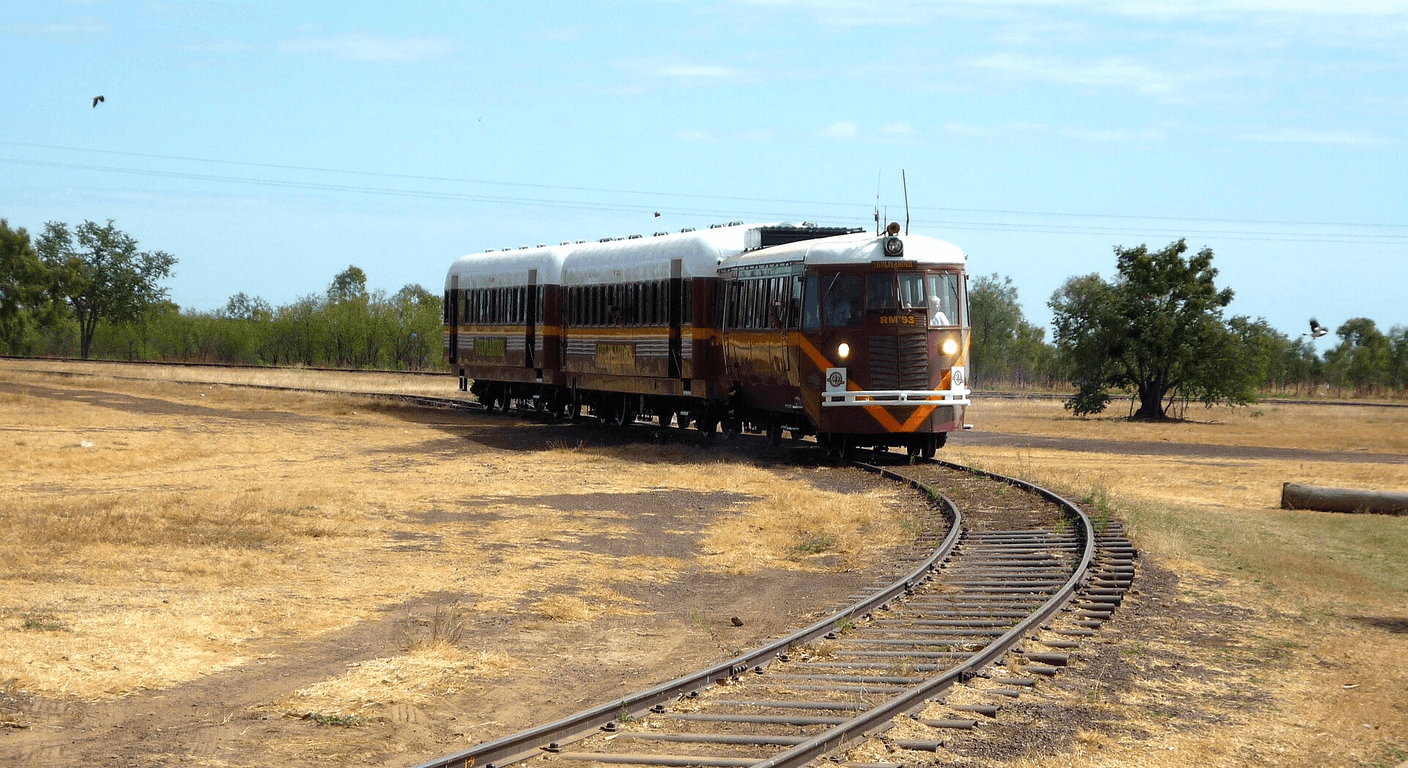
The Gulflander is not a tourist train in the polished, heritage-railway-with-a-gift-shop sense. It is Queensland Rail's working railmotor — a small, boxy diesel-era carriage on a narrow-gauge line that has connected Normanton and Croydon since 1891. The line was built to service the Croydon goldfields. The gold ran out. The towns stayed. The train kept going. That stubborn continuity is precisely what makes it worth the effort.
The journey covers 151 kilometres of Gulf Savannah: flat, grassy, occasionally flooded in the wet, and home to brolgas, brahman cattle and more termite mounds than you'll want to count. There are no tunnels, no dramatic gorges, no café car. What there is, though, is genuine remoteness — the kind that's increasingly hard to find — and a driver-narrator who tends to know every waterhole, every property owner and every piece of local lore along the route. Bring water, a hat and a sense of humour.
The trip takes roughly four hours each way. The Gulflander typically departs Normanton on Wednesday mornings during the dry season, arrives in Croydon around midday, and returns the same day — though some travellers arrange to stay overnight in Croydon and return on a separate service. Timetables shift. Confirm with Queensland Rail before building your entire itinerary around a Wednesday departure.
Getting to Normanton: the honest picture
This is where the planning really starts. Normanton sits at the base of the Gulf of Carpentaria, roughly 700 kilometres south of Cairns by road. There is no train from Cairns. There is a small regional airport with flights from Cairns operated by regional carriers — flight times are short (around an hour), but services are infrequent and seats fill quickly. Check current operators via Queensland's regional aviation networks and confirm schedules well before committing.
Driving is the other option, and for grey nomads in self-contained campervans it's a legitimate choice — the Gulf Developmental Road from Cairns via Mareeba and Mount Garnet is sealed for most of its length, though stretches can deteriorate after rain even early in the dry season. Allow two days at a comfortable pace, with a night in Mount Garnet or Undara. Do not attempt this drive in the wet season. The road can close, the heat is brutal and the distances between fuel stops are serious.
For a group of friends flying from Melbourne or regional Victoria, the practical sequence is: fly to Cairns (direct flights operate from Melbourne, roughly three hours), spend a recovery night in Cairns, then fly or drive to Normanton. Cairns is a sensible base for a day or two before and after — comfortable accommodation, good medical facilities, easy to organise. It also softens the transition from temperate Victoria to tropical humidity.
Normanton: what to do before you board
Normanton is a small Gulf town of around 1,500 people — predominantly Aboriginal and Torres Strait Islander community, cattle industry workers and a trickle of adventurous travellers. It is not set up for high-volume tourism, and that is part of its appeal. The Purple Pub — officially the Purple Hotel — is as local an institution as you'll find in outback Queensland. Cold beer, basic meals, a veranda and a crowd that has usually driven a very long way. It earns its reputation simply by existing where it does.
The Krys the Savannah King crocodile statue on the main street marks the spot where, in 1957, a 8.63-metre saltwater crocodile was shot nearby — still recognised as one of the largest recorded. It's a satisfying piece of Queensland bravado. The Normanton Heritage Walk connects a handful of historic buildings including the Burns Philp store and the old railway precinct; it's flat, well-shaded in parts and manageable at any pace. Pick up the walking map from the visitor information point.
Accommodation is limited. There are a couple of motels and a caravan park. Book ahead — particularly in the peak dry season months of June and July when grey nomads converge. Standards are practical rather than luxurious, which is entirely appropriate for where you are. If a comfortable bed and a working air conditioner are your baseline, both can be found; a day spa cannot.
The journey itself: what to expect on board
Board at Normanton station — the original 1891 timber station building is still standing — and settle in for a departure that happens on Gulf Savannah time. The railmotor is air-conditioned, which matters considerably in this climate. Seating is basic but comfortable enough for four hours, and the windows are large. The commentary from the driver is informal and personal rather than scripted; this is a feature, not a flaw.
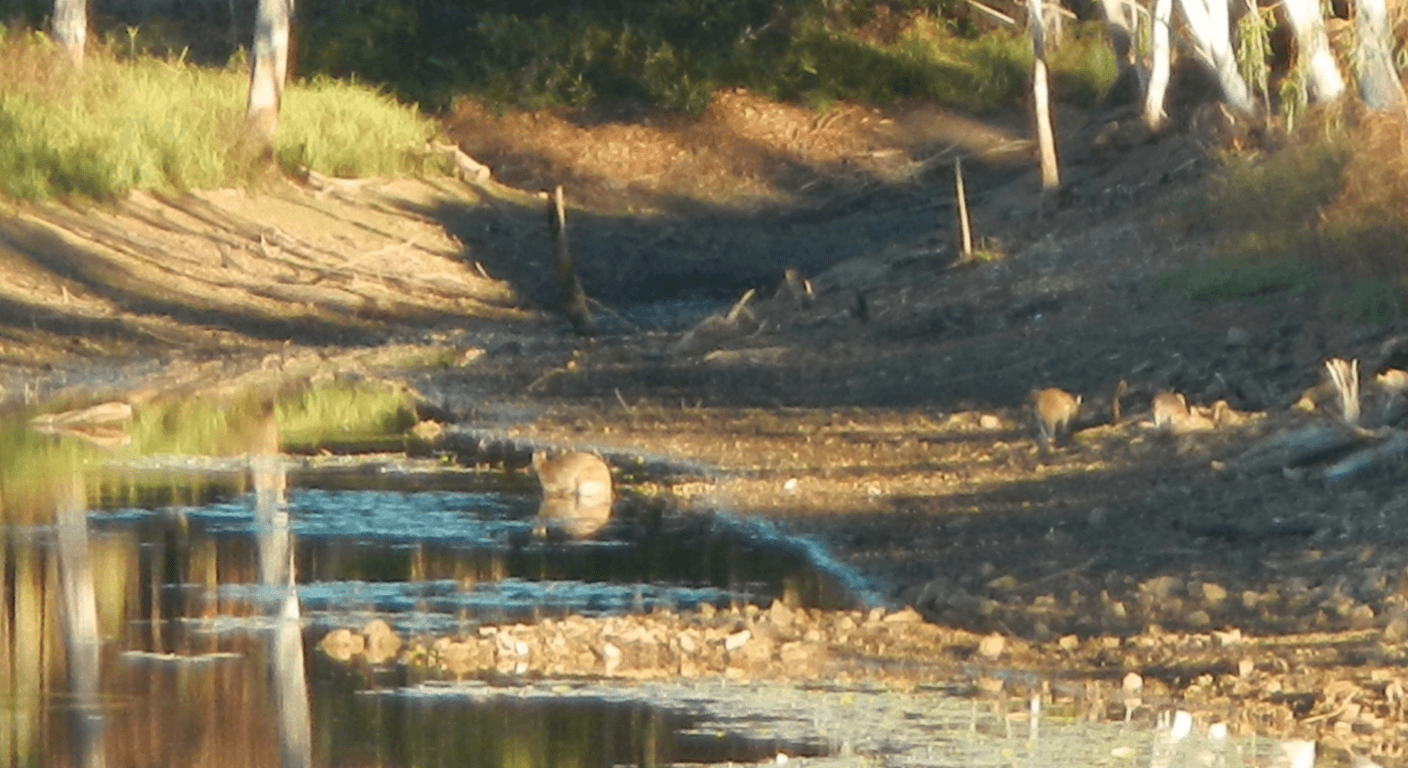
The landscape outside is vast and largely treeless — Mitchell grass plains, occasional eucalypt stands, dry creek crossings and, in a good year, lingering waterholes that attract birds in remarkable numbers. Brolgas are common. So are wedge-tailed eagles. The train moves slowly enough that wildlife watching is genuinely rewarding. A small pair of binoculars is worth the bag space.
There are a couple of stops along the route — Blackbull Siding being the most notable — where the driver may pause for a stretch or a story. The overall pace is unhurried in a way that feels intentional rather than inefficient. For a group of women travelling together, the shared experience of the journey tends to generate its own conversation. There's something about slow travel that makes people talk properly.
Croydon: a gold-rush town that time quietly kept
Croydon was Queensland's richest goldfield in the 1880s and 1890s, producing around one million ounces of gold before the deposits thinned. At its peak it had 7,000 residents, dozens of hotels and a raucous reputation. Today the population is under 200. What remains is a landscape of historical curiosity: restored buildings, open-air mine sites, a museum with genuine artefacts and the particular melancholy of a place that was once enormously consequential.
The Croydon Museum and surrounding heritage precinct covers the gold-rush era in solid detail. The Lake Belmore area on the edge of town is worth an hour in the late afternoon — waterbirds, shade and a quietness that the main street can't quite match. The town has a pub and a small store. Don't expect much more. If you're staying overnight, the caravan park is functional; confirm current accommodation options before you go, as services in very small Queensland outback towns can change.
The return Gulflander journey back to Normanton carries a different quality — familiar landscape, afternoon light, a sense of having genuinely been somewhere. For a group of friends, it tends to be the quieter, more reflective part of the day. That's not a criticism.
Practical matters: booking, timing and travel insurance
Book the Gulflander directly through Queensland Rail as early as possible. Seat numbers are small — this is not the Indian Pacific — and group bookings from tour operators can clear availability quickly during the June–August peak. Fares are indicative at around $60–$80 per person one way; confirm current pricing with Queensland Rail before committing. The timetable is seasonal and can change, so treat any date you read online as a starting point for your own confirmation, not a guarantee.
Travel insurance is non-negotiable for remote Queensland travel, and particularly so for travellers over 60 with any pre-existing conditions. Medical facilities in Normanton are limited to a small hospital; serious incidents require evacuation to Cairns or Townsville. Disclose all pre-existing conditions honestly when taking out cover — policies vary considerably in how they handle remote-area evacuation and medical expenses. Compare policies carefully through a reputable broker or comparison service.
The dry season window of May to September is the only realistic time to visit. May and September offer slightly cooler temperatures (still warm by Victorian standards) and are less crowded than the June–August peak. Temperatures in June and July sit in the mid-twenties to low thirties during the day — manageable with sensible precautions: hydration, sun protection and rest in the heat of the afternoon. The wet season from October to April brings flooding, road closures and suspended services. The Gulflander doesn't run, and neither should you.
How to shape the broader trip from regional Victoria
For a group of friends based in regional Victoria, this trip works best as a ten to fourteen day journey rather than a quick dash. Fly Melbourne to Cairns — direct flights operate from Tullamarine, around three hours — and spend two nights in Cairns to recover and organise. Cairns has excellent food, comfortable mid-range hotels and easy access to the Daintree and Great Barrier Reef for those who want to extend. Then fly or drive to Normanton for three to four nights, do the Gulflander, and return to Cairns before heading home.
A variation that suits self-driving groups: hire a vehicle in Cairns and drive the Gulf Developmental Road to Normanton, do the Gulflander, then loop back via Georgetown and the Undara Lava Tubes — one of the more genuinely surprising geological experiences in Australia — before returning to Cairns. This is a longer drive (allow five to six days for the loop) but breaks the distance into satisfying stages. Undara has comfortable permanent tents and a decent restaurant, which is more than you'd expect in the middle of nowhere.
Whichever approach you take, build in flexibility. Remote Queensland does not reward rigid itineraries. A road that looks open can close after unexpected rain. A flight that looks confirmed can be cancelled. The travellers who enjoy this region most are those who hold their plans loosely and treat the detours as the actual journey. That's not a platitude — it's the operational reality of the Gulf Savannah.
Quick planning guide
| Ideal pace | Slow and unhurried, with built-in flexibility for delays |
|---|---|
| Best months | May to September (dry season); May and September are cooler and quieter than the June–August peak |
| Suggested stay | 3–4 nights in Normanton for the rail journey alone, or 10–14 days for the full trip from regional Victoria |
| Mobility level | Easy — seated four-hour rail journey and flat, well-shaded heritage walks |
| Cost level | Budget-friendly train fare (around $60–$80 one way) offset by moderate overall trip costs due to flights, fuel and remote accommodation |
| Comfort level | Basic and practical rather than luxurious, especially in Normanton and Croydon |
| Best for | Grey nomads, self-drive travellers, small groups and heritage-rail enthusiasts comfortable with remote travel |
| Main planning consideration | Reaching Normanton itself — flights via Cairns are infrequent, driving takes two days each way, and the Gulflander timetable is seasonal and should be confirmed directly with Queensland Rail |
Key takeaways
- The Gulflander has run between Normanton and Croydon since 1891, making it one of Australia's longest-operating heritage rail services.
- The train operates roughly once weekly during the dry season (May to September) only — confirm the current timetable directly with Queensland Rail before booking anything else.
- Getting to Normanton is the real planning challenge: fly via Cairns or drive the Gulf Developmental Road, allowing at least two travel days from regional Victoria.
- Normanton's Purple Pub and the Krys crocodile statue are genuine local landmarks, not tourist confections — they reflect the actual character of Gulf Country.
- Travel insurance covering remote-area evacuation is essential for this journey, particularly for travellers over 60 with pre-existing conditions.
- A group trip works best over ten to fourteen days, using Cairns as a comfortable base before and after the remote Gulf Savannah section.
Recommended partners and links
Indicative prices only — always confirm with the operator before booking.
Frequently asked questions
When does the Gulflander run, and how often?
The Gulflander operates approximately once weekly during the dry season, typically departing Normanton on Wednesday mornings and returning from Croydon the same day. It does not run reliably during the wet season (October to April). Timetables change seasonally, so confirm the current schedule directly with Queensland Rail before booking.
How do you get to Normanton from Melbourne or regional Victoria?
Fly from Melbourne to Cairns (direct, around three hours), then take a regional flight from Cairns to Normanton — a short flight of roughly one hour operated by regional carriers, though services are infrequent. Alternatively, hire a vehicle in Cairns and drive the Gulf Developmental Road, allowing two days at a comfortable pace. There is no train connection from Cairns to Normanton.
Is the Gulflander suitable for travellers with mobility considerations?
The railmotor journey itself is Easy — it is a seated, air-conditioned trip of around four hours with no requirement to walk long distances. The heritage sites in Croydon involve some uneven ground. The main physical consideration is the heat and the effort of getting to and from Normanton; travelling in the cooler dry-season months of May or September reduces heat stress considerably.
How far in advance should you book the Gulflander?
Book as early as possible — ideally three to six months ahead for travel in peak dry season (June to August). The railmotor carries a limited number of passengers, and group tour bookings can take up availability quickly. Book directly through Queensland Rail and confirm the timetable at the same time.
What is there to do in Croydon beyond the train journey?
Croydon's gold-rush heritage precinct includes a museum with genuine artefacts, restored historic buildings and open-air mine sites that are walkable at a relaxed pace. Lake Belmore on the edge of town is good for birdwatching in the afternoon. The town has a pub and a small store. It is a place of historical reflection rather than active tourism, and best appreciated with that expectation.