Shoulder-season months (March–May and September–November) suit these four heritage sites best, since summer walking in South Australia and Western Australia can be harsh. Visits range from a full day at Ballarat's theatrical Sovereign Hill goldfield to a half-day at New Norcia's still-functioning Benedictine monastery. Mobility varies from Easy (New Norcia, Woolmers Estate) to Moderate (Sovereign Hill, Port Arthur), with seated tours, cruises and rest points built into most. Access is by regional train, self-drive or coach rather than flights, so each is best treated as a separate day trip.
Why Living-History Sites Work So Well for Over-50 Travellers
There is a particular pleasure in history that performs rather than simply displays. Living-history museums and heritage towns ask you to slow down, look carefully, and occasionally chat with someone in a waistcoat. For travellers who grew up when Australian history was still taught as a series of dates and governors, these sites offer something quite different — texture, smell, ambient noise, and the occasional dramatic revelation.
For couples travelling together, these sites also offer natural flexibility. One person can sit with a cup of tea while the other watches a blacksmithing demonstration; you can split and reconvene without the anxiety of a rigid tour schedule. That rhythm — wander, rest, discover, rest again — is exactly what a good day trip should feel like. The key is knowing in advance which sites demand the most from your legs, and which ones reward patience over pace.
Sovereign Hill, Ballarat — Victoria's Most Theatrical Goldfield
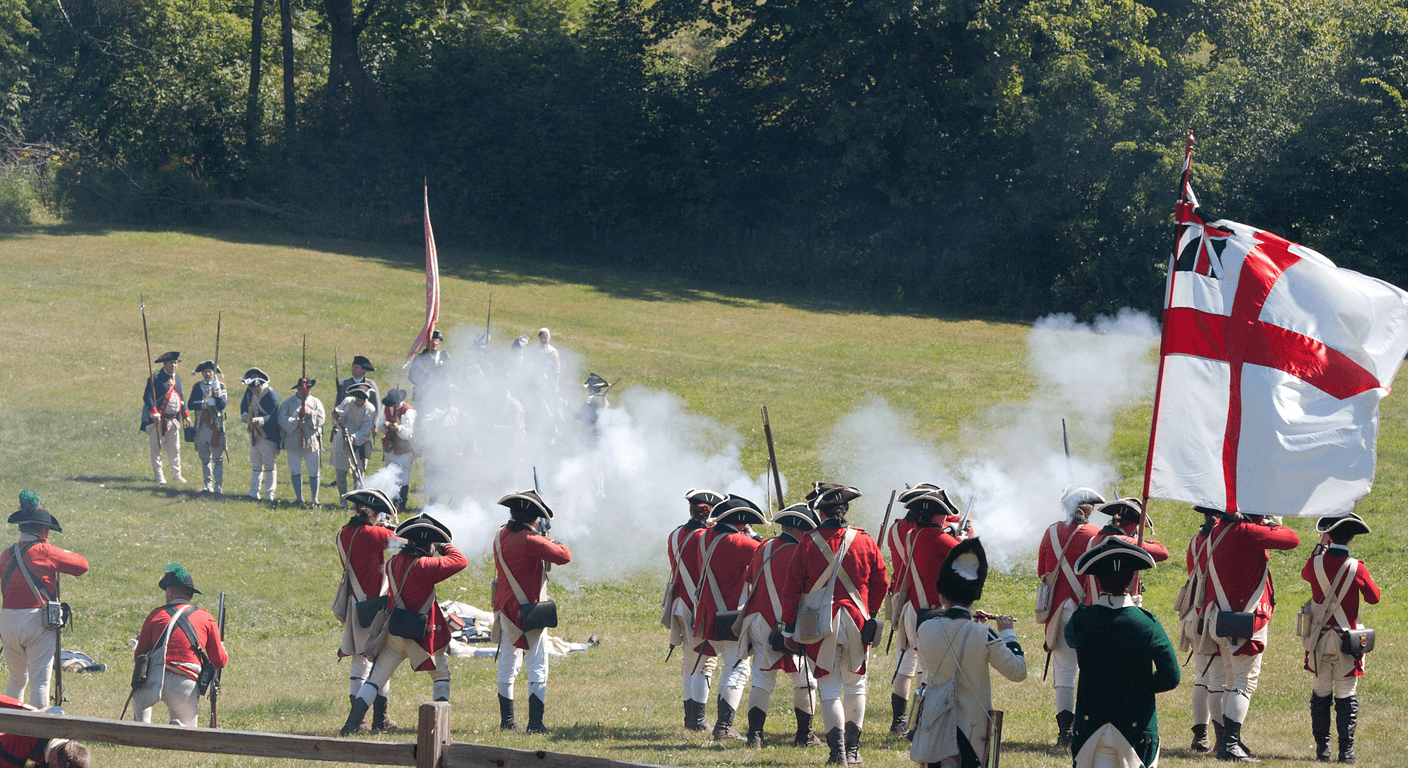
Sovereign Hill is the largest and most ambitious of Australia's living-history sites, and it earns that reputation honestly. The open-air precinct covers the equivalent of several city blocks, reconstructing Ballarat's gold-rush streetscape of the 1850s with working businesses, costumed characters, and a genuine underground mine tour. On any given day, there are red-coated troopers, Chinese processional scenes, and a working gold pour that draws a crowd around a very hot furnace. It is immersive in a way that holds the attention for a full day.
The walking demand here is real. The main street slopes gently, but the mine tour involves steps and uneven surfaces — worth checking ahead for current accessibility provisions. Sovereign Hill has made genuine efforts to improve access: the underground tour has a seated component, and much of the surface precinct can be navigated without serious exertion if you take your time. Bench seating is scattered throughout, particularly near the theatre spaces and the main street cafés. The Blood on the Southern Cross sound-and-light show runs at night and is largely seated — a very good option if the daytime walking has tired you out.
Getting there from Melbourne is straightforward: V/Line trains run regularly from Southern Cross Station to Ballarat (roughly 1 hour 20 minutes), and the site is a short taxi or rideshare from the station. Confirm V/Line schedules at vline.com.au. Entry is around AUD $55–$65 per adult — confirm current pricing at sovereignhill.com.au — and the site is generally open daily, though hours vary seasonally. Always confirm opening days before you travel.
Burra, South Australia — A Whole Town as the Exhibit
Burra is a different proposition entirely. Rather than a purpose-built precinct, the town itself is the museum — a 19th-century copper-mining settlement in the Clare Valley region of South Australia that has survived largely intact because the mining boom ended before anyone had reason to demolish and rebuild. The heritage precinct covers around 11 kilometres of town, though the Burra Heritage Passport — available from the local visitor centre — organises it into a manageable self-drive or self-walk circuit.
For couples who prefer their own pace over costumed guides, Burra is genuinely appealing. You can drive between key sites — the Bon Accord Mine complex, the Redruth Gaol, the miner's dugout dwellings at Burra Creek — and step out only where you want to. The dugouts are particularly affecting: tiny earthen homes cut into the creek bank, used by Cornish miners who arrived with almost nothing. The walking between individual sites is minimal if you keep the car nearby, making Burra one of the more accessible entries on this list. Mobility rating: Easy to Moderate depending on how much you choose to walk.
Burra is around 160 kilometres north of Adelaide — roughly two hours by car. There is no direct public transport from Adelaide that serves the heritage circuit conveniently, so this is firmly a self-drive destination. The Burra Heritage Passport covers entry to multiple sites and costs around AUD $15–$20 per person — confirm current pricing with the Burra Visitor Information Centre or via southaustralia.com. Opening days for individual sites vary; confirm before you go.
New Norcia, Western Australia — The Monastery That Time Forgot (Politely)
New Norcia sits about 130 kilometres north of Perth on the Great Northern Highway, and it is unlike anywhere else in Australia. A functioning Benedictine monastic community has operated here since 1846, and the town's Spanish-mission architecture — ornate, golden, entirely incongruous against the dry Western Australian scrub — stops first-time visitors in their tracks. It is not a recreation or a theme park. The monks are still here, still baking bread, still observing the canonical hours. That quiet authenticity is the point.
Guided tours of the monastery buildings and the museum run twice daily (times vary by season — confirm at newnorcia.wa.edu.au). The tours are largely walking-based but cover compact ground; the museum itself is fully accessible and air-conditioned, which matters in the warmer months. There are no costumed actors or staged demonstrations here. What New Norcia offers instead is genuine continuity — architecture, artworks, and a way of life that have persisted through the same landscape for nearly 180 years. Mobility rating: Easy. The pace is naturally unhurried.
The New Norcia Hotel, built in 1927, offers accommodation if you want to stay overnight and attend Vespers — a quietly memorable experience. Day-trippers from Perth can drive up in the morning and return comfortably by late afternoon. Guided tour prices are around AUD $20–$25 per person; confirm current pricing. The on-site bakery sells the monastery's famous bread and olive oil, and the small café is a sensible lunch stop.
Port Arthur and Woolmers Estate, Tasmania — Two Very Different Kinds of History
Port Arthur is Tasmania's most visited heritage site and one of the most significant convict-era precincts in the world. The site covers a large peninsula — roughly 40 hectares of ruins, restored buildings, gardens, and water — and a full visit involves considerable walking. The standard entry includes a guided walking tour and a harbour cruise, both of which have seating. The penitentiary ruins are on open ground, and the terrain is uneven in places, though paved paths connect the main areas. Mobility rating: Moderate. Allow a full day and wear comfortable shoes.
What makes Port Arthur compelling for historically minded travellers is its emotional range. The convict stories are grim and sometimes harrowing, but the site is managed with care and real interpretive depth. The 2025 audio guide update mentioned in current travel notes has introduced a slower-paced listening option that suits those who prefer to stop and absorb rather than keep moving with a group. The site is around 100 kilometres from Hobart — a 90-minute drive — and coach tours operate from the city if driving isn't preferred. Confirm current coach options with Experience Tasmania or your accommodation.
Woolmers Estate, near Longford in the northern Midlands, is a quieter, more intimate contrast. One of Tasmania's most intact colonial pastoral properties, it was home to six generations of the Archer family and is now a World Heritage-listed site. The guided house tour covers a compact set of rooms, is almost entirely indoors, and moves at a pace that suits those who want to look carefully rather than walk briskly. The gardens are lovely and largely flat. Entry is around AUD $20–$30 per adult — confirm current pricing at woolmers.com.au. Mobility rating: Easy to Moderate. Longford is about 25 kilometres south of Launceston, making it a natural day trip from that city.
Seating, Demonstrations, and What to Expect on Your Feet
A practical consideration that few general travel guides address honestly: how much of each site can you experience while seated, and where are the natural rest points? Sovereign Hill has the most structured seated offerings — the underground theatre, the main-street benches, the café terrace, and the evening show. Port Arthur's harbour cruise is the obvious seated anchor, and the guided walking tour moves at a moderate pace with regular pauses. New Norcia's museum is almost entirely seated or standing-at-leisure, with no pressure to move quickly. Woolmers is the most contained and arguably the easiest on the body.
Burra is the outlier. Because it is a real town rather than a managed precinct, there are no formal rest stations or visitor-centre benches between sites. The practical solution is to treat the car as your base and walk only short distances at each stop. Pack your own water and snacks; the main street has a café but it keeps country-town hours. This self-directed quality is part of Burra's appeal — but it does mean you need to manage your own energy rather than relying on the site to do it for you.
Costumed, standing-room demonstrations are most prevalent at Sovereign Hill, where they happen throughout the day on the main street. Port Arthur has some interpretive theatre but it is scheduled and signed — easy to plan around. New Norcia and Woolmers have no staged performances; their appeal is architectural and archival rather than theatrical. If you or your partner find standing crowds uncomfortable, New Norcia and Woolmers are the better choices. If you want the full theatre of Australian colonial history brought to life, Sovereign Hill is the benchmark.
Planning a Multi-State Heritage Tour: Practical Advice
For Victorian-based travellers, Sovereign Hill is the obvious starting point — a day trip from Melbourne with a night in Ballarat if you want to see the evening show. From there, a multi-state itinerary could take in Burra on a South Australian drive holiday, New Norcia on a Perth-based trip, and the Tasmanian sites on a separate island visit. Trying to combine all four in one trip is possible but exhausting; the flights and driving involved would overwhelm the pleasure of the sites themselves.
Travel insurance is worth raising specifically for over-50 travellers with pre-existing health conditions. Domestic travel within Australia doesn't carry the same complexity as overseas, but comprehensive travel insurance that covers cancellation, medical expenses, and trip interruption is still sensible — particularly for longer regional drives. Confirm what your policy covers before booking accommodation.
Across all four states, shoulder-season travel (March–May and September–November) offers the most comfortable conditions. Summer in South Australia and Western Australia can be genuinely harsh for outdoor walking. Tasmanian summers are mild but Port Arthur gets busy over Christmas and January. Victoria's Ballarat can be cold in winter — Sovereign Hill actually leans into this, with costumed characters huddled around open fires — but the crowds thin considerably, which has its own appeal. Whatever time of year you visit, confirm opening days and any temporary closures directly with each site, as hours and access can change.
Quick planning guide
| Ideal pace | Slow and flexible — wander, rest, discover, rest again |
|---|---|
| Best months | Shoulder seasons: March–May and September–November |
| Suggested stay | A full day per site; overnight optional at Ballarat or New Norcia |
| Mobility level | Varies by site — Easy at New Norcia and Woolmers, Moderate at Sovereign Hill and Port Arthur |
| Cost level | Budget-friendly to moderate, roughly AUD $15–$65 per adult depending on site |
| Comfort level | Good — most sites offer seated tours, cruises or rest benches |
| Best for | Couples and over-50 travellers who want history they can explore at their own pace |
| Main planning consideration | Mobility and access differ greatly between sites, so confirm opening days, tour times and current prices before travelling |
Key takeaways
- Sovereign Hill is Australia's most theatrically ambitious living-history site, but its scale demands a full day and comfortable footwear.
- Burra, South Australia, is the easiest on the body — a self-drive heritage town where the car does most of the work between sites.
- New Norcia rates Easy for mobility: compact, unhurried, and genuinely unlike anywhere else in the country.
- Port Arthur includes a seated harbour cruise in its standard entry, making it more manageable than its large footprint suggests.
- Woolmers Estate near Longford, Tasmania, offers one of the most accessible guided house tours of any heritage site in Australia.
- Confirm opening days and current entry prices directly with each site before you travel — hours and costs change regularly.
Recommended partners and links
Indicative prices only — always confirm with the operator before booking.
Frequently asked questions
Which Australian living-history site is easiest for travellers with limited mobility?
New Norcia in Western Australia is the most accessible option: the museum is compact and air-conditioned, the guided tour covers short distances, and the pace is naturally unhurried. Woolmers Estate in Tasmania is also a strong choice, with a largely indoor, guided house tour on flat ground. Burra in South Australia can be managed easily if you self-drive between sites rather than walking the full heritage trail.
How much does it cost to visit Sovereign Hill in Ballarat?
Entry to Sovereign Hill is indicatively around AUD $55–$65 per adult, though prices change and concession rates apply. Always confirm current pricing directly at sovereignhill.com.au before booking. The evening Blood on the Southern Cross show is ticketed separately.
Can you visit Port Arthur as a day trip from Hobart?
Yes. Port Arthur is around 100 kilometres from Hobart — approximately 90 minutes by car. Coach tours also operate from Hobart; confirm current options with local operators or your accommodation. Allow a full day for the site, as the standard entry includes a guided walking tour and harbour cruise.
Is New Norcia worth the drive from Perth for a day trip?
New Norcia is 130 kilometres north of Perth on the Great Northern Highway — roughly 90 minutes each way. For travellers interested in architectural history or monastic culture, it is a genuinely distinctive destination. Guided tours run twice daily (confirm times at newnorcia.wa.edu.au), and the on-site hotel and bakery make the stop comfortable. It is not suited to travellers seeking theatrical or interactive history — its appeal is quiet and architectural.
What is the best time of year to visit Australia's heritage towns?
March to May and September to November are the most comfortable months across most states. Summer (December–February) is very hot in South Australia and Western Australia, making outdoor walking at Burra and New Norcia less pleasant. Port Arthur and Woolmers in Tasmania are mild in summer but busiest over Christmas. Sovereign Hill in Ballarat operates year-round and is atmospheric in winter, though temperatures can drop significantly.