Heron Island sits 72 kilometres offshore from Gladstone on the Great Barrier Reef, where the reef begins right at the beach — no boat trip needed for snorkelling, guided reef walks or turtle encounters. May to October brings calmer seas and clearer water, while November to April is turtle nesting season. A multi-night stay suits couples wanting a quiet, reef-focused retreat rather than a packed itinerary. Mobility is moderate, with sandy, uneven paths, and access is via a two-hour catamaran launch from Gladstone or a 25-minute helicopter transfer.
What Makes Heron Island Different from Every Other Reef Experience
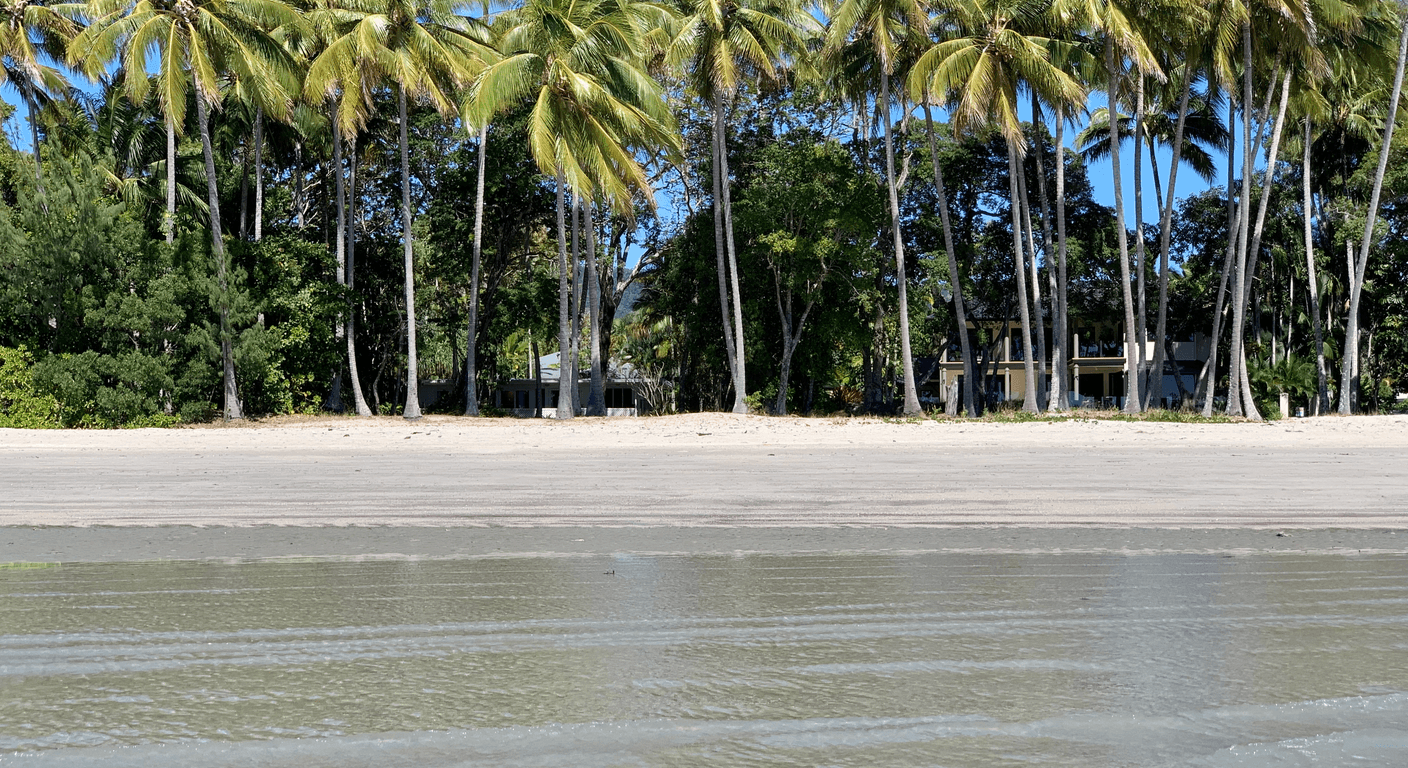
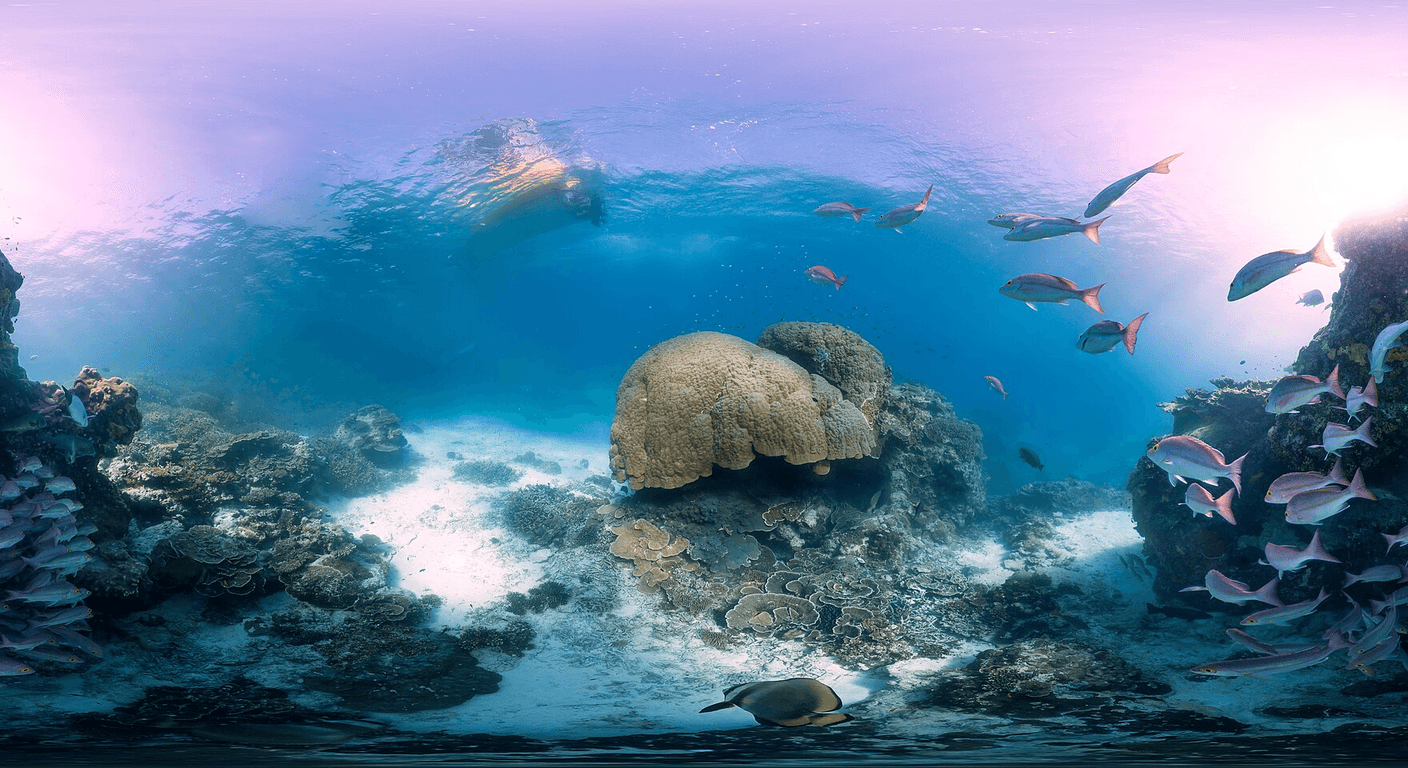
Most Australians who visit the Great Barrier Reef do so from a fast boat. They travel 45 minutes to an hour offshore, spend a few hours on a pontoon or at a dive site, and come back. It's perfectly fine. But Heron Island is something else entirely. The reef begins at the waterline. You wade in from the beach — no tender, no pontoon, no queue — and within 20 metres you're swimming over coral bommies alongside turtles that have been nesting on this island for longer than the resort has existed.
The island sits 72 kilometres northeast of Gladstone, accessible only by the resort's own launch or by helicopter. That exclusivity is not a marketing angle — it's the reason the wildlife behaves the way it does. Noddy terns nest in the pisonia trees overhead, barely registering the humans walking beneath them. Reef herons stand at the water's edge with the casual confidence of creatures that have never been chased. For a couple who've spent decades navigating crowds at popular sights, this kind of ease is genuinely unusual.
Heron is small — you can walk the circumference in under 30 minutes — but the reef encircling it is vast. The Heron Island Reef is a well-documented site within the Capricorn-Bunker section of the Great Barrier Reef Marine Park, and its southern location has historically made it more resilient to some of the bleaching events that have affected northern sections. That's worth knowing before you go.
Getting There: The Launch, the Helicopter, and What to Expect
The journey from Gladstone to Heron Island is the one part of this trip that requires honest preparation. The resort's catamaran launch takes roughly two hours, and the Coral Sea between Gladstone and the Capricorn Group is not always gentle. Swells can make for an uncomfortable crossing — motion sickness is common enough that many experienced travellers take medication beforehand. The launch seating is covered and there are outdoor deck areas, but if the sea is running, conditions inside can feel close. A couple of sea-sickness tablets taken an hour before departure is simply sensible, not overcautious.
The helicopter transfer is the alternative, and it's a genuine one — the flight takes around 25 minutes and the aerial view of the reef is, by most accounts, extraordinary. The cost is considerably higher than the launch; exact pricing changes, so confirm directly with the resort when booking. For anyone with significant inner-ear sensitivity, a history of severe motion sickness, or who simply prefers to arrive feeling fresh rather than relieved, the helicopter is worth serious consideration — not an indulgence.
Gladstone itself is reachable by Queensland Rail's Tilt Train from Brisbane (roughly five and a half hours; confirm timetables at queenslandrail.com.au), or by direct flight from Brisbane and other capitals via the Gladstone Airport. From Melbourne, you'll likely connect through Brisbane — factor in a full travel day and consider an overnight in Gladstone before the morning launch. The resort coordinates transfer times with guest arrivals, so communicate your travel details when booking.
What to Do on the Reef: Walks, Snorkelling, and the Semi-Submersible
Guided reef walks at low tide are among the most accessible reef experiences available anywhere on the Great Barrier Reef, and they're particularly well-suited to couples who may not be strong swimmers or who prefer to keep their heads above water. A resort naturalist leads small groups across the exposed reef flat — you're wading, not swimming — pointing out sea cucumbers, parrotfish, anemones, and the occasional octopus going about its business in a rock pool. Closed-toe water shoes are essential; the reef surface is uneven, and bare feet are a poor idea.
Snorkelling off the beach is the island's signature activity, and the entry point from the beach in front of the resort is straightforward for most reasonably mobile travellers. The water is shallow close to shore, deepening gradually as you move toward the reef edge. The resort provides equipment, and the naturalist staff are attentive without being overbearing. For those who prefer not to snorkel, or who want a dry alternative, the semi-submersible is a practical choice — a small vessel with an underwater viewing chamber that allows passengers to observe reef life without getting wet. It's not a submarine, but on a clear day the fish life visible through the windows is genuinely compelling.
Scuba diving is available for certified divers through the resort's dive operation. For a 73-year-old in good health, diving on Heron is entirely realistic — the sites are generally not technically demanding — but a medical clearance and a check-dive with the dive team are standard practice. Worth discussing with your GP and the resort's dive team before you go.
Turtle Nesting Season: What You'll Actually See
Heron Island is one of the most significant loggerhead turtle nesting sites in the South Pacific. Between roughly November and April, female turtles haul themselves up the beach at night to lay eggs, and later in the season hatchlings make their way back to the sea. The resort runs guided turtle-watching sessions after dark during the nesting season — guests are taken to the beach in small groups, with naturalists who know where nesting activity is occurring that evening. Torches are discouraged; red-light torches are used if needed.
It's worth being realistic about what you're likely to see. Nesting season is roughly November to April, but specific nights and beaches depend entirely on the turtles. Some nights are extraordinary — a large female digging her nest 10 metres in front of you, utterly absorbed in the task. Other nights, nothing. The resort naturalists manage expectations well, and even the walk to the beach in the dark, with the sound of the reef and the southern sky above, has its own quality.
Green turtles also nest here, and both species use the island for basking and foraging year-round. Outside nesting season, you're still likely to encounter turtles in the water on almost every snorkel. That's not a guarantee, but it's a fair expectation based on Heron's long-standing reputation as a turtle site.
Staying at Heron Island Resort: Rooms, Meals, and the Honest Reality
The resort is the only accommodation on the island, which means it sets the terms. Room categories range from Turtle Cabins — simple, dated, and close to the beach — through to Beach Houses with more space and direct beach access. Packages are typically all-inclusive for meals, which is practical given there's nowhere else to eat. Indicative pricing sits roughly in the range of $450 to $700 per person per night depending on season, room category, and what's included, but these figures are indicative only and should be confirmed directly with the resort — pricing and inclusions change.
The dining room is the resort's social centre, and the food is solid rather than destination-worthy. For a Greek-Australian traveller accustomed to the richness of Melbourne's food culture, the meals are straightforward resort fare — fresh seafood when available, buffet-style for most meals. It's honest island cooking, not a fault. The bar overlooks the beach and is a reasonable spot for a late afternoon Scotch while the noddy terns wheel overhead.
Paths across the island are sandy and uneven, which is simply the nature of a coral cay. There are no paved walkways. Anyone with significant balance concerns or who uses a walking aid should factor this in — the resort can advise on accessibility specifics when booking. The beach itself involves soft sand and some rock at the waterline. None of this is insurmountable for most reasonably active travellers, but it's worth knowing before you arrive.
Planning Around Seasons and Practical Considerations
The two best windows for a Heron Island stay each have a different character. May to October brings calmer seas — the launch crossing is more comfortable — lower humidity, and excellent water clarity for snorkelling. This is also when humpback whales pass through the Coral Sea on their northern migration, and sightings from the island are not unusual. November to April is turtle season, but it's also Queensland's wet season: humidity is high, afternoon storms are possible, and the launch crossing is more likely to be rough.
For a couple flying from Melbourne, factor in roughly three hours to Brisbane plus connection time to Gladstone, or a direct flight to Gladstone if available. A night in Gladstone before the morning launch is practical — Gladstone has solid mid-range accommodation and the Tondoon Botanic Gardens are worth an afternoon if time allows. On return, the same logic applies: don't book a tight connection out of Gladstone on the same afternoon as the launch arrival.
Travel insurance is non-negotiable for this kind of trip, particularly for travellers with any pre-existing conditions. Heron Island is 72 kilometres offshore; medical evacuation, if required, involves helicopter retrieval. Ensure your policy covers emergency evacuation and that pre-existing conditions are declared and covered. The resort has basic first aid on site, but it's not a medical facility.
Is Heron Island Right for You?
Heron Island rewards a particular kind of traveller: someone who values depth over variety, who finds genuine pleasure in watching a turtle surface three metres away, and who doesn't need a packed daily itinerary to feel a stay is worthwhile. For a couple who've done the Whitsundays, perhaps visited the reef from Cairns or Port Douglas, and are looking for something that feels less managed and more direct, this is a logical and satisfying next step.
The island's smallness is both its strength and its limitation. There are no shops, no day-spa, no pool bar with swim-up cocktails. The entertainment is the reef, the wildlife, and the company of the other guests — typically a mix of divers, naturalists, and couples who've done their research. Evenings are quiet. That's the point.
For a 73-year-old in reasonable health who's comfortable on the water, happy with uneven ground underfoot, and willing to take the launch crossing in stride (with a sea-sickness tablet and the knowledge that the helicopter is an option), Heron Island is one of the most genuinely distinctive reef experiences available to an Australian traveller. It requires no passport, no jet lag, and no apology for wanting to take it slowly.
Quick planning guide
| Ideal pace | Slow-paced, unstructured days |
|---|---|
| Best months | May–October for calmer seas and clearer water; November–April for turtle nesting |
| Suggested stay | Several nights at the island resort |
| Mobility level | Moderate — sandy, uneven paths and no paved walkways, but snorkelling entry is straightforward for reasonably mobile travellers |
| Cost level | Premium — roughly $450–$700 per person per night, all-inclusive |
| Comfort level | Comfortable but simple — resort rooms range from basic to more spacious, with straightforward buffet-style dining |
| Best for | Couples seeking a quiet, wildlife-focused reef stay away from day-trip crowds |
| Main planning consideration | The launch crossing from Gladstone can be rough (helicopter transfer available at higher cost), and travel insurance covering medical evacuation is essential given the island's offshore location |
Key takeaways
- Heron Island's reef begins at the waterline — no boat ride to the reef required once you're on the island.
- The launch transfer from Gladstone takes roughly two hours and can be rough; a helicopter option exists at considerably higher cost — confirm both when booking.
- Turtle nesting runs roughly November to April; May to October offers calmer seas, lower humidity, and better snorkelling visibility.
- Paths are sandy and uneven throughout — appropriate footwear and reasonable balance are practical requirements.
- All-inclusive meal packages are standard; indicative nightly costs run roughly $450–$700 per person depending on room and season — confirm current pricing directly.
- Travel insurance covering medical evacuation and pre-existing conditions is essential for a stay 72 kilometres offshore.
Recommended partners and links
Indicative prices only — always confirm with the operator before booking.
Frequently asked questions
How do you get to Heron Island from the mainland?
Heron Island is reached from Gladstone, Queensland, either by the resort's catamaran launch (roughly two hours, can be rough in swells) or by helicopter (approximately 25 minutes, considerably more expensive). Gladstone is accessible by Queensland Rail's Tilt Train from Brisbane or by air. Confirm current transfer pricing and schedules directly with Heron Island Resort at heronisland.com.
Is Heron Island suitable for older travellers or those with mobility considerations?
Heron Island suits travellers who are reasonably active and comfortable on uneven ground. Paths across the island are sandy and unpaved, the beach entry for snorkelling involves soft sand and some rock, and the launch crossing can be physically demanding in rough conditions. The mobility rating is Moderate. Travellers with significant balance concerns or mobility aids should contact the resort directly to discuss accessibility before booking.
When is the best time to visit Heron Island?
May to October offers calmer seas, lower humidity, and excellent water clarity — generally the most comfortable time to visit. November to April is turtle nesting season, with loggerhead and green turtles hauling up the beach at night, but this period also brings higher humidity and the possibility of rougher sea crossings. Both windows have merit depending on your priorities.
Can you see turtles at Heron Island outside of nesting season?
Yes. Green and loggerhead turtles are present in the waters around Heron Island year-round, and snorkellers regularly encounter them in the shallows. The nesting season (roughly November to April) adds the additional experience of watching females come ashore at night and, later in the season, hatchlings heading to sea, but turtle sightings in the water are common throughout the year.
Do you need to be a diver to enjoy Heron Island?
No. Snorkelling directly from the beach, guided low-tide reef walks, and the semi-submersible viewing vessel all offer compelling reef experiences without diving. The reef flat at low tide is accessible to non-swimmers who are comfortable wading, provided they wear closed-toe water shoes. Scuba diving is available for certified divers, and the resort's dive team can advise on requirements including medical considerations.