Deep Creek National Park sits at the southern tip of the Fleurieu Peninsula, about 90 minutes to two hours south of Adelaide, with no public transport available. Its highlight is the steep Blowhole Beach Track, descending 200 metres to a secluded beach, best timed for southern right whales (June–October) or spring orchids. The Grade 4 tracks demand solid fitness, making this an active outing, though flatter paths near the visitor centre suit less mobile visitors.
What Kind of Place Is Deep Creek, Really?
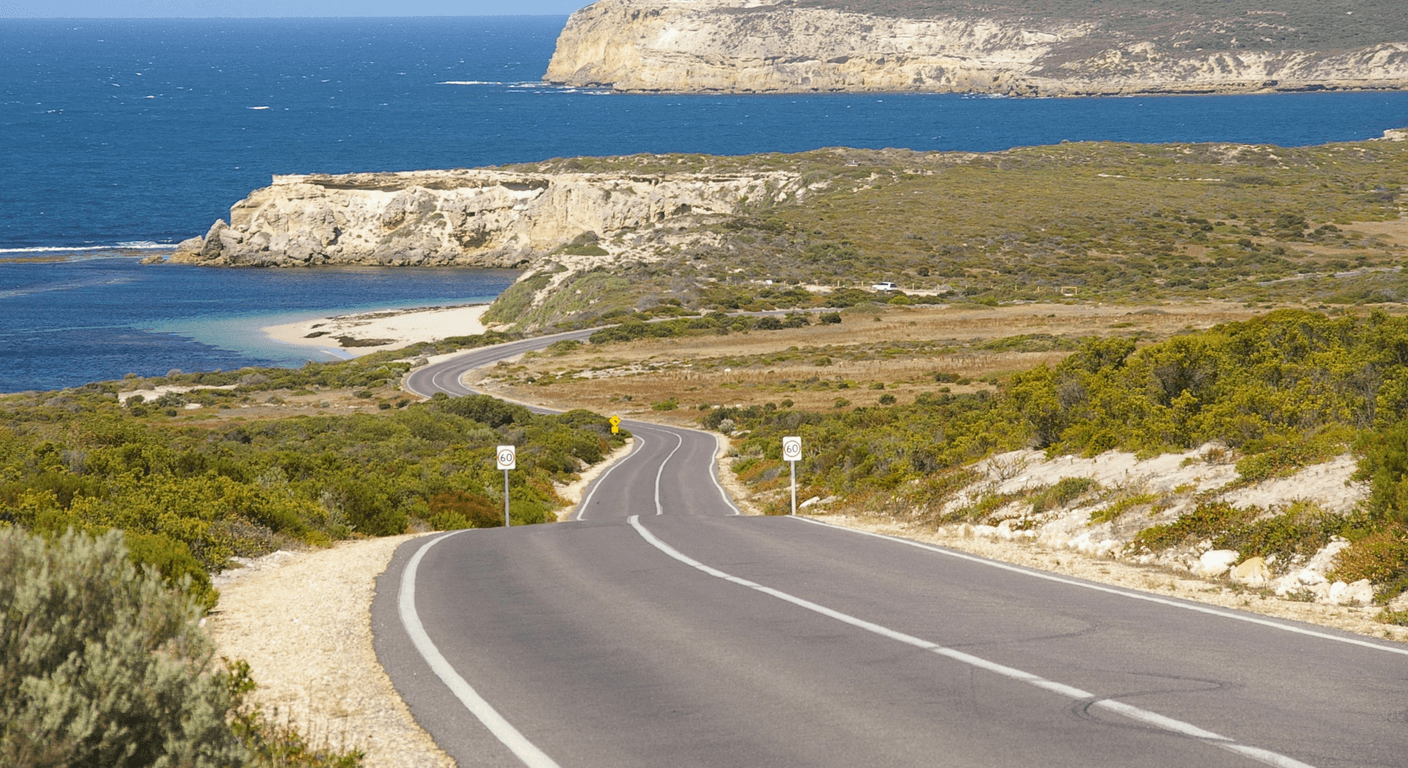
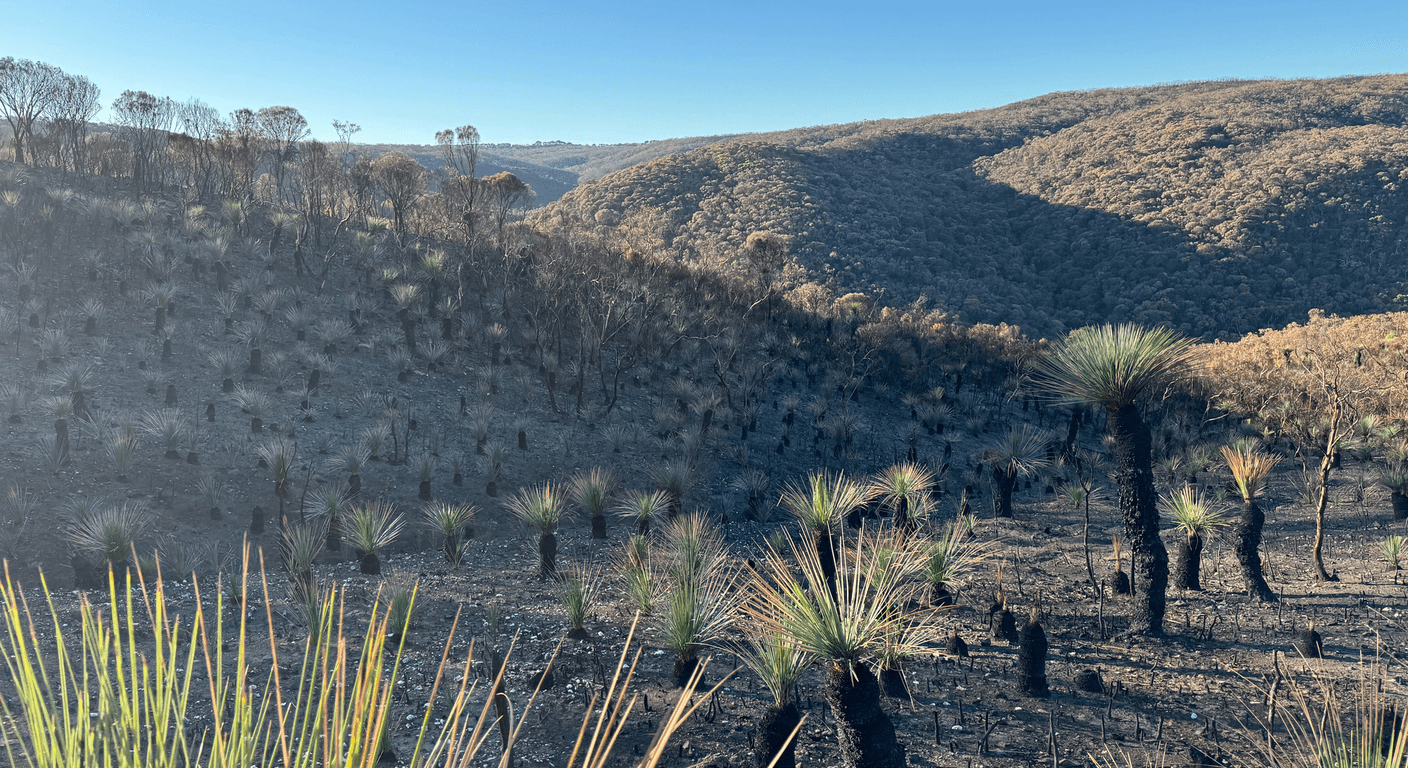
Deep Creek Conservation Park — officially a conservation park within the broader Deep Creek National Park area — occupies the rugged southern heel of the Fleurieu Peninsula, where the land drops sharply into Backstairs Passage. It's not manicured. The tracks are formed earth and rock, the vegetation is dense native scrub, and the silence once you're away from the car park is the kind that takes a moment to adjust to. That's precisely the appeal.
For a group of women who've spent time in regional Victoria's own demanding landscapes — the Otways, Wilsons Prom — Deep Creek will feel familiar in character but distinctly South Australian in palette. The mallee scrub gives way to stringybark forest, the soil is a deep red-orange, and the coastal views, when they open up, feel genuinely earned. The park is not pretending to be something it isn't. Neither should your expectations.
It's worth being direct about one thing before you start planning: this is not a gentle stroll destination. The popular Blowhole Beach Track descends around 200 metres to sea level over roughly 2.5 kilometres one way. The descent is manageable for most reasonably fit walkers; the return climb is the honest test. Factor in at least three to four hours for that return walk, and be conservative if anyone in the group has knee or hip concerns.
Getting There: The Drive from Adelaide and McLaren Vale
The main park entrance on Tapanappa Road, Hay Flat, sits roughly 90 kilometres south of Adelaide's CBD — around 90 minutes to two hours by car, depending on traffic through the southern suburbs and your pace through the wine country. There is no practical public transport to the park entrance, so a private vehicle or hired car is the only realistic option for a day trip.
The most pleasant approach takes you through McLaren Vale, where a coffee stop at one of the cellar-door cafés makes for a civilised start. From McLaren Vale, the road winds south through Normanville and Yankalilla before turning inland toward the park. The final stretch on Tapanappa Road is unsealed in sections — perfectly manageable in a standard two-wheel-drive vehicle under normal conditions, but worth confirming after heavy rain. Check Parks SA's website for any road or track closures before departure.
Park entry fees are charged per vehicle at the gate. The exact amount changes periodically, so confirm the current fee at parks.sa.gov.au rather than relying on any figure you've seen elsewhere. Annual passes are available and represent reasonable value if you're planning to visit multiple South Australian parks during a longer trip.
The Walks: Honest Grades for Over-50 Bodies
The two walks that most visitors come for are the Blowhole Beach Track and the Trig Walk. Both are classified as Grade 4 under the Australian Walking Track Grading System — meaning steep sections, uneven surfaces and a genuine cardiovascular demand. Grade 4 is not a warning to stay away; it's information to use. If you walk regularly, carry poles on steep descents, and take your time, both tracks are achievable. If you have significant balance issues, unstable joints or a recent injury, the flatter alternatives near the visitor centre are the smarter call — and they still deliver native wildlife, wildflowers in season, and good birdwatching.
The Blowhole Beach Track is the one most people talk about. The descent through dense scrub opens onto a secluded beach of white sand and vivid blue water that genuinely surprises. The blowhole itself is a rock formation at the northern end — dramatic in a swell, modest on a calm day. Allow around 90 minutes to descend at a comfortable pace, more time on the beach, and a longer haul back up. Trekking poles make the return noticeably easier on knees. Carry at least two litres of water per person; there is no water supply on the track.
The Trig Walk climbs to the park's high point and delivers panoramic views across Backstairs Passage toward Kangaroo Island on a clear day. It's shorter than Blowhole Beach in distance but steeper in gradient at points. From June to October, this elevated vantage is one of the better spots on the Fleurieu for spotting southern right whales moving through the passage — bring binoculars. The visitor centre near the entrance has trail maps and staff who can give you a candid assessment of current conditions before you commit to either walk.
Easier Options: When the Main Tracks Aren't the Right Call
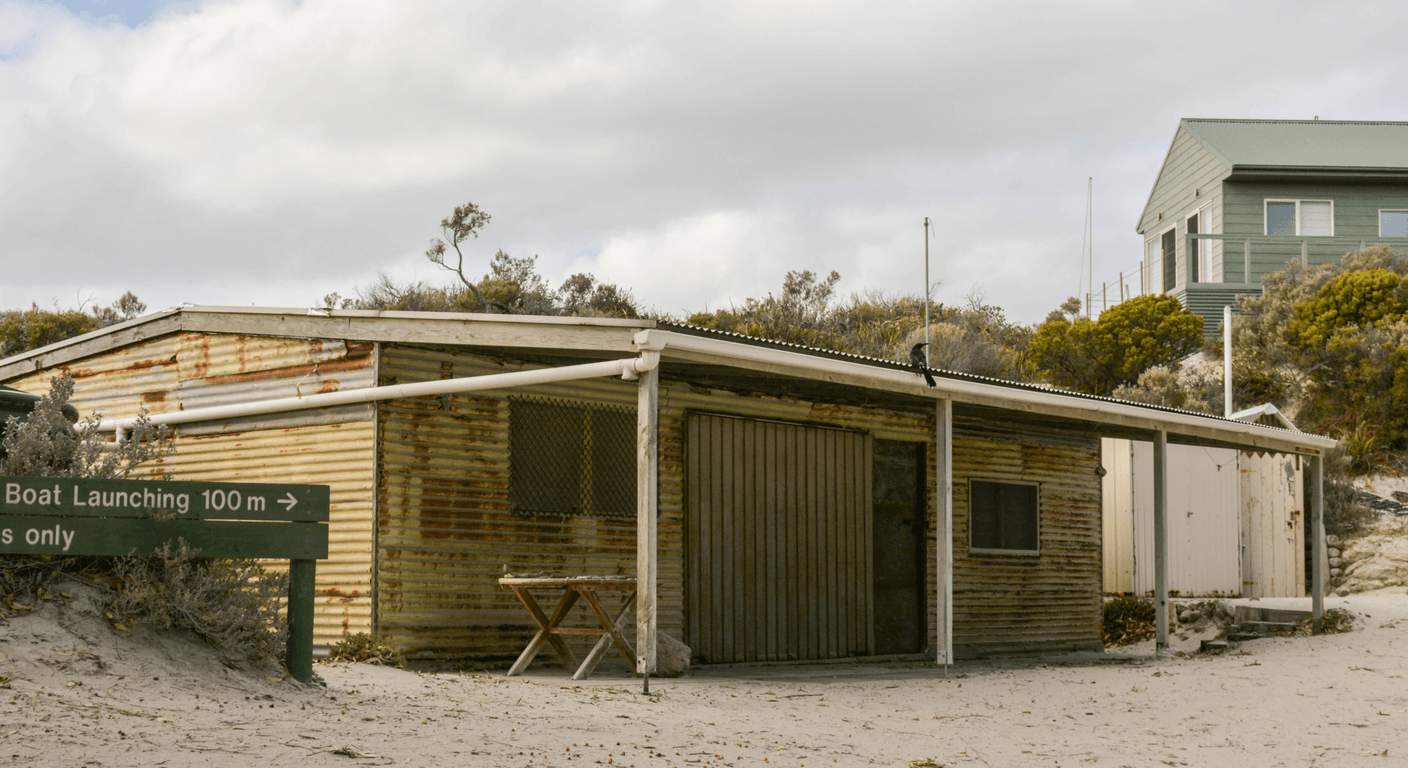
There's no shame in arriving at the visitor centre, talking to the ranger, and deciding the Blowhole Beach track isn't for today. That's good judgement, not defeat. The area around the visitor centre and the Tapanappa Hike-In Campground has shorter, flatter walking options that still put you in genuine native bushland. The drive itself through the park corridor offers roadside wildlife watching — western grey kangaroos are frequently seen in the late afternoon, and echidnas appear year-round.
For a group where fitness levels vary, a practical approach is to split the day: those who want the main track head off early, while others explore the easier paths and reconvene at the picnic area for lunch. The park has basic picnic facilities — tables, bins — but no café, no kiosk, no coffee van. Everything you eat and drink during the day needs to come with you from McLaren Vale or further north. This is not an inconvenience; it's just the nature of a genuine wilderness park, and planning for it is half the pleasure.
If accessibility is a primary concern, it's worth contacting Parks SA directly before visiting to ask about current conditions on the shorter tracks. The website lists facilities but a phone call or email often gives a more useful picture of what's actually manageable.
Wildlife, Wildflowers and the Best Seasons
Deep Creek is genuinely good for wildlife. Western grey kangaroos are the most visible presence, particularly near the campground and along the entrance road at dusk. Echidnas are reliably sighted year-round. The birdlife is diverse — look for yellow-tailed black cockatoos moving through the stringybark forest, southern emu-wrens in the heath, and wedge-tailed eagles riding thermals above the ridgeline. The park supports a significant population of native reptiles, including the large and entirely harmless pygmy bluetongue — though the species is elusive and mostly confined to grassland areas.
Spring (August to October) brings the native orchid season, and Deep Creek is recognised as one of South Australia's better locations for terrestrial orchids. Spider orchids and sun orchids appear along the track edges if you're watching carefully. The wildflower display is not the showy carpet of Western Australia's south-west, but it rewards a slow pace and a willingness to look down as well as out.
For whale watching, the window is June through October, with August and September typically the most productive months as southern right whales move through Backstairs Passage. The Trig Walk viewpoint is worth the climb for this alone. Dolphins — common and bottlenose — are present year-round in the passage. Summer visits are possible but the heat can be severe, the fire risk rises, and tracks become uncomfortably exposed. Autumn (March to May) offers a quieter, cooler alternative to spring.
Practical Planning: The Details That Actually Matter
Mobile phone reception is patchy throughout the park and absent on many of the walking tracks. This is not a minor inconvenience — it's a safety consideration. Tell someone outside your group your planned route and your expected return time before you leave the car park. Write it down if necessary. A personal locator beacon (PLB) is worth considering for any group venturing onto Grade 4 tracks; they're available for hire from some outdoor equipment retailers in Adelaide. Parks SA recommends carrying a physical map of the park, available from the visitor centre.
Water is the other non-negotiable. There is no potable water supply on the main walking tracks. Two litres per person is a minimum for a full walk; three litres on a warm day is sensible. Sunscreen, a hat and layering for the coastal wind are standard kit. The beach at the bottom of the Blowhole Track is unpatrolled and can have strong currents — it's a place to sit and look, not necessarily to swim.
Start early. The car park fills on weekends and public holidays during the peak season, and an early departure from McLaren Vale means the descent is done before the day's heat builds. Aim to be walking by 9am at the latest. If you're driving from Adelaide on the day, leaving by 7.30am gives you comfortable timing without any rush.
Making a Day of It: Combining Deep Creek with the Fleurieu
Deep Creek works best as part of a considered Fleurieu day rather than a rushed single destination. The drive south through McLaren Vale passes some of Australia's most respected shiraz country — a cellar door stop on the way home, after the walk, is a well-earned ritual. The Vale Kitchen, and several winery restaurants along Main Road, McLaren Vale, offer lunch menus worth factoring into the day. Confirm opening hours before visiting, as regional operations vary by season.
Normanville and Carrickalinga on the return drive are small coastal towns with beaches that offer a very different experience from the wildness of Deep Creek — flat, calm, easy — and a good place to dip your feet in the sea if the Blowhole Beach descent wasn't on the day's agenda. The drive itself, through the southern Fleurieu hills, is worth taking slowly.
For those based in regional Victoria, the most practical approach is a two-night trip: fly Adelaide and spend a night in McLaren Vale before and after the park visit. That removes the pressure of a very long driving day and gives time to actually enjoy the wine region that surrounds you. Accommodation in McLaren Vale ranges from self-contained cottages to small hotels; book ahead for weekends in spring and autumn.
Quick planning guide
| Ideal pace | Slow and unhurried, especially on the return climb |
|---|---|
| Best months | June–October for whales, August–October for orchids; summer heat best avoided |
| Suggested stay | A full day trip, or two nights with a McLaren Vale stopover either side |
| Mobility level | Active — Grade 4 tracks, with flatter alternatives near the visitor centre |
| Cost level | Budget-friendly — per-vehicle entry fee only, no other paid attractions inside the park |
| Comfort level | Basic — no café, kiosk or water supply on the tracks; bring everything with you |
| Best for | Reasonably fit walkers, whale watchers, birdwatchers and orchid enthusiasts |
| Main planning consideration | Steep, uneven Grade 4 tracks and unreliable mobile reception — assess fitness honestly and tell someone your route before setting off |
Key takeaways
- Deep Creek's main walking tracks — including Blowhole Beach and the Trig Walk — are Grade 4: steep, uneven and demanding; assess your fitness honestly before committing.
- Mobile reception is unreliable throughout the park; always tell someone your route and expected return time before you leave the car park.
- A per-vehicle park entry fee applies — confirm the current amount at parks.sa.gov.au before visiting.
- Shorter, flatter walking options exist near the visitor centre for those who find the main tracks too demanding on the day.
- June to October is the window for southern right whale sightings through Backstairs Passage, with August and September the peak months.
- There is no food or water available inside the park — bring everything you need, including at least two litres of water per person.
Recommended partners and links
Indicative prices only — always confirm with the operator before booking.
Frequently asked questions
Is Deep Creek National Park suitable for seniors with knee or hip issues?
The main tracks at Deep Creek — particularly Blowhole Beach and the Trig Walk — are Grade 4 with steep sections and uneven surfaces, which can be hard on knees and hips. Trekking poles significantly reduce the impact on the return climb. Shorter, flatter walking options are available near the visitor centre and are worth asking about at the ranger station on arrival. Contact Parks SA before visiting to discuss which tracks best suit your mobility level.
How far is Deep Creek National Park from Adelaide?
The main park entrance on Tapanappa Road, Hay Flat, is roughly 90 kilometres south of Adelaide's CBD — approximately 90 minutes to two hours by car, depending on traffic and road conditions. There is no public transport to the park entrance; a private vehicle is required.
What is the best time of year to visit Deep Creek?
May to October is generally the most rewarding period. Spring (August to October) brings native orchids and wildflowers; June to October offers whale-watching opportunities in Backstairs Passage. Summer can be very hot with elevated fire risk. Autumn (March to May) is a quieter, cooler alternative.
Is there phone reception at Deep Creek National Park?
Mobile phone reception is patchy to non-existent throughout most of Deep Creek, including on the main walking tracks. Before entering the park, tell someone your planned route and expected return time. A personal locator beacon (PLB) is a practical safety option for walkers on the main tracks.
How long does the Blowhole Beach walk take?
At a comfortable pace, the descent to Blowhole Beach takes around 90 minutes one way — the climb back up typically takes longer, often 90 minutes to two hours depending on fitness. Allow a full half-day for the return walk, including time on the beach. Start early to avoid heat and to secure car parking, particularly on weekends.