Innisfail, about 90 minutes south of Cairns in Far North Queensland, suits a long weekend or two-to-three night stay, ideally visited May to October during the dry season. Its defining highlight is one of Australia's most coherent art deco streetscapes, rebuilt after the devastating 1918 cyclone. The self-guided heritage walk is flat and sealed, making it easy going, while getting there means flying into Cairns and driving — or taking the train — 90 kilometres south along the Bruce Highway.
Why Innisfail Looks the Way It Does
On 4 March 1918, Cyclone Mahina — or a storm of comparable ferocity recorded in local accounts as striking the Herbert and Johnstone River districts — tore through the town then known as Geraldton (renamed Innisfail in 1910). What followed was not just reconstruction but reinvention. The 1920s and 1930s brought an economic upswing from the sugar industry, and the architects and builders of the day were working squarely within the art deco moment. The result: a town centre rebuilt in a coherent style, largely at the same time, and then left largely alone by subsequent development pressure.
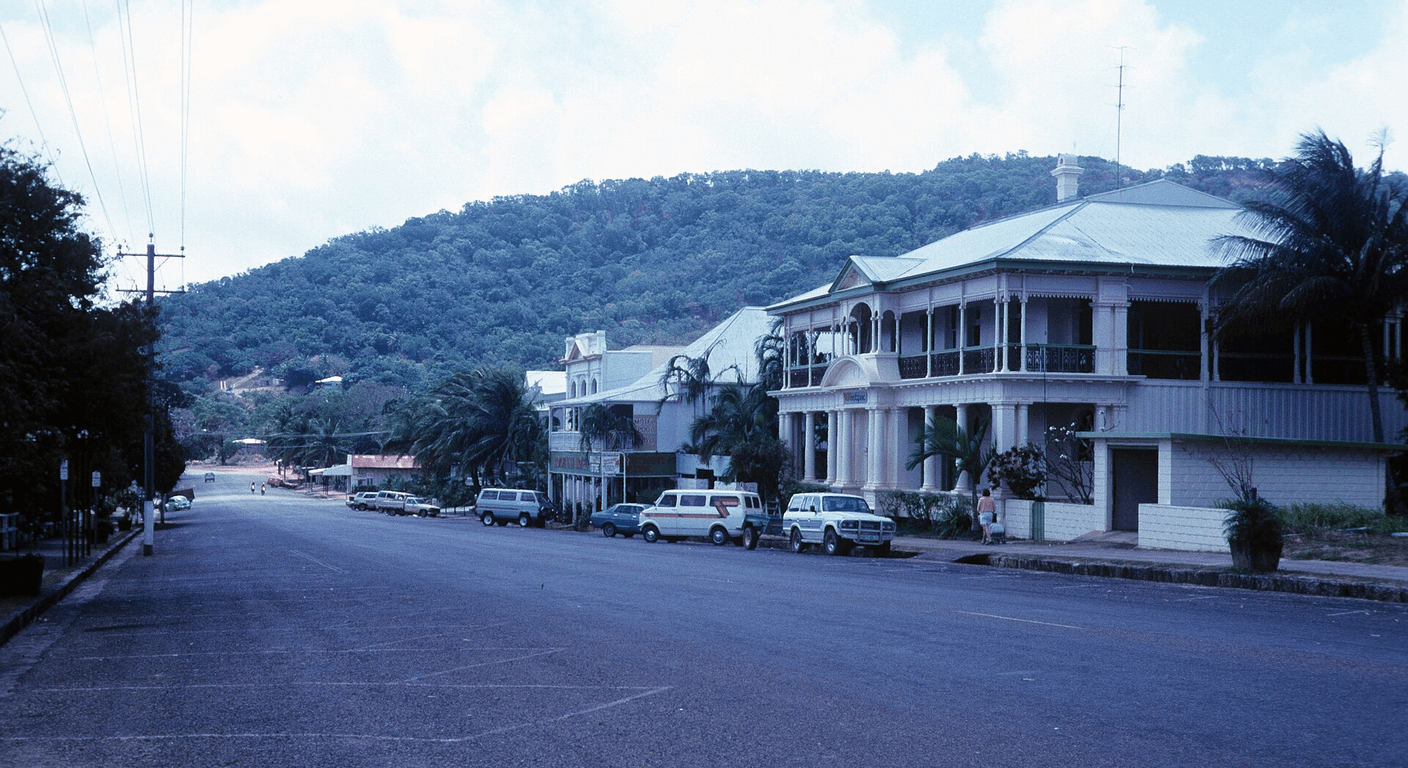
That's the quiet miracle of Innisfail. Elsewhere in Australia, art deco buildings survive as individual landmarks surrounded by later infill. Here, you turn a corner and the whole streetscape holds — the rounded parapets, the horizontal banding, the pastel render in cream and coral and soft green, the original lettering pressed into facades above shopfronts that still sell hardware or coffee. It's architecture as atmosphere. You don't need a degree in design history to feel it.
The Self-Guided Deco Walk: What to Expect
The Innisfail Art Deco Heritage Trail is a flat, sealed, self-guided walk through the town centre — no hills, no rough terrain, and comfortably done at a gentle pace over two to three hours with stops. The Cassowary Coast Regional Council produces a printed map and trail guide available from the visitor information centre on Edith Street; it's free, and it's genuinely useful rather than merely decorative.
The walk threads past the Shire Hall on Rankin Street — a standout in cream render with a clock tower that anchors the civic end of town — and continues through the commercial streets where you'll find the Beacon Hotel, the Innisfail Masonic Lodge and a string of shopfront facades that reward the habit of looking up. The Johnstone River adds a watery backdrop to the western edge of the precinct. On a dry-season morning, with the light coming in low and the streets quiet, it's the kind of walk that slows you down in the best possible way.
For those who prefer a guided experience, local operators occasionally run walking tours during the dry season — check with the visitor centre on arrival. There's no obligation to rush. Innisfail's cafes sit among the deco frontages, and stopping for a long breakfast mid-walk is entirely part of the experience.
The Mung Jung Temple: A Layer of History Worth Seeking Out
Innisfail's Chinese community has deep roots in the Johnstone River district, drawn to the region during the plantation and sugar-cane era of the late nineteenth and early twentieth centuries. The Mung Jung Temple — also referred to locally as the Chinese temple — on Edith Street is a tangible reminder of that heritage: a small, carefully maintained Taoist temple in a town that is otherwise architecturally European in flavour.
Opening hours are not always predictable, and the temple is managed by the local Chinese community rather than a formal tourism body. Confirm access before building your day around a visit — the visitor information centre on Edith Street is the right first call. When it is open, the interior is modest in scale but rich in detail: incense holders, painted timber, and the particular stillness of a working religious space. It's not a museum. Approach it as a guest, not a sightseer, and it offers something genuinely different from the architectural trail.
The temple is a reminder that Innisfail's story is layered — Italian, Chinese, Aboriginal, and Anglo-Australian communities all shaped this town. The art deco streetscape is the most visible layer, but it's not the only one worth noticing.
The Two-River Waterfront and the Town's Natural Setting
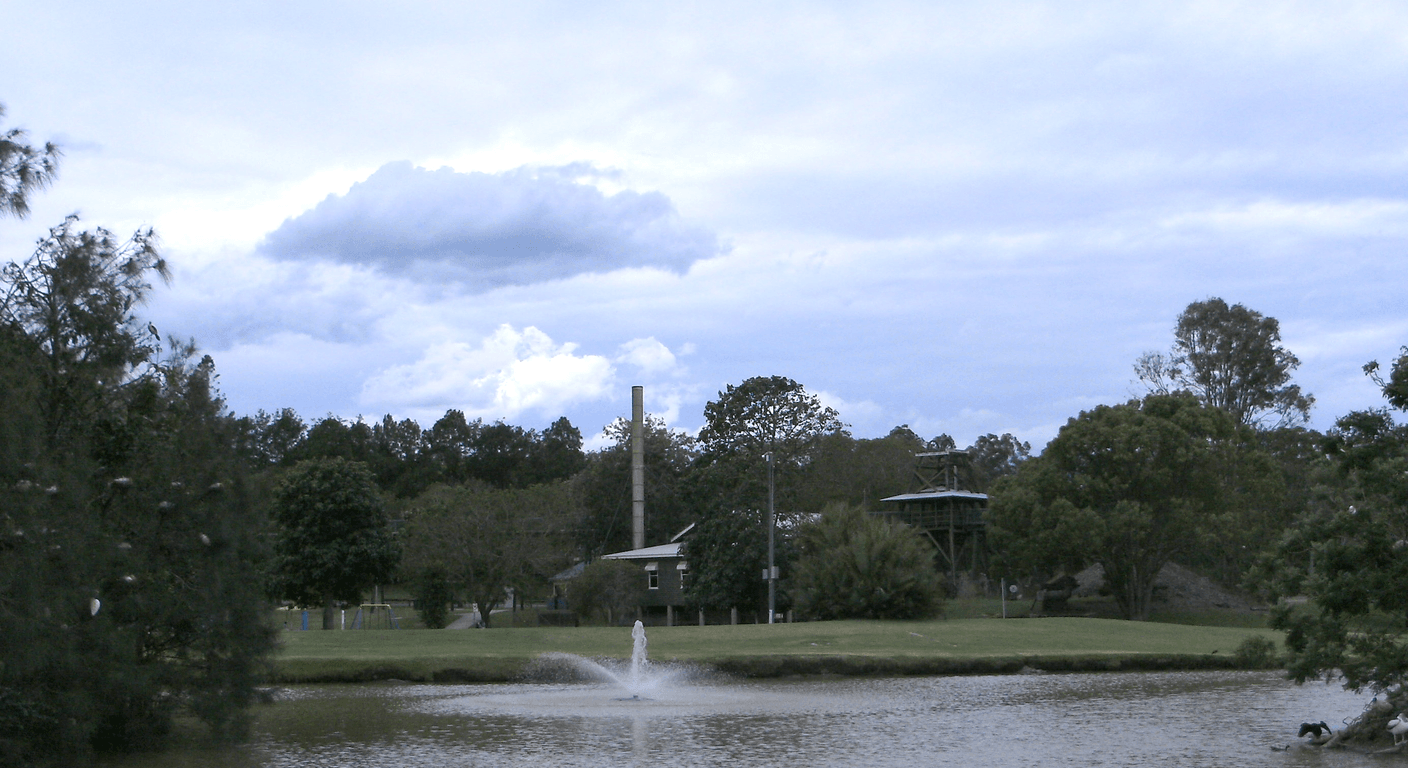
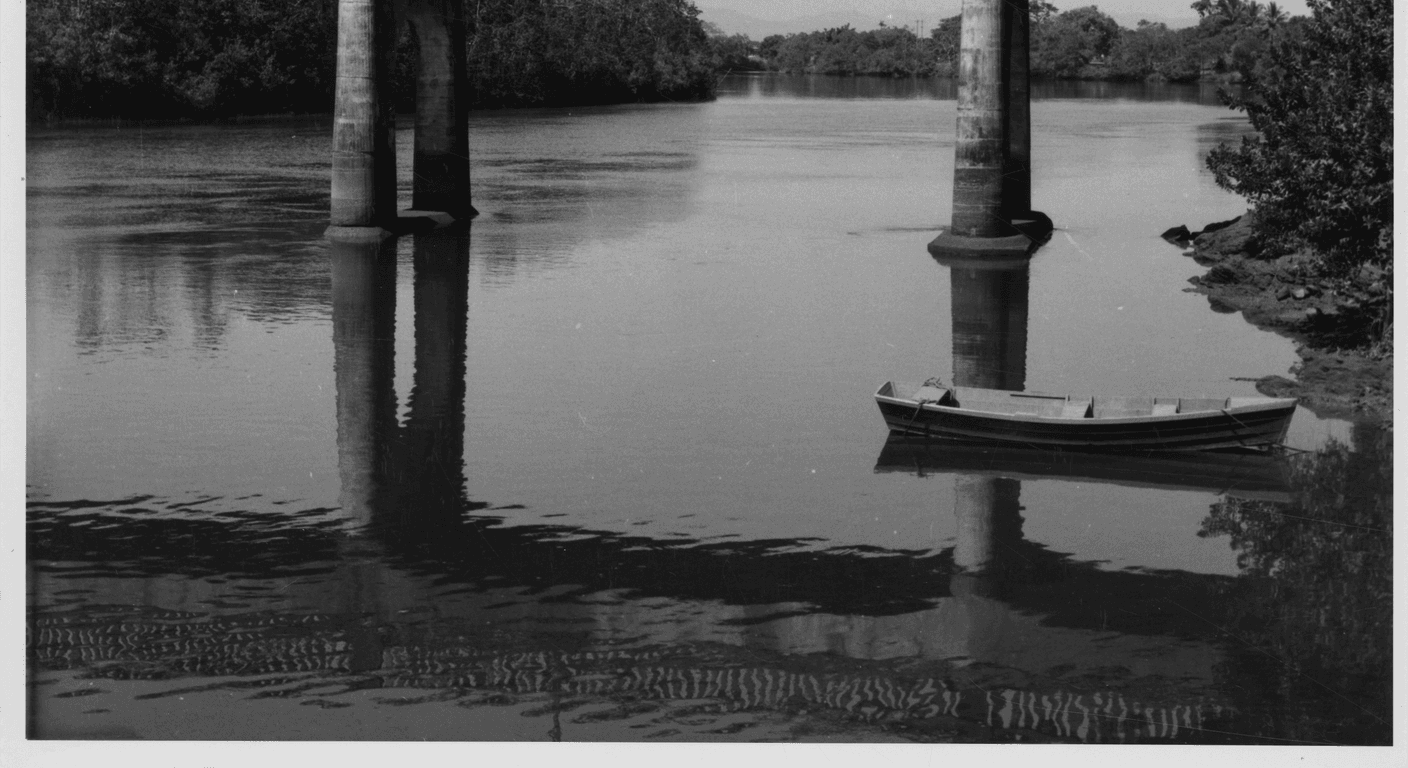
Innisfail sits at the confluence of the North Johnstone and South Johnstone rivers, and the waterfront along the Johnstone River foreshore is an easy, flat stroll from the town centre. In the dry season, the rivers run clear and the mangrove edges are active with birdlife. There are park benches, a boat ramp, and the kind of unhurried waterside atmosphere that invites a longer sit than you'd planned.
The town is surrounded by sugarcane country, with the Atherton Tablelands rising to the west and the Wet Tropics World Heritage rainforest beginning almost immediately to the north and south. It's a distinctive landscape — flat agricultural land in the valley, then jungle hills almost immediately beyond. For travellers who like their culture with a side of natural drama, the setting delivers without requiring any effort at all.
Day Trips: Cassowary Country and Rainforest Walks
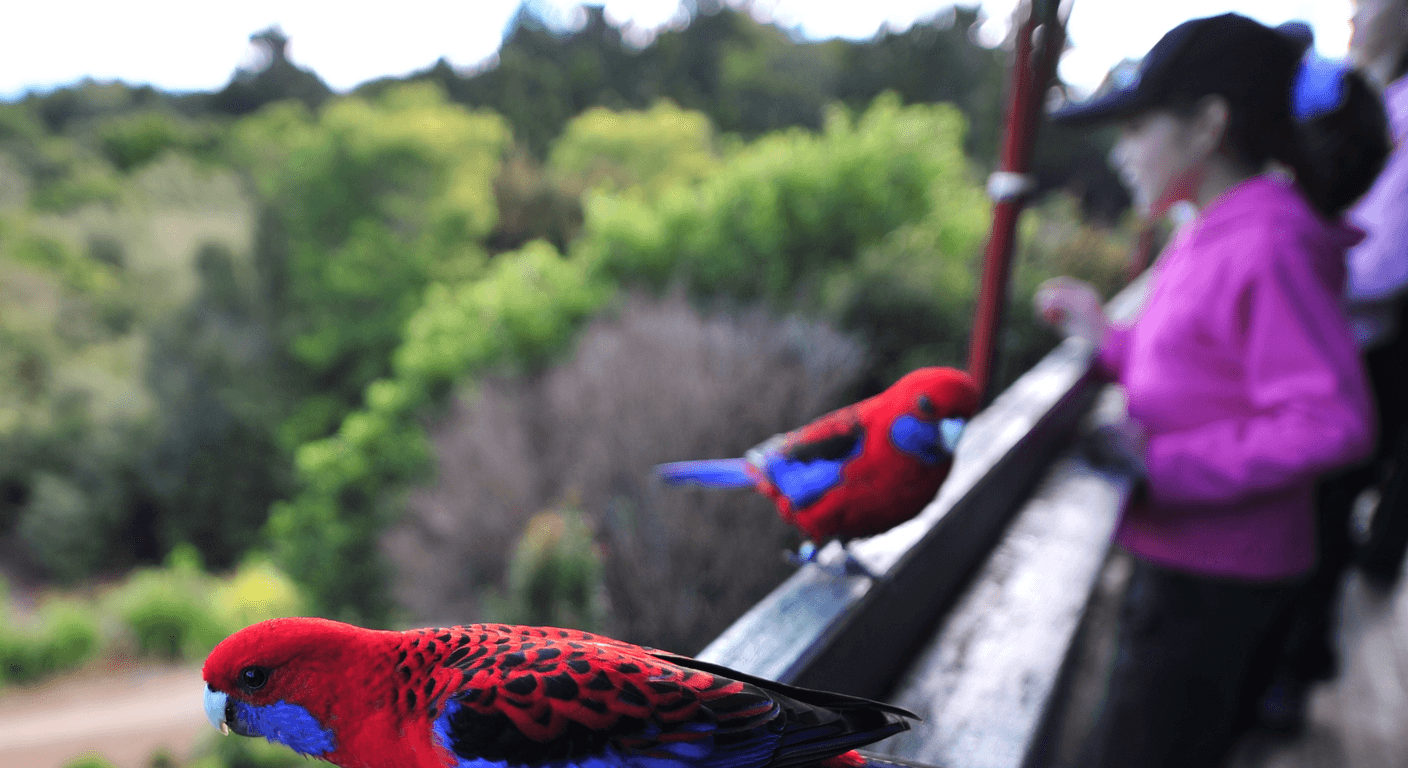
The Cassowary Coast gets its name honestly. Southern cassowaries — the large, helmet-crested, ratite birds that look as though evolution was improvising — are genuinely present in the rainforest patches around Innisfail, particularly toward Mission Beach (about 50 kilometres north) and along the roads into the Wet Tropics. Spotting one is not guaranteed, but it's not unlikely either, particularly in the early morning.
Josephine Falls, within Wooroonooran National Park about 30 kilometres south of Innisfail on the Bruce Highway, offers a short rainforest walk to a natural rock slide and swimming hole. The walk is around 1.4 kilometres return on a formed path and suits most fitness levels, though the final approach involves some uneven ground — check Parks and Wildlife Service Queensland's current conditions before visiting. The falls are best in the dry season when water levels are manageable.
Paronella Park, about 45 minutes south of Innisfail near Mena Creek, is a Spanish-inspired castle ruin built by a Catalan migrant in the 1930s — now managed as a heritage attraction within the Wet Tropics. It's an oddity in the best sense: a folly that became a World Heritage site. Night tours run most evenings and are worth considering for something genuinely different. Confirm current operating hours and tour availability via their official website.
Cafes, Food and the Pleasures of a Small Town
Innisfail has a modest but genuine café culture, shaped in part by its Italian community heritage — the Innisfail district attracted significant Italian migration in the mid-twentieth century, and the coffee culture that followed has persisted. Cafés along Edith Street and Rankin Street operate from the ground floors of deco buildings, and the experience of sitting with a long coffee beneath an original pressed-metal ceiling or a curved parapet is quietly satisfying.
The town's food scene is small-scale and honest rather than destination-dining calibre, but for a two or three night stay it's entirely adequate. Fresh tropical fruit is available from roadside stalls and the local market (confirm days and times on arrival). Cairns, 90 minutes north, is the obvious choice for a special dinner if that's a priority — but many travellers find Innisfail's low-key pace is precisely the point.
Getting There, Getting Around and When to Visit
Fly into Cairns from Sydney, Melbourne, Brisbane or Perth — direct services operate on most major carriers, with flight times ranging from roughly 3 hours from Brisbane to around 4.5 hours from Melbourne. From Cairns, Innisfail is about 90 kilometres south on the Bruce Highway. A hire car from Cairns Airport is the most practical option and gives you the flexibility for day trips. Alternatively, Queensland Rail's Spirit of Queensland service stops at Innisfail — confirm current timetables, as frequency is limited.
The dry season, May to October, is strongly recommended. Innisfail sits in one of the wettest parts of Australia — annual rainfall can exceed 3,500 millimetres — and the wet season (November to April) brings genuine tropical downpours, high humidity and the occasional cyclone risk. May and September are particularly pleasant: warm, clear and uncrowded. August coincides with the Feast of the Senses festival if a cultural event adds to the appeal.
For travellers with mobility considerations, the town centre is reassuringly flat and the deco walk is entirely on sealed surfaces. The day trips to Josephine Falls and Paronella Park involve some uneven ground; sensible footwear and a realistic assessment of your own comfort on unpaved paths is all that's required. Travel insurance that covers pre-existing conditions is worth reviewing before any Far North Queensland trip — the nearest major hospital is in Cairns.
Quick planning guide
| Ideal pace | Slow-paced and unhurried |
|---|---|
| Best months | May to October (dry season); May and September noted as particularly pleasant |
| Suggested stay | Long weekend, around two to three nights |
| Mobility level | Easy — flat, sealed town centre and heritage walk; nearby day trips involve some uneven ground |
| Cost level | Budget-friendly — the heritage walk is free and the town's offerings are low-key |
| Comfort level | Casual and relaxed small-town comfort rather than polished tourism infrastructure |
| Best for | Slow travellers drawn to architecture, layered local history and unhurried exploration |
| Main planning consideration | Time the trip within the dry season to avoid heavy rainfall and humidity, and confirm Mung Jung Temple hours and any tour times locally |
Key takeaways
- Innisfail has one of Australia's most coherent collections of art deco architecture, rebuilt after a 1918 cyclone and largely unchanged since.
- The self-guided heritage walk is flat, sealed and free — well-suited to travellers who prefer a comfortable pace.
- Visit between May and October; the wet season brings serious rainfall and humidity that changes the experience significantly.
- The Mung Jung Temple on Edith Street reflects the town's Chinese community heritage — confirm opening hours before visiting.
- Fly into Cairns and drive 90 kilometres south; the journey is straightforward and opens up day trips to Paronella Park and Josephine Falls.
- Innisfail is genuinely low-cost: the deco walk is free, accommodation is affordable, and the town rewards slow travel over a long weekend.
Recommended partners and links
Indicative prices only — always confirm with the operator before booking.
Frequently asked questions
How long does the Innisfail art deco walk take?
The self-guided Art Deco Heritage Trail through Innisfail's town centre takes roughly two to three hours at a comfortable pace, including stops to look at individual buildings. The route is flat and on sealed footpaths. A free trail map is available from the visitor information centre on Edith Street.
Is Innisfail suitable for travellers with limited mobility?
The Innisfail town centre is flat and the deco walk is on sealed footpaths, making it one of the more accessible self-guided heritage walks in Far North Queensland. Day trips to nearby natural attractions such as Josephine Falls involve some uneven ground, so check current conditions with Parks and Wildlife Service Queensland before visiting.
What is the best time of year to visit Innisfail?
May to October is the recommended window. Innisfail is one of Australia's wettest towns, and the wet season from November to April brings heavy rainfall, high humidity and cyclone risk. May and September offer warm, clear conditions and low visitor numbers. August coincides with the Feast of the Senses cultural festival.
How do you get to Innisfail from Cairns?
Innisfail is approximately 90 kilometres south of Cairns on the Bruce Highway — around 90 minutes by car. Hiring a car at Cairns Airport is the most practical option. Queensland Rail's Spirit of Queensland service also stops at Innisfail; confirm current timetables before booking, as services are limited.
Is the Innisfail Chinese temple open to visitors?
The Mung Jung Temple on Edith Street is managed by Innisfail's Chinese community and does not operate on fixed public opening hours. It is sometimes accessible to respectful visitors, but you should confirm access via the Innisfail visitor information centre before planning your visit around it.