Jerrabomberra Wetlands lies just ten minutes from Parliament House, with free entry and a flat gravel-and-boardwalk loop that suits most walkers, including those using mobility aids. The defining draw is the birdlife — spoonbills, swamp harriers and, in spring, migratory Latham's snipe from Japan — best seen soon after sunrise. An easy hour covers the circuit, and access is straightforward by car (10–15 minutes) or rideshare/bus from central Canberra.
Why Jerrabomberra Wetlands Deserves a Morning of Your Time
Canberra has a way of surprising visitors who expect only marble and policy. The Jerrabomberra Wetlands sit between the industrial suburb of Fyshwick and the eastern basin of Lake Burley Griffin — not a postcard location on paper, yet the reserve consistently draws serious birders from across the country. On any given autumn morning, a spoonbill might be working the shallows thirty metres from a hide while a swamp harrier quarters low over the reed beds. Parliament House is visible on the ridge. The contrast is rather pleasing.
For travellers in their fifties, sixties and beyond, the appeal is practical as well as scenic. Entry is free. The main loop is flat gravel and boardwalk, manageable for most walkers and reasonably accessible for those with mobility aids — though it's worth confirming the current surface condition with Parks ACT before visiting. There are benches at each hide. An easy hour covers the circuit without rushing, and there's nothing stopping you from sitting quietly at a hide for twenty minutes if a painted snipe decides to cooperate.
What Birds Actually Turn Up Here?
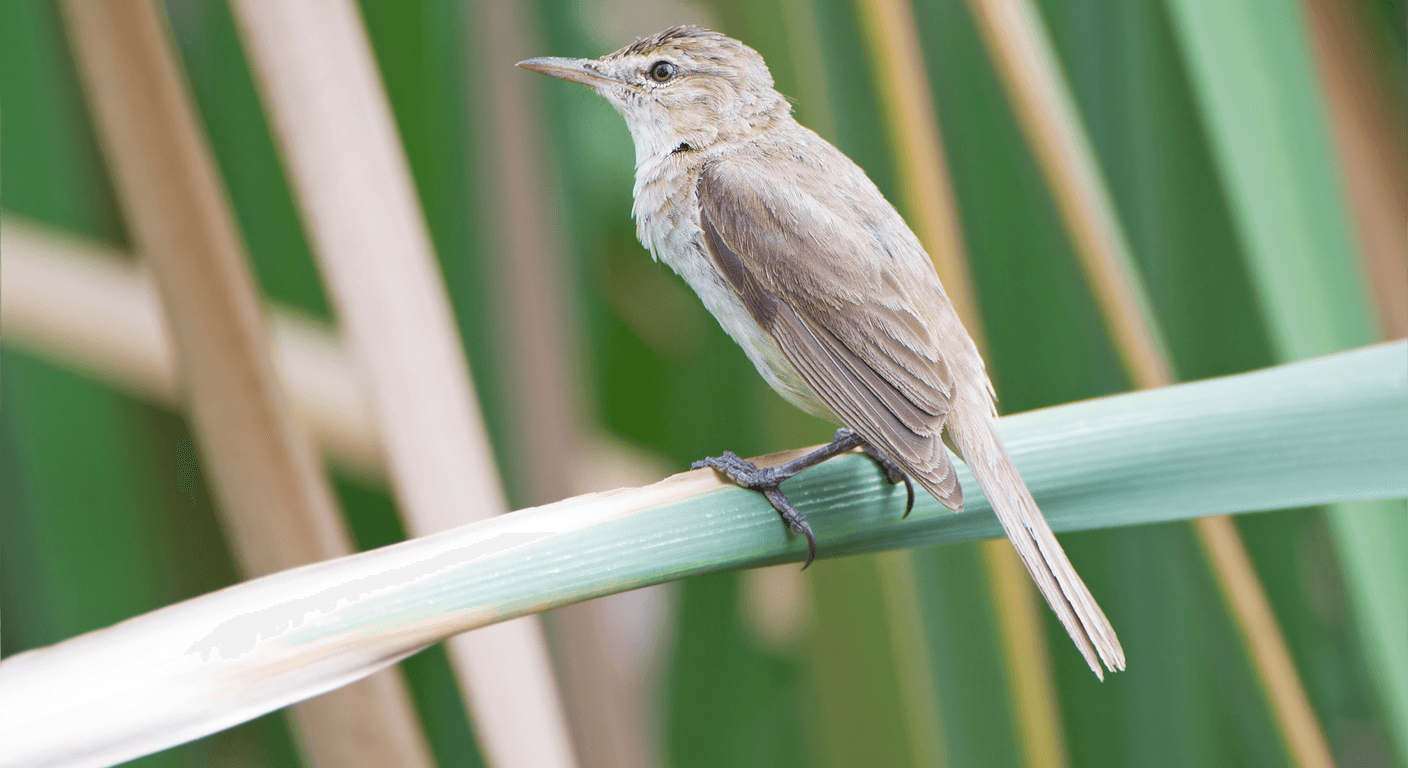
The wetlands are recognised as one of the ACT's most productive bird habitats, partly because they sit on a migratory corridor and partly because the reed beds and open water offer the kind of layered habitat that attracts a wide range of species. Royal spoonbills and yellow-billed spoonbills are reliably present through much of the year. Latham's snipe arrive from Japan each spring and stay through summer — a remarkable journey that ends, of all places, ten minutes from a Canberra car park.
Swamp harriers hunt low over the reeds in cooler months. Australasian bitterns, secretive at the best of times, have been recorded here with some regularity — enough that patient observers occasionally strike lucky. Waterfowl are abundant: Pacific black ducks, hardheads, Australasian grebes and, in season, blue-billed ducks. The surrounding grassland edges add flame robins, brown treecreepers and the occasional superb parrot. A checklist is available through BirdLife Australia's eBird database, which is worth scanning before you go so you know what's currently being reported.
Getting There: How Easy Is It from Central Canberra?
By car, the wetlands are roughly ten to fifteen minutes from the Parliamentary Triangle — take Morshead Drive or Dairy Road off Jerrabomberra Avenue and follow the signs to the car park off Dairy Road. Parking is free and generally easy on weekdays. On weekend mornings, the nearby Fyshwick Markets draw their own crowd, so arriving before nine keeps things calm.
Without a car, the options require a little planning. The ACTION bus network covers Fyshwick — Transport Canberra's journey planner at transport.act.gov.au will show the current best route from your accommodation. A rideshare or taxi from the city centre costs roughly $15–$20 each way, indicative only — confirm current fares. For grey nomads already camped at one of Canberra's caravan parks in the Fyshwick or Queanbeyan area, the wetlands are practically on the doorstep.
Making the Most of the Morning: Timing and Pacing
Arrive early. That's the one consistent piece of advice from regular visitors, and it holds. The hour after sunrise sees the most activity at the hides — birds feeding, harriers on the move, the light low and warm across the reed beds. By mid-morning, foot traffic increases and the birdlife settles into its quieter middle-of-the-day rhythm. In summer, an early start also spares you the heat; Canberra's January and February can be sharper than visitors from Melbourne or Sydney expect.
The main loop takes most walkers somewhere between forty-five minutes and ninety, depending on how long you linger at the hides. There are two principal hides: one overlooking the main open water area, one positioned toward the reed beds. Neither requires any scrambling or uneven terrain to reach. Bring binoculars — good ones make the difference between seeing a brown shape in the reeds and identifying a bittern. A compact field guide to Australian birds is worth tucking into a bag; the Michael Morcombe guide is widely regarded as the standard reference.
Wear layers in autumn and winter. Canberra's mornings can be genuinely cold even when the afternoon turns mild, and standing still at a hide for twenty minutes in a July frost is a different experience from an afternoon stroll. Comfortable walking shoes are sufficient — no boots required. There's no café on site, so bring water and perhaps something to eat if you're heading out before the Fyshwick Markets open.
Pairing the Wetlands with Fyshwick Markets: A Natural Double
The Fyshwick Fresh Food Markets, roughly five minutes by car from the wetlands, open on Fridays, Saturdays and Sundays. They're a working produce market — not a curated artisan experience — with stalls selling seasonal fruit and vegetables, smallgoods, bread and prepared foods. For a couple who've been up since dawn watching spoonbills, the prospect of a coffee and a decent pastry at around nine in the morning is straightforwardly appealing.
The market draws a broad crowd, which means it's lively but rarely overwhelming. The food hall section has seating, and several stalls offer hot food including Indian-inspired dishes, which reflects Canberra's genuinely diverse food culture. Prices are market-level rather than restaurant-level — a reasonable lunch for two comes in well under $50, though confirm current prices at the market. It's the kind of place where you spend an hour browsing without quite meaning to, then leave with more stonefruit than you planned.
Combining the Wetlands with Canberra's Broader Cultural Calendar
For travellers staying in Canberra for two or three nights — a sensible pace for the capital — the wetlands fit naturally into a broader itinerary that includes the National Gallery of Australia, the National Museum of Australia, or the Australian War Memorial. All are free or low-cost, all are manageable for travellers who prefer not to walk ten kilometres a day. The wetlands offer a counterpoint to the formal institutions: quieter, slower, and entirely unscheduled.
The NGA's permanent collection and regular major exhibitions are worth building a morning around — the gallery's website at nga.gov.au carries the current exhibition calendar. The National Museum at nma.gov.au runs strong programming around Australian social history, which tends to resonate with travellers who lived through some of it. The combination of a wetlands morning and an afternoon gallery visit makes for a full, varied day without being exhausting — exactly the kind of pacing that makes a Canberra stay memorable rather than merely efficient.
Practical Notes for Visiting Jerrabomberra Wetlands
The wetlands are open year-round and entry is free. There are no facilities on site — no café, no toilet block within the reserve itself — so plan accordingly. The nearest public toilets are at the Fyshwick Markets or back in the Fyshwick commercial area. Dogs are not permitted in the reserve, which keeps the bird activity undisturbed and is worth knowing if you're travelling with a pet.
The paths are generally well-maintained, but conditions after heavy rain can make some sections soft. Parks ACT manages the reserve; their contact details are available at environment.act.gov.au. For the most current bird sightings, the eBird Australia database (ebird.org/australia) allows you to search recent observations at Jerrabomberra Wetlands specifically — a useful tool for knowing what's been spotted in the past week before you make the drive.
Travel insurance is worth reviewing if you're visiting Canberra as part of a longer trip, particularly for travellers managing pre-existing health conditions. Most comprehensive Australian policies cover domestic travel; check the specifics of your policy rather than assuming. For interstate visitors driving the Hume or Federal Highway, note that Canberra's winter road conditions can include frost and occasional ice on elevated sections — the ACT government's road conditions page is the reliable reference.
Quick planning guide
| Ideal pace | Slow and unhurried, with time to linger at the hides |
|---|---|
| Best months | Open year-round; spring and summer bring migratory Latham's snipe |
| Suggested stay | About an hour, up to 90 minutes for the full loop |
| Mobility level | Easy – flat gravel and boardwalk paths with benches at each hide |
| Cost level | Free |
| Comfort level | Comfortable, but no cafe or toilets on site |
| Best for | Birdwatchers and travellers wanting a quiet, low-effort morning outing |
| Main planning consideration | Arrive at or just after sunrise for best bird activity, and dress in layers for cold Canberra mornings |
Key takeaways
- Jerrabomberra Wetlands is free, flat and ten minutes from Parliament House — one of Canberra's most accessible nature experiences.
- Arrive at or just after sunrise for the best birdlife; activity drops noticeably by mid-morning.
- Latham's snipe migrate here from Japan each spring — one of the more remarkable wildlife facts attached to a suburban Canberra car park.
- The main loop takes roughly an hour on level gravel and boardwalk, with benches at each hide.
- Pair the wetlands with the Fyshwick Fresh Food Markets, a five-minute drive away and open Friday to Sunday.
- There are no on-site facilities — bring water, dress in layers for cool mornings, and plan a café stop at the markets afterwards.
Recommended partners and links
Indicative prices only — always confirm with the operator before booking.
Frequently asked questions
Is Jerrabomberra Wetlands suitable for travellers with limited mobility?
Yes, generally. The main loop follows level gravel paths and boardwalk with benches at each bird hide, making it suitable for most walkers and reasonably accessible for those using mobility aids. Confirm current path conditions with Parks ACT at environment.act.gov.au before visiting, particularly after wet weather.
What is the best time of day to visit Jerrabomberra Wetlands for birdwatching?
Early morning — ideally the hour after sunrise — is consistently the most productive time. Birds are actively feeding, the light is better for observation, and foot traffic is minimal. By mid-morning, activity settles and the experience becomes quieter.
Does it cost anything to enter Jerrabomberra Wetlands?
No. Entry to Jerrabomberra Wetlands is free. There is also free car parking at the Dairy Road entrance. The only costs on the day are transport to and from the reserve, and any food or drink you choose to have at the nearby Fyshwick Markets.
How do I get to Jerrabomberra Wetlands without a car?
The ACTION bus network serves Fyshwick — use the journey planner at transport.act.gov.au to find the current best route from your accommodation. A rideshare or taxi from central Canberra costs roughly $15–$20 each way, indicative only; confirm current fares. The reserve is not easily walkable from the city centre.
What should I bring to Jerrabomberra Wetlands?
Bring binoculars, a field guide to Australian birds if you have one, water, and layered clothing — Canberra mornings can be sharply cold even in autumn and spring. There are no toilets or café facilities within the reserve itself, so plan a stop at the Fyshwick Markets or nearby Fyshwick commercial area for refreshments.