Karlu Karlu / Devils Marbles lies 105 kilometres south of Tennant Creek on the Stuart Highway, its huge balancing granite boulders glowing red at sunrise and sunset. Best visited in the dry season (May–September), it suits an overnight stop or day visit on an Adelaide-to-Darwin drive. The 1.5-kilometre loop is easy for most older travellers, though the site is remote, service-free, and reached only by self-driven highway travel.
What makes Karlu Karlu worth a stop on the Stuart Highway?
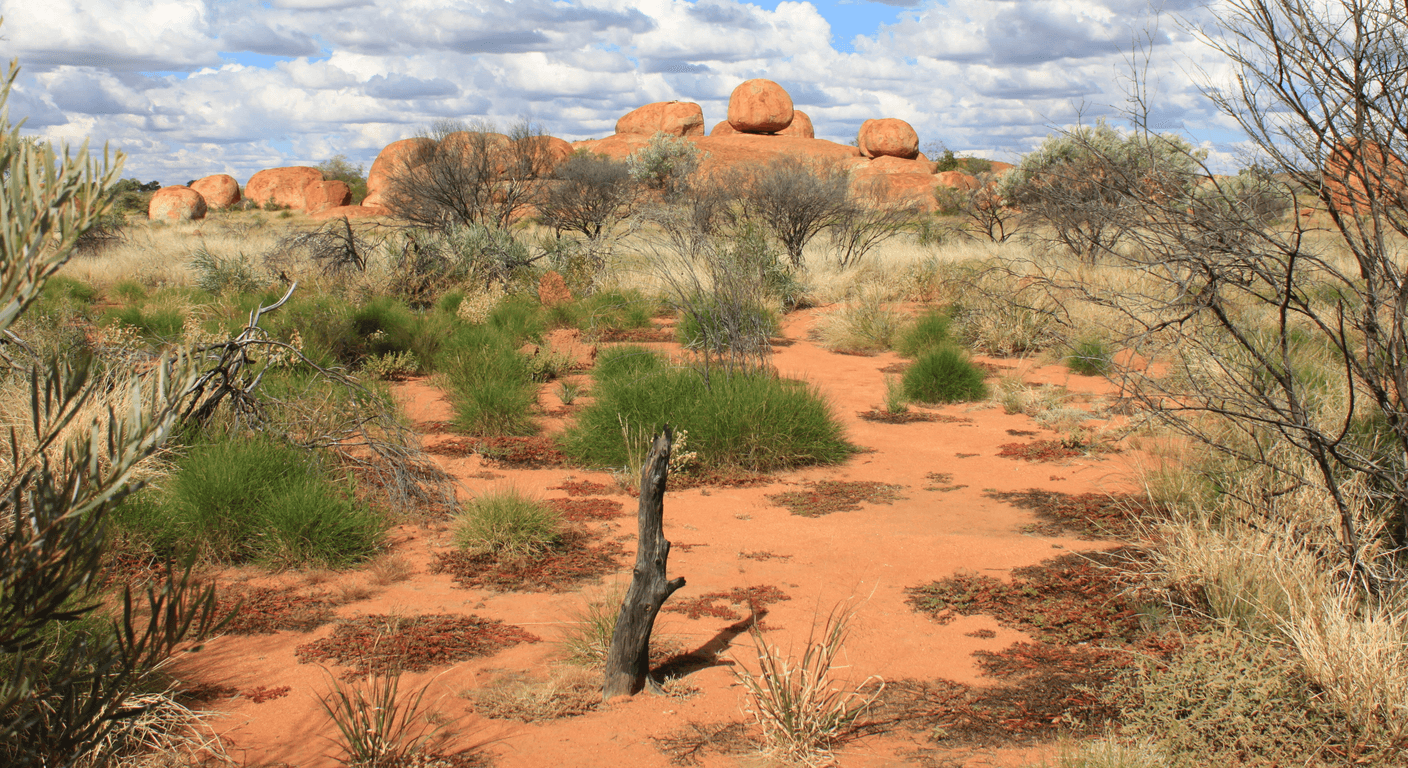
There is a particular quality to arriving at Karlu Karlu / Devils Marbles for the first time. You have been driving through flat, red-dirt country for hours, the horizon unchanging, and then these enormous granite spheres simply appear beside the highway — some balanced on thin pedestals, others stacked two or three high, others split cleanly down the middle as if someone took a blade to them. The effect is genuinely disorienting, and that is before you factor in the late-afternoon light.
For Kaytetye, Warumungu, Alyawarre and Warlpiri peoples, Karlu Karlu is a deeply sacred place. The boulders are understood as the eggs of the Rainbow Serpent, and the site carries spiritual significance that predates European settlement by tens of thousands of years. Visiting with that knowledge changes how you move through it — there is a quietness most travellers naturally adopt. Stick to the marked paths, do not climb the boulders, and follow any signage about restricted areas.
The reserve sits 105 kilometres south of Tennant Creek and roughly 393 kilometres north of Alice Springs, directly beside the Stuart Highway. It is a logical overnight or lunch stop on the Adelaide-to-Darwin drive, and for a group of women doing that journey together, it tends to become one of those places you talk about for years afterwards.
What are the walking options, and are they suitable for older travellers?
The walking loops at Karlu Karlu are genuinely accessible for most older travellers with average mobility. The main loop — roughly 1.5 kilometres — starts directly from the car park and winds among the boulders on a mostly flat, compacted-gravel path. There are interpretive signs along the way that explain the geology and the cultural significance of specific formations. Allow around 45 minutes to walk at a relaxed pace, longer if you want to sit with the light.
A shorter loop of under a kilometre suits anyone who finds longer distances uncomfortable or who is managing joint issues. Both loops are on relatively even ground, though sections are on natural sand and rock, so supportive footwear with a grip sole is sensible — sandals are not ideal. There are no handrails along the boulders themselves, and some paths run close to rock edges, so take your time and watch your footing.
The site has a small shelter and toilets at the car park — basic facilities, but functional. There is no café, no kiosk, no mobile phone coverage to speak of, and no ranger station staffed on a predictable schedule. What you see is largely what the landscape has always been. That simplicity is part of the appeal, though it does require some preparation.
When is the best time to visit — and why does sunset matter so much here?
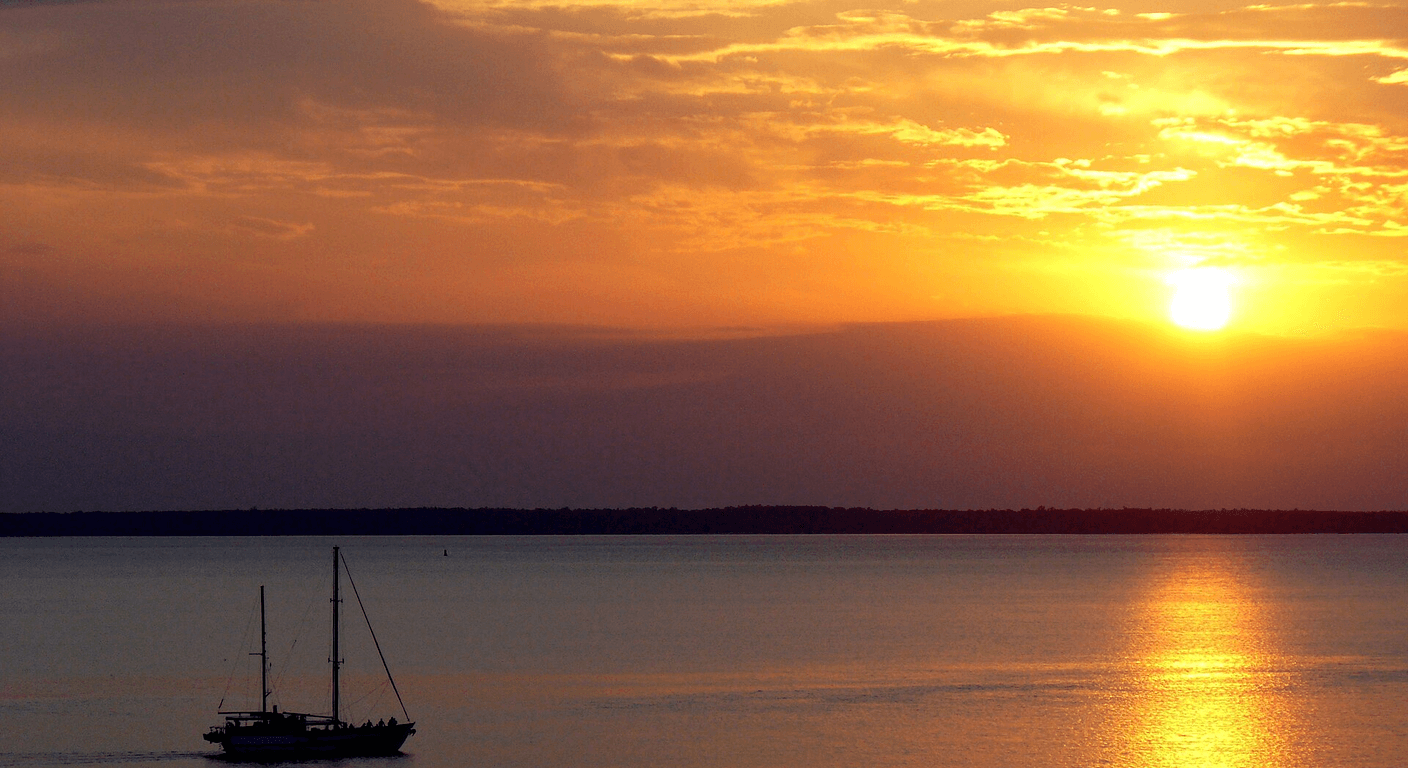
The boulders shift colour through the day in the way that makes photographers and non-photographers alike reach for their phones. In midday light they are a warm orange-grey. At sunrise and sunset, particularly in the dry season (roughly May to September), they go a deep, saturated red-orange that is hard to describe without resorting to the kind of language this guide tries to avoid. Let's say: the light does something genuinely unusual here, and arriving in the last hour before sunset is worth organising your day around.
The dry season — May through September — is the most comfortable time to visit. Daytime temperatures in that period are typically in the low-to-mid twenties, with cool nights. The wet season (October through April) brings heat well above 35 degrees, afternoon storms, and occasionally flooded roads. For a group travelling together and wanting to walk comfortably, the May-to-August window is the practical sweet spot.
If your group is camping overnight, a sunrise walk is just as rewarding as the sunset one, and you will likely have the place largely to yourselves in the early morning. The campground is metres from the main viewing and walking area, so there is no distance to cover before the light arrives.
What is the campground like, and is it suitable for a group of women travelling together?
The Karlu Karlu campground is basic by any measure — unpowered sites, pit toilets, and no showers. There is no dump point, no camp kitchen, and no powered sites. That said, the setting is unlike almost anything else in Australia: you camp among the boulders themselves, and the silence after the day visitors leave is considerable. For a group of friends who are comfortable with self-contained camping, it is a genuinely memorable night.
Camping fees are indicative at around $10 to $15 per person per night, but these arrangements operate under Northern Land Council frameworks and should be confirmed directly with NT Parks before you arrive — fees and booking processes can change. As of the time of writing, there is no online booking system; camping is generally self-registration on arrival, but check current NT Parks advice for the most up-to-date arrangements.
For women travelling as a group, the site feels safe and relatively well-used by other road trippers during peak season, though it is never crowded in the resort sense. Caravans and campervans are common. If your group prefers a powered site and a hot shower, Tennant Creek is 105 kilometres north and has motel and caravan park options — a reasonable trade-off if you would rather day-trip to Karlu Karlu and return for the night.
How do you prepare for a remote stop with no services nearby?
The honest reality of Karlu Karlu is that there is nothing between the reserve and Tennant Creek to the north, and nothing meaningful for a similar distance to the south toward Wauchope and Wycliffe Well. Fuel, water, food, any medical need — all of it requires at least 100 kilometres of driving to resolve. This is not a reason to skip the place; it is simply a reason to arrive properly prepared.
Fuel up in Tennant Creek before heading south, or at Wauchope Roadhouse if you are coming from the south — confirm operating hours before you rely on it. Carry more drinking water than you think you need; in the dry season the air is very dry and dehydration sneaks up on you, particularly if you are walking in the afternoon sun. A minimum of three litres per person for a half-day visit is a reasonable starting point, more if temperatures are high.
A basic first aid kit, a charged personal locator beacon (PLB), and a fully inflated spare tyre are sensible on any remote NT drive. Mobile coverage at the site is unreliable to non-existent with most carriers — do not assume you can call for help. Let someone know your itinerary before you leave Tennant Creek or Alice Springs, and stick to it. These precautions sound serious, but they are simply standard practice for remote Australian travel and should not discourage anyone from making the trip.
How does Karlu Karlu fit into a broader Adelaide-to-Darwin itinerary for older travellers?
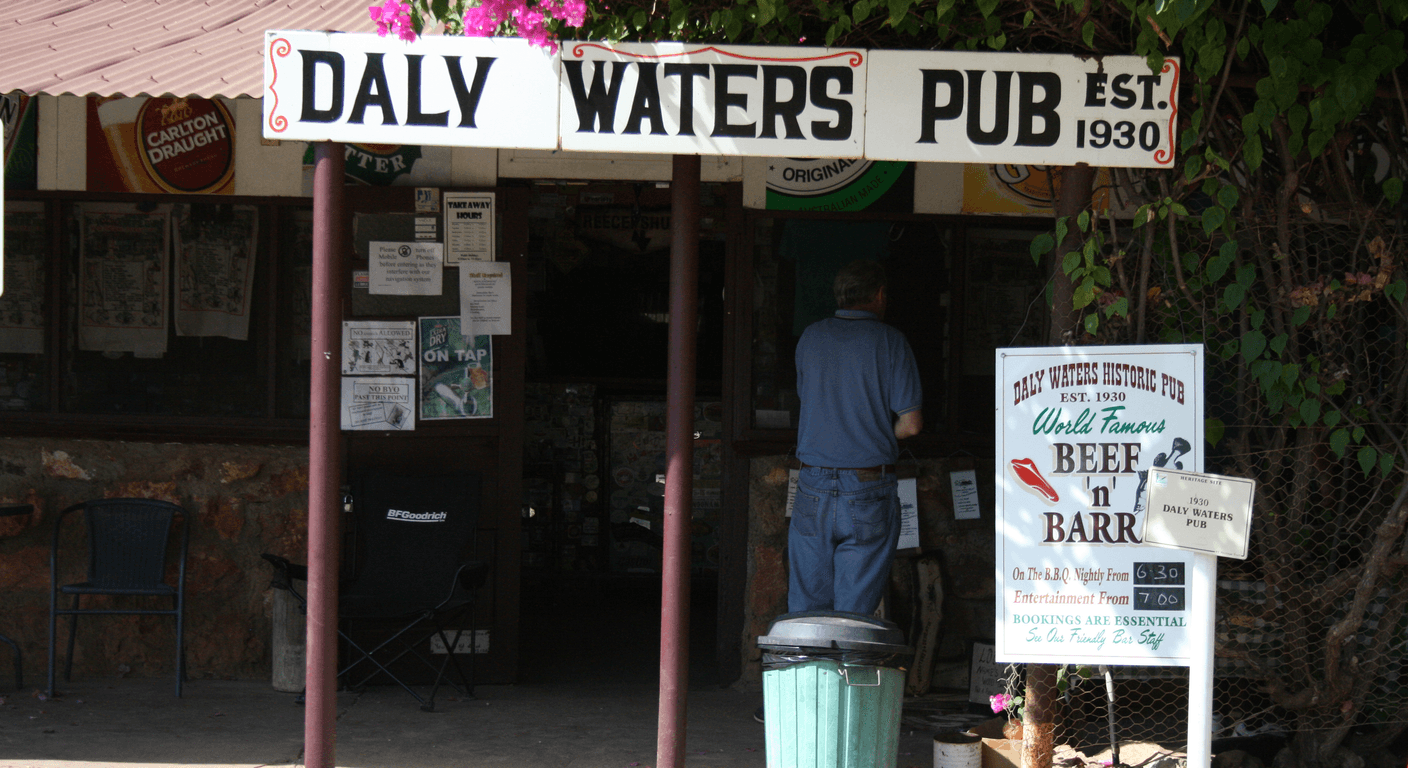
The Stuart Highway drive from Adelaide to Darwin covers roughly 3,000 kilometres and is one of Australia's great long-haul road journeys. For a group doing it in two to three weeks, Karlu Karlu sits naturally in the Northern Territory section, typically on the leg between Alice Springs and Darwin. Most travellers break that leg into at least two or three days, stopping at Tennant Creek, Daly Waters, Katherine and other points of interest.
A reasonable itinerary for older travellers might include two nights in Alice Springs (enough time for the cultural precinct, the Telegraph Station, and a rest day), a night at Karlu Karlu or in Tennant Creek, a night at Daly Waters or Mataranka for the thermal pools, and then Katherine before the final stretch to Darwin. That pacing avoids long driving days above five or six hours, which matters more than most people anticipate after a week on the road.
For a group of women travelling together, the social dynamic of a road trip like this tends to find its rhythm by the time you reach the Northern Territory. You have sorted who drives which legs, who navigates, who handles the camp kitchen. Karlu Karlu, arriving roughly mid-journey, often becomes a natural pause point — a place to sit with a cup of tea and acknowledge that you are doing something genuinely worthwhile.
What should you know about the cultural significance before you visit?
Karlu Karlu is a registered sacred site under the Northern Territory Aboriginal Sacred Sites Act. The name comes from the Kaytetye language, and the site is central to the Dreaming stories of several language groups whose country intersects here. Visiting with genuine respect means following all signage, not touching or climbing the boulders, keeping voices low in areas marked as particularly significant, and not removing any rocks or plant material.
Photography is generally permitted in open areas of the reserve, but pay attention to any signs that indicate photography restrictions — these exist in some parts of the site. Drone use is not permitted in NT Parks reserves without specific authorisation. If you are travelling with someone who wants to do extensive photography, check current NT Parks guidelines before arrival.
The NT Parks website and the Northern Land Council both carry information about the cultural context of the site. Taking a few minutes to read about the Dreamtime stories associated with Karlu Karlu before you arrive gives the visit a dimension it would otherwise lack. It is the kind of place where knowing something of the history makes you stand differently among the rocks.
Quick planning guide
| Ideal pace | Slow-paced, unhurried walk with time to linger for the light |
|---|---|
| Best months | May to September (dry season, cooler days, clearer sunsets) |
| Suggested stay | One night camping, or a half-day/lunch stop en route |
| Mobility level | Easy on the main gravel loop, with some uneven and sandy sections and no handrails |
| Cost level | Budget-friendly (basic campground fees around $10–$15 per person per night) |
| Comfort level | Basic — unpowered camping, pit toilets, no showers or shops |
| Best for | Self-sufficient road trippers and groups of older travellers doing the Adelaide-to-Darwin route |
| Main planning consideration | No fuel, water, food or mobile coverage nearby — arrive fully prepared and confirm current camping arrangements with NT Parks |
Key takeaways
- Karlu Karlu / Devils Marbles sits 105 kilometres south of Tennant Creek on the Stuart Highway — a natural stop on any Adelaide-to-Darwin drive.
- The main walking loop is roughly 1.5 kilometres on mostly flat, compacted-gravel track — manageable for most older travellers with average mobility.
- Sunrise and sunset in the dry season (May to September) produce the deep red light the site is known for; plan your arrival time accordingly.
- There are no services at the reserve — arrive with full fuel, at least three litres of water per person, a first aid kit, and a charged PLB.
- The basic campground operates for a small indicative fee (around $10–$15 per person per night); confirm current arrangements with NT Parks before arrival.
- Karlu Karlu is a sacred site for Kaytetye, Warumungu, Alyawarre and Warlpiri peoples — stay on marked paths, do not climb the boulders, and follow all signage.
Recommended partners and links
Indicative prices only — always confirm with the operator before booking.
Frequently asked questions
Is Karlu Karlu / Devils Marbles suitable for seniors with limited mobility?
The main walking loop at Karlu Karlu is mostly flat and on compacted gravel, making it accessible for many older travellers with average mobility. A shorter loop of under a kilometre is available for those who find longer distances difficult. Some sections cross natural sand and rock, so supportive footwear with grip soles is recommended. There are no powered mobility aids or paved paths throughout the full site, so travellers with significant mobility limitations should assess the terrain carefully using current NT Parks information before visiting.
Do you need to book the Karlu Karlu campground in advance?
As of current NT Parks information, the Karlu Karlu campground generally operates on a self-registration basis on arrival rather than advance booking. However, arrangements under the Northern Land Council framework can change, and it is always worth confirming current procedures directly with NT Parks before you travel. The NT Parks website at nt.gov.au is the most reliable source for up-to-date camping information.
What is the best time of year to visit Karlu Karlu?
The dry season — roughly May through September — is the most comfortable and practical time to visit Karlu Karlu. Daytime temperatures are typically in the low-to-mid twenties, roads are reliable, and the low-angle light in those months produces the deep red colouring the boulders are known for at sunrise and sunset. The wet season (October to April) brings extreme heat, afternoon storms, and occasional road closures.
How far is Karlu Karlu from the nearest fuel and services?
Karlu Karlu / Devils Marbles Conservation Reserve has no fuel, food, water or medical services on site. Tennant Creek, approximately 105 kilometres to the north, is the nearest town with full services including fuel, supermarkets, accommodation, and medical facilities. The Wauchope Roadhouse to the south is a closer option for fuel if travelling from Alice Springs, but confirm its current operating hours before relying on it.
Can you visit Karlu Karlu as a day trip from Tennant Creek?
Yes, Karlu Karlu is a straightforward day trip from Tennant Creek — the drive takes around an hour each way on the sealed Stuart Highway. This suits travellers who prefer a motel or powered caravan park base in Tennant Creek rather than camping on site. Aim to arrive at Karlu Karlu in the late afternoon to catch the sunset light on the boulders, then return to Tennant Creek for the night.