Khancoban, on the western edge of Kosciuszko National Park, sits eight kilometres from the free Murray 1 Power Station Lookout, best visited in October–November or March–April when the Alpine Way is clear. Allow a full day from Albury, or two days with an overnight stop. The lookout itself is easy, reached via firm, level ground, though the mountain drive demands a confident, attentive driver rather than physical effort.
Why Khancoban rewards the effort
There's a particular satisfaction in arriving somewhere that hasn't been smoothed out for tourists. Khancoban — population modest, infrastructure functional — sits on the western fringe of Kosciuszko National Park, connected to the world by the Alpine Way and not much else. That's not a criticism. It's the point. The road in from Albury along the Murray Valley Highway and then up through the ranges is genuinely beautiful, and the township itself feels like a place that exists for its own reasons rather than yours.
The town was built to house workers on the original Snowy Mountains Hydro-electric Scheme in the 1960s — one of the most ambitious engineering projects in Australian history. That history is tangible here in a way it isn't in the larger tourism centres. The streets have a considered, mid-century order to them, and the surrounding landscape carries the quiet authority of mountains that predate all of it by considerably longer.
For travellers from Victoria — particularly those based in Melbourne or along the Hume corridor — Khancoban represents a genuine alternative to the Jindabyne and Thredbo approach to the Snowies. The western side of the range is less trafficked, less developed and, in the right season, genuinely lovely.
Getting there: the Alpine Way and what to expect on the road
From Melbourne, the most practical route runs north on the Hume Highway to Albury, then east along the Murray Valley Highway through Corryong before crossing into NSW and continuing to Khancoban. That's roughly five to six hours of driving — longer than it sounds on a map, because the final section climbs and winds through mountain country that doesn't reward impatience. An overnight stop in Albury or Wodonga is a sound idea, particularly if you prefer not to arrive tired.
From Albury alone, the drive is around 90 minutes to two hours depending on conditions. The road is sealed throughout, but the Alpine Way section demands genuine concentration — narrow in places, with tight bends and occasional steep grades. A confident driver in a standard vehicle handles it without drama. Anyone who finds mountain driving stressful, or who is unfamiliar with the road, should consider the conditions carefully before committing to it solo.
Check Live Traffic NSW (livetraffic.com) before you leave, particularly between June and September when the Alpine Way can close due to snow and ice. The sweet spots — October through November and March through April — offer clear roads, cooler temperatures and the kind of light that makes the valley look as if someone has adjusted the contrast.
The Murray 1 Power Station Lookout: what you'll find
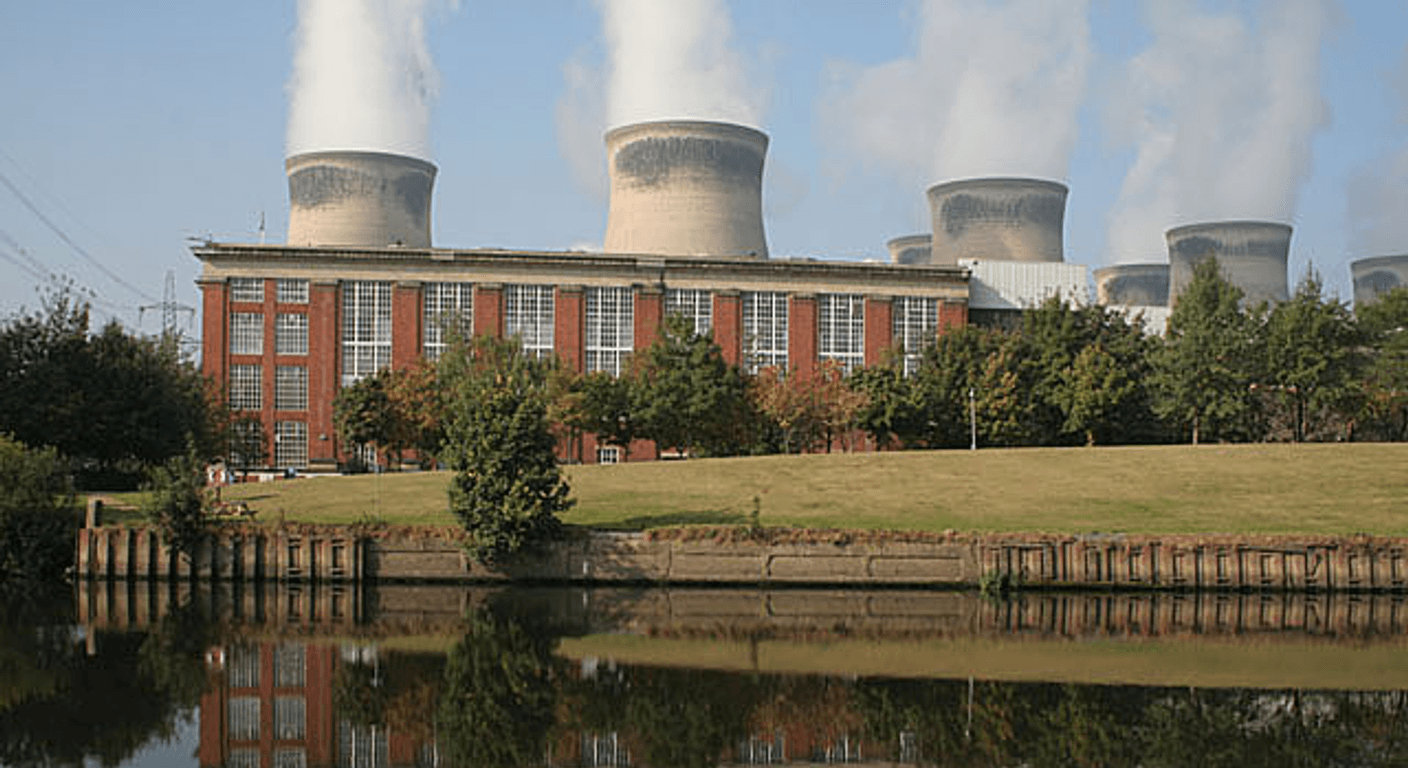
Eight kilometres along the road from Khancoban — in the direction of Dead Horse Gap and Thredbo — a marked turnoff leads to the Murray 1 Power Station Lookout. Entry is free, the approach road is sealed, and the viewing area itself is on firm, level ground suitable for most mobility levels. What you see from the lookout is the power station below in the valley, the long tailrace channel, and the surrounding ridgelines of the Snowy Mountains stretching away to the east.
Murray 1 is one of the major power stations of the original Snowy Scheme — an underground facility with the visible infrastructure at the surface giving only a partial hint at the scale of what lies beneath. The view from the lookout is composed rather than dramatic: a man-made landscape that has settled into its mountain setting over sixty years. For anyone with an interest in Australian engineering history, or simply in landscapes that carry genuine human effort, it's a quietly compelling scene.
There are no formal tours of the station itself from this lookout — for those, Snowy Hydro runs experiences from Cooma via the Discovery Centre, which is worth confirming in advance. The lookout is a self-guided stop. Bring binoculars if you have them; the detail at distance rewards a closer look.
Fuel, food and supplies: the honest logistics
This is not a destination where you improvise. Khancoban has a small general store and limited fuel availability — confirm current trading hours before you rely on it, because a closed bowser eighty kilometres from Albury concentrates the mind considerably. The practical rule is to fill the tank in Albury or Corryong and carry water and food for the day. Do not assume.
Dining options in Khancoban are limited. The town has a pub — the Khancoban Alpine Inn — which has historically served meals, but hours and availability vary by season. Confirming ahead is strongly advised. A self-catered picnic, assembled in Albury the morning of your departure, is not a fallback; for many travellers it becomes the preferred option once they've sat at a table in the valley with a view that a restaurant couldn't replicate.
Mobile phone coverage in the area is patchy. Download offline maps before you leave — Google Maps and Maps.me both allow this — and let someone know your itinerary. None of this is alarming; it's simply the honest arithmetic of remote mountain travel, and being prepared for it is what makes the day pleasant rather than anxious.
What else is worth your time in and around Khancoban
The Khancoban Pondage — a calm, shallow reservoir on the edge of town — is a pleasant spot to stretch your legs before or after the lookout drive. It's flat, quiet and often populated by waterbirds. Not a grand attraction, but the kind of place that feels genuinely restful after a long drive.
The Alpine Way itself, continuing east beyond the lookout toward Thredbo and eventually Jindabyne, is one of the great mountain drives in New South Wales. If you're confident on the road and conditions are good, driving even a section further into the range before turning back adds considerably to the day. Tom Groggin and the Murray River crossing further along are particularly satisfying. Confirm road conditions before committing to the full route.
For those interested in the broader Snowy Scheme story, the Snowy Hydro Discovery Centre in Cooma — roughly two hours north and east — offers a more structured account of the engineering history. It makes a logical pairing if you're spending two or more days in the region, approaching Khancoban from a different direction on the return.
Pacing the day for travellers over 50
The mountain driving is the main physical consideration here — not strenuous in the traditional sense, but mentally demanding. Two or three hours at the wheel on winding roads is enough for most people, and the Albury-to-Khancoban-and-back loop sits right at that threshold for a day trip. An early start — on the road by eight — means you arrive in good morning light, avoid any afternoon heat in summer, and have time to sit with the view rather than rushing it.
The lookout itself requires minimal physical effort. The short walk from the parking area to the viewing platform is on sealed or firm ground, and there's space to stand comfortably. Anyone who manages a gentle walk without difficulty will manage this without any issue. The challenge of the day is the drive, not the destination.
For those who find long drives taxing, the overnight option in Albury is genuinely the better choice. Albury has excellent accommodation across all price points, good restaurants and a relaxed pace — it's not a concession to split the journey there; it's simply a more comfortable way to do it, and it means you arrive at Khancoban fresh rather than fatigued.
Planning your visit: the practical checklist
The Alpine Way is open to standard vehicles in spring, summer and autumn, but conditions can change quickly in the mountains. Check Live Traffic NSW (livetraffic.com) the morning of your trip and again the evening before. A Kosciuszko National Park vehicle entry fee applies when you enter the park boundary — confirm current rates with NSW National Parks before you go, as these are updated periodically.
Travel insurance that covers pre-existing conditions is straightforward to arrange for domestic travel and worth having in a remote area. Carry a first aid kit, more water than you think you'll need, and a paper map as a backup — not because the digital ones fail, but because the habit of knowing where you are without relying on a signal is simply good practice in the mountains.
The best single piece of advice for this trip: don't rush it. The Alpine Way is not a road that rewards hurrying, and the lookout is not a place that rewards a two-minute stop. Give yourself the morning, take the corners at a pace that feels comfortable, and let the valley do what it does.
Quick planning guide
| Ideal pace | Slow-paced and unhurried |
|---|---|
| Best months | October–November and March–April, when the Alpine Way is clear |
| Suggested stay | Day trip from Albury, or two days with an overnight stop |
| Mobility level | Easy at the lookout (firm, level ground); the drive itself is the main effort |
| Cost level | Budget-friendly — free lookout entry, plus fuel and a national park vehicle fee |
| Comfort level | Basic — limited food and fuel locally, so self-sufficiency is needed |
| Best for | Travellers who enjoy quiet roads, honest landscapes and Snowy Scheme history |
| Main planning consideration | Confident mountain driving and checking Live Traffic NSW and fuel availability before departure |
Key takeaways
- The Murray 1 Power Station Lookout is free, eight kilometres from Khancoban along the sealed Alpine Way, and accessible on firm ground for most mobility levels.
- Fuel up in Albury or Corryong before arrival — do not rely on finding a bowser open in Khancoban.
- The Alpine Way demands a confident, attentive driver; check Live Traffic NSW for conditions before departing, especially outside summer.
- Spring (October–November) and autumn (March–April) are the most reliable seasons — the road is clear, the light is good and the valley shows its best colours.
- A Kosciuszko National Park vehicle entry fee applies; confirm the current rate with NSW National Parks before you go.
- From Melbourne, an overnight stop in Albury converts a long, tiring day trip into a comfortable two-day itinerary.
Recommended partners and links
Indicative prices only — always confirm with the operator before booking.
Frequently asked questions
Is the Murray 1 Power Station Lookout free to visit?
Yes, the lookout itself is free. However, a Kosciuszko National Park vehicle entry fee applies when you drive through the park boundary on the Alpine Way. Confirm the current fee with NSW National Parks before your visit, as rates are updated periodically.
Can you tour inside the Murray 1 Power Station?
The roadside lookout is a self-guided viewing point only — there are no public tours of the station interior from that location. Snowy Hydro operates guided experiences from its Discovery Centre in Cooma; confirm current tour availability and bookings directly with Snowy Hydro before planning your trip around it.
Is the Alpine Way suitable for standard cars, or do you need a four-wheel drive?
The Alpine Way between Khancoban and Thredbo is sealed and suitable for standard two-wheel-drive vehicles in good weather. It is not suitable in snow or ice, and sections close during winter. Always check Live Traffic NSW (livetraffic.com) before departing for current conditions.
How far is Khancoban from Albury, and how long does the drive take?
Khancoban is roughly 90 to 100 kilometres from Albury by road, via the Murray Valley Highway. Allow at least 90 minutes to two hours each way — the final mountain section is winding and should not be rushed, particularly for drivers unfamiliar with the road.
Is there mobile phone coverage at Khancoban and along the Alpine Way?
Coverage is limited and patchy throughout the Khancoban area and along the Alpine Way. Download offline maps before you leave, carry a paper map as a backup, and let someone know your planned itinerary and expected return time.