Walcha sits on the NSW Tablelands at around 1,000 metres, best visited September to May, with autumn through early summer ideal for a full Apsley Falls. A single day comfortably covers the free Sculpture Trail — more than 50 works across the flat town loop and Apsley River path — plus a pub lunch. Mobility is easy on sealed, level ground. Access is self-drive only, with no coach or rail service; Armidale (90km) and Tamworth (110km) are the nearest larger centres.
Why Walcha Works So Well for a Group Day Out
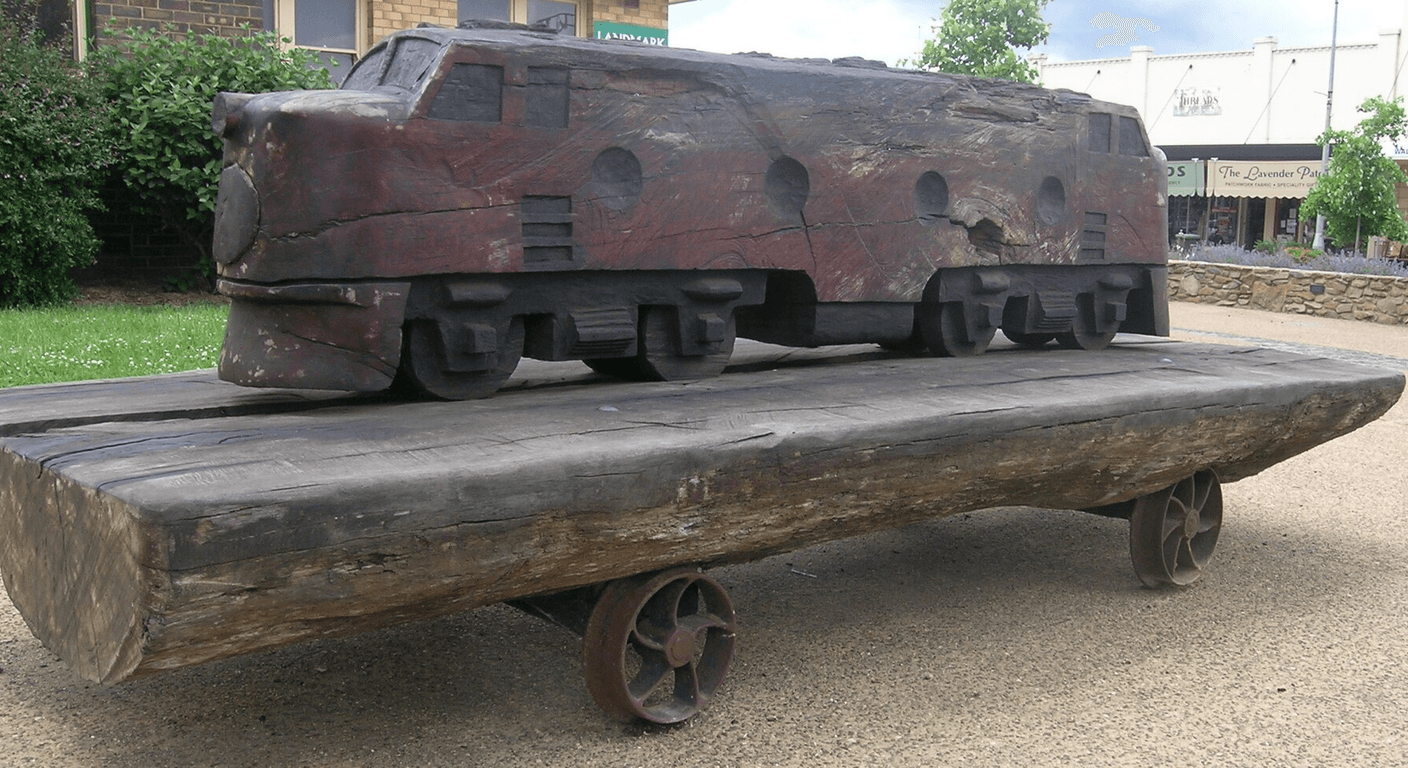
There's a particular pleasure in discovering that a town of roughly 2,000 people has quietly assembled one of the more serious public sculpture collections in regional New South Wales. Walcha's open-air gallery isn't a seasonal festival or a ticketed event — it's simply there, on the footpaths, in the parks, along the river. You turn a corner and find a bronze merino. You follow the river path and encounter something abstract in weathered steel. No entry fee, no crowds, no queue.
For a group of women travelling together, this format is ideal. Everyone moves at their own pace. One person lingers at a piece that catches her eye while another reads the interpretive plaque; a third has already walked ahead to the next work. The flat town loop means no one is left behind, and the whole circuit can be broken up with coffee or lunch without losing momentum.
The town itself is functional and unpretentious — a working wool and cattle community that happens to have excellent art. The locals are used to visitors who've come specifically for the sculptures, and they're quietly proud of it. That combination of genuine community life and genuine cultural ambition is rarer than it should be.
The Sculpture Trail: What to Expect on the Town Loop
The Walcha Sculpture Trail map is available from the visitor information point on Derby Street and downloadable from the Walcha Council website. Pick it up first — the works are spread across a wide area and the map makes the difference between a purposeful wander and a confused one. The main town loop covers the central streets and takes around two to three hours at a comfortable pace, including stops.
The sculptures span a broad range of styles and materials: cast bronze, fabricated steel, timber, stone. Some are figurative, some abstract, some quietly witty. The quality is consistently high because the programme has been selective over many years rather than accepting everything offered. A few works sit at eye level on plinths; others are large enough to walk around slowly. The interpretive signage is clear and gives the artist's name, origin and the story behind the commission — useful if you want to know what you're actually looking at.
Footpaths through the central loop are sealed and mostly flat, which makes the walk genuinely accessible for anyone comfortable on level ground. Sensible shoes rather than heels; layers rather than a light cardigan — at 1,000 metres, the tablelands air has an edge even on a sunny autumn afternoon. The loop connects naturally to the river path, so most visitors do both in a single outing.
The Apsley River Path: Sculptures Meet Actual Nature
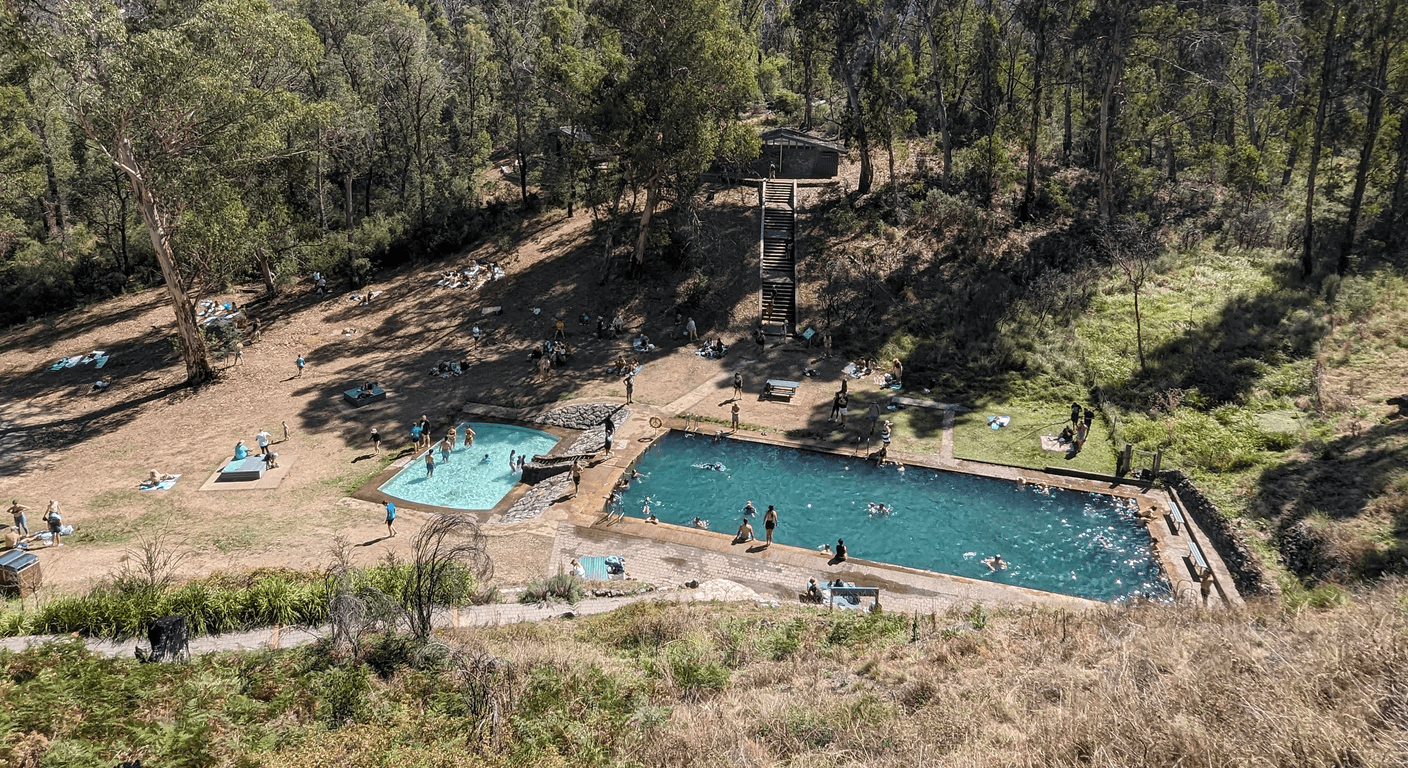
Follow Derby Street south to where it meets the Apsley River, and the trail shifts character. The riverbank path is quieter, shaded in parts, and the sculptures here sit in conversation with the landscape rather than the streetscape. A few works are positioned specifically to frame a view across the water. It's a different experience from the town loop — slower, more contemplative.
The path is well-maintained and largely flat, though there are some gentle undulations near the riverbank. It's worth going at least as far as the picnic area before turning back. The Apsley River itself is modest in scale — this is not a dramatic gorge — but the combination of running water, eucalypts and intermittent art gives the walk a genuinely restorative quality. Allow an additional 45 minutes to an hour on top of the town loop.
Lunch in Town: The Pub and the Bakery
Walcha's lunch options are straightforward and reliable, which suits a day trip perfectly. The Apsley Arms Hotel on Derby Street is the social centre of the town — a classic Australian country pub with a bistro that serves solid, well-priced meals. Parmigianas, steaks, roasts on the right day. The servings are generous and the beer is cold. It's the kind of place where the locals are having exactly the same lunch as you, which is generally a good sign.
The Walcha Bakery is the alternative for something lighter and faster — pies, sandwiches, filled rolls and house-made sweets. It's popular with locals and travellers alike, particularly in the morning for coffee and a pastry before the walk begins. Prices are country-town reasonable; confirm current hours before you go, as opening times in smaller towns can shift seasonally.
A practical note for groups: the pub bistro benefits from a booking on weekends and during school holidays, when Walcha attracts more visitors than its size might suggest. A quick phone call the morning before avoids the awkward wait.
Apsley Falls: Worth the Short Drive Out of Town
About 22 kilometres east of Walcha along the Oxley Highway, Apsley Falls sits within Oxley Wild Rivers National Park. The gorge here drops sharply — the Apsley River falls around 120 metres over two tiers into a narrow canyon of columnar basalt. It is genuinely dramatic in a way that the gentle town walk is not, and the contrast between the two experiences is part of what makes combining them worthwhile.
The main lookout is reached via a short walk from the car park — mostly flat, with fenced viewing platforms that make the outlook accessible without requiring any scrambling. There are additional lookout points that involve stairs, and these can be skipped without missing the essential view. The gorge is best seen when the river is running well, which is generally autumn through to early summer after winter and spring rainfall. In a dry year, the falls can reduce significantly; confirm current conditions with the NSW National Parks website before making it the centrepiece of your day.
The car park area has basic facilities. Allow around 45 minutes to an hour at the falls, which gives time to walk to each lookout point without rushing. Combined with the drive from Walcha, this adds a comfortable half-day to the itinerary — making it a full, satisfying day when paired with the morning sculpture walk and a pub lunch.
The Oxley Highway: Making the Drive Part of the Experience
The Oxley Highway between Walcha and Port Macquarie to the east is one of New South Wales' most scenic mountain roads — a winding descent from the tablelands through Werrikimbe National Park to the coast. It's not a road to rush, and it shouldn't be. The views across the escarpment are extensive and the road itself demands attention, but it rewards patience with eucalypt forest, occasional wildlife sightings and a genuine sense of crossing from one climatic world to another.
For travellers coming from regional Victoria, the more practical approach is via the New England Highway north through Tamworth or Armidale, then across to Walcha. This keeps the driving manageable and avoids the coastal highway altogether. The Oxley Highway westward from Walcha towards Coonabarabran is another option for grey nomads heading inland — flatter, faster, and a useful connector to the Newell Highway.
Check the Live Traffic NSW website before departing. The Oxley Highway can close or be subject to delays after heavy rain, and the escarpment section in particular needs care in wet conditions. That said, on a clear day in autumn or spring, it's the kind of drive that justifies the detour on its own terms.
Getting There and Staying Over
Walcha is a self-drive destination. There is no regular coach or rail service to the town, and the sculpture trail itself requires being in town rather than at a transport hub. From Armidale — the nearest larger centre, about 90 kilometres north — the drive takes around an hour on the New England Highway and Thunderbolts Way. From Tamworth, it's roughly 1 hour 45 minutes. From regional Victoria, a comfortable approach is an overnight stop in Tamworth or Armidale the night before, turning Walcha into a day trip on the way north rather than a solo long-haul drive.
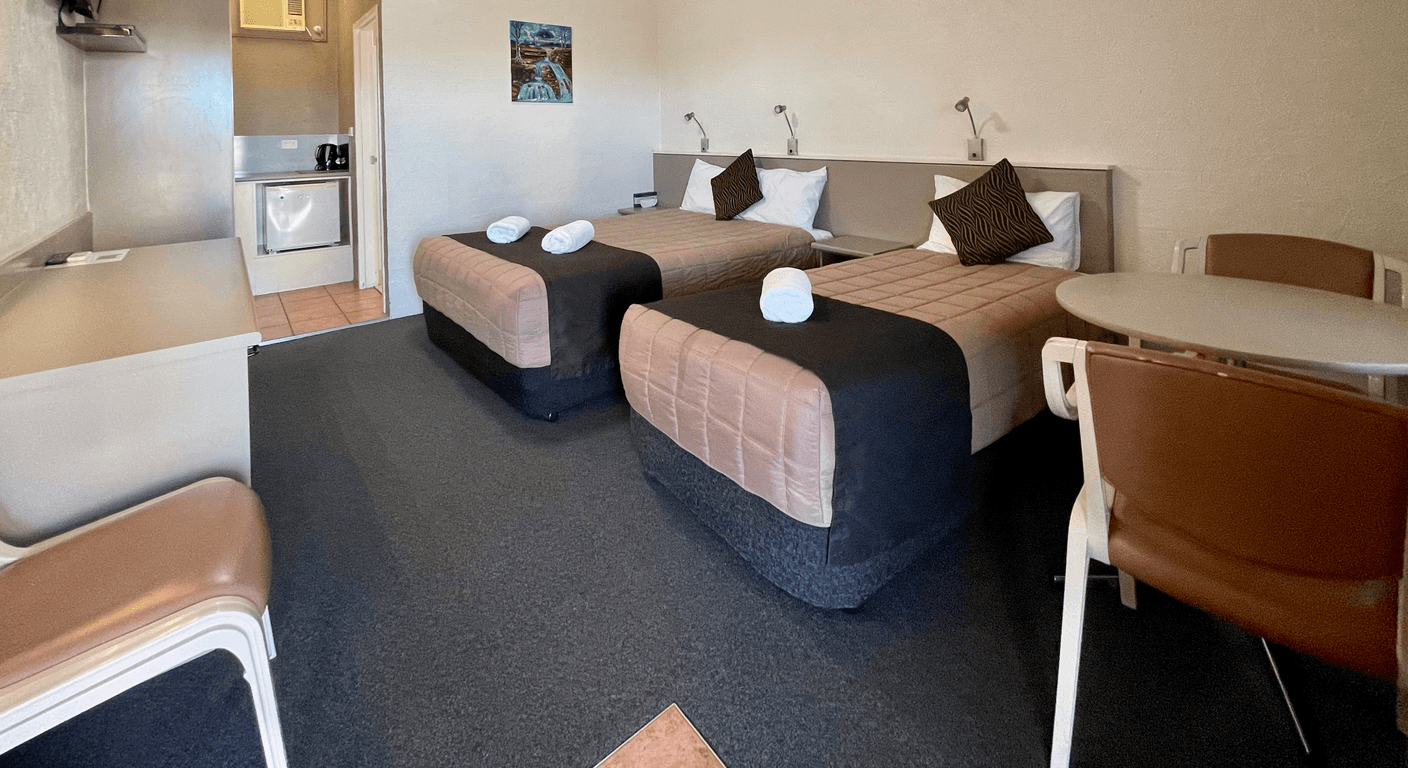
For those who want to stay in Walcha itself, the town has motel-style accommodation and a caravan park. Staying overnight allows a second morning on the sculpture trail — useful if the group wants to take it slowly — and avoids any pressure around the afternoon drive home. Walcha is genuinely quiet after dark, which some travellers will find restorative and others may find too quiet. It's worth knowing which camp you're in before booking two nights.
Travel insurance is worth a mention even for a domestic trip: anyone managing ongoing health conditions should confirm their policy covers regional travel and, specifically, any activities at the falls. Most standard Australian travel policies cover this without issue, but checking the product disclosure statement takes ten minutes and removes the uncertainty.
Quick planning guide
| Ideal pace | Relaxed, self-paced wandering with breaks for coffee or lunch |
|---|---|
| Best months | September to May, with autumn through early summer best for Apsley Falls |
| Suggested stay | Full day trip, or overnight in Walcha for a second slower morning |
| Mobility level | Easy — flat, sealed town loop and mostly flat river path; falls lookout accessible without stairs |
| Cost level | Budget-friendly — the sculpture trail is free, meals are country-town priced |
| Comfort level | Modest and functional — motel and caravan park options, basic facilities at the falls |
| Best for | Groups of friends who enjoy art, walking and a relaxed pub lunch |
| Main planning consideration | Self-drive only with no coach or rail access; check Live Traffic NSW and falls water levels before travelling |
Key takeaways
- Walcha's Sculpture Trail displays more than 50 permanent public artworks across the town streets and Apsley River path — all free to walk.
- The town loop is flat and accessible; the Apsley River path adds a quieter, nature-framed extension suitable for most fitness levels.
- Apsley Falls, 22 km east on the Oxley Highway, has fenced lookout platforms accessible without stairs, though stairs are needed for additional viewpoints.
- Walcha is a self-drive destination with no regular coach or rail access; nearest larger centres are Armidale (90 km) and Tamworth (110 km).
- September to May offers the most comfortable visiting conditions; the tablelands sit at around 1,000 metres and can be genuinely cold in mid-winter.
- Combining the sculpture trail, a pub lunch and Apsley Falls makes a full, well-paced day without requiring an early start or a rushed finish.
Recommended partners and links
Indicative prices only — always confirm with the operator before booking.
Frequently asked questions
Is the Walcha Sculpture Trail free to visit?
Yes. All sculptures on the Walcha Sculpture Trail are permanently installed on public land and free to view at any time. No ticket, booking or entry fee is required. Trail maps are available from the Walcha Council visitor information point and downloadable from walcha.nsw.gov.au.
Is the Walcha sculpture walk suitable for people with limited mobility?
The main town loop follows sealed, flat footpaths and is suitable for most people who are comfortable walking on level ground, including those using walking aids. The Apsley River path has some gentle undulations but is largely manageable. Apsley Falls has one accessible fenced lookout reachable without stairs; additional lookouts require steps and can be skipped.
How do you get to Walcha from regional Victoria?
Walcha is a self-drive destination. From regional Victoria, the most practical route is via the Hume Highway north to Sydney or north-west to Albury, then the New England Highway through Tamworth and Armidale, then south-east to Walcha on Thunderbolts Way. An overnight stop in Tamworth or Armidale is advisable rather than attempting the full distance in one day. There is no train or regular coach service to Walcha itself.
When is the best time to visit Walcha?
September to May is the most comfortable period. Walcha sits at roughly 1,000 metres above sea level and can experience cold, frost and occasional snow in June, July and August. Autumn (March to May) offers crisp air, clear skies and good river levels for Apsley Falls. Spring (September to November) is pleasant for walking and the surrounding farmland is green after winter rain.
Can you combine Walcha with Armidale in a single trip?
Yes, and it's a natural pairing. Armidale is around 90 kilometres north of Walcha and offers its own cultural attractions, including Saumarez Homestead and the New England Regional Art Museum. A two-night itinerary — one night in Armidale, one in or near Walcha — allows time for both without rushing. Confirm opening hours for Armidale attractions directly with each venue before travelling.