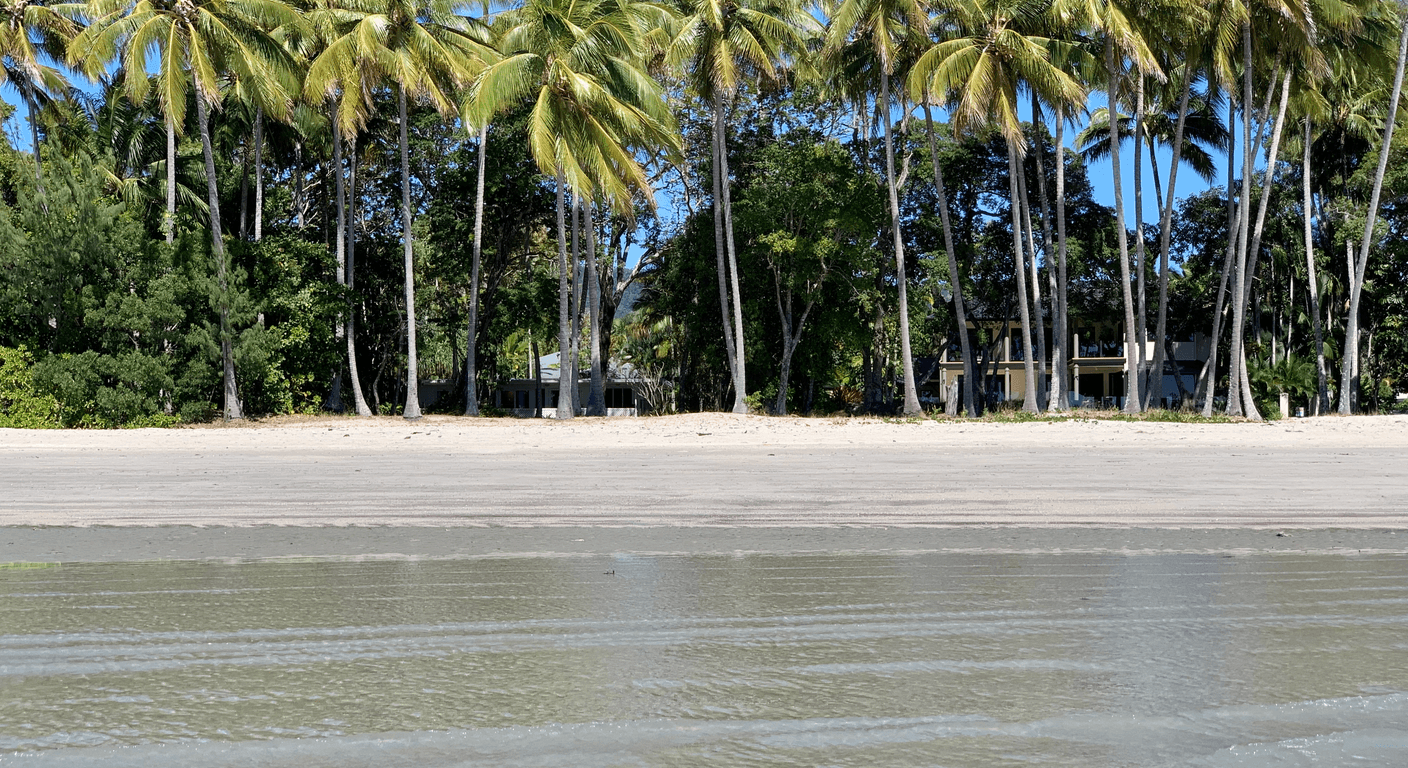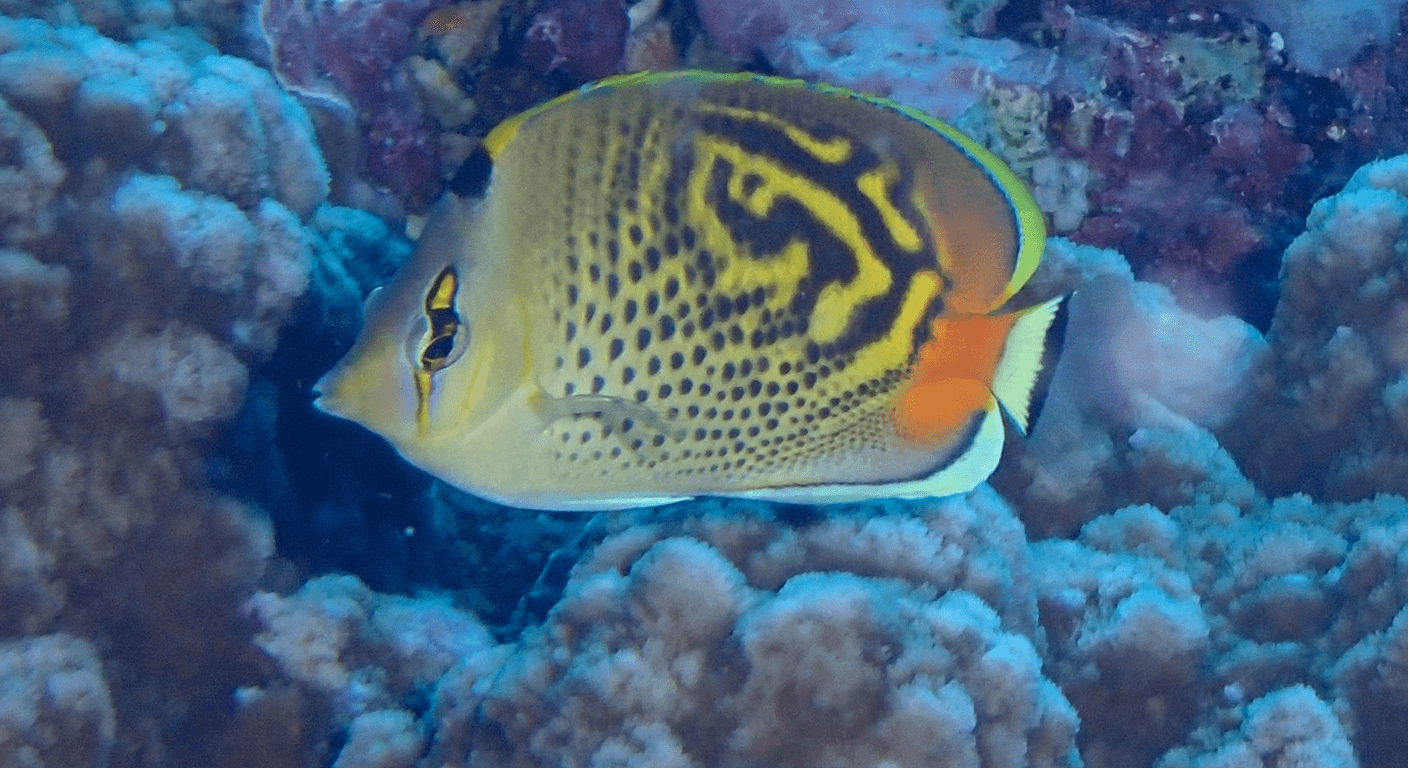
Lady Elliot Island, at the southern tip of the Great Barrier Reef near Bundaberg, is reached only by light aircraft, with strict luggage weight limits confirmed at booking. Manta rays are most reliable from May to September, and a multi-night stay suits the slow, tide-led pace best. The reef begins right off the beach, making snorkelling easy for confident floaters, though coral rubble underfoot means reef shoes are essential and mobility is moderate rather than easy.
What is Lady Elliot Island and why does it suit travellers over 50?
Lady Elliot Island is a coral cay — a small, flat island built entirely from reef rubble and sand — sitting at the very southern tip of the Great Barrier Reef Marine Park. It covers roughly 45 hectares, which means you can walk its perimeter in under an hour. There are no day-trippers wandering through with cocktails. There is no casino, no swim-up bar, no organised bingo. What there is, directly off the beach, is one of the most accessible stretches of living coral reef in Australia.
For travellers in their fifties, sixties and beyond who have always wanted the Great Barrier Reef but quietly dreaded the noise and logistics of Cairns or the Whitsundays in peak season, Lady Elliot offers something different. The resort is small — capacity sits at around 100 guests — and the pace is set by tides and light, not entertainment schedules. Meals are communal, the staff know your name by day two, and the loudest thing at night is the nesting seabirds. That last detail is either charming or maddening depending on your disposition; most guests find it charming.
How do you get there? Understanding the light aircraft access
There is no ferry, no helicopter transfer and no other option: you fly in on a light aircraft. Flights operate from Bundaberg, Hervey Bay and the Gold Coast, and the aircraft are small — typically Cessna Grand Caravan or similar, seating around a dozen passengers. The flight from Bundaberg takes roughly 25 minutes; from Hervey Bay around 30 minutes; from the Gold Coast closer to 90 minutes. The approach over the reef, with the lagoon laid out in turquoise below, is considered part of the experience.
The practical reality that catches some travellers off guard is the weight limit. Light aircraft operate under strict regulations that account for both passenger weight and luggage weight — and the resort will ask for this information during booking. Luggage allowances are typically around 15 kilograms total per person, and soft bags are required (hard-shell cases often cannot be accommodated). Confirm your exact allowance directly with the resort and airline when booking; this is not a detail to leave until packing day. A wheeled carry-on is usually fine; a large checked suitcase is not.
The most practical approach for travellers coming from Melbourne or other southern cities is to fly into Bundaberg or Hervey Bay the day before your island flight, spend a night there, and take the morning connection to the island. This removes any anxiety about connecting flights and gives you a genuine arrival rather than a rushed one. Hervey Bay also has the advantage of being the jumping-off point for Fraser Island (K'gari), so some travellers combine both in a single Queensland trip.
What will you actually do there? The reef, the lagoon and the manta rays
The lagoon snorkelling is the heart of the experience, and it is genuinely accessible. At high tide, the water over the reef flat reaches chest depth in places, and the coral and fish life begin almost immediately. You do not need to be a strong swimmer — you need to be comfortable floating in calm, sheltered water with a mask. The resort's dive instructors are available for guided snorkel tours, which are worth taking on your first day to understand where the best coral is and how to move around it without touching anything.
The coral rubble underfoot is the one physical reality to prepare for. The beach and shallow water are not sand — they are broken coral fragments, irregular and uneven. Reef shoes (also called water shoes or reef walkers) are not optional here; they are essential. Pack a pair with a firm sole, not flimsy neoprene socks. Once you're in the water and floating, the terrain beneath you matters less, but entry and exit require care. A trekking pole left at the water's edge is not unusual and is a sensible precaution.
The manta rays are the island's signature wildlife event, and they are most reliably present from May through September. These are reef mantas — smaller than oceanic mantas but still spanning two to three metres across — and they feed in the lagoon in circuits that snorkellers can anticipate with a little patience. Seeing a manta ray pass beneath you in clear, shallow water is a genuinely affecting experience; there is no need to oversell it. The resort also has resident sea turtles year-round, and the island is a significant nesting site for green and loggerhead turtles between November and February.
What are the rooms like? Honest notes on accommodation
The accommodation ranges from eco-cabins and reef units to more recently upgraded island suites. None of it is luxury in the five-star sense, and the resort is transparent about this. Rooms are clean, well-maintained and oriented toward the outdoors — ceiling fans rather than air conditioning in most categories, though confirm this when booking if it matters to you. The island runs on solar power supplemented by a generator, and fresh water is carefully managed. These are features of responsible island management, not oversights.
Packages are priced to include return flights, all meals and most activities, which makes the headline per-night figure look substantial until you factor in what's included. Indicative pricing for a three-night package has historically ranged from roughly $800 to well over $1,200 per person per night depending on room category and season — but these figures shift, and the resort's own website is the only reliable source for current rates. Solo travellers should ask specifically about single-supplement arrangements, as these vary by package and room type.
The communal dining room is where guests tend to meet each other, and the atmosphere is relaxed and genuinely convivial. For a solo traveller, this matters. The mix of guests tends toward couples and small groups of friends, but solo travellers are neither unusual nor made to feel conspicuous. The staff are well-practised at making introductions that feel natural rather than organised.
Can you visit on a day trip?
Yes — day trips to Lady Elliot Island are available from Bundaberg, Hervey Bay and the Gold Coast, operated by the same light aircraft service that brings resort guests. A day trip typically includes the return flight, a guided snorkel, use of snorkel equipment, and lunch. The island time is around four to five hours, which is enough to snorkel the lagoon, walk the island and have a meal, but not enough to feel the stillness that is the resort's real appeal.
Day trips suit travellers who are curious about the island but uncertain about committing to a multi-night stay, or those who are combining it with a broader Queensland itinerary that doesn't have room for an extended island stop. That said, most travellers who visit on a day trip report wishing they had stayed. The four-hour window also means you're working around tides — if your snorkel window coincides with low tide, the experience is noticeably diminished. Check the tide times for your day before booking.
For travellers based in Hervey Bay or Bundaberg for a week exploring the region — K'gari, the Bundaberg rum distillery, Mon Repos turtle centre — a day trip to Lady Elliot fits naturally into the itinerary. Confirm current day-trip pricing and availability directly through the resort's website, as schedules and pricing are subject to change.
Practical notes for travellers from Victoria and other southern states
From Melbourne, the most straightforward routing is a direct flight to Bundaberg (with connections via Brisbane) or to Hervey Bay. Both are serviced from Brisbane, and the drive between the two towns is around two hours if you prefer to rent a car and combine both. Flying into the Gold Coast and taking the longer island flight is another option, particularly if you want a night or two on the Gold Coast as a buffer before and after the island. Confirm all connections and book your island flights as part of the resort package rather than separately.
Travel insurance is worth discussing specifically with your insurer before booking this trip. The light aircraft component, the remoteness of the island (the nearest hospital is in Bundaberg), and any pre-existing health conditions all affect what level of cover you need. Medical evacuation from the island in the event of a serious incident requires air transport, and a standard domestic travel policy may not cover this adequately. Read the product disclosure statement, or speak to a broker.
The winter months that coincide with manta ray season — May through September — are also Queensland's dry season, with daytime temperatures in the mid-twenties and low humidity. For travellers from Victoria who have endured another grey Melbourne winter, arriving on Lady Elliot Island in July to find warm, clear water and a sky full of stars is a reasonable form of therapy. Pack a light layer for evenings, a broad-brimmed hat, reef shoes, a good pair of polarised sunglasses, and considerably less than you think you need.
Is Lady Elliot Island right for you? An honest assessment
Lady Elliot Island is not for everyone, and it's worth being clear about that. If you need reliable mobile phone reception, a range of dining options, air-conditioned rooms, or the option of a day at the shops when the weather turns, this is not your destination. The island has one restaurant, no shops worth speaking of, no spa, and — after about 8pm — very little artificial light. The seabirds nest loudly and do not observe quiet hours.
What it does offer, consistently and without drama, is proximity to a living reef in a setting that has been deliberately protected from over-development. The eco credentials are genuine — Lady Elliot Island Eco Resort has held EarthCheck certification for many years, and the island's management is directly tied to reef health outcomes. For travellers who care about where their tourism dollars go, that matters.
For a solo female traveller, particularly one who values safety, genuine connection with other guests, and a structured daily rhythm built around nature rather than nightlife, Lady Elliot has a strong record. The small guest numbers mean the resort functions more like a house party than a hotel — the right kind of house party, with excellent snorkelling and no obligation to stay up late. It rewards travellers who arrive with patience and leave with considerably more knowledge of what a coral reef actually looks, sounds and feels like.
Quick planning guide
| Ideal pace | Slow-paced, tide- and light-led |
|---|---|
| Best months | May to September, for manta rays and Queensland's dry season |
| Suggested stay | Multi-night (three-night packages are typical) |
| Mobility level | Moderate — easy floating snorkel, but uneven coral rubble underfoot requires reef shoes |
| Cost level | Premium, all-inclusive (flights, meals and most activities bundled) |
| Comfort level | Simple eco-resort — ceiling fans in most rooms, no mobile signal, one restaurant |
| Best for | Travellers wanting an authentic, low-key Reef experience without a large resort town |
| Main planning consideration | Light aircraft access with strict passenger and luggage weight limits |
Key takeaways
- Lady Elliot Island is reached only by light aircraft from Bundaberg, Hervey Bay or the Gold Coast — passenger and luggage weight limits are strictly enforced, so confirm before packing.
- Manta rays are most reliably seen in the lagoon between May and September, which also happens to be Queensland's most comfortable season for travel.
- Coral rubble underfoot makes reef shoes essential — not optional — for entry and exit from the water.
- All-inclusive packages covering flights, meals and accommodation are the standard booking format; confirm current pricing directly with the resort as rates vary significantly by room type and season.
- Day trips are available from the mainland for travellers who can't commit to a multi-night stay, but tide timing affects the snorkel quality, so check before booking.
- Travel insurance for this trip should explicitly cover light aircraft transport and medical evacuation from a remote island — review your policy carefully before departure.
Recommended partners and links
Indicative prices only — always confirm with the operator before booking.
Frequently asked questions
What is the best time to visit Lady Elliot Island for manta rays?
Manta rays are most reliably present in Lady Elliot Island's lagoon between May and September. This winter period also brings drier weather, lower humidity and water temperatures around 22–24 degrees Celsius — comfortable for snorkelling with a wetsuit top. Outside these months, manta ray sightings are possible but less predictable.
How do you get to Lady Elliot Island?
Lady Elliot Island is accessible only by light aircraft. Flights operate from Bundaberg, Hervey Bay and the Gold Coast, and are booked as part of the resort's all-inclusive packages or as day-trip transfers. There is no ferry or other boat service. Flight times range from roughly 25 minutes from Bundaberg to around 90 minutes from the Gold Coast.
What are the luggage restrictions for Lady Elliot Island flights?
Light aircraft flights to Lady Elliot Island operate under strict weight limits covering both passengers and luggage. The total luggage allowance is typically around 15 kilograms per person, and soft bags are required — hard-shell suitcases generally cannot be accommodated. Passenger weight is also collected during booking. Confirm your exact allowance with the resort and airline when you book.
Is Lady Elliot Island suitable for travellers with limited mobility?
Lady Elliot Island is rated Moderate for mobility. The main challenge is the coral-rubble terrain on the beach and paths, which is uneven and requires sturdy footwear — reef shoes with a firm sole are essential. Once in the water, snorkelling is accessible for anyone comfortable floating in calm, sheltered conditions. Travellers who use a walking frame or wheelchair should contact the resort directly to discuss specific access needs before booking.
Can you visit Lady Elliot Island on a day trip rather than staying overnight?
Yes. Day trips to Lady Elliot Island are available from Bundaberg, Hervey Bay and the Gold Coast, and typically include the return flight, a guided snorkel, equipment hire and lunch. Island time is around four to five hours. Tide timing significantly affects the snorkel experience, so check tide times for your chosen day before confirming a booking. Current day-trip pricing should be confirmed directly through ladyelliot.com.au.