Lake St Clair, Australia's deepest freshwater lake at 167 metres, sits at the quiet southern end of the Cradle Mountain–Lake St Clair National Park. Best visited October to April, it suits a half-day or full-day trip, or an overnight stay at nearby Derwent Bridge. The flat, four-kilometre Watersmeet walk makes it an easy, low-effort outing, while a lake ferry to Echo Point adds a scenic alternative. Reaching Cynthia Bay requires a 2.5-hour self-drive from Hobart or a guided day tour, as no public bus service runs there.
Why the Southern End Gets Overlooked — and Why That Works in Your Favour
Cradle Mountain gets the postcards. Lake St Clair gets the peace. Both are part of the same UNESCO World Heritage national park, but they sit at opposite ends of the Overland Track — separated by 65 kilometres of wilderness that most people only cross on foot over six days. For travellers coming in by road, Cynthia Bay at Lake St Clair's southern shore is its own destination entirely, not a consolation prize.
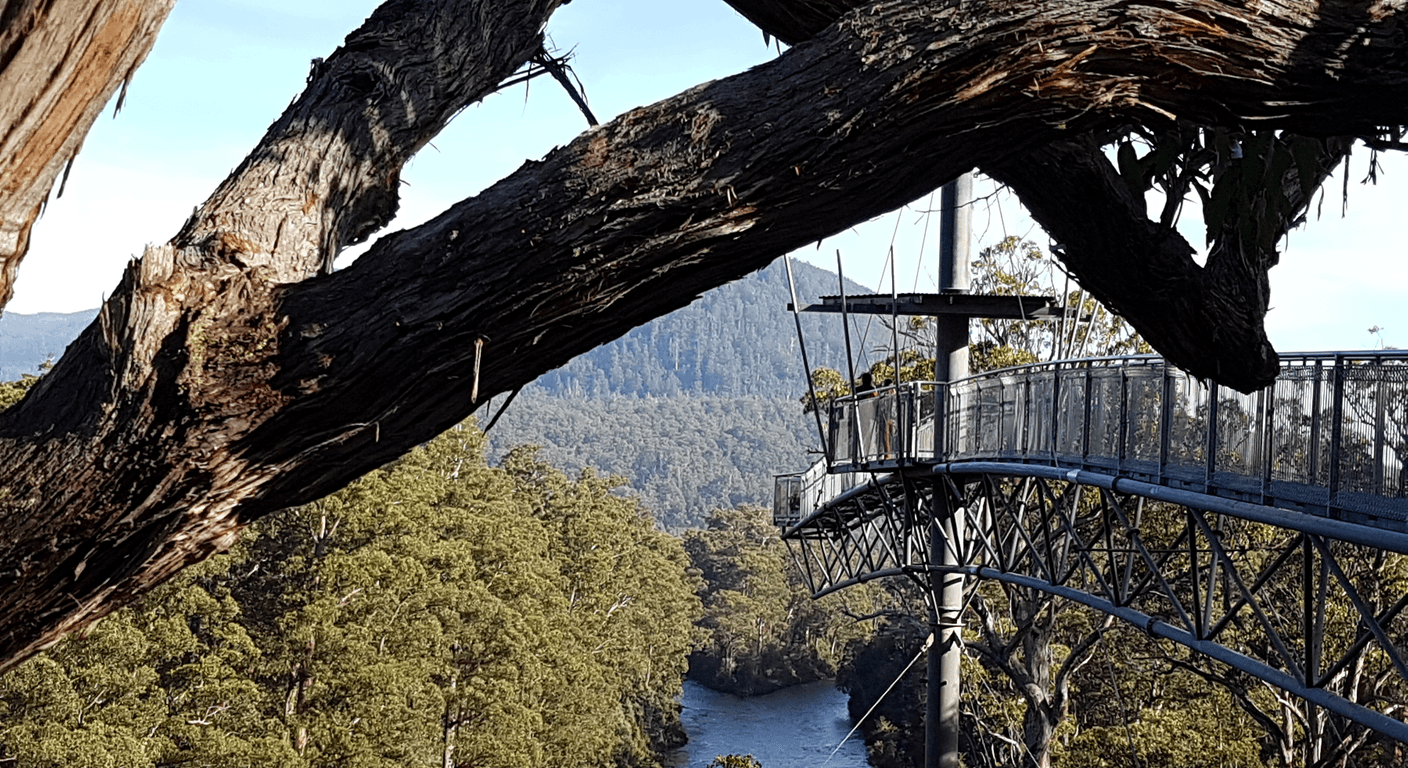
On a clear day, the lake's surface holds the Traveller Range in perfect reflection. On a cloudy one — and there are plenty — the mist gives the place a particular gravity. Either way, the scale is hard to reckon with at first. Lake St Clair reaches 167 metres at its deepest point, making it Australia's deepest freshwater lake. That's not a trivia footnote; it shapes everything about the light, the colour, and the silence.
For a group of friends who've been talking about Tasmania for years, this is the place that tends to linger longest in conversation afterwards. Not because it demands effort, but because it doesn't. You can have a genuinely absorbing day here without lacing up serious hiking boots.
Getting There from Hobart: What the Drive Actually Involves
Cynthia Bay is roughly 175 kilometres northwest of Hobart, and the drive takes around two and a half hours under normal conditions. The route follows the Lyell Highway through the Derwent Valley — past New Norfolk, through Queenstown country, with the landscape shifting noticeably as you climb into the central highlands. It's a good drive. Pull over at Bronte Park if the light is right.
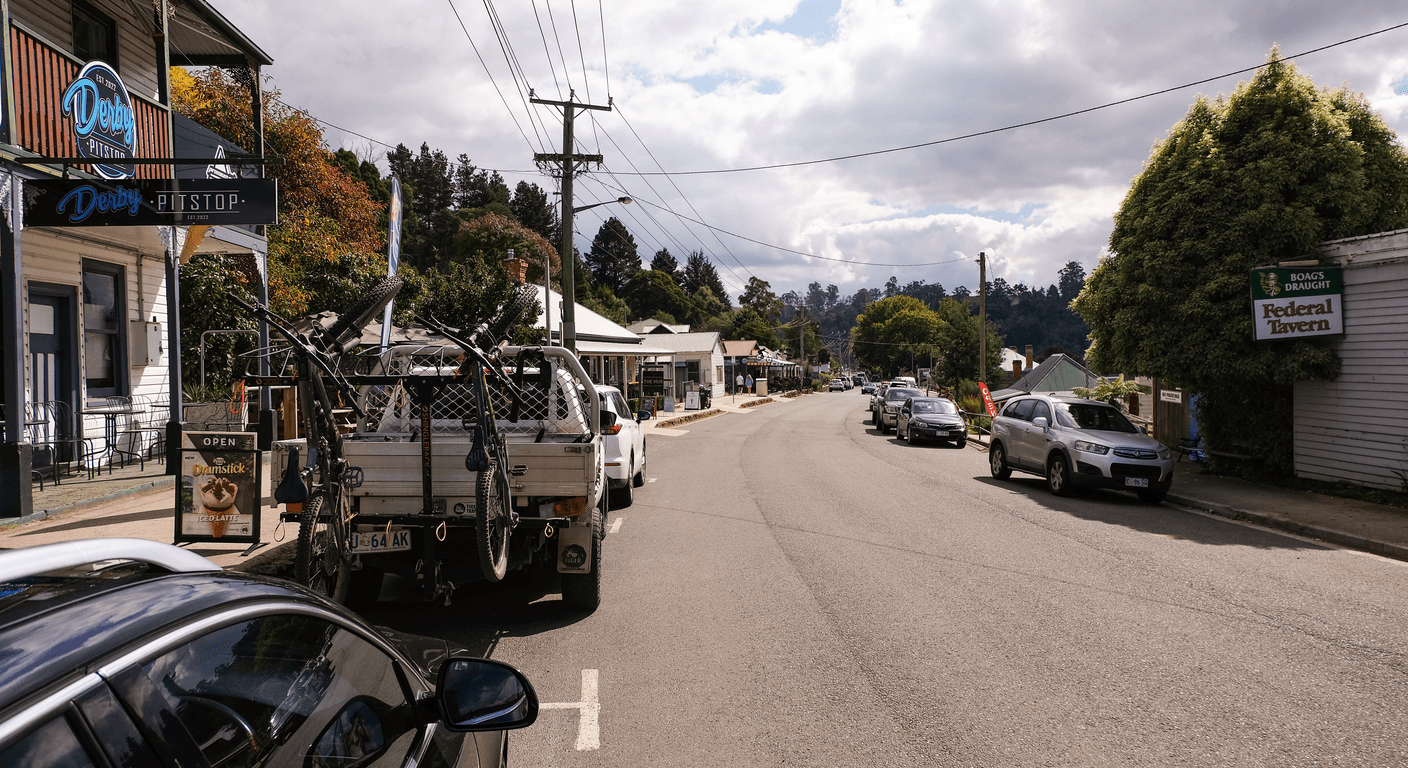
The road is sealed all the way and manageable for most drivers, though the final stretch into the park can be narrow in places. Fuel up in Queenstown or Derwent Bridge — don't rely on finding a servo past those points. Derwent Bridge itself, just a few minutes from Cynthia Bay, has the Derwent Bridge Wilderness Hotel for anyone who wants to break the day into two.
There's no public bus service that runs directly to Lake St Clair from Hobart. Joining a guided day tour is the most practical option for those not wanting to drive. Several Hobart-based tour operators include Lake St Clair in small-group day itineraries — worth comparing what's current through Tourism Tasmania's website before booking.
The Watersmeet Walk: Flat, Rewarding, and Genuinely Doable
The Watersmeet circuit from Cynthia Bay is the day walk that suits the widest range of fitness levels. It runs along the lakeshore and through buttongrass moorland before looping back through forest — roughly four kilometres in total, mostly flat, on a well-formed track. For anyone who finds long ascents tiring on the knees, this is a walk you finish feeling restored rather than wrecked.
The track passes the confluence of the Hugel River and Cynthia Bay — hence the name — and the forest sections are quiet enough that you might share the path only with a Tasmanian pademelon. The birdlife around the lake edge is worth pausing for. Bring binoculars if you have them.
The visitor centre at Cynthia Bay is the sensible starting point: there are toilets, a café, and staff who can advise on current track conditions. Track surfaces can be muddy after rain, so closed-toe shoes with grip are a better choice than sandals, even on a warm day.
The Lake Ferry to Echo Point: A Different Way to See the Water
For those who'd rather let the lake do the work, the ferry service from Cynthia Bay to Echo Point is one of the more quietly satisfying experiences in Tasmanian nature tourism. The crossing takes you up the western arm of the lake with the mountains building around you — it's the kind of perspective you can't get from the shore.
Echo Point is a small landing with a short walking track that leads to a viewing area. The return ferry picks you up at an agreed time, so factor that into your day's planning. Fares are indicative at around $50–90 per person return — confirm current pricing directly with the operator before you go, as seasonal schedules and conditions affect availability. The service doesn't run in all weather, which is simply the honest reality of operating on a mountain lake.
For a group, booking the ferry in advance is sensible. It's a popular element of the day, and spots are limited. Combining the Watersmeet walk in the morning with a ferry cruise in the afternoon makes for a very well-paced day without anyone feeling rushed.
Weather, Layers, and the One Thing Every Visitor Underestimates
Tasmania's central highlands do not observe the same meteorological courtesies as the rest of the country. A January day at Lake St Clair can begin warm and blue and turn cold, wet, and windy inside an hour. This is not an exaggeration for dramatic effect — it's just how the weather works at altitude, surrounded by ranges that funnel whatever the Southern Ocean is sending.
Warm layers in a daypack are non-negotiable, even in midsummer. A waterproof jacket takes up almost no space and changes the experience entirely if conditions shift. Sunscreen still matters — UV intensity at altitude is higher than most people expect, and the lake surface amplifies it. Sunglasses are worth remembering too.
October through April gives you the best combination of accessible tracks, longer daylight hours, and ferry services operating at fuller capacity. Winter visits are possible and atmospheric, but some walking tracks become challenging, and ferry services may be reduced or suspended. Check Parks Tasmania's website for current conditions before finalising dates.
Parks Pass, Café, and the Practicalities Worth Knowing
Entry to Cradle Mountain–Lake St Clair National Park requires a valid parks pass. These can be purchased online through Parks Tasmania before you travel, or at the Cynthia Bay visitor centre on arrival. The pass covers the vehicle for the day; if you're visiting multiple Tasmanian national parks, a holiday pass is likely better value. Confirm current fee structures on the Parks Tasmania website, as prices are reviewed periodically.
The Cynthia Bay visitor centre has a café serving hot food and drinks — a welcome fact after a morning on the track. It's not a fine-dining establishment, but the soup on a cool day is exactly what it needs to be. The centre also holds interpretive displays on the park's ecology and the Overland Track, which give useful context even for those not walking the full route.
Mobile reception at Lake St Clair is limited to non-existent depending on your carrier. Download offline maps before you leave, let someone know your plans, and don't rely on being able to call for assistance if something goes wrong on the track. The park is well-managed, but it's still remote.
Making a Weekend of It: Staying Near Derwent Bridge
The day trip formula works well, but a night at Derwent Bridge shifts the whole experience. The morning light on the lake before the day visitors arrive is a different thing entirely — quieter, cooler, with the mist still low on the water. Derwent Bridge Wilderness Hotel is the main accommodation option in the immediate area, offering a range of room types and a restaurant that serves hearty Tasmanian produce. Confirm availability and current rates directly.
Staying overnight also opens up the possibility of an early start on the track before the ferry begins its run — or simply a slower morning with a second coffee before the drive back. For a group of friends on a longer Tasmanian itinerary, this pairs naturally with time in Hobart and perhaps the Huon Valley or the east coast. Lake St Clair doesn't need to be crammed into a single day if the schedule allows otherwise.
Travelling in a group of four or five, a shared vehicle from Hobart makes the whole excursion very manageable on cost. Split the parks pass, share a picnic lunch from provisions picked up in New Norfolk or Hobart the evening before, and let the ferry and the walk carry the day.
Quick planning guide
| Ideal pace | Slow-paced and unhurried |
|---|---|
| Best months | October to April for accessible tracks and fuller ferry services |
| Suggested stay | Half-day to full day, or one night at Derwent Bridge for a slower start |
| Mobility level | Easy — flat lakeside track suited to most fitness levels |
| Cost level | Budget-friendly for the parks pass, moderate if adding the ferry ($50–90 return) |
| Comfort level | Comfortable — visitor centre, café, and toilets at Cynthia Bay |
| Best for | Travellers wanting a quiet, low-effort nature experience away from Cradle Mountain's crowds |
| Main planning consideration | Self-drive access with no public bus, plus rapidly changing highland weather |
Key takeaways
- Lake St Clair is Australia's deepest freshwater lake at 167 metres, located at the southern end of Cradle Mountain–Lake St Clair National Park.
- The flat Watersmeet circuit (around 4 km) is one of Tasmania's most accessible nature walks for travellers of mixed fitness levels.
- A lake ferry to Echo Point runs seasonally for around $50–90 return — confirm sailings and current fares before booking.
- Cynthia Bay is roughly 2.5 hours by road from Hobart via the Lyell Highway; there is no direct public bus service.
- A national parks pass is required for entry — purchase online through Parks Tasmania or at the visitor centre on arrival.
- Weather at this altitude changes rapidly year-round; warm, waterproof layers belong in the daypack regardless of the forecast.
Recommended partners and links
Indicative prices only — always confirm with the operator before booking.
Frequently asked questions
How far is Lake St Clair from Hobart?
Cynthia Bay at Lake St Clair is approximately 175 kilometres northwest of Hobart, via the Lyell Highway. The drive takes around two and a half hours under normal conditions on sealed roads.
Is Lake St Clair suitable for older travellers or those with limited mobility?
Yes. The Watersmeet circuit from Cynthia Bay is a flat, well-formed track of around four kilometres that suits most fitness levels. The lake ferry to Echo Point offers a rewarding experience without any significant walking. The visitor centre has accessible facilities including toilets and a café.
Do you need a parks pass to visit Lake St Clair?
Yes. Entry to Cradle Mountain–Lake St Clair National Park requires a valid parks pass. Passes can be purchased online through Parks Tasmania before you travel, or at the Cynthia Bay visitor centre on arrival. Confirm current fees on the Parks Tasmania website.
How much does the Lake St Clair ferry cost, and do I need to book?
Ferry fares to Echo Point are indicatively around $50–90 per person return — confirm current pricing directly with the operator before travel, as fares and schedules are subject to change. Booking ahead is recommended, particularly for groups, as sailings are limited and weather-dependent.
What is the best time of year to visit Lake St Clair?
October to April offers the most reliable access, with longer daylight hours and ferry services running at fuller capacity. The weather remains unpredictable year-round at this altitude, so warm and waterproof layers are essential regardless of season. Winter visits are possible but some tracks become difficult and ferry services may be reduced.