Australia's five historic state lighthouses — Cape Otway, Cape Byron, Cape Leeuwin, Cape Willoughby and Cape Bruny — pair heritage keeper's cottages with optional tower climbs of 73 to 176 steps. Shoulder-season travel avoids crowds, and a long weekend or two-to-three-night stay suits each site. Mobility is moderate, since climbs demand fitness while grounds remain walkable. Access ranges from road trips to ferry crossings, with tours and hours varying seasonally, so confirm with each operator.
Why Lighthouses Suit Over-50 Travellers
There's a particular pleasure in travelling to a place that was built for a purpose and has earned its history. Lighthouses deliver that. Each one marks a coastline that has tested sailors for generations, and the stories attached to them — of keepers, shipwrecks, isolation and ingenuity — give a day trip or overnight stay a depth that a beach resort rarely matches.
For travellers in their fifties, sixties and seventies, the format suits well. The drive or ferry journey is part of the experience. The site itself is compact and walkable. Tower climbs are optional at most locations, and the grounds can be explored at whatever pace suits. Keeper's cottages, where available, mean you're not racing to catch a last ferry or fighting peak-hour traffic home. You arrive, settle in, and watch the light turn at the end of the day from a verandah that once belonged to someone whose job was literally to keep the light burning.
The five lighthouses in this guide span every mainland state plus Tasmania. None requires a particularly ambitious itinerary — each can anchor a long weekend or slot into a broader coastal road trip. A Greek Australian traveller based in Melbourne, for instance, might start at Cape Otway on a Friday, fly to Hobart for Cape Bruny the following week, and work through the others over a year of considered travel. That's not a race. That's how it should be done.
Cape Otway, Victoria — The Oldest Surviving Lighthouse on the Australian Mainland
Cape Otway Lightstation sits at the tip of a forested peninsula in the Great Otway National Park, roughly three hours south-west of Melbourne via the Great Ocean Road. Built in 1848 from locally quarried stone, it is the oldest surviving lighthouse on the Australian mainland — a fact that feels tangible when you stand inside the tower and run a hand along the walls. The drive through the Otway ranges, with its tree ferns and the odd koala draped across a fork in the road, is itself worth the journey.
The Lightstation is privately managed and offers guided tower climbs, a telegraph station museum, a World War II radar bunker and beautifully restored keeper's cottages available for overnight stays. The tower climb involves a spiral staircase of around 85 steps — steep and narrow in the way that 19th-century engineering tends to be. Those with knee concerns or a dislike of enclosed spaces may prefer to explore the grounds and museum, which are substantial in their own right. Parks Victoria completed upgrades to precinct facilities in late 2025, so amenities are in good shape for 2026 visitors.
Keeper's cottage accommodation at Cape Otway is genuinely comfortable — think heritage furnishings, a proper kitchen, and waking to the sound of the Southern Ocean rather than a hotel corridor. Indicative overnight rates are roughly $250–$350 per night, but confirm current pricing and availability directly at lightstation.com. Day entry is around $22–$25 per adult at the time of writing. Opening hours vary by season, so check the website before making the drive.
Cape Byron, New South Wales — Australia's Easternmost Point
Cape Byron is geographically significant: it's the easternmost point of the Australian mainland, and the lighthouse that stands there has been guiding ships since 1901. The setting is dramatic in the way that a headland with a 360-degree ocean horizon tends to be. From the lighthouse platform on a clear day, dolphins are a regular sight in the water below, and humpback whales pass through on their migration routes between June and November.
The lighthouse sits within Cape Byron State Conservation Area, managed by NSW National Parks. Access is via a walking track from the Byron Bay township — around 3.6 kilometres return from the main car park at Captain Cook Lookout, with the option to drive closer if mobility is a consideration. The path is sealed in sections but involves some undulation. Guided lighthouse tours run on selected days and allow access to the tower itself; these must be booked in advance through NSW National Parks, and availability is genuinely limited, so planning ahead is sensible.
Byron Bay itself has shifted considerably in character over the decades — it's busier and considerably more expensive than it once was. Travelling in the shoulder season (April–May or September–October) makes a meaningful difference to both crowds and accommodation costs. Indicative tour fees are roughly $15–$22 per person; confirm current pricing and tour schedules at nationalparks.nsw.gov.au. There is no keeper's cottage accommodation at Cape Byron, but the nearby hinterland towns of Bangalow and Mullumbimby offer quieter, more relaxed bases than Byron Bay itself.
Cape Leeuwin, Western Australia — Where Two Oceans Meet
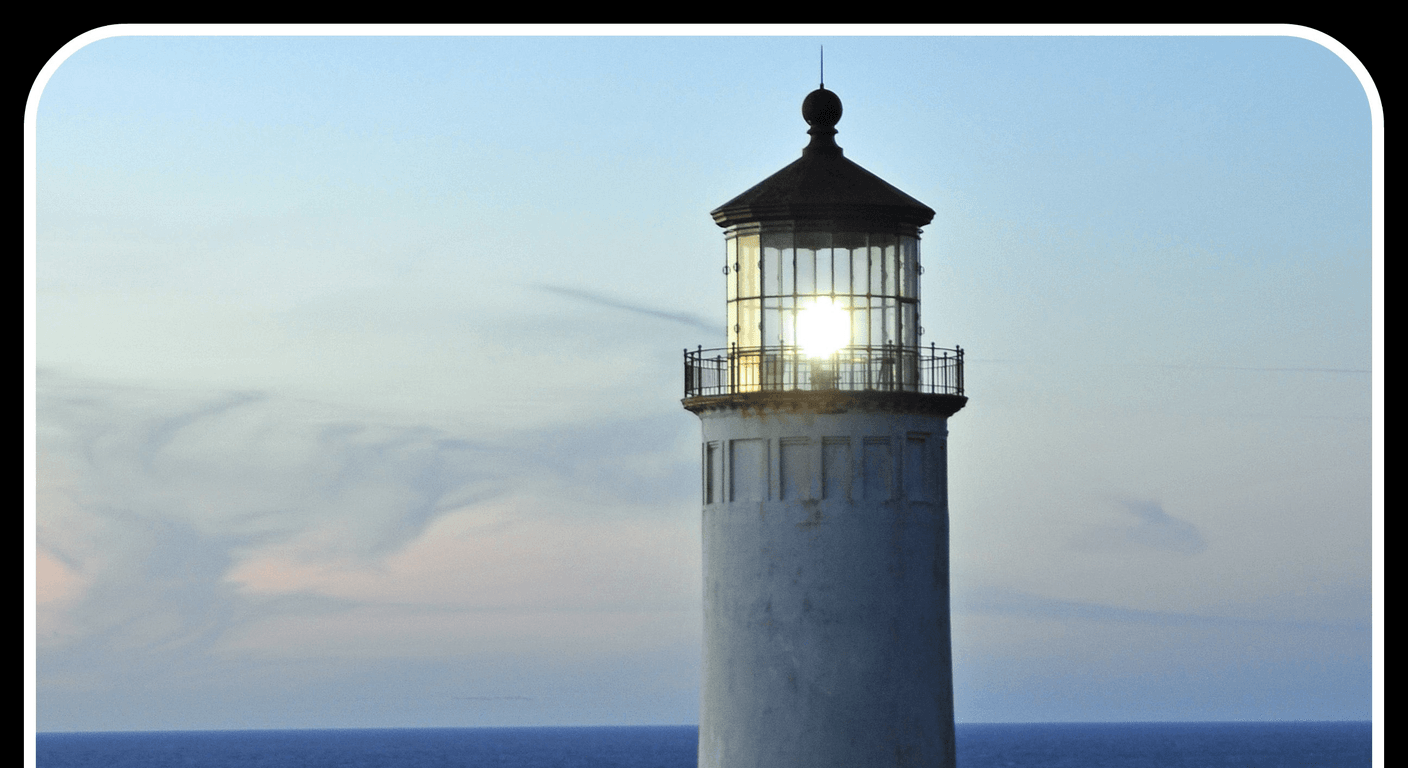
Cape Leeuwin, at the south-western tip of Western Australia near Augusta, marks the point where the Indian and Southern Oceans meet — or so the signage will tell you, and it's not an unreasonable claim. The lighthouse, built in 1895 from local limestone, is the tallest on the Australian mainland and still operational. The surrounding landscape is low scrub and granite, wind-sculpted and austere in the most satisfying way.
Guided tours of the tower run daily and take visitors up 176 steps to the lantern room. It's the tallest climb of the five lighthouses in this guide, and those with cardiovascular concerns or significant knee trouble should weigh that honestly. The views from the top, across two oceans and the limestone coastline, reward the effort for those who make it. The site also includes a small museum and a curious historic water wheel, calcified by the mineral-rich spring water that once powered the keeper's operations.
Cape Leeuwin is around 320 kilometres south of Perth — roughly a three-and-a-half to four-hour drive, or a similar journey by coach from Bunbury. The Augusta–Margaret River region makes an excellent base, with the Margaret River wine region, cave systems and Hamelin Bay all within comfortable reach. Indicative guided tour costs are around $20–$28 per person; verify current pricing and tour times with the on-site operator or via margaretriver.com. There is no keeper's cottage accommodation at Cape Leeuwin itself, but Augusta and Margaret River offer a solid range of options from self-contained cottages to boutique stays.
Cape Willoughby, South Australia — Kangaroo Island's Quiet Achiever
Cape Willoughby holds the distinction of being South Australia's oldest lighthouse, completed in 1852 on the eastern tip of Kangaroo Island. Getting there is part of the appeal: a Sealink ferry from Cape Jervis (itself about 90 minutes from Adelaide) crosses Backstairs Passage to Penneshaw, then it's a further 30-kilometre drive east along the island to the lighthouse precinct. The ferry crossing takes around 45 minutes and is generally smooth, though those prone to seasickness will want to note that Backstairs Passage can be choppy in winter.
The lighthouse grounds are managed by the Department for Environment and Water, and guided tours of the tower operate on selected days. The keeper's cottages at Cape Willoughby are among the most rewarding overnight options in this guide — genuinely remote, genuinely quiet, and positioned at the end of a road where the kangaroos outnumber the cars. Indicative cottage rates are roughly $180–$280 per night; confirm current availability and pricing at parks.sa.gov.au. Kangaroo Island's broader appeal — the Remarkable Rocks, Seal Bay, the local produce — means a two or three-night stay on the island is easily justified.
Kangaroo Island is still rebuilding tourism following the 2019–20 fires, and visiting supports local operators who have worked hard to recover. The island rewards a slower pace: the drives are largely unsealed in places, wildlife is abundant and unhurried, and the temptation to stop every few kilometres is real. For a couple who enjoy a destination that asks something of them — a ferry crossing, an unsealed road, a proper sense of arrival — Cape Willoughby delivers.
Cape Bruny, Tasmania — The One That Earns Its Remoteness
Cape Bruny sits at the southern end of South Bruny Island, itself reached by a short ferry crossing from Kettering, about 35 kilometres south of Hobart. The lighthouse, built in 1838, is one of Australia's oldest and sits in a landscape that feels genuinely elemental: wind-bent coastal heath, dolerite cliffs and the cold blue of the D'Entrecasteaux Channel. The access road from the ferry at Roberts Point to the lighthouse precinct is around 60 kilometres of mixed sealed and unsealed road — manageable in a standard vehicle, but worth knowing before you go.
Guided tours of Cape Bruny Lighthouse are operated by Bruny Island Safaris and run on selected days; these are small-group experiences that include the tower climb and a good deal of contextual history about the island's role in Australia's early maritime story. Indicative tour costs are around $35–$50 per person — confirm current pricing and availability directly with the operator. The tower itself involves a manageable climb of around 73 steps, though the staircase is narrow. Those who'd rather stay at ground level will find the headland scenery reward enough.
Bruny Island is one of those places that Tasmanians tend to be quietly possessive about, and the reason becomes clear when you're there. The food — particularly the oysters, cheese and local salmon — is exceptional. The Get Shucked oyster farm near Great Bay is worth building into any Bruny Island itinerary. For couples who want to combine the lighthouse visit with a proper island stay, accommodation options range from self-contained shacks to comfortable retreats; book well ahead for peak summer periods (December–February). Hobart, as a base, connects to Bruny Island logistics easily and offers excellent dining and cultural options around the waterfront.
Practical Advice for Planning Your Lighthouse Visits
The single most important piece of planning advice for any of these five sites is to confirm opening hours, tour availability and accommodation directly with the operator before travelling. Several of these lighthouses operate tours on selected days only, and seasonal closures or reduced hours in winter are common. Driving two hours to find a locked gate is a preventable disappointment. Each operator's current website is listed in the providers section of this guide.
Tower climbs deserve an honest assessment. All five involve narrow spiral staircases — that's the nature of lighthouse architecture. The step counts range from around 73 at Cape Bruny to 176 at Cape Leeuwin. If knee replacements, vertigo or cardiovascular conditions are relevant, the grounds, museums and keeper's accommodation at most sites offer a complete experience without the climb. No one needs to feel they've missed out by skipping the tower. The light itself, the history and the coastal setting are the point.
Travel insurance is worth reviewing carefully if you're combining lighthouse visits with a broader trip, particularly for interstate or fly-drive itineraries. Policies that cover pre-existing conditions, trip interruption and medical evacuation are worth the extra premium. For couples where one partner has a mobility consideration, a self-contained keeper's cottage — where you cook your own meals, set your own pace, and aren't beholden to restaurant hours — is often a more comfortable arrangement than a hotel. That's not a limitation; it's simply a smarter way to travel.
Quick planning guide
| Ideal pace | Slow-paced, self-directed exploration |
|---|---|
| Best months | Shoulder seasons (April–May, September–October) for lighter crowds; December–February peak at Bruny needs early booking |
| Suggested stay | A long weekend per site, or two to three nights where island logistics (Kangaroo Island, Bruny Island) apply |
| Mobility level | Moderate — grounds and museums are walkable, but tower climbs of 73 to 176 narrow spiral steps require reasonable fitness |
| Cost level | Mid-range — day entry and tours around $15–$50 per person, keeper's cottage stays roughly $180–$350 per night |
| Comfort level | Comfortable — restored keeper's cottages offer heritage furnishings and self-contained kitchens |
| Best for | Couples or solo travellers who enjoy maritime history and coastal scenery at an unhurried pace, with or without the tower climb |
| Main planning consideration | Confirm opening hours, tour days and accommodation directly with each operator, as schedules and availability vary seasonally |
Key takeaways
- Cape Otway is the oldest surviving lighthouse on the Australian mainland, built in 1848, with keeper's cottage stays available from roughly $250–$350 per night.
- Cape Byron offers guided tower tours on selected days only — book in advance through NSW National Parks, as places are limited.
- Cape Leeuwin's 176-step tower climb is the tallest of the five lighthouses in this guide; the surrounding Augusta–Margaret River region makes an excellent multi-night base.
- Cape Willoughby on Kangaroo Island combines a historic lighthouse with keeper's cottage accommodation and the island's broader wildlife and produce appeal.
- Cape Bruny in Tasmania is the most remote of the five — the journey by ferry and unsealed road is part of the experience, and the oysters afterwards are non-negotiable.
- All five sites change opening hours and tour availability seasonally — always confirm directly with each operator's current website before travelling.
Recommended partners and links
Indicative prices only — always confirm with the operator before booking.
Frequently asked questions
Can you stay overnight in a lighthouse keeper's cottage in Australia?
Yes. Cape Otway Lightstation in Victoria and Cape Willoughby on Kangaroo Island in South Australia both offer restored keeper's cottage accommodation. Cape Otway cottages are indicatively priced from around $250–$350 per night; Cape Willoughby from roughly $180–$280 per night. Availability is limited, particularly in school-holiday periods, so booking well ahead is sensible. Confirm current pricing and availability directly with each operator before booking.
Are Australian lighthouse tower climbs accessible for older travellers?
Tower climbs at all five lighthouses involve narrow spiral staircases — this is a feature of the original construction, not something that can easily be modified. Step counts range from around 73 at Cape Bruny to 176 at Cape Leeuwin. Travellers with significant knee, cardiovascular or balance concerns may find the climbs challenging. At most sites, the lighthouse grounds, museum exhibits and coastal scenery offer a full and rewarding experience without the tower climb.
What is the best time of year to visit Australian lighthouses?
Shoulder seasons — March to May and September to November — generally offer the best combination of mild weather, manageable crowds and full tour availability. Summer school holidays (December–January) bring increased visitor numbers to most sites, particularly Cape Byron and Cape Otway. Winter is quieter but some sites reduce tour days or hours. Always confirm current operating schedules directly with each lighthouse operator before travelling.
How do you get to Cape Willoughby Lighthouse on Kangaroo Island?
Cape Willoughby is reached by taking the Sealink ferry from Cape Jervis (around 90 minutes south of Adelaide) to Penneshaw on Kangaroo Island — a crossing of roughly 45 minutes. From Penneshaw, it's approximately 30 kilometres east along the island to the lighthouse precinct. A hire car or your own vehicle on the ferry is the practical way to manage the distance. Confirm ferry timetables and bookings at sealink.com.au.
Do you need to book lighthouse tours in advance in Australia?
At most of the five lighthouses in this guide, advance booking is either required or strongly advisable. Cape Byron tours are limited in number and book out quickly; Cape Bruny tours run on selected days through a specific operator. Cape Otway day entry can generally be purchased on arrival, but cottage accommodation requires advance booking. Check each operator's current website for booking requirements, as these change seasonally.
- Cape Otway Lightstation — Official Website
- NSW National Parks — Cape Byron State Conservation Area
- Margaret River Tourism — Cape Leeuwin Lighthouse
- South Australian Department for Environment and Water — Cape Willoughby Conservation Park
- Parks and Wildlife Service Tasmania — Bruny Island
- Sealink Kangaroo Island Ferry — Cape Jervis to Penneshaw
- Australian Heritage Database — Historic Lighthouses