Lightning Ridge, in far northwest New South Wales roughly 770km from Sydney, is best visited April to September, when summer's 40-plus degree heat has passed. A four-day stay suits the pace of the town. The defining highlight is the free artesian bore bath on Morilla Street, running at 40 degrees around the clock. Mobility is moderate — bath entry uses steps and rails, but a hire car is essential, as no public transport reaches the town.
Why Lightning Ridge Rewards the Detour
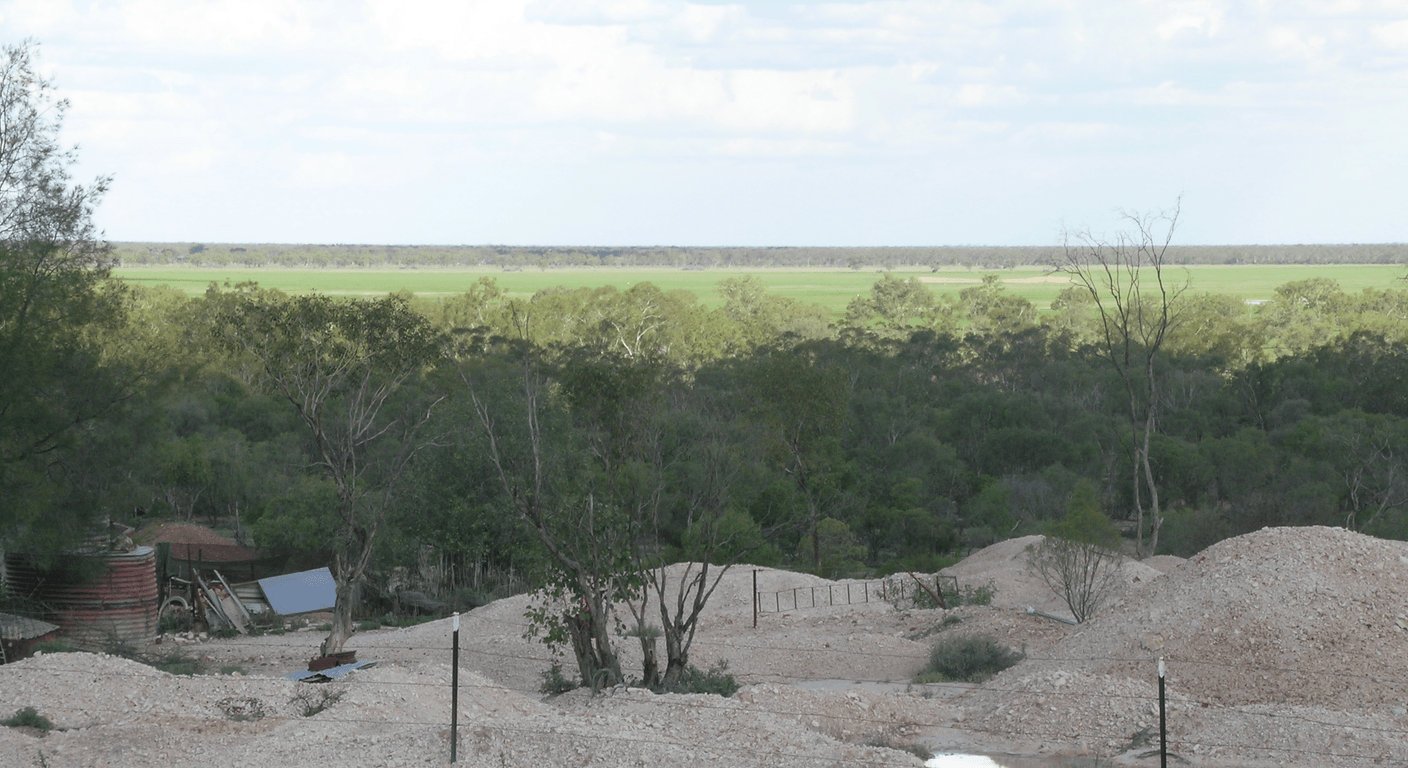
There's a particular kind of Australian town that refuses to behave like anywhere else. Lightning Ridge is that town, taken to an extreme. It sits on a flat, red-dirt plain in far northwest New South Wales, four hours north of Dubbo, and its entire character has been shaped by the one thing beneath it — black opal, the rarest and most coveted gemstone in the world. The town that grew up around the digging is gloriously, deliberately odd.
For travellers over 50 who've spent years ticking off the well-mapped destinations, Lightning Ridge offers something harder to manufacture: genuine texture. The streets are dotted with sculptures made from car doors. The local pub has a kangaroo who occasionally drops in. The bore baths are free, open all night, and run at the kind of temperature that unknots a week's worth of long drives. It's not a place that performs for tourists — it simply is what it is, and that's the attraction.
A couple travelling together will find the rhythm here suits them well. There's enough to fill four full days without rushing, and the town is compact enough that you can walk between the main bore baths precinct, the showrooms on Morilla Street, and the visitor centre without needing to move the car. The pace is entirely your own.
Getting There: The Sealed Road Reality
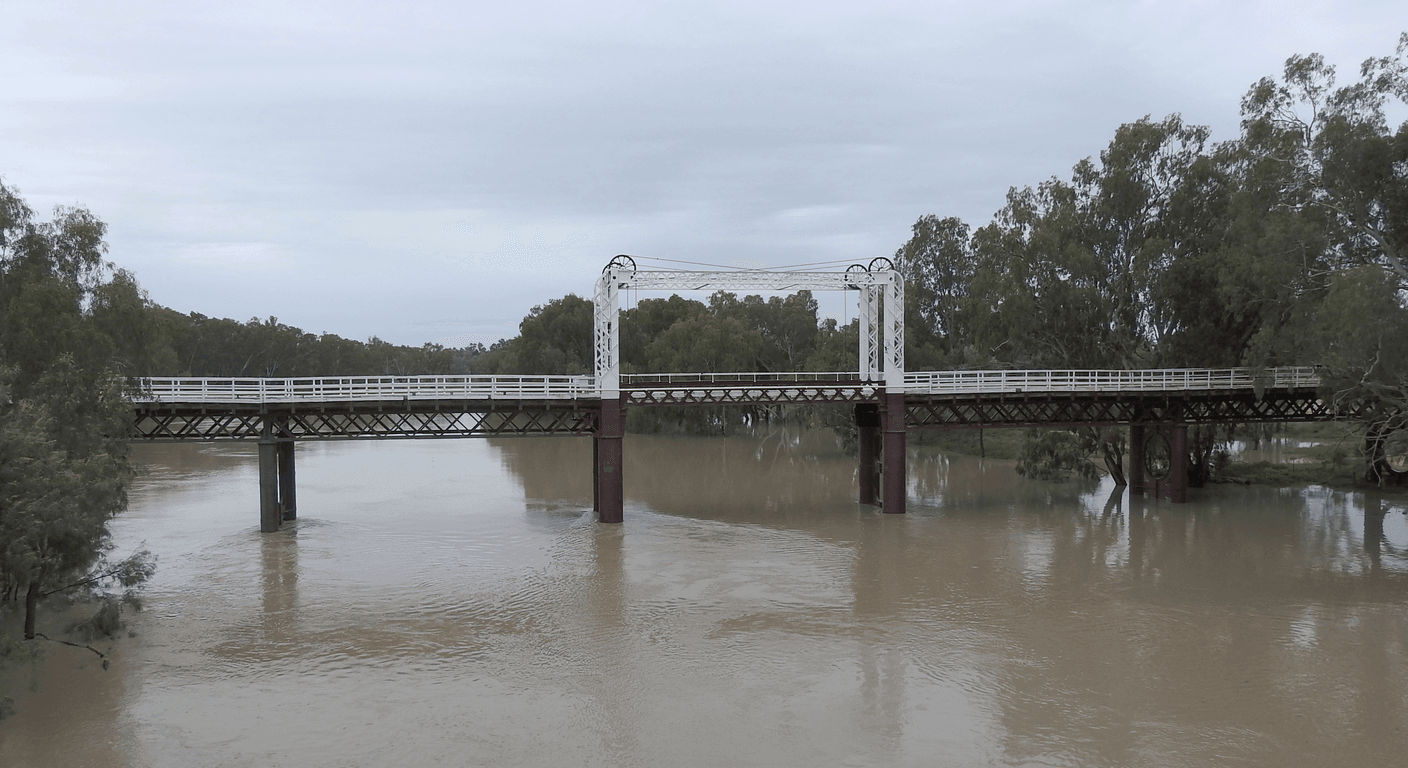
The most practical approach from Victoria or Sydney is to drive or fly to Dubbo, then take the Castlereagh Highway north through Walgett to Lightning Ridge — around 240 kilometres on a fully sealed road. From Dubbo, allow roughly three hours. The highway is straightforward, though it crosses flat, open country where roadside facilities are sparse, so fill the tank and carry water before leaving Walgett.
Rex Airlines and Qantas Link both serve Dubbo Airport from Sydney, with indicative return fares starting around $200–$350 depending on timing — confirm current availability and pricing directly. From Melbourne, a drive through Hay and Hillston is possible but long; flying to Dubbo and hiring a car there is the more comfortable option for most travellers. Car hire is available at Dubbo Airport through the major national operators.
There is no regular public transport service to Lightning Ridge itself, which makes a hire car or your own vehicle effectively essential. The town's layout — mine sites, the bore baths precinct, showrooms and the car-door sculpture trail — is best navigated by car, though the central cluster around Morilla Street is walkable once you've parked.
The Bore Baths: How to Soak Properly
The Artesian Bore Baths on Morilla Street are the social and spiritual centre of Lightning Ridge, and they're completely free. The water rises naturally from the Great Artesian Basin at around 40 degrees Celsius and flows continuously through a series of pools shaded by corrugated iron shelters. The baths are open 24 hours a day, every day of the year — which means a soak at 6 am, watching the light come up over the red plains, is entirely possible and genuinely lovely.
The pools have graduated entry steps and rails along the sides, which makes getting in and out manageable for most travellers. The floor can be slippery, so take your time and wear water shoes if you have them. The water has a slight mineral smell and a silky quality that's quite different from a swimming pool — some people find it immediately addictive, others take a visit or two to appreciate it. The temperature is therapeutic rather than hot-tub intense, though it will feel very warm on a cool morning.
Etiquette is relaxed but genuine: keep voices low if you arrive early in the morning when others may be there for quiet contemplation, rinse off in the outdoor shower before entering, and be aware that the baths attract a real mix of locals and travellers. It's common to find retired miners soaking alongside grey nomads alongside backpackers. Bring a towel, a water bottle, and nothing much else.
Underground Mine Tours: What to Expect
Several operators offer guided underground tours of working or former opal mines, and these are among the most memorable experiences in Lightning Ridge. Descending into a hand-dug shaft — some of them narrow, some surprisingly spacious — and seeing the seams of potch and colour in the sandstone walls gives you an understanding of why miners spend years here chasing a single stone. It also explains, without any further elaboration, why the town is the way it is.
Tour formats vary between operators. Some are walking tours through horizontal drives; others involve a short vertical descent by ladder or cage. If mobility is a consideration — particularly for knees or confined spaces — ask the operator directly before booking about the physical requirements. Most are candid and will tell you honestly whether a particular tour suits your situation. Costs are indicative and change seasonally; confirm current pricing and departure times directly with operators listed at the Lightning Ridge Visitor Information Centre (lightningridge.net.au).
The Visitor Information Centre on Morilla Street is the sensible first stop on arrival. Staff there can direct you to current operators, advise on road conditions to mine sites out of town, and provide the self-guided maps for the car-door sculpture trail and the Amigo's Castle route. Many of the most interesting mine-related sites are a short drive from the main street, on unsealed but generally accessible tracks — check conditions after rain.
Opals: Browsing Without Pressure
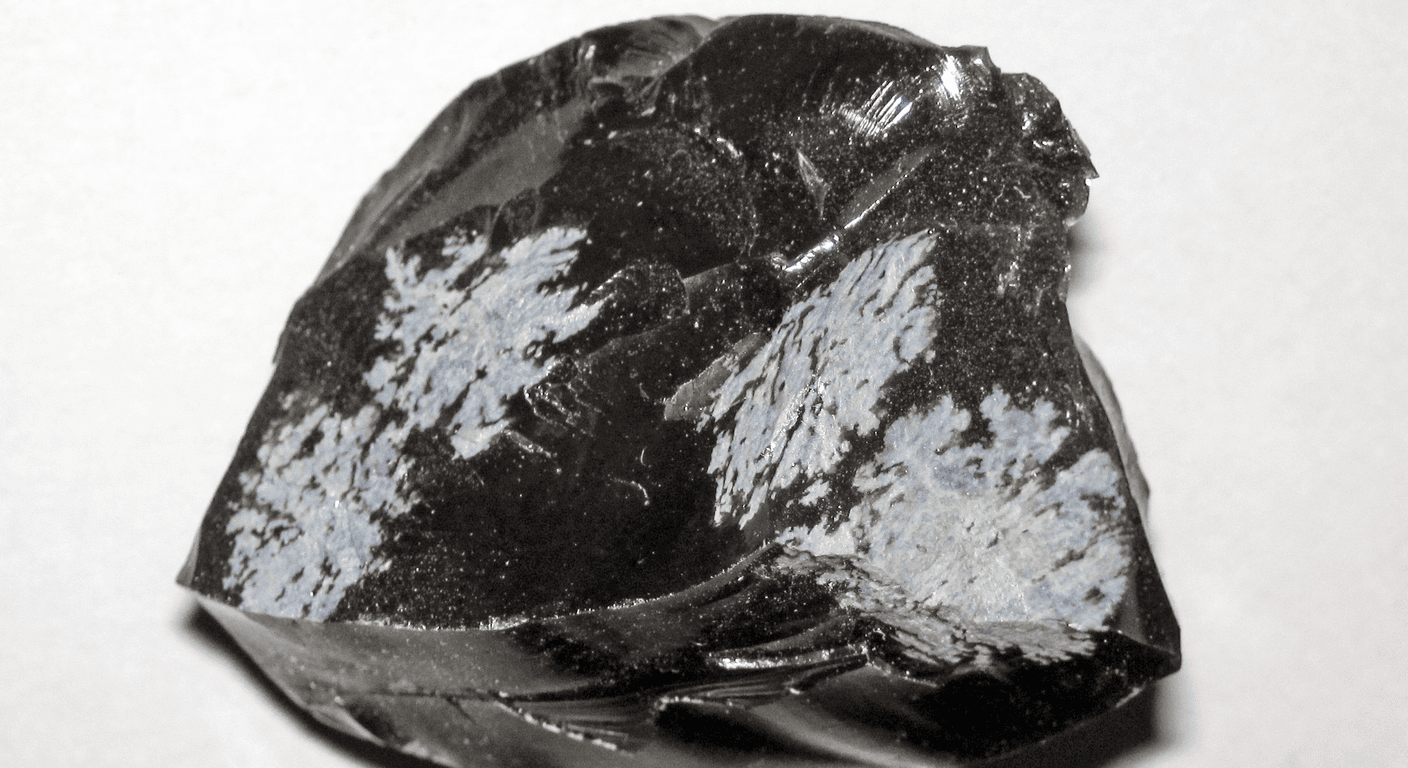
Lightning Ridge is one of the few places in the world where you can walk into a small showroom, sit down with a miner or a cutter, and look at stones that came out of the ground a kilometre away. Black opals — the deep-bodied stones with rolling fire in green, blue, red and gold — are found almost nowhere else on Earth in commercial quantities. The experience of seeing them in person, held up to a lamp in a quiet room, is something photographs genuinely cannot convey.
The showrooms along Morilla Street and scattered through the residential streets operate very differently from jewellery shops in the city. There's rarely a hard sell; most miners are happy to talk about their stones, explain the grading terms (brightness, pattern, body tone), and let you look without obligation. That said, a basic understanding of what you're looking at helps. Ask about 'brightness' (the intensity of the colour play, graded 1–5), 'pattern' (harlequin, pinfire, rolling flash), and 'body tone' (how dark the base stone is — N1 being the darkest and most valuable).
Prices vary enormously — a small, lively black opal can start at a few hundred dollars; exceptional stones reach into the tens of thousands. There's no pressure to buy anything, and window-shopping here is a genuine pleasure. If you do intend to purchase, ask for a written description of the stone and a receipt that includes the seller's details — useful for insurance purposes back home. The Opal Association of Australia (opal.org.au) has general guidance on buying responsibly.
The Car-Door Art Trail and the Town's Eccentric Side
One of the more disarming things about Lightning Ridge is that its eccentricity is structural — literally built into the landscape. The self-guided car-door art trail winds through residential streets where locals have arranged hundreds of painted car doors as fences, gallery walls and sculptures. The Visitor Information Centre provides a map. It takes an easy hour or two by car, stopping wherever something catches your eye, and it costs nothing.
Amigo's Castle — a hand-built stone castle on the edge of town, constructed over decades by a single opal miner — is another stop that rewards the slight detour. It's the kind of project that could only happen here: a man with time, stone, and an idea. John Murray's sculptures, visible around town, are in a similar vein — large-scale works in stone and concrete that reference the town's history and mythology. None of it is curated or ticketed. It simply exists, which is rather the point.
The artists' camps on the edge of town — where painters, sculptors and craftspeople have set up semi-permanent studios — are worth a slow drive through. Some open their studios to visitors; others are private. The Visitor Information Centre can advise on which are welcoming at any given time. For a traveller with an eye for craft and cultural texture, this is where Lightning Ridge reveals a layer that the opal showrooms alone don't capture.
Practical Matters: Health, Comfort and the Heat
The single most important practical decision is timing. Lightning Ridge summer — November through March — delivers temperatures that regularly exceed 40 degrees, and occasionally push past 45. This is not the time to visit if you have any concerns about heat tolerance, cardiovascular conditions, or simply your own comfort. April to September is the season: days are warm to mild, nights are cool and clear, and the light in the late afternoon on the red plain is extraordinary.
Medical facilities in Lightning Ridge are limited — there is a small hospital, but for anything significant you would be transported to Dubbo. Travel insurance that covers pre-existing conditions and includes medical evacuation is not optional here; it's essential. Carry any prescription medications in adequate supply, and bring more water than you think you need for drives outside town.
Accommodation ranges from a caravan park (well-regarded among grey nomads, with powered sites and cabins) to a small number of motel-style options in town. Standards are comfortable rather than luxurious, which suits the place perfectly. Mobile coverage in town is generally adequate with the major carriers, but drops off quickly outside the town boundary — download offline maps before you venture to the mine sites. And bring a good torch for those midnight bore bath visits. The stars above Lightning Ridge, on a clear winter night, are as dark-sky as Australia gets.
Quick planning guide
| Ideal pace | Slow-paced, self-directed — no need to rush |
|---|---|
| Best months | April to September (mild days, cool clear nights) |
| Suggested stay | Around four days |
| Mobility level | Easy for the town centre, bore baths and art trail; underground mine tours vary and can be more active |
| Cost level | Budget-friendly, with optional high-end spending on black opals |
| Comfort level | Comfortable rather than luxurious |
| Best for | Grey nomads, couples and travellers drawn to authentic, unpolished character over resort-style tourism |
| Main planning consideration | Avoid the November–March heat and arrange travel insurance covering medical evacuation, given limited local medical facilities |
Key takeaways
- Lightning Ridge produces the world's most valuable black opals, found almost nowhere else in commercial quantities.
- The free artesian bore baths on Morilla Street are open around the clock at roughly 40 degrees, with entry rails and graduated steps.
- April to September is the only sensible season — summer temperatures regularly exceed 40 degrees Celsius.
- The town is reached via sealed road from Dubbo, roughly three hours north on the Castlereagh Highway; no public transport serves Lightning Ridge.
- Underground mine tours vary in physical demands — ask operators directly about steps, shafts and confined spaces before booking.
- Travel insurance covering pre-existing conditions and medical evacuation is essential; medical facilities in town are limited.
Recommended partners and links
Indicative prices only — always confirm with the operator before booking.
Frequently asked questions
When is the best time to visit Lightning Ridge for travellers over 50?
April to September is the recommended window. Daytime temperatures are manageable — typically 15 to 25 degrees — and nights are cool and clear. Summer (December to February) regularly exceeds 40 degrees, which poses real health risks and makes outdoor activities impractical.
Are the Lightning Ridge bore baths suitable for older travellers with mobility considerations?
Generally yes. The Artesian Bore Baths on Morilla Street have graduated entry steps and handrails along the pool edges. The floor can be slippery, so water shoes are advisable. The baths are free, open 24 hours, and the water temperature of around 40 degrees is therapeutic for joints and muscles. Confirm current conditions with the Visitor Information Centre on arrival.
How do you get to Lightning Ridge from Melbourne or Sydney?
From Sydney, drive west to Dubbo and then north on the sealed Castlereagh Highway through Walgett — allow around eight to nine hours total, best broken into two days. From Melbourne, flying to Dubbo and hiring a car is more practical than the very long drive. Rex Airlines and Qantas Link serve Dubbo from Sydney; confirm schedules and fares directly. There is no regular public transport between Dubbo and Lightning Ridge.
Do opal showrooms in Lightning Ridge pressure you to buy?
Rarely. Most showrooms in Lightning Ridge are run by miners or small cutters who are genuinely interested in talking about their stones. Browsing without buying is common and accepted. If you're considering a purchase, ask for a written receipt describing the stone's body tone, pattern and brightness — this is useful for insurance purposes and confirms you're dealing with a legitimate seller.
What are the underground mine tours like, and are they accessible?
Tours vary significantly between operators — some involve walking through horizontal drives at ground level, others require a vertical descent by ladder or cage, and ceilings can be low. Physical requirements differ, so contact operators directly before booking to ask about steps, confined spaces and the level of exertion involved. The Lightning Ridge Visitor Information Centre (lightningridge.net.au) can direct you to current operators and their contact details.