White Cliffs, in outback New South Wales about 100 km north of Wilcannia, is best visited between April and September, when temperatures stay manageable. A stay of two to three nights allows time to sleep in the town's underground dugout motel — held at a constant 23°C — visit opal showrooms run by local miners, and walk the diggings. Mobility is moderate, given uneven mining terrain underfoot; access is via a sealed road from Wilcannia or by flying into Broken Hill and driving on.
Why White Cliffs? Understanding the Underground Logic
Australia's oldest commercial opal field began producing in 1889, and within a generation the miners had worked out something the architecture schools took longer to admit: the earth itself is the best insulator available. Digging into the pale, chalky hillsides kept the temperature at a steady 23°C year-round, regardless of what the sun was doing outside. It still does. That constancy is the whole point.
Today roughly half of White Cliffs' small permanent population lives in dugouts — some modest, some surprisingly spacious, nearly all of them cooler and quieter than anything air-conditioning can reliably deliver in a 48°C summer. For travellers who have spent years carefully timing itineraries around heat, this is not a quirk. It's a genuine solution, and sleeping inside it for two or three nights is the most direct way to understand outback ingenuity at its most practical.
The town sits about 1,000 km north-west of Sydney and 300 km north-east of Broken Hill. It's remote by any honest measure — and that remoteness is exactly what keeps it real. No resort infrastructure, no curated heritage precinct. Just a working opal community that happens to welcome visitors with warmth and very good underground rooms.
Getting There: Sealed Roads, Fuel Planning and the Broken Hill Option
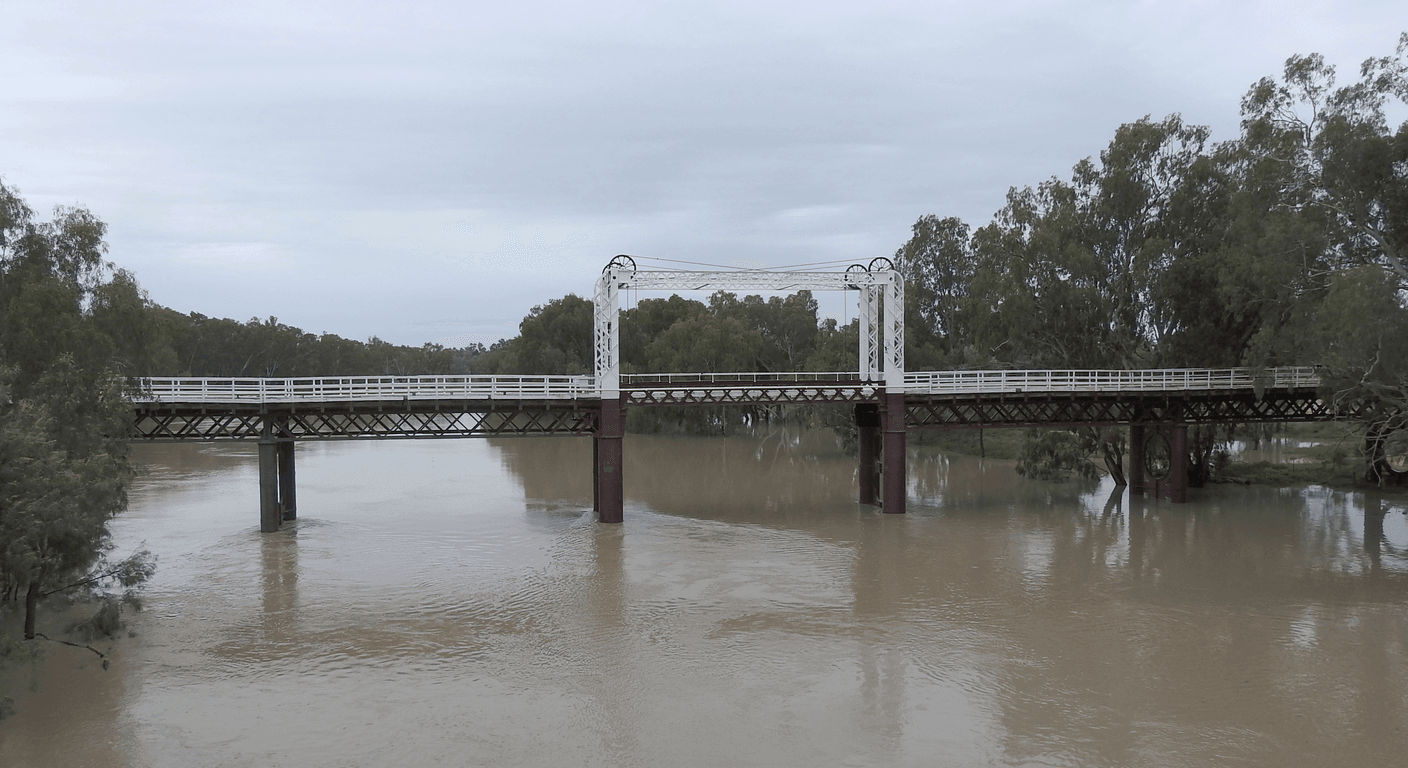
The sealed road from Wilcannia to White Cliffs — around 100 km — was one of the best things to happen to the town in recent decades. It transformed a corrugated, tyre-punishing track into a manageable drive that most standard vehicles handle without drama. From Broken Hill, the route runs via Wilcannia on the Barrier Highway; allow a comfortable half-day and build in a stop at Wilcannia itself, a town with its own layered and often overlooked history on the Darling River.
Fuel is the variable that requires the most attention. White Cliffs has one fuel source, and supply is not always guaranteed. The practical rule is straightforward: fill the tank completely in Wilcannia before heading north, and carry a small reserve if your vehicle has the capacity. Confirm fuel availability at White Cliffs before you depart — a quick phone call to the motel or local store takes thirty seconds and removes all uncertainty.
Flying into Broken Hill is the most comfortable entry point for travellers coming from Melbourne, Sydney or Adelaide. Rex Airlines operates regular services to Broken Hill from Sydney and Melbourne; confirm current schedules and fares directly with Rex at rex.com.au. From Broken Hill, hire a car and allow yourself a night there before continuing — it's a worthwhile destination in its own right, and the Broken Hill to Wilcannia to White Cliffs drive is better done fresh than rushed.
What Is It Like to Sleep Underground?
The White Cliffs Underground Motel is the anchor of any visit. Rooms are carved directly into the hillside — cool white walls, low ceilings in places, and that remarkable quiet that comes from being surrounded by earth rather than plasterboard. It's not claustrophobic in the way some people fear; the spaces are properly proportioned, and the lack of natural light is offset by warm artificial lighting that the owners have clearly thought about.
The temperature holds at around 23°C without any mechanical intervention. In April that feels pleasantly cool; in the middle of a White Cliffs summer, it would feel like salvation. For travellers who find heat genuinely difficult — and many women in their sixties are navigating exactly that — the underground stay removes the problem entirely rather than managing it with a rattling split system.
Booking ahead is essential. The motel has a limited number of rooms and White Cliffs is not a place where you can reliably turn up and find accommodation. Rates are indicative — roughly in the range of $120 to $160 per night at time of writing, but confirm current pricing directly with the motel before planning. The experience is worth the forward planning; this is not a place to treat as a spontaneous detour.
The Opal Showrooms: Where the Field's Story Gets Personal
Opals from White Cliffs are distinct — lighter in body colour than Lightning Ridge's black opals, with a rolling, milky play of colour that has its own devoted following among collectors. Several local miners sell directly from small showrooms attached to their properties, and these visits are among the most genuinely engaging things to do in town. You're buying from the person who found it, often in a dugout just metres from the display case.
Prices range from affordable to significant, and the quality varies accordingly. Take time. Ask questions — miners who sell direct tend to enjoy talking about the stone, the seam it came from, the years it took to find a good pocket. There's no pressure, and the conversations themselves are worth having. For anyone in the group who has ever been curious about opals without quite understanding them, a twenty-minute chat with a White Cliffs miner is a better education than any museum label.
A small group of friends travelling together can make an afternoon of the showroom circuit — walking between properties, comparing what they've seen, debating whether the particular stone one of them is holding is actually worth the price. It's a low-key, genuinely pleasurable way to spend time in a place that has no interest in performing for tourists.
The Diggings: Reading the Moonscape Safely
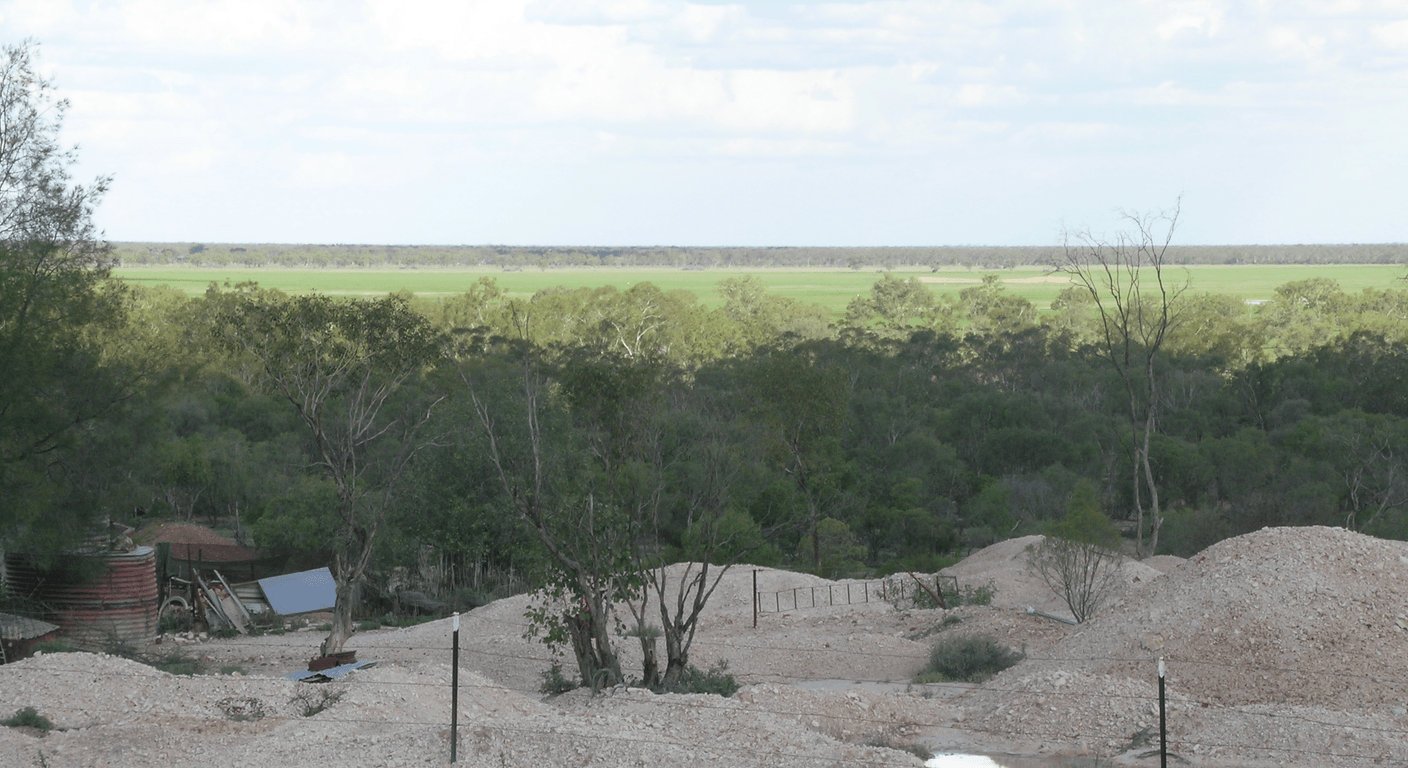
Viewed from a distance, the White Cliffs diggings look like something between a lunar surface and a vast art installation — thousands of mullock heaps, the pale spoil from decades of shafts sunk into the hillside, spreading across the landscape in every direction. It's arresting in the way that only large-scale human effort in a harsh environment can be.
Walking among the diggings requires care and common sense. Shafts can be open and unmarked, and the ground between heaps is uneven. Stick to marked areas and paths; don't wander into active mining leases. For travellers with any knee or ankle concerns, sturdy footwear and a walking pole make a real difference here. The reward for a careful walk is a genuine sense of scale — this field has been worked continuously for over 130 years, and the landscape carries that history in every heap.
Early morning is the best time to be out on the diggings. The light is extraordinary — flat, white, casting long shadows across the chalky mounds — and the temperature is manageable even in shoulder season. Bring water, wear a hat, and don't underestimate how quickly the sun intensifies even in May or September.
Pacing the Visit: Two Nights or Three?
Two nights is the practical minimum — enough to arrive, recover from the drive, explore the showrooms on day two, walk the diggings in the morning light, and depart without feeling rushed. Three nights is better, particularly for a group who want to slow down properly, take a longer look at the landscape, and spend an evening talking over dinner without an early start the next day.
There is no elaborate evening entertainment in White Cliffs. The sky, however, is extraordinary — the town sits well outside any light pollution corridor, and the Milky Way on a clear night is the kind of thing that stops a conversation. The underground motel can advise on the best spots. Bring a warm layer; outback nights cool quickly even in summer.
For a group of women travelling together, White Cliffs has a particular appeal that's worth naming directly. It's a place where the conversation happens naturally — over opals, over the strangeness of the landscape, over what it means that people chose to build their lives here. The shared experience of sleeping underground, of waking up cool when outside is already warm, creates a kind of easy camaraderie that more conventional destinations don't always manage.
Practical Matters: What to Know Before You Go
Mobile coverage at White Cliffs is limited — Telstra has the broadest reach in outback NSW, but don't rely on consistent data. Download offline maps before you leave Wilcannia. Let someone know your itinerary. These are sensible outback habits rather than cause for alarm, and the sealed road means you're never more than two hours from Wilcannia in an emergency.
Food options are limited; the town has a small number of eating options and the underground motel can advise on what's available. Bring supplies for snacks and breakfasts if you prefer flexibility. Wilcannia has a supermarket where you can stock up before heading north — do that rather than relying on White Cliffs for provisioning.
Travel insurance is worth reviewing before any remote Australian trip. Standard policies often cover domestic travel, but confirm that yours includes medical evacuation — the Royal Flying Doctor Service operates in this region, and knowing your policy covers that eventuality costs nothing to check. For travellers managing any pre-existing conditions, carry sufficient medication and a written summary from your GP.
Quick planning guide
| Ideal pace | Slow-paced and unhurried |
|---|---|
| Best months | April to September |
| Suggested stay | Two to three nights |
| Mobility level | Moderate — sealed-road access and easy accommodation, but diggings have uneven ground and open shafts requiring sturdy footwear |
| Cost level | Budget-friendly (underground motel roughly $120–$160 per night, indicative) |
| Comfort level | Basic but distinctive — limited food options, no nightlife, but consistently cool underground rooms |
| Best for | Small groups or friends seeking an authentic outback experience, opal enthusiasts, and travellers wanting to avoid extreme heat |
| Main planning consideration | Book underground accommodation well ahead and fill the fuel tank completely in Wilcannia before heading north |
Key takeaways
- White Cliffs maintains a constant underground temperature of around 23°C year-round — a practical advantage, not a gimmick.
- The sealed road from Wilcannia makes White Cliffs accessible to standard vehicles; fuel up completely before leaving Wilcannia.
- Book underground accommodation well in advance — rooms are limited and the town has no walk-in alternatives.
- Opal showrooms where miners sell direct offer some of the most genuine cultural encounters in outback NSW.
- The diggings are best explored in early morning light with sturdy footwear; stay on marked areas and away from open shafts.
- April to September is the reliable travel window; summer temperatures regularly exceed 45°C and are not suitable for most visitors.
Recommended partners and links
Indicative prices only — always confirm with the operator before booking.
Frequently asked questions
Is the road to White Cliffs sealed and suitable for a standard car?
Yes. The road from Wilcannia to White Cliffs is sealed for the full approximately 100 km and is suitable for standard two-wheel-drive vehicles. No four-wheel-drive is required. Fill your fuel tank in Wilcannia and confirm fuel availability at White Cliffs before departing, as the town has only one fuel source.
What is it like to stay in an underground dugout room?
Underground rooms at White Cliffs are carved into the hillside and maintain a constant temperature of around 23°C regardless of outside conditions. They are quiet, cool and properly furnished. Some rooms have lower ceilings, but they are not cramped. There is no natural light, which most guests find relaxing rather than uncomfortable. Book directly with the White Cliffs Underground Motel and confirm current rates before planning.
When is the best time to visit White Cliffs?
April to September is the recommended window. Daytime temperatures are manageable, nights are cool, and the landscape is at its most walkable. October through March brings extreme heat — regularly above 45°C — that makes outdoor exploration impractical and potentially dangerous for most visitors.
Can you buy opals directly from miners at White Cliffs?
Yes. Several miners in White Cliffs operate small showrooms and sell directly from their properties. White Cliffs opals are typically lighter in body colour than Lightning Ridge stones, with a distinctive milky play of colour. Prices vary widely depending on quality. There is no obligation to buy, and the conversations with miners about how stones are found are genuinely informative.
How do you get to White Cliffs from Melbourne or Sydney?
From Sydney or Melbourne, fly to Broken Hill with Rex Airlines (confirm current schedules at rex.com.au), hire a car, and drive via the Barrier Highway to Wilcannia, then north on the sealed road to White Cliffs. The Broken Hill to White Cliffs drive takes roughly three to four hours including a Wilcannia stop. Allow a night in Broken Hill before continuing — it eases the journey and is worth a visit in its own right.