The Loire Valley rewards travellers who choose three châteaux — Chenonceau, Chambord and Villandry — rather than rushing eight, basing themselves in Amboise or Tours for around a week. Flat cycling paths and gravel garden walks keep most days easy, though château staircases demand moderate mobility. Australians reach the region via a 22–24 hour flight to Paris, followed by a one-hour TGV to Tours, ideally after a recovery night in Paris before continuing on.
Getting There: The Long Haul and What to Do About It
From Melbourne or Sydney, Paris is roughly 22 to 24 hours in the air, typically via Dubai, Singapore or Doha with one stopover. That's a full day of your life, and pretending otherwise helps no one. The sensible move is to arrive in Paris, book one or two nights near Gare Montparnasse or Gare de Lyon, and do nothing more demanding than a slow walk and a decent meal. Jet lag hits differently at 70 than it did at 40 — give the body a night to catch up before the real journey begins.
From Paris, the TGV to Tours Saint-Pierre-des-Corps takes around one hour, sometimes a fraction less. It's one of France's more civilised train rides — fast, smooth, and the Loire Valley begins to announce itself through the window before you've finished your coffee. From Tours station, taxis and local trains connect easily to Amboise, about 25 minutes east. Confirm current timetables and book seats in advance through SNCF Connect (sncf-connect.com); the TGV fills quickly in peak season.
For Australians, the current entry requirements for France include the ETIAS European travel authorisation, which is expected to be operational for 2026 travel. Visa requirements, health declarations and entry conditions can change — always check smartraveller.gov.au well before departure, and again closer to travel. Travel insurance that covers pre-existing medical conditions is essential; read the fine print before you buy, not after.
Where to Base: Amboise or Tours?
This is genuinely a choice worth making rather than defaulting to the better-known city. Tours is larger — a proper city of around 140,000 people, with excellent restaurants, a Saturday morning market at Les Halles that deserves an unhurried hour, and strong transport connections that make day trips straightforward. The old quarter around Place Plumereau has been well restored and rewards an evening stroll. For travellers who want urban energy alongside château days, Tours delivers.
Amboise is smaller and, for many, the more atmospheric choice. The royal château sits directly above the town, the main street is walkable in ten minutes, and Leonardo da Vinci spent his final years at the Château du Clos Lucé just up the hill — a detail that never quite loses its strangeness. The scale is human. You can walk to the river in the morning, visit a cave winery in the afternoon, and be back at your hotel by six without having managed a single thing efficiently. That's not a flaw.
Practically: Amboise has fewer hotel options, so book early for May–June. Tours has more choice and better access if you're relying solely on public transport. Either town works well as a hub; some travellers split their stay between both, which adds a pleasant change of pace mid-trip.
The Three Châteaux Worth Your Time
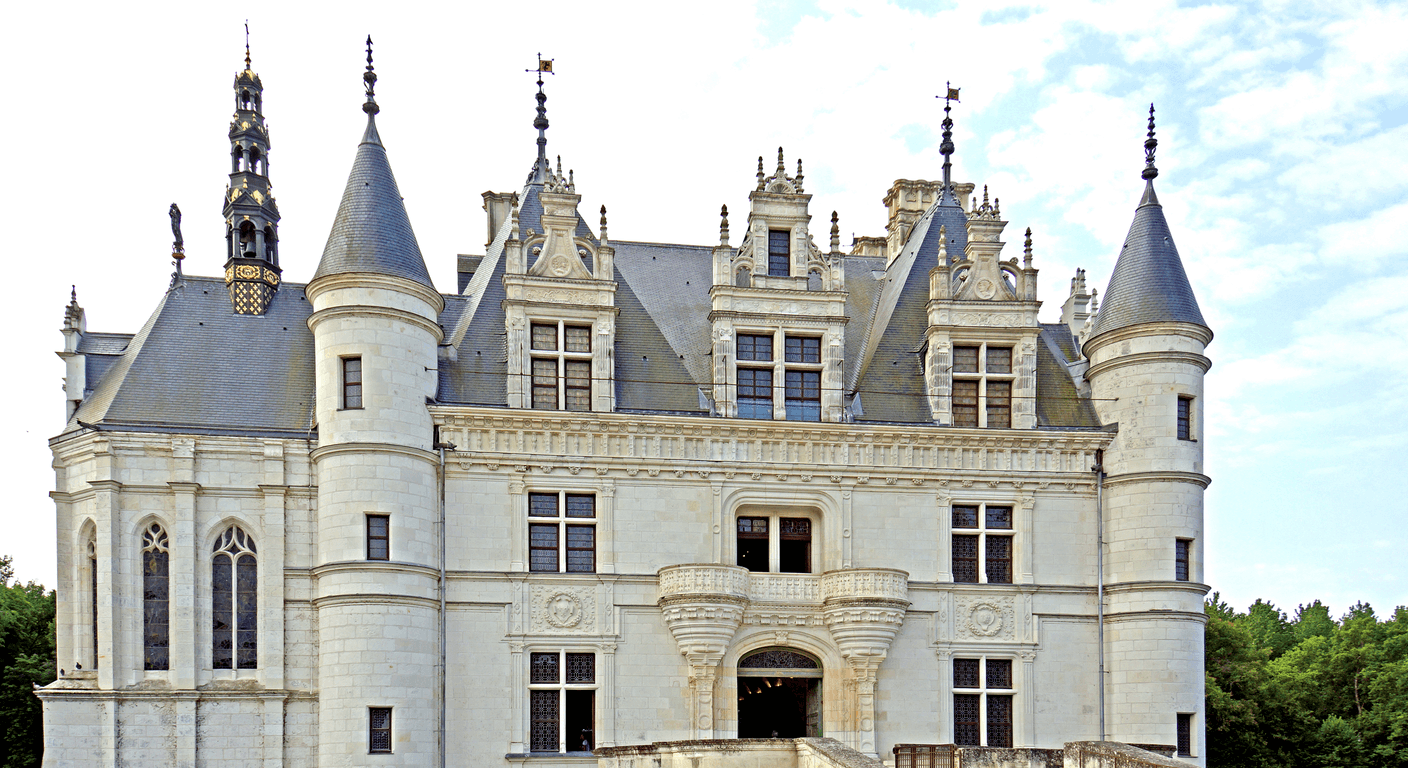
Chenonceau is the one that earns its reputation. Spanning the River Cher on a series of arches, it reads differently from every angle — from the formal gardens on the bank, from the bridge itself, from the gallery above the water. Arrive when it opens, ideally on a weekday, and the first hour is genuinely quiet. The interior is well-presented without being overwhelming, and the gardens are flat enough to be managed comfortably. Indicative adult entry is around €18–€20; confirm current pricing at chenonceau.com.
Chambord is the other essential, and for entirely different reasons. It's vast — the largest château in the valley, set in a forested royal domain the size of Paris. The roofline, with its towers and chimneys and the famous double-helix staircase attributed to Leonardo, is genuinely unlike anything else. Be honest with yourself about the stairs: the interior involves multiple levels, and some areas are steep. The ground floor and the rooftop terrace (accessed by lift in some sections — confirm on arrival) are the highlights. The surrounding flat parkland is good for a slow walk or a hired bike. Budget a full half-day.
Villandry makes the case for gardens over architecture. The Renaissance château itself is pleasant but not exceptional; the gardens are the point — six hectares of ornamental kitchen gardens, water gardens and ornamental beds, all maintained with a precision that borders on theatrical. The paths are largely flat gravel, well-maintained, and the pace here is naturally slower. It's a good final château on the itinerary, when the interior of another grand salon would feel like homework. Indicative entry around €13–€15 for gardens only; confirm at chateauvillandry.fr.
Getting Around: Minibus Tours Versus Self-Drive
Self-driving in the Loire is straightforward on paper — the D-roads between châteaux are well-signed and generally quiet — but parking at Chambord and Chenonceau can be time-consuming in peak season, and European hire car costs have risen considerably since 2022. For travellers who haven't driven on the right in a while, or who'd simply prefer not to navigate, a well-chosen minibus day tour is the more relaxed option. Several operators based in Tours offer small-group (eight to twelve person) half-day and full-day tours covering two or three châteaux, often with a wine-tasting stop included. Indicative cost around €50–€90 per person depending on inclusions; compare operators through the Tours tourist office at tours-tourisme.fr.
The middle option is a mix: take a minibus tour for the two major châteaux that involve more complex logistics (Chambord especially), and self-drive or cycle to Villandry, which is only around 15 kilometres from Tours. Several local taxi operators also offer half-day château runs at negotiated rates — worth asking your hotel to arrange. The key is not to over-engineer it. The Loire rewards flexibility.
One practical note on stairs and gravel: both Chenonceau and Chambord have interior staircases that are unavoidable if you want to see the upper floors. They're stone, sometimes worn smooth, and occasionally steep. Good walking shoes with grip are not optional. If stairs are a genuine concern, focus on the exterior, the gardens, and the ground-floor rooms — which at Chenonceau in particular are among the finest. No château experience is diminished by knowing your limits.
Cycling the Loire à Vélo: Flat, Quiet and Genuinely Pleasant
The Loire à Vélo is an 800-kilometre signed cycling route following the Loire and its tributaries from the Atlantic coast to Burgundy. The section between Tours and Amboise — roughly 25 kilometres each way — runs mostly on dedicated paths or very quiet roads along the river and through small villages. It's flat. Genuinely flat, in a way that the French countryside doesn't always manage. For travellers who haven't cycled regularly in a few years, this is a forgiving reintroduction.
Electric bikes are widely available for hire in both Amboise and Tours, and they remove any residual anxiety about distance or headwind. A half-day ride to a riverside village for lunch, then back along the opposite bank, is one of the more satisfying things the Loire offers — and it costs a fraction of a château entry. Bike hire operators are listed on loireavelo.fr/en, along with downloadable maps and suggested itineraries. Indicative hire around €15–€25 per day for a standard bike, more for an e-bike; confirm locally.
Wine Caves, Markets and the Days Between
The Loire Valley produces some of France's most interesting white wines — Vouvray and Montlouis-sur-Loire from Chenin Blanc, Sancerre and Pouilly-Fumé from Sauvignon Blanc further east — and a good deal of the wine is aged in tufa caves carved into the soft limestone cliffs. Several producers around Vouvray (a short drive or taxi from Tours or Amboise) offer cellar-door tastings in caves that maintain a constant cool temperature year-round. It's a good afternoon for a warm day, and the wines tend to be excellent value compared to what they'd cost in Australia.
Markets deserve more attention than they typically get in château-focused itineraries. The Saturday market in Tours, and the smaller weekly market in Amboise, are where the actual life of the region is visible — local cheeses, rillettes (the Loire's answer to pâté, and the right answer), seasonal vegetables, cut flowers. An hour there on a market morning, unhurried, is as good an introduction to the region as any château. Amboise also has a small but rewarding old town to explore on foot, and the Château du Clos Lucé — where Leonardo da Vinci lived from 1516 until his death in 1519 — is worth a half-day for the models of his inventions alone. Indicative entry around €18; confirm at vinci-closluce.com.
The rhythm of a good Loire week looks something like this: two or three château days, two cycling or market days, one cave-winery afternoon, and one day of genuine rest — a long lunch, a slow walk along the river, perhaps a book. That's not indulgence. That's the point.
Practical Matters: Costs, Comfort and Staying Well
The Loire Valley sits comfortably in the mid to upper-mid range for France. A good three-star hotel in Amboise or Tours runs indicatively around €120–€180 per night for a double room; four-star options exist in Tours at higher rates. Meals at a proper sit-down restaurant — three courses with wine — run indicatively around €40–€60 per person at a mid-range place, less at a brasserie. These are indicative figures for 2026 planning purposes; confirm current costs on booking sites and with your accommodation.
Travel insurance is non-negotiable, and the specific detail matters: policies for travellers over 65 with pre-existing conditions vary enormously in what they cover and exclude. Read the product disclosure statement carefully, compare several providers, and ensure your policy covers emergency medical evacuation — not just hospital costs. The Australian Government's Smartraveller site (smartraveller.gov.au) has guidance on insurance for older travellers and maintains current France travel advisories.
A few small things that make a difference: book château entry online in advance for Chenonceau and Chambord — queues at peak times can be significant, and online booking usually allows timed entry. Comfortable, grippy walking shoes matter more than fashionable ones. A light day pack for water, a layer and a compact umbrella covers most Loire weather. And if the body says rest on day five, rest on day five. The châteaux will still be there.
Quick planning guide
| Ideal pace | Slow-paced — three châteaux with rest and market days between |
|---|---|
| Best months | Spring to early summer (May–June) is popular for booking, though wine caves stay cool year-round |
| Suggested stay | About a week (five to seven days) |
| Mobility level | Moderate — flat cycling and garden paths, but château staircases and gravel require care |
| Cost level | Mid to upper-mid range for France |
| Comfort level | Comfortable three- and four-star hotels with an unhurried daily rhythm |
| Best for | Over-50 travellers who prefer curiosity and pacing over covering as much ground as possible |
| Main planning consideration | Booking château entry and TGV seats ahead, pacing around stairs and gravel, and securing travel insurance that covers pre-existing conditions and evacuation |
Key takeaways
- Three contrasting châteaux — Chenonceau, Chambord, Villandry — gives a complete picture of the Loire without the fatigue of trying to see eight.
- Amboise and Tours are both excellent bases; Amboise is more intimate, Tours has better transport connections and more hotel choice.
- The TGV from Paris to Tours takes around one hour — build in a Paris recovery night after the long-haul flight from Australia before heading to the Loire.
- The Loire à Vélo cycling path between Tours and Amboise is genuinely flat and well-suited to e-bike hire for travellers who haven't cycled regularly in a few years.
- Château stairs and long gravel walks are real considerations — focus on ground floors, exterior views and gardens if mobility is a concern, without missing the essential experience.
- Always check entry requirements and travel advisories at smartraveller.gov.au before booking, and ensure travel insurance covers pre-existing conditions and medical evacuation.
Recommended partners and links
Indicative prices only — always confirm with the operator before booking.
Frequently asked questions
How many châteaux should over-50 travellers visit in the Loire Valley?
Three well-chosen châteaux is the practical answer for a seven-to-ten-night stay. Chenonceau, Chambord and Villandry offer genuinely different experiences — river-spanning architecture, vast royal scale, and formal gardens respectively — and give a complete picture of the valley without the blur that sets in after five or six. Rest days between château visits make each one more memorable.
Are the Loire Valley châteaux accessible for travellers with mobility limitations?
Accessibility varies significantly by château. Villandry's gardens are largely flat and manageable. Chenonceau and Chambord both involve stone staircases to reach upper floors; some sections at Chambord have lift access — confirm on arrival. If stairs are a concern, the ground floors, exteriors and gardens at all three châteaux still deliver the essential experience. Good grippy walking shoes are essential on worn stone floors and gravel paths.
What is the best way to get from Paris to the Loire Valley?
The TGV from Paris (Gare Montparnasse or Gare d'Austerlitz depending on the service) to Tours Saint-Pierre-des-Corps takes around one hour. It's the fastest and most comfortable option. Book seats in advance through SNCF Connect (sncf-connect.com), as trains fill quickly in May–June and September–October. From Tours, local trains and taxis connect to Amboise in around 25 minutes.
What entry requirements do Australians need for France in 2026?
Australians travelling to France in 2026 are expected to require an ETIAS (European Travel Information and Authorisation System) authorisation in addition to a valid passport. Entry requirements can change — always check the current advice at smartraveller.gov.au well before departure and again closer to your travel date. Never rely solely on third-party sources for visa or entry information.
Is self-driving better than a minibus tour for the Loire Valley châteaux?
It depends on your confidence driving on the right and your preference for flexibility versus ease. Self-driving gives full control of timing and routing, but parking at Chambord and Chenonceau can be time-consuming in peak season. Small-group minibus tours from Tours handle logistics and often include a wine-tasting stop; indicative cost around €50–€90 per person. A practical middle ground is a minibus tour for the major châteaux and a taxi or short cycle for Villandry.
- Loire Valley Tourism — Official Site
- Château de Chenonceau — Official Site
- Château de Chambord — Official Site
- Château de Villandry — Official Site
- Loire à Vélo — Official Cycling Route
- SNCF Connect — TGV Bookings
- Smartraveller — France Travel Advice (Australian Government)
- Château du Clos Lucé (Leonardo da Vinci) — Official Site
- Tours Tourism — Official Site