Low Head and George Town sit about 50 minutes north of Launceston at the mouth of the Tamar River, and suit a full day or overnight trip year-round. The defining highlight is the working Low Head Pilot Station and lighthouse paired with guided evening little penguin tours. Terrain is flat and mobility-friendly, but there's no public transport, so visitors need a hire car or private transfer, and driving back after dark means watching for wildlife on unlit roads.
Why Low Head and George Town suit travellers who like substance over spectacle
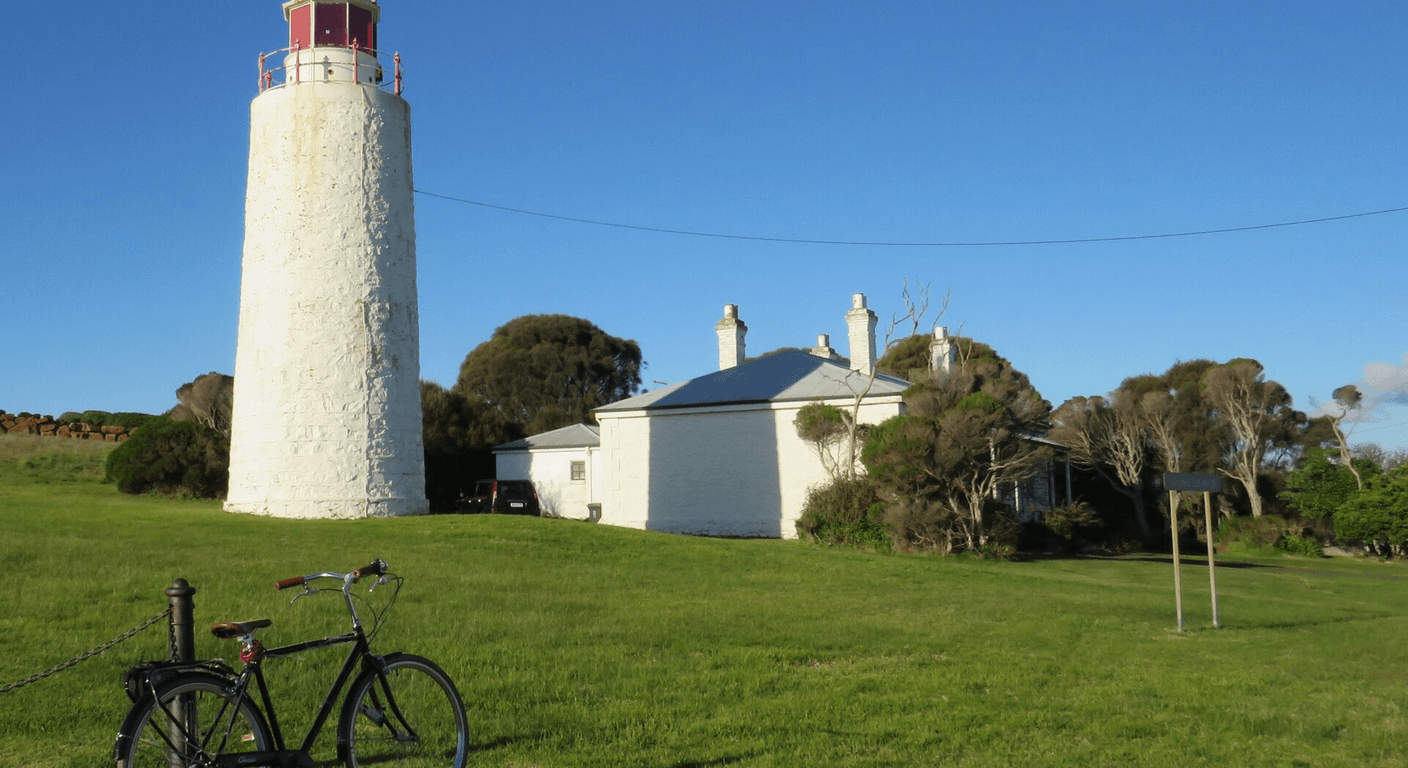
Low Head sits at the northern tip of the Tamar River estuary, where the river meets Bass Strait. It is not a resort town or a tourist precinct — it is a working maritime location with a lighthouse that has guided ships since 1833 and a pilot station compound that has been in continuous use for nearly as long. That history is tangible rather than packaged, and for travellers who find meaning in places that have actually done something, Low Head has a particular kind of pull.
George Town, about five minutes by car from Low Head, is the third-oldest European settlement in Australia and carries that age without fuss. It has the practical feel of a real town — a supermarket, a couple of cafes, a pub — alongside the Bass and Flinders Centre, which tells the story of the earliest European maritime exploration of Bass Strait. Together, the two locations make a full, unhurried day from Launceston without requiring any rushed itinerary.
The appeal for solo travellers, particularly women travelling alone, is also practical: the penguin tours are guided and run in small groups, the museum and lighthouse grounds are easy to navigate independently, and George Town has enough of a town centre that you never feel isolated. Staying overnight removes any pressure around the evening penguin tour and the drive back in the dark.
Getting there from Launceston — what does the drive look like?
Low Head is roughly 50 minutes by car from Launceston, heading north along the Batman Highway and then the East Tamar Highway through Beaconsfield and past Exeter. The road is well-maintained and straightforward, passing through the vine country of the Tamar Valley. There is no direct public transport connection to Low Head itself, so a hire car or a pre-arranged private transfer is the practical choice for most visitors.
Launceston has car hire available through major operators at the airport and in the city centre. If driving is not preferred, some Launceston-based tour operators run day trips or half-day trips to the area — worth checking with Discover Tasmania or local visitor information centres for current options. The drive itself, following the Tamar north with occasional river views, is pleasant and not demanding.
Parking at both the Low Head Pilot Station and the George Town waterfront is free and easy. The area does not attract the kind of traffic that makes parking stressful, even in peak season.
The Low Head Pilot Station and Maritime Museum — what will you find there?
The Low Head Pilot Station is the oldest operating pilot station in Australia, and its compound includes the original pilot cottages, a signal station, and a maritime museum housed in heritage buildings. The museum holds a genuine collection of maritime artefacts, signal equipment, and material relating to the Tamar River's shipping history — the kind of collection assembled over generations rather than curated for a tourist audience.
Entry to the museum involves a small fee; confirm current pricing directly with the museum before visiting. The grounds are open and pleasant to walk through, with views across the river mouth to Bass Strait. The lighthouse itself stands at the point — it is photogenic in the late afternoon light, particularly with the low coastal scrub around it — and the area between the pilot station and the lighthouse is flat and short enough to walk comfortably.
For anyone with an interest in Australian maritime history, or Italian Australian history specifically (many early Tasmanian fishermen and mariners were of Italian origin, working these waters through the nineteenth and twentieth centuries), the museum rewards a slow look rather than a quick pass-through. Allow at least 90 minutes for the compound.
The little penguin tour — what should you know before you go?
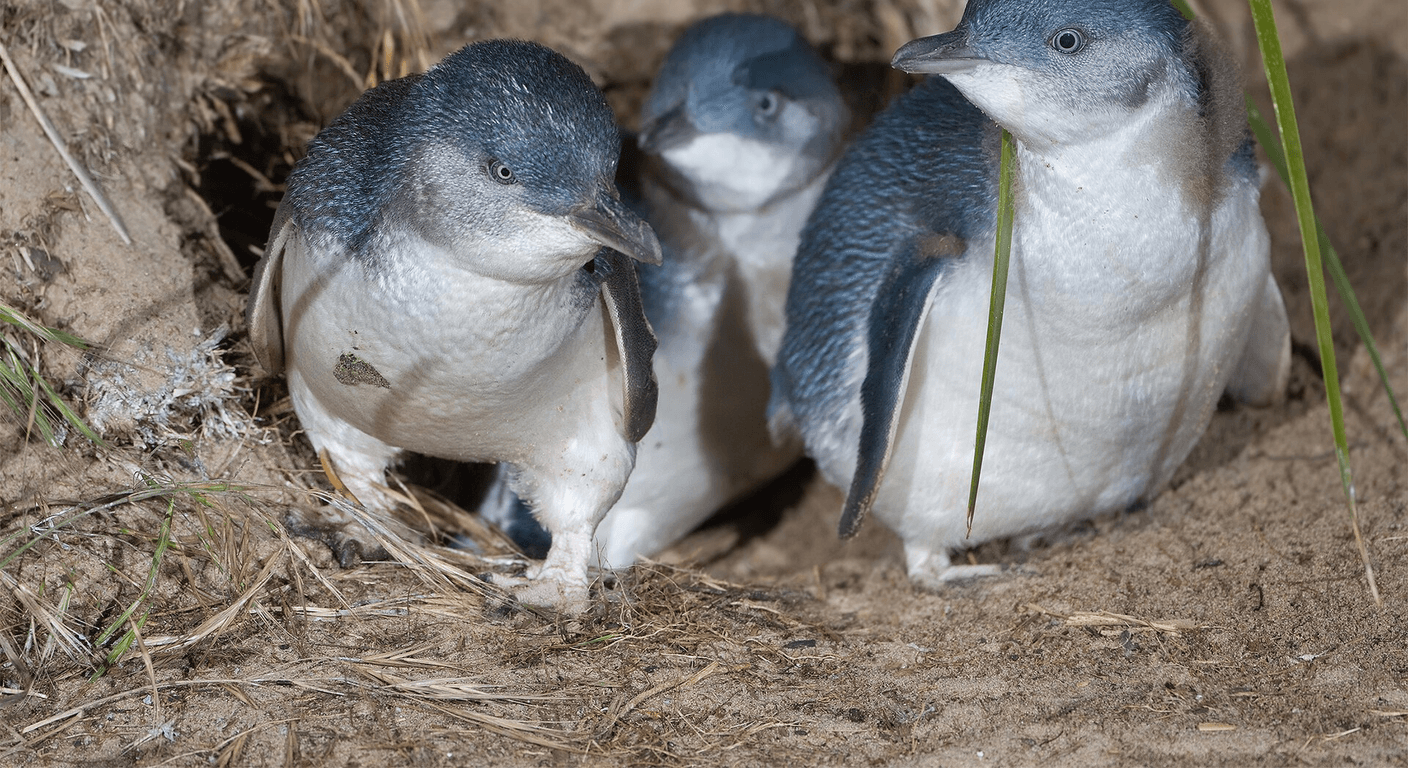
Low Head Penguin Tours operates guided evening tours to watch little penguins come ashore at dusk. The colony at Low Head is well-established and the tours have run for many years. Unlike Phillip Island's large-scale operation, the Low Head experience is small and relatively informal — groups are modest in size, guides are knowledgeable, and the beach setting is genuinely wild rather than stadium-style.
Tours operate at dusk, with timing shifting across the year as the days lengthen or shorten. Indicative pricing is around $25–$30 per adult at the time of writing, but confirm current prices and exact tour times directly with the operator at lowheadpenguintours.com before planning your day around it. Bookings are advisable, particularly in summer and school holiday periods. The tour site involves walking on beach and coastal terrain — it is generally manageable but worth asking the operator about any specific mobility concerns when booking.
Warm, windproof layers are genuinely necessary at Low Head even in summer — Bass Strait air moves fast across the point. A small torch with a red filter is useful (white light disturbs the penguins), and the operator will advise on this. Plan to be at Low Head for the tour start, which means either spending the afternoon at the site and in George Town, or timing a later afternoon drive from Launceston.
George Town — what is worth your time in the town itself?
The Bass and Flinders Centre on George Town's waterfront tells the story of the 1798 voyage of Matthew Flinders and George Bass, who circumnavigated Tasmania and confirmed it was an island. The centre uses replicas, maps, and interpretive material to bring the voyage to life. It is compact and manageable in under an hour, and it gives the broader landscape you have been driving through a historical frame that makes the Tamar and Bass Strait feel more layered.
George Town's main street has a modest selection of cafes suited to a relaxed lunch or afternoon coffee. The town is not a culinary destination, but there are solid, unfussy options for a meal before or after the lighthouse visit. For solo travellers, the scale of George Town is comfortable — small enough to feel safe and oriented, large enough to have services.
The waterfront foreshore area in George Town is flat and pleasant for a short walk. Views across the Tamar here are wide, and in the right light the river has a calm, pewter quality. It is the kind of place that rewards sitting quietly with a coffee rather than ticking off attractions.
Staying overnight versus driving back — what makes sense?
The penguin tour ends after dark, and the drive back to Launceston on unlit rural roads at night deserves consideration, particularly for solo travellers unfamiliar with Tasmanian roads. Wildlife — wallabies, possums, wombats — moves at dusk and after dark, and the risk of a collision is real and well-known to locals. This is not a reason to avoid the tour, but it is a reason to think about the return journey honestly.
George Town has accommodation options including a pub with rooms, a caravan park, and some self-contained holiday rental properties. Staying overnight allows you to take the penguin tour without any time pressure, enjoy a quiet dinner in town, and drive back to Launceston the next morning in daylight. For a solo traveller, the extra night also adds a sense of ease to the whole day — nothing feels rushed or calculated around a departure time.
If returning to Launceston the same evening, leaving immediately after the tour and driving at a careful pace is manageable. Let someone know your expected arrival time and keep your phone charged. The road is not difficult, but attention in the dark is required.
Practical notes on accessibility, pacing, and what to bring
The terrain at Low Head is genuinely flat and the distances between the pilot station, the lighthouse, and the beach are short. For travellers with reduced mobility or who use a walking aid, the main areas are accessible without significant difficulty. The beach terrain for the penguin tour is less even — worth discussing directly with the tour operator if this is a consideration. The pilot station grounds are grassed and level.
Pacing the day comfortably: arrive at Low Head mid-morning to explore the pilot station and lighthouse without rushing, drive into George Town for lunch and the Bass and Flinders Centre in the early afternoon, return to Low Head for the late afternoon and evening penguin tour. That schedule fills a long day pleasantly without any pressure. If energy flags mid-afternoon, sitting at the waterfront in George Town with a coffee is time well spent.
What to bring: layers for warmth at the point (wind off Bass Strait is reliable), comfortable walking shoes, water, a small snack for the wait before the penguin tour, and a camera with good low-light capability if photography matters to you. Phone signal at Low Head can be variable — download any maps or information you need before leaving Launceston.
Quick planning guide
| Ideal pace | Slow and unhurried |
|---|---|
| Best months | Year-round, with penguin tour times shifting seasonally |
| Suggested stay | A full day, or overnight in George Town |
| Mobility level | Easy — flat, short walks between main sites |
| Cost level | Budget-friendly (small museum fee, ~$25–$30 penguin tour) |
| Comfort level | Relaxed and low-key, not a polished tourist precinct |
| Best for | History-minded travellers, solo travellers, and those who prefer genuine sites over manufactured attractions |
| Main planning consideration | No public transport to Low Head, and the drive back to Launceston after the dark penguin tour crosses unlit roads with active wildlife |
Key takeaways
- Low Head Pilot Station is the oldest continuously operating pilot station in Australia, with a genuine maritime museum on site.
- Little penguin tours at Low Head run at dusk year-round, with indicative pricing around $25–$30 per adult — confirm times and prices directly with the operator.
- The drive from Launceston to Low Head is around 50 minutes north via the East Tamar Highway; there is no direct public transport, so a hire car or transfer is needed.
- Walking between the Low Head lighthouse, pilot station, and beach is flat and short, making the site accessible for most mobility levels.
- Driving back to Launceston after the evening penguin tour means navigating unlit rural roads with active wildlife — staying overnight in George Town is a practical alternative.
- George Town's Bass and Flinders Centre gives the whole Tamar estuary region a strong historical frame and is worth an hour of your afternoon.
Recommended partners and links
Indicative prices only — always confirm with the operator before booking.
Frequently asked questions
How much does the Low Head penguin tour cost?
Indicative pricing at the time of writing is around $25–$30 per adult, but prices and tour times change seasonally. Confirm current pricing and availability directly with Low Head Penguin Tours at lowheadpenguintours.com before visiting.
Can you visit Low Head without a car?
There is no direct public transport from Launceston to Low Head. A hire car is the most straightforward option. Some Launceston-based tour operators offer guided day trips to the area — check with local visitor information centres or Discover Tasmania for current offerings.
Is Low Head suitable for travellers with limited mobility?
The Low Head Pilot Station grounds and the area around the lighthouse are flat and largely accessible. The beach terrain for the penguin tour is less even. It is worth contacting the penguin tour operator directly to discuss any specific mobility requirements before booking.
What is the Bass and Flinders Centre in George Town?
The Bass and Flinders Centre on George Town's waterfront tells the story of the 1798 voyage in which Matthew Flinders and George Bass circumnavigated Tasmania and confirmed it was an island. It uses replica vessels, maps, and interpretive material and can be visited comfortably in under an hour.
Is it safe to drive back to Launceston after the evening penguin tour?
The drive is manageable but involves unlit rural roads after dark, with active wildlife including wallabies and wombats moving at dusk. Driving carefully and at a reduced speed is important. Staying overnight in George Town and returning to Launceston the following morning is a practical and relaxed alternative.