Mole Creek, about an hour's drive west of Launceston in Tasmania, offers two guided cave tours run by Parks Tasmania: Marakoopa, famous for its glow-worm chamber and several hundred steps, and the shorter, easier King Solomons Cave. Both caves sit at a constant 9 degrees year-round, so timing matters less than footwear and a warm layer. Best suited to a half-to-full day trip by hire car, with moderate mobility demands due to stairs and uneven ground.
Why Mole Creek belongs on a Tasmania itinerary for over-50 travellers
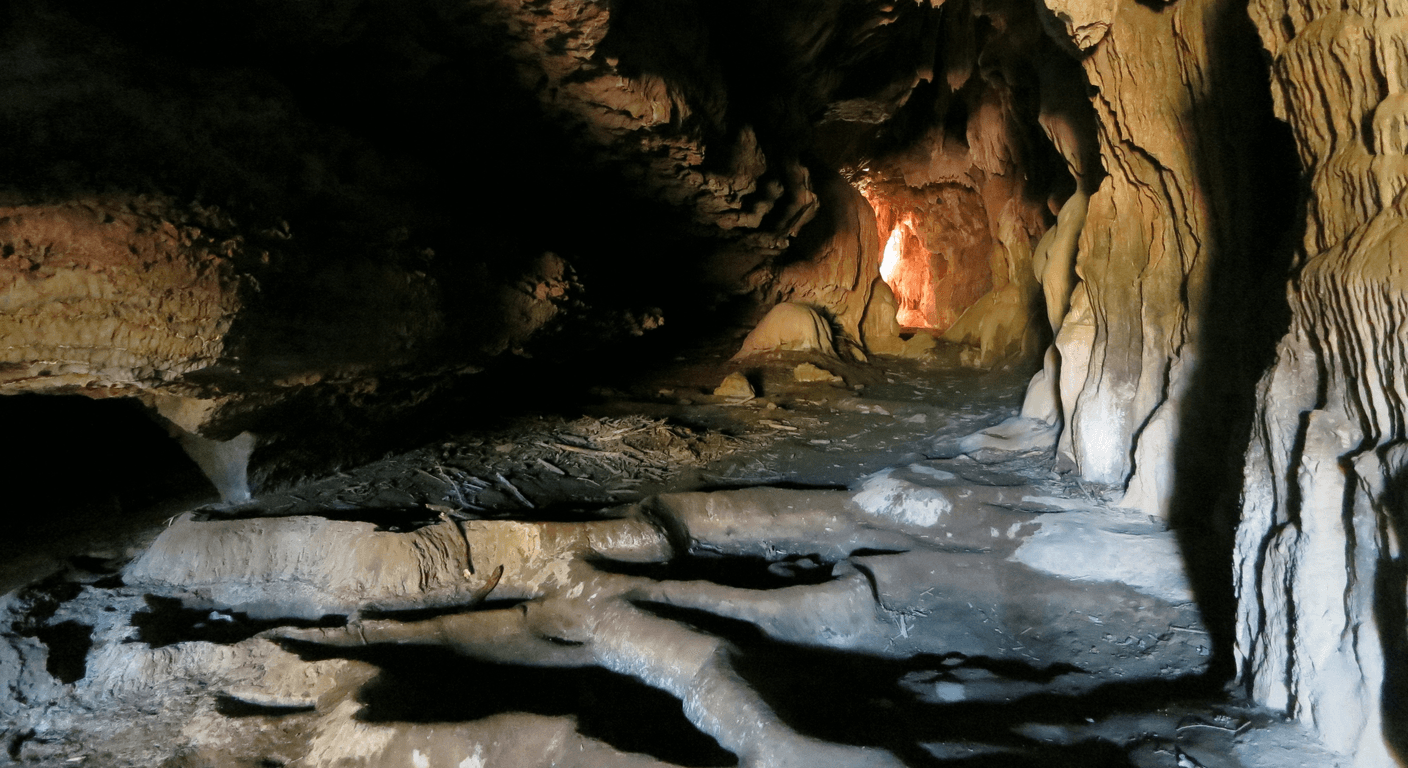
There is something quietly compelling about descending into a limestone cave that has been forming for hundreds of millions of years. Mole Creek, a small town in Tasmania's northern midlands, sits within the Mole Creek Karst National Park and gives visitors access to two very different cave systems — Marakoopa and King Solomons — each with its own character and its own demands on the body.
For travellers in their sixties and seventies who appreciate substance over spectacle, this is a day out that delivers. The caves are not theme-park experiences. They are guided, unhurried, and genuinely educational. A knowledgeable Parks Tasmania ranger leads each tour, and the groups tend to be small enough that you can ask questions and take your time.
The drive from Launceston takes roughly an hour through pleasant pastoral country, making this a manageable day trip rather than a major expedition. If you are based in Victoria and flying into Launceston — as many travellers do — Mole Creek fits naturally into a first or second day before heading further afield.
What is Marakoopa Cave, and what should you expect on the tour?
Marakoopa is the larger and more physically demanding of the two caves. The name comes from an Aboriginal word understood to mean 'handsome' or 'good looking', and the cave earns it. The main attractions are two underground streams, impressive limestone formations, and — most memorably — a glow-worm chamber where thousands of tiny bioluminescent larvae cling to the cave ceiling and cast a faint, cold blue light across the darkness.
The glow-worm section involves several hundred steps in total across the tour route, including some steep sections and uneven ground. The path is lit and the ranger sets a measured pace, but if stairs are a concern for you, it is worth being honest with yourself before booking. The reward, standing in near-silence beneath that living ceiling of light, is genuinely worth the effort for those who can manage it.
Tours run at set times throughout the day, and the cave sits at a constant temperature of around 9 degrees Celsius regardless of the season. Bring a warm layer — a fleece or a light down jacket — even if you are visiting in the middle of a Tasmanian summer. Wear flat, closed-toe shoes with some grip. The ground can be damp.
What makes King Solomons Cave a good choice for travellers with mobility considerations?
King Solomons Cave is shorter, less strenuous, and takes roughly 45 minutes to complete. The formations here are different in character — intricate stalactites and stalagmites, delicate helictites, and cave coral — and the ranger commentary is equally engaging. For travellers who want the experience of going underground without the extended stair work of Marakoopa, King Solomons is the sensible starting point.
That said, it is not entirely flat. There are steps and some narrow passages, and the ground is uneven in places. If you use a walking stick, bring it. If you have significant balance or knee concerns, speak directly with Parks Tasmania when you book — the staff are straightforward about what each tour involves and would rather you ask beforehand than struggle on the day.
Many travellers choose to do both caves on the same day, spacing the tours with a picnic lunch or a walk around the surrounding national park. This is a reasonable plan if you are reasonably fit and not rushing. If you are managing your energy carefully, picking one cave and spending the rest of the afternoon exploring the Mole Creek township and surrounds is equally satisfying.
How do you get to Mole Creek from Launceston, and is a hire car necessary?
The most straightforward way to reach Mole Creek is by hire car from Launceston. The drive follows the Bass Highway west before turning south through Deloraine and then continuing to Mole Creek — around 80 kilometres in total. The roads are well-maintained and the signage is clear. For a solo traveller who is comfortable driving in unfamiliar places, this is a pleasant and uncomplicated route.
For those who prefer not to drive, Redline Coaches operates services through the northern midlands region, including stops at Deloraine, which is the nearest larger town to Mole Creek. From Deloraine, Mole Creek is a further 12 kilometres west. A taxi or rideshare from Deloraine is an option, though availability in rural Tasmania can be limited and should be arranged in advance. Check current Redline schedules and fares at tasredline.com.au before finalising your plans.
It is also worth knowing that some small-group tour operators based in Launceston include Mole Creek on their itineraries. These can suit solo travellers well — the logistics are handled, the group is usually small, and you have company without being part of a large coach tour. Discover Tasmania's website lists current tour operators and is a useful starting point.
What to bring, wear, and eat on a Mole Creek cave day
Packing for a cave visit is straightforward once you know what the conditions are. The constant 9-degree temperature inside both caves means a warm mid-layer is non-negotiable — a fleece, a light puffer, or a merino wool jumper. You will be glad of it within the first few minutes underground. Outside the caves, Mole Creek's weather can vary considerably, so checking the Bureau of Meteorology forecast for the northern midlands before you leave Launceston is a sensible habit.
Footwear matters. Flat, closed-toe shoes with a rubber sole and some grip are ideal. Avoid sandals, thongs, or anything with a heel. Bring a small backpack or day bag for your layers, a water bottle, and any medications you need to carry. Cameras are generally permitted inside the caves, though flash photography may be restricted in the glow-worm chamber to protect the organisms — the ranger will advise on the day.
For food, Mole Creek is a small town with limited options. The Mole Creek Hotel and a small general store cover the basics. Many visitors bring a packed lunch and eat at the picnic area near the cave entrance, which has tables and a pleasant bush outlook. If you are driving through Deloraine, there are several good cafes and a bakery where you can pick up supplies before heading out.
What does it cost, and how do you book?
As of 2025, guided cave tours at Mole Creek are priced at around $20 to $25 per adult, making this one of the more affordable quality experiences available in Tasmania. These are indicative figures only — confirm current pricing directly with Parks Tasmania at parks.tas.gov.au before you travel, as fees are reviewed periodically.
Booking in advance is advisable, particularly during the summer school holidays and Easter, when tour spots fill quickly. Parks Tasmania manages bookings for both Marakoopa and King Solomons caves. The website lists current tour times and allows you to check availability. If you are travelling outside peak season, walk-in tours are often available, but it is still worth calling ahead to confirm the day's schedule.
There is no separate entry fee for the Karst National Park itself beyond the cave tour costs, which is good value. If you hold a Parks Tasmania Annual Pass, check whether it applies to cave tours — the terms vary and the Parks Tasmania team can clarify.
Making the most of the wider Mole Creek area
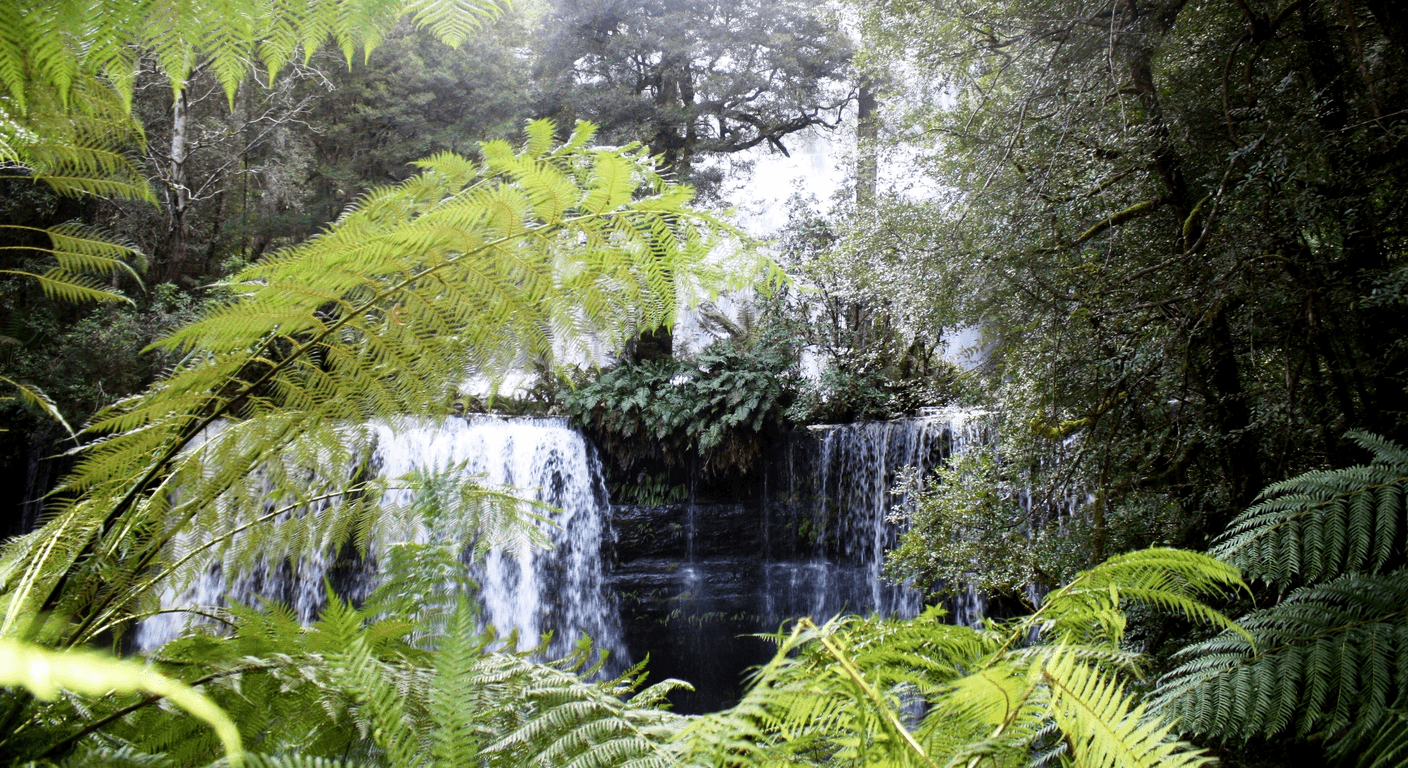
The caves are the centrepiece, but the Mole Creek Karst National Park and surrounding area offer more for those who want to extend the day. The short Wet Cave Nature Walk near the cave carpark is a flat, easy loop through cool temperate rainforest and gives a sense of the karst landscape above ground. It takes around 20 minutes at a comfortable pace and is suitable for most fitness levels.
Mole Creek is also known for its honey. The leatherwood forests of the region produce a distinctive, strongly flavoured honey that is unique to Tasmania, and several local producers sell it directly. Picking up a jar to bring home is one of those small pleasures that makes a day trip feel complete — the kind of thing you remember alongside the glow-worms.
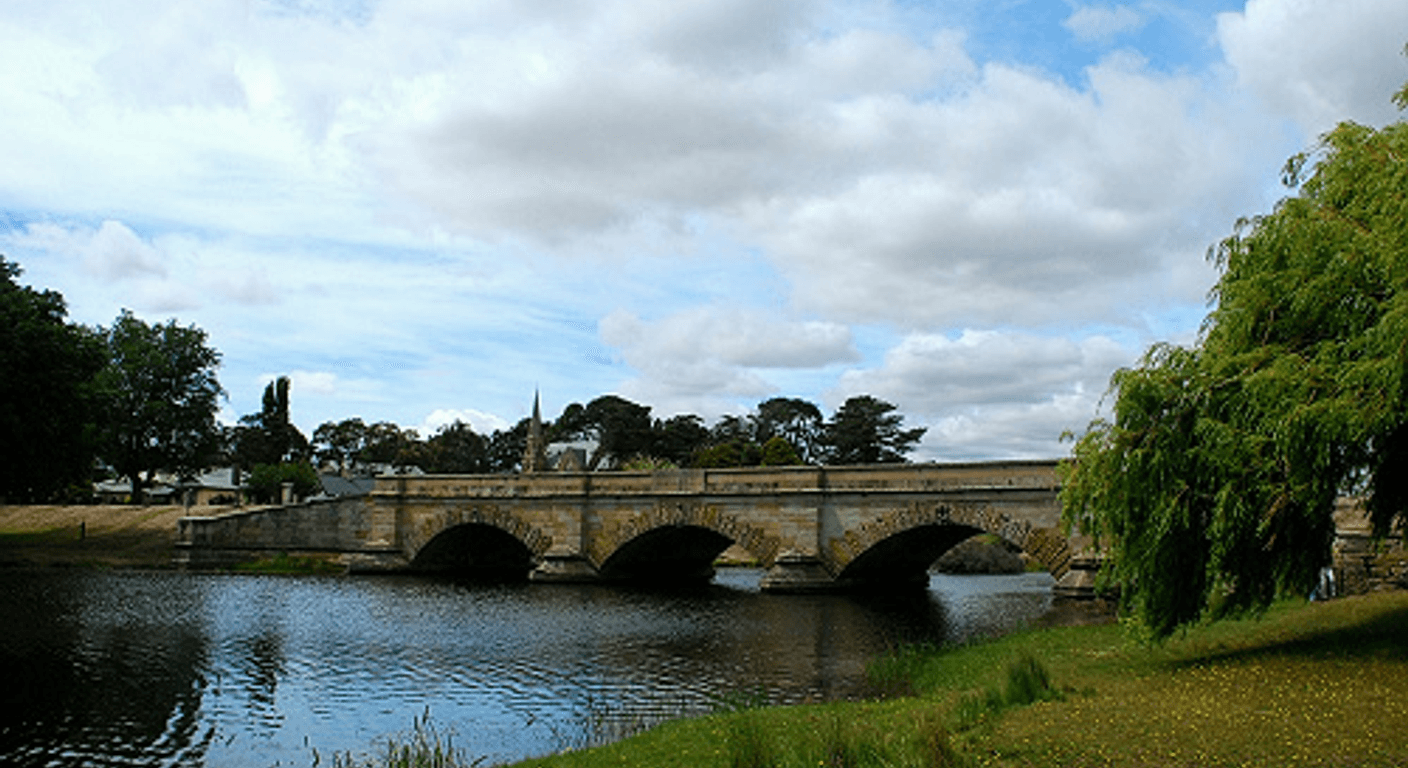
Deloraine, 12 kilometres east, is worth an hour of your time if you are driving back to Launceston. It is one of Tasmania's more charming small towns, with a well-preserved streetscape, the Deloraine Folk Museum, and several decent cafes along the main street. It makes a natural stopping point for a late afternoon coffee before the drive back.
Quick planning guide
| Ideal pace | Slow and unhurried, guided by a Parks Tasmania ranger |
|---|---|
| Best months | Year-round (constant 9°C inside); book ahead during summer school holidays and Easter |
| Suggested stay | Half a day for one cave, a full day to combine both with lunch and a walk |
| Mobility level | Moderate — several hundred steps and uneven ground at Marakoopa; King Solomons shorter but still not flat |
| Cost level | Budget-friendly, under $30 per adult for a cave tour |
| Comfort level | Easy logistically, but requires warm layers and grippy flat shoes for cool, damp cave conditions |
| Best for | Travellers who prefer substance over spectacle and are comfortable on stairs |
| Main planning consideration | Assess your comfort with stairs and uneven terrain before booking, and check tour times and pricing directly with Parks Tasmania |
Key takeaways
- Marakoopa Cave's glow-worm chamber involves several hundred steps — worthwhile, but physically demanding for those with knee or balance concerns.
- King Solomons Cave is shorter and less strenuous, making it the better first choice for travellers managing their energy or mobility.
- Both caves sit at a constant 9 degrees Celsius year-round, so bring a warm layer regardless of the season.
- Cave tour prices are around $20–$25 per adult — confirm current Parks Tasmania pricing before you travel.
- Mole Creek is roughly an hour's drive west of Launceston; a hire car is the most practical option, though regional coaches reach Deloraine nearby.
- Leatherwood honey from local Mole Creek producers is a genuine regional speciality worth taking home.
Recommended partners and links
Indicative prices only — always confirm with the operator before booking.
Frequently asked questions
Are the Mole Creek caves suitable for seniors with limited mobility?
King Solomons Cave is the more manageable option, with a shorter route and fewer stairs, though uneven ground and some steps are still involved. Marakoopa Cave requires several hundred steps across the full tour and is more physically demanding. Both caves have rangers who set a measured pace, but travellers with significant knee, hip, or balance concerns should contact Parks Tasmania directly before booking to discuss what each tour involves.
Do you need to book Mole Creek cave tours in advance?
Booking in advance is strongly recommended during summer school holidays and Easter, when tours fill quickly. Outside peak season, walk-in spots are often available, but it is still worth checking the day's schedule with Parks Tasmania at parks.tas.gov.au before making the trip.
How much do Mole Creek cave tours cost?
Tours are priced at around $20 to $25 per adult as an indicative figure — confirm current pricing with Parks Tasmania directly, as fees are reviewed periodically. This is considered good value for a guided experience of this quality.
What should you wear inside the Mole Creek caves?
Both caves are a constant 9 degrees Celsius, so a warm mid-layer such as a fleece or light down jacket is essential regardless of outside conditions. Wear flat, closed-toe shoes with rubber soles and grip, as the ground can be damp and uneven. Sandals and heels are not suitable.
Can you visit both Marakoopa and King Solomons caves on the same day?
Yes, many visitors do both in a single day, spacing the tours with a picnic lunch at the cave area. Check tour times in advance to plan the sequence. Travellers managing their energy carefully may find that choosing one cave and spending the rest of the day exploring the Mole Creek area or nearby Deloraine is a more comfortable pace.