Good to know: Prices and eateries unconfirmed: check locally before travelling
Lucknow suits over-50 Australians as a food-focused stop if you plan for the one-stop flight via Delhi or an Asian or Gulf hub, travel between October and March, and keep to one main meal outing a day. Allow 4 to 5 nights. Awadhi kebabs, biryani and chaat are the draw. Mobility: Moderate. Expect uneven lanes and no direct flights.
Why is Lucknow famous for its food?
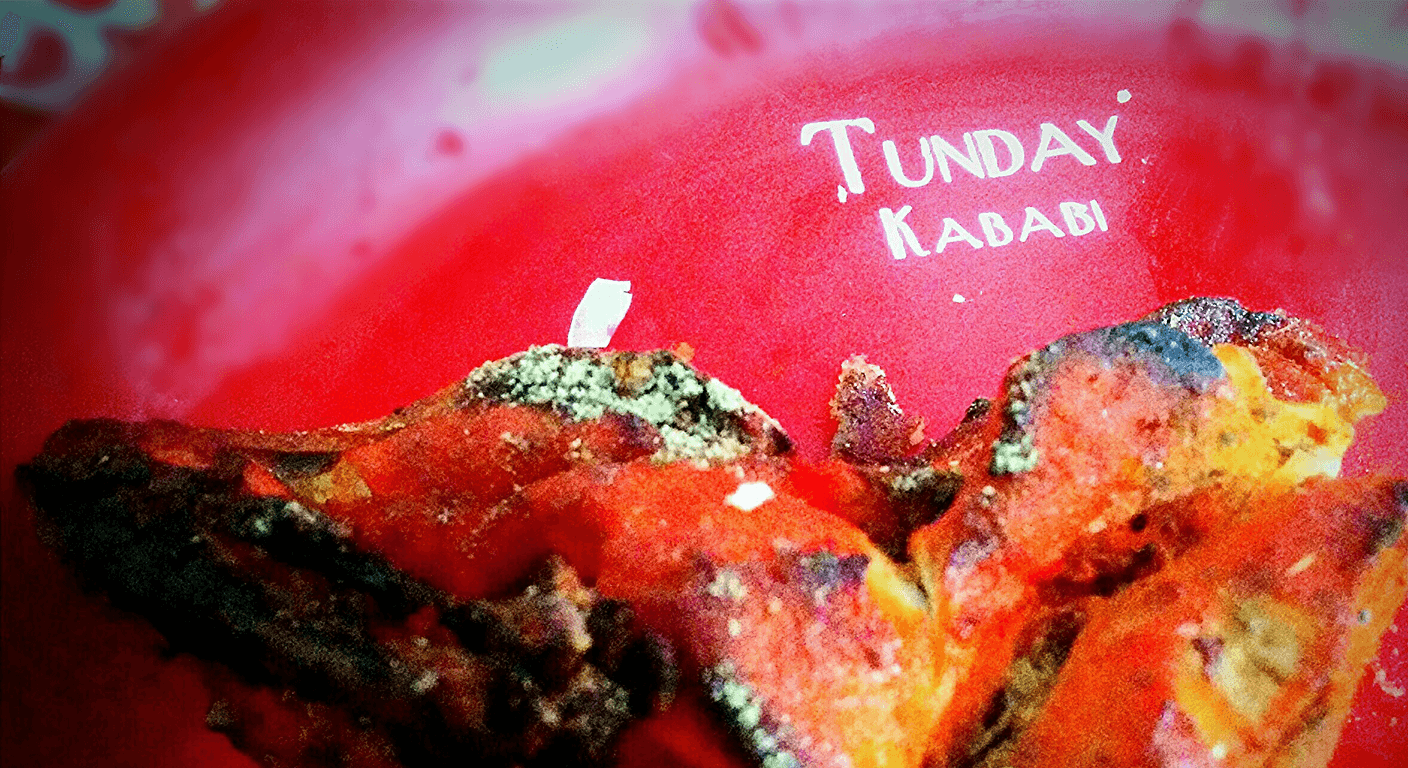
Lucknow was the seat of the Nawabs of Awadh, and the court kitchens shaped the city's cooking. Slow, gentle methods mattered more than fierce heat. That heritage is why the city is tied to galouti and kakori kebabs, dum biryani, nihari, korma, and sweet finishes like sheermal bread with saffron.
Street food runs alongside the courtly tradition. Chaat, kulhad chai served in unglazed clay cups, and paan folded at corner stalls are everyday habits here. Much of the best-known meat cooking is rich and heavy. Vegetarians are not shut out, since chaat, breads, dals, vegetable dishes and sweets are plentiful, but the city's fame rests on meat.
The practical point: this is food to be eaten in small portions and shared. Order a few dishes for two rather than a plate each, and you will taste more without paying for it later.
Where in Lucknow do you eat?
Three areas anchor most food visits. Chowk, the old city, is the traditional home of kebab shops, bakeries and sweet makers. Its lanes are narrow, crowded and uneven underfoot. Aminabad is a dense market district known for chaat and long-running eateries. Hazratganj is the colonial-era shopping strip, flatter and easier on the legs, with cafes and restaurants suited to a gentler meal.
If mobility is a concern, treat Hazratganj as your base for easier meals and visit Chowk once, with a guide, at a quiet hour. Opening hours, which stalls are open and which famous places sell out early all change. Confirm locally with your hotel or guide on the day.
Names of individual eateries come up constantly in creator videos and local forums. Treat any single recommendation, including the one in the source video by MarkWiens, as a starting point to check rather than a guarantee.
How do you get from Australia to Lucknow?
There are no direct flights from Sydney, Melbourne, Brisbane or Perth to Lucknow. Typical routings are one stop: via Delhi, or via Singapore, Kuala Lumpur or a Gulf hub, then a domestic leg. Indicative return economy fares from the east coast and Perth sit roughly between A$1,000 and A$2,000, varying by season. A domestic Delhi-Lucknow flight, about one hour, runs roughly A$60 to A$150. Confirm current fares with airlines.
The alternative is the fast daytime train from Delhi, about 6 to 7 hours. It is scenic in a flat, working-India way and you see the country, but it is a long sit. The flight is easier on tired travellers. The train suits those who want the experience and have booked a comfortable class.
Watch long layovers and arrival hour. Many Australia-India itineraries land in Delhi at night or very early morning. Book a hotel for that first night or pay for an airport-adjacent room so you can sleep properly. Arriving in Lucknow already exhausted is the fastest way to ruin your first food day. Allow a full recovery day before the first big meal.
What does a food day look like?
Times here are indicative, not a timetable. Breakfast at the hotel around 8:00. A late start suits the old city, since many lanes only wake up from about 10:30 or 11:00. A driver or app cab collects you around 11:00 and reaches Chowk within 30 to 45 minutes, depending on traffic. Expect the scheduled time and the useful time to differ, since a guided walk can take 15 minutes just to move between two stops.
A small-group food walk, hedged at roughly A$40 to A$90 per person, usually runs about 2.5 to 3.5 hours with four to six tastings. Eat lightly beforehand. Take a seat when offered, since sit-down points are limited in the lanes. Toilets are scarce and often basic, so use the hotel before leaving and ask your guide where the nearest cleaner option is.
Skip freely: a second or third sweet shop, a market detour, or the sixth tasting. Go back to the car and head to the hotel for a rest. Dinner can be quiet. Most travellers do better with one main meal outing a day and a light, familiar meal at the hotel in the evening.
How do you protect your stomach, heart and medications?
Choose busy stalls with high turnover and freshly cooked, piping hot food. Be cautious with raw chutneys, salads, ice and tap water. Drink sealed bottled water and check the seal. Carry oral rehydration salts, your regular medications in original packaging with a doctor's letter, and a basic first-aid kit. See your GP and a travel clinic before you go.
Many Awadhi dishes are rich in ghee, oil and spice. If you have sensitive digestion, heart disease or high blood pressure, ask your doctor about this before travelling, and eat smaller portions. Kebabs, nihari and biryani are meat-heavy, so vegetarians should lean on chaat, breads, dals and vegetable dishes, always checking how items are cooked.
Private hospitals exist in Lucknow, but quality varies. Insurance with medical evacuation cover is essential, and pre-existing conditions must be declared. Check current India visa rules for Australians on official government sites, and read the Smartraveller advice for India before booking.
What does it cost, and what about solo travellers?
Indicative costs: street meals roughly A$2 to A$8 per dish, mid-range hotels roughly A$80 to A$160 a night, and a driver for a day roughly A$40 to A$70. Add the guided food walk at A$40 to A$90 per person. Flights are the largest expense. Confirm all prices locally, as the source video's trip date is unverified and costs may have changed.
A solo traveller's perspective: organised tours commonly charge a single supplement of roughly 20 to 40 percent. Hotels often charge the full double rate or offer single rooms at little discount. A private guide or driver costs the same for one person as for two. Joining a small-group food walk is the easiest way to split costs and meet people. Ask any tour operator about share-match options.
A couple's perspective: the costs for a driver, guide and room are shared, which makes private arrangements far better value. Couples can also order a few dishes and share them, which suits the rich food and keeps portions sensible.
What is a gentler version of this trip?
Option one is a 4 to 5 night stay at one Lucknow hotel with air-conditioned car transfers and one guided food walk each day. A hotel base cuts packing and lets you rest in the afternoon heat. Option two is a Delhi-Lucknow-Agra rail-based itinerary, combining the food stop with the Taj Mahal. Book rail classes with air conditioning, and consider private transfers at stations.
Best months are roughly October to March. Summer heat is severe and not kind to anyone's stomach or stamina. Winter mornings can be cool and foggy, so pack layers.
Check state concessions and Seniors Card details before leaving, though these rarely apply overseas. Verify the Uttar Pradesh tourism site for current information, and check every place, price and rule against official or operator sources before you book.
Quick planning guide
| Ideal pace | One main food outing a day, a late start, a long rest in the afternoon |
|---|---|
| Best months | Roughly October to March; summer heat is severe |
| Suggested stay | 4 to 5 nights in Lucknow, or a Delhi-Lucknow-Agra rail-based loop |
| Mobility level | Moderate: uneven pavements, crowded lanes, few step-free routes |
| Cost level | Street meals roughly A$2 to A$8 a dish; mid-range hotels roughly A$80 to A$160 a night; flights are the big cost |
| Comfort level | Comfortable with a hotel base, air-conditioned car transfers and a guided food walk; basic at street stalls |
| Best for | Curious eaters, couples, and confident solo travellers who accept a driver or guide |
| Main planning consideration | Long-haul fatigue and food safety for sensitive stomachs, heart and blood-pressure conditions |
| Visa and insurance | Check current India visa rules on official government sites; insurance with medical evacuation cover is essential |
Key takeaways
- No direct flights from Australia to Lucknow; expect one stop, often via Delhi.
- Indicative return economy fares run roughly A$1,000 to A$2,000, plus about A$60 to A$150 domestic.
- Travel roughly October to March; summer heat is severe.
- One main meal outing a day, with a late start, suits older travellers.
- A small-group guided food walk (roughly A$40 to A$90) beats solo wandering in Chowk.
- Medical evacuation insurance, a GP visit and oral rehydration salts are non-negotiable.
Recommended partners and links
Indicative prices only — always confirm with the operator before booking.
Frequently asked questions
Are there direct flights from Australia to Lucknow?
No. There are no direct flights from Sydney, Melbourne, Brisbane or Perth to Lucknow. Most travellers fly one-stop via Delhi, Singapore, Kuala Lumpur or a Gulf hub, then take a roughly one-hour domestic flight or a 6 to 7 hour train from Delhi.
When is the best time to visit Lucknow for food?
The best months are roughly October to March, when temperatures are manageable. Summer heat is severe and makes long walks and rich food harder, particularly for older travellers.
Is Lucknow street food safe for over-50 travellers?
It carries risk, but you can reduce it. Choose busy stalls with freshly cooked hot food, avoid raw chutneys, salads and ice, drink sealed bottled water and carry oral rehydration salts. See your GP and a travel clinic before you go.
Can vegetarians eat well in Lucknow?
Yes, though the city is famous for meat. Kebabs, nihari and biryani are meat-heavy, but chaat, breads, dals, vegetable dishes and sweets give vegetarians plenty of options. Ask how items are cooked.
How much does a Lucknow food trip cost?
Roughly A$2 to A$8 per street dish, A$80 to A$160 a night for a mid-range hotel, A$40 to A$70 for a driver for a day and A$40 to A$90 for a guided food walk. Flights are the main cost. Confirm locally.
Want the next guide like this?
Choose your state, the subjects you care about, or both. We will let you know when a new guide lands. Email once a week at most, or a quiet phone notification on the day it publishes. No advertising, no sponsored content, and we never pass your details to anyone.