A light, four-wheeled soft-sided suitcase of 7 to 10 kilograms, plus a small daypack, suits most over-60 rail travellers in Europe better than a backpack. It rolls on platforms and saves your spine. Rules and lifts vary by country and station. Allow two weeks, travel in spring or autumn, and rate the mobility demand Moderate. Most flights from Australia stop once on the way, usually in Asia or the Middle East.
Suitcase or backpack: which is kinder at 60-plus?
For most people over 60, a wheeled case wins. A backpack puts the full load on your spine, hips and knees, and every station staircase becomes a test. A case rolls along the platform, and you lift it only when you must.
Backpacks still have a place. Cobbled lanes, gravel paths and old hill towns can defeat small wheels. If your itinerary is mostly hill villages, a convertible bag with wheels and hideaway straps is a sensible compromise. Check how heavy the empty bag is before you buy, because some weigh three kilograms before you add a sock.
Weight matters more than style. A useful rule is to pack a bag you can lift above shoulder height, alone, without a grunt. If you can't do that in the living room, you won't do it in a moving carriage with someone waiting behind you.
What are stations really like for stairs, lifts and gaps?
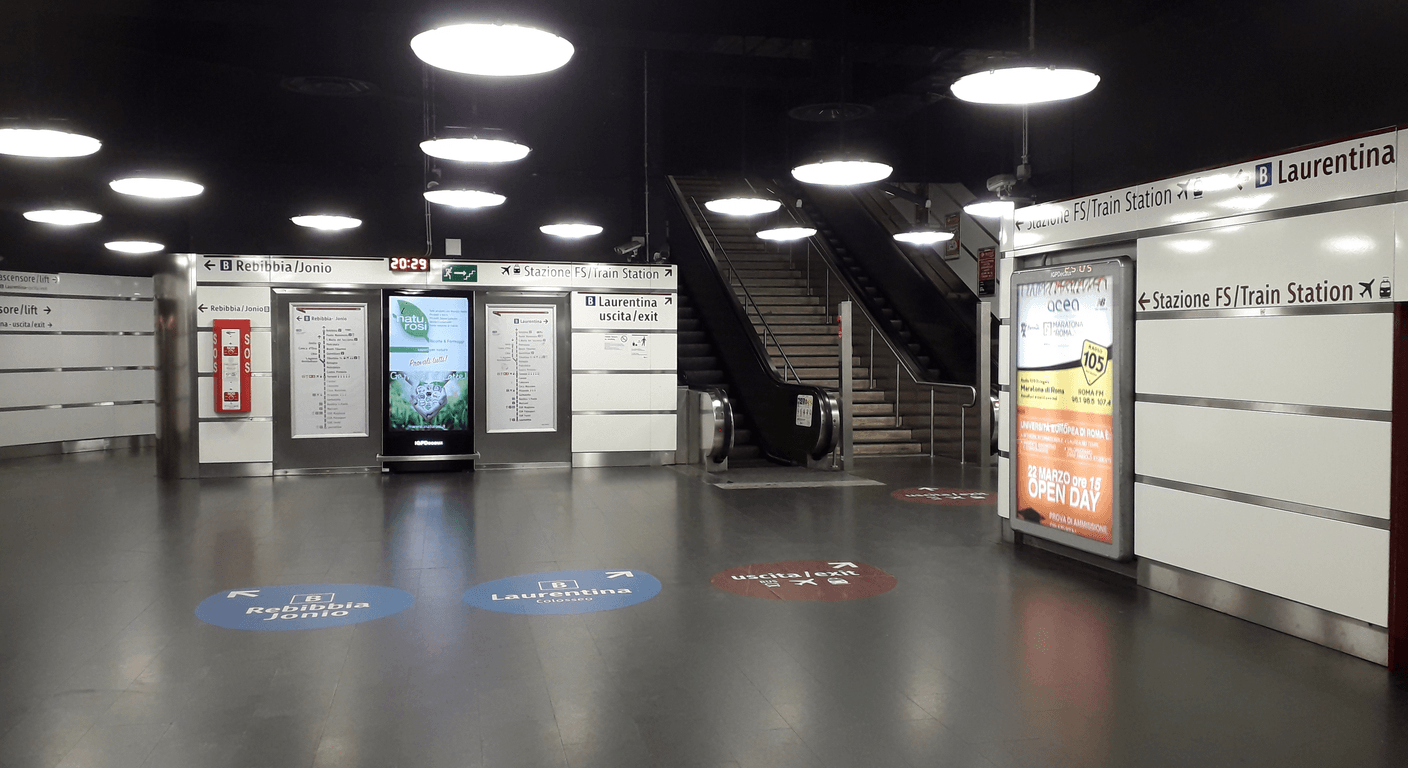
Many European stations were built long before wheeled luggage. Platforms are often reached by underpass stairs, and a lift may be signposted but out of service. Smaller Italian stations can have no lift at all, so you carry the bag down and up again. Larger hubs usually have lifts and escalators, though they can be a long walk from the platform.
Carriage steps are the other hurdle. Older regional trains can have two or three steep steps and a gap to the platform. Newer low-floor trains are far easier. If you travel solo, don't be shy about asking someone to pass your bag up. Italian travellers will usually help without fuss.
Rules and facilities vary by country and even by station. Before booking, check the station's accessibility information and look at the platform layout. In Italy, station assistance for every train company is run by RFI's Sala Blu service and should be booked at least 12 hours ahead; elsewhere, check the national operator. Request help in advance where offered. Confirm the details with the operator.
Where do bags sit on Italian regional and high-speed trains?
On Italian high-speed trains such as Frecciarossa and Italo, you will usually find overhead racks for smaller bags and luggage stacks near the carriage doors for larger cases. Space can fill quickly at big-city departures. Board early, and choose a seat close to a luggage area if you can reserve one.
Regional trains vary far more. Many have overhead shelves only, with limited floor space, and some offer nothing for a big case beyond the aisle end of the carriage. On a crowded commuter run, a large case can be a nuisance for everyone. A medium case and a daypack are much easier.
Keep valuables, medication and documents in the daypack at your feet, not on the rack. Thefts from luggage racks do occur at busy stations and on night trains. A small cable lock through the handle of your case and the rack adds a layer of protection. Each operator sets its own luggage rules, so check size and number limits on its site before you travel.
Is luggage forwarding worth the money?
Forwarding services collect your bags from a hotel and deliver them to the next one, so you travel with a daypack only. Indicative costs run from roughly $60 to $150 per bag per leg in Europe, depending on distance, speed and country. Some Italian hotel-to-hotel services cost less on short domestic runs. Check each provider's current price, because cost depends on weight and distance.
Do some checking first. Confirm the pick-up and delivery windows, the insurance cover and its limits, and whether the service operates between the towns you've chosen. Ask your accommodation whether they will hold and receive a bag. Label each bag clearly with names, addresses and phone numbers, and photograph it before handing it over. Never put medication, passports or electronics in a forwarded bag.
Forwarding makes most sense for the awkward legs: a transfer with two changes, a hill town with steep stairs, or a day when you simply don't want to haul a case. You needn't use it every time. Using it on two or three legs of a two-week trip can protect your back at a reasonable cost.
A solo traveller's perspective and a couple's perspective
A solo traveller's perspective: you have no one to mind the bags while you buy a ticket or find the toilet. That favours one small case you can keep within reach and a crossbody daypack worn in front. Pick seats near the luggage space and sit where you can see your bag. Ask for help at the carriage door and don't feel awkward about it.
A couple's perspective: two people can split the load, but splitting often leads to two large bags and less discipline. One of you can watch the luggage while the other handles tickets and platform changes. Even so, if one of you has a bad knee or shoulder, plan as though you were solo for stairs and lifting. Two medium cases are far easier than one enormous shared one.
What does a two-week packing-light checklist look like?
Aim for 7 to 10 kilograms in the case, plus a daypack under 4 kilograms. Pack around five tops, two or three bottoms, one light jacket, one warm layer, sleepwear, a scarf and underwear for five days. Choose one colour palette so everything mixes. Wear your heaviest shoes on the travel day. Two pairs of shoes are enough: one walking pair with good grip for cobbles and one lighter pair.
Add the essentials: a compact umbrella, a small sewing kit, a few laundry sachets, a travel clothesline and a universal adapter. Carry medication in original packaging in your daypack, with a copy of the prescriptions and a letter from your doctor if needed. Include a printed copy of your travel insurance details and emergency contacts.
Do laundry once or twice. Many apartments have a washing machine, and hotels will launder for a fee. Lightweight, quick-dry clothes make that easy. Before you leave, weigh the packed case and then take out one more item. That small cut is what makes stairs manageable.
Where to verify before you go: Trenitalia and Italo for operator luggage rules, each national operator for station accessibility, Eurail for pass conditions, and Smartraveller for current advice. Check your travel insurance covers pre-existing conditions and the value of your luggage. If you hold a Seniors Card, ask operators whether a senior fare applies, as eligibility varies by country and may need proof of age.
Quick planning guide
| Ideal pace | One base for three to four nights, with short rail hops of under three hours and no same-day changes with heavy bags |
|---|---|
| Best months | April to early June and September to October, when trains are less crowded and platforms less hot |
| Suggested stay | Two weeks, with a recovery night after the long-haul flight from Australia |
| Mobility level | Moderate: stairs, platform gaps and lifting bags onto racks are the real tests |
| Cost level | Rail passes and tickets vary widely; luggage forwarding adds roughly $60 to $150 per bag per leg, so confirm with the operator |
| Comfort level | Comfortable if you pack light and book seats near the luggage space; tiring if you carry more than you can lift alone |
| Best for | Solo travellers and couples who want to use trains without relying on taxis or porters at every stop |
| Main planning consideration | Whether you can lift your own bag overhead and carry it up a flight of stairs when the lift is out of order |
Key takeaways
- A wheeled, soft-sided case of 7 to 10 kilograms suits most over-60 rail travellers better than a backpack.
- Lift your packed bag overhead at home first; if you can't, it is too heavy.
- Many European stations have stairs, and lifts can be out of order, so check accessibility before booking.
- Italian regional trains offer far less luggage space than high-speed trains, so pack smaller for them.
- Luggage forwarding costs roughly $60 to $150 per bag per leg; confirm insurance and delivery windows first.
- Keep medication, passports and valuables in your daypack, never in a forwarded or racked bag.
Recommended partners and links
Indicative prices only — always confirm with the operator before booking.
Frequently asked questions
Is a suitcase or a backpack better for European trains if you are over 60?
A lightweight wheeled suitcase is better for most over-60 travellers because it spares your back and knees on platforms. A backpack suits cobbled or unpaved routes, but the full weight rests on your body.
How much luggage should you take on a two-week European rail trip?
Aim for a case of 7 to 10 kilograms and a daypack under 4 kilograms. Choose a bag you can lift overhead alone and carry up one flight of stairs.
Do Italian trains have luggage racks?
Most Italian trains have overhead racks, and high-speed services also have luggage areas near the doors. Regional trains often have less space, so a smaller bag is easier. Check each operator's rules before travelling.
How much does luggage forwarding in Europe cost?
Indicative costs are roughly $60 to $150 per bag per leg, depending on distance and speed. Confirm current prices, insurance limits and delivery windows with the provider before booking.
Where can you check whether a European station is accessible?
In Italy, station assistance is run by RFI's Sala Blu service for all trains, including Italo; book it in advance (at least 12 hours ahead). Elsewhere, check the national rail operator's website and request assistance where offered. Facilities vary by country and station, so confirm before you travel.
Want the next guide like this?
Choose your state, the subjects you care about, or both. We will let you know when a new guide lands. Email once a week at most, or a quiet phone notification on the day it publishes. No advertising, no sponsored content, and we never pass your details to anyone.