Madeira suits a fortnight, ideally April–June for wildflowers and cool walking weather, or September–October for settled conditions and fewer crowds — though its mild 'eternal spring' climate makes it agreeable most of the year. The defining draw is its 1,400km network of near-level levada paths threading laurel forest and mountain valleys, alongside Funchal's botanical gardens, cable car and wine lodges. Mobility demands vary by route, from flat strolls to exposed ledges. There's no direct flight from Australia: travellers connect via a hub to Lisbon, then a short TAP hop to Funchal, totalling roughly 24–28 hours.
Why Madeira Works So Well for Over-50 Walkers
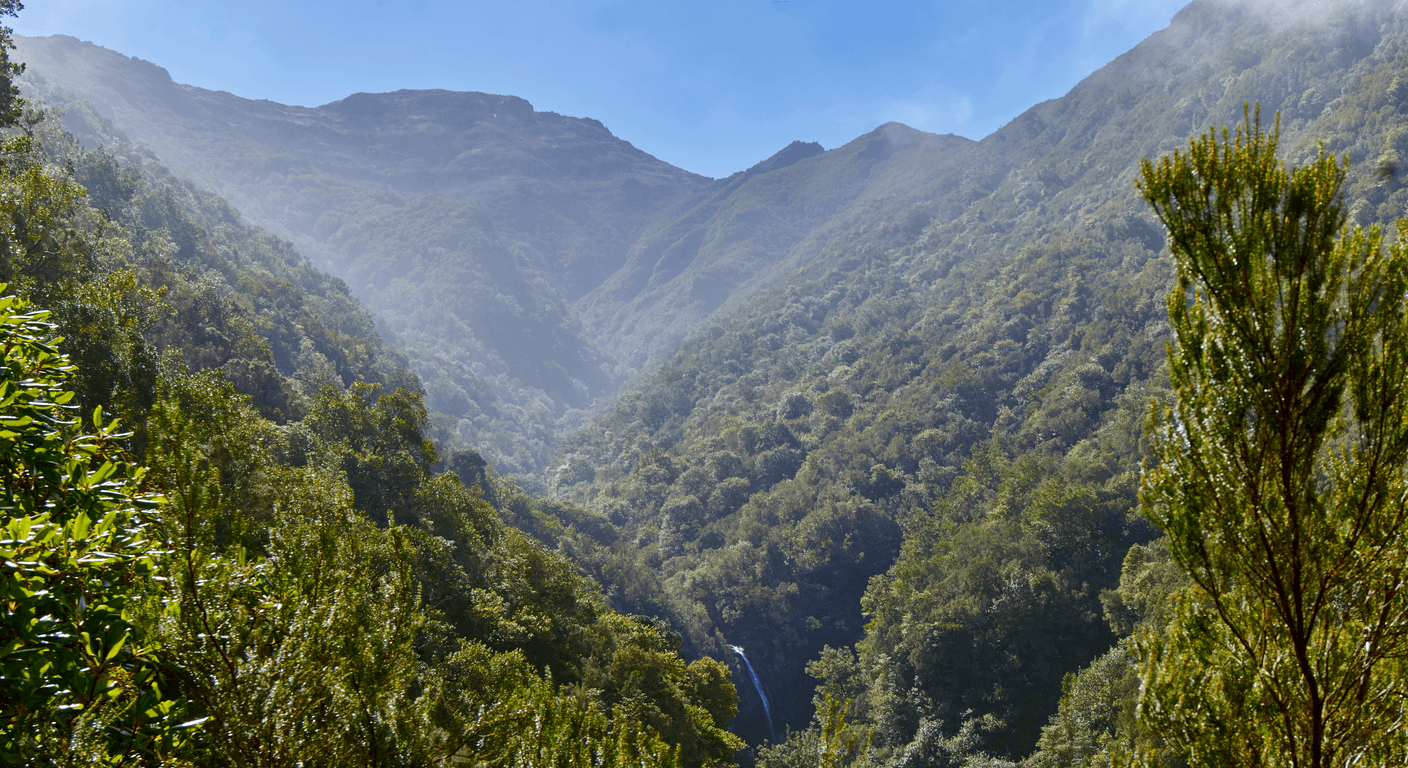
The levadas were not built for tourism. They were carved, mostly by hand, over five centuries to carry water from Madeira's wet northern peaks to the drier, farmed south. The unintended gift to walkers is a network of paths that follow the water — which, by definition, runs almost perfectly level. For travellers who want genuine immersion in mountain scenery without the knee-grinding descents of alpine trekking, this is a rare thing.
There are over 1,400 kilometres of levada paths across the island, ranging from wide gravel tracks through the Ribeiro Frio forest to narrow ledges above serious drops. That range matters. Choosing the right walk for your fitness and comfort — not just the one everyone photographs — is the single most important decision you'll make on the island. The good news is that several of the most rewarding routes are also among the gentlest.
Madeira's climate earns its 'island of eternal spring' reputation honestly. Summer temperatures in Funchal hover around 24–26°C; winters rarely dip below 16°C. For Australians escaping a Melbourne July, that mild, steady warmth feels quietly luxurious. Humidity is higher than the Australian mainland, so breathable walking layers matter more than heavy gear.
Understanding Levada Gradings — and the Ones Worth Skipping
Visit Madeira grades levada walks on a simple scale from easy to very difficult, and those ratings reflect genuine differences. The Levada das 25 Fontes, for instance, is rated easy-to-moderate and delivers spectacular laurel forest with minimal exposure. The Levada do Caldeirão Verde is longer and involves narrow ledges and unlit tunnels — perfectly manageable for fit walkers with a headlamp and good trail shoes, but not the place to discover you dislike confined spaces.
The Levada do Rei, threading through a valley of ancient tree ferns near São Jorge, is a quiet favourite among walkers who prefer solitude over the more photographed routes. It's broad, well-maintained and rated easy. Levada do Moinho near Paul da Serra offers open plateau walking with big Atlantic views — the kind of walk that feels like a reward rather than a workout.
The routes to approach with real caution are those along the Levada das Rabaças and sections of the Levada da Fajã do Rodrigues, where paths narrow to less than half a metre on exposed cliff faces. These are not graded as difficult for dramatic effect. If you're uncertain, a local guide — hired for a half-day — will read the terrain honestly and redirect if conditions aren't right. That's not a limitation; it's sound judgement.
Guided Walking Packages — What to Look For
Several Funchal-based operators run small-group guided levada walks, typically departing by minibus from the city at around 9am and returning by early afternoon. Groups are usually capped at eight to twelve people, which keeps the pace genuinely flexible. A good guide will carry first aid, know the trail conditions after rain, and — critically — be willing to adjust the route on the day.
When comparing operators, ask specifically whether they offer different walk options on the same day for participants of varying fitness. Some do. It's also worth confirming that transport is door-to-door from your hotel, as trailheads are rarely accessible by public bus. Indicative costs for a guided half-day walk run around AUD 80–120 per person, though prices shift with the exchange rate — confirm current figures directly with operators.
Multi-day walking holidays based in Funchal, with a different levada each morning and afternoons free for the town, are offered by several UK-based specialist operators who include Madeira on their Portugal programmes. These can be booked from Australia through travel agents experienced in active senior travel, or directly. Look for operators who list their guides' qualifications and provide detailed trail notes in advance.
Funchal: The Town That Earns Its Own Time
Funchal is a proper city — around 111,000 people, a genuine old town, a cathedral dating to the early 16th century, and a waterfront that has been thoughtfully pedestrianised without losing its working character. It's also where you'll spend your rest days, and it rewards them.
The Monte Palace Tropical Garden, reached by cable car from the Zona Velha waterfront, is one of the genuinely great botanical gardens of the Atlantic world. The cable car itself takes about fifteen minutes and deposits you at 560 metres elevation with views across the bay that justify the fare alone — around €15–20 return, though confirm current pricing at the cable car terminal or via the official Teleférico da Madeira website. The garden entrance is separate. Comfortable walking shoes and a half-day is the right allocation.
Madeira wine is not an afterthought here — it's a living tradition. The Blandy's Wine Lodge on Avenida Arriaga offers cellar tours and tastings that explain why this fortified wine styles itself differently to port or sherry. The Madeira Wine Company has been operating since 1925 and the tasting room is calm, unhurried and genuinely informative. For a couple who enjoy wine culture without the hard sell, an hour here is well spent. Funchal's Mercado dos Lavradores — the covered market — is worth an early morning visit for local fruit, flowers and the theatre of the fish hall, though it fills quickly with tour groups by mid-morning.
Getting There from Australia — The Honest Flight Picture
There is no direct flight from Australia to Madeira. The standard routing from Melbourne or Sydney runs to Lisbon via a Middle Eastern or European hub — Qatar Airways via Doha, Emirates via Dubai, or Qantas codeshare options — with total travel time typically 24–28 hours depending on connections. From Lisbon, TAP Air Portugal operates regular flights to Funchal (Cristiano Ronaldo International Airport) in around 1 hour 45 minutes.
A one-night stopover in Lisbon is strongly worth considering rather than treating it as dead time. Lisbon is compact, walkable and genuinely interesting — even a single afternoon and a good dinner helps reset the body clock before the final hop. Jet lag from Europe is milder than from the Americas, but Madeira's walks reward being rested. Starting a levada on day two of a thirteen-hour time-zone shift is not the best introduction.
Confirm current entry requirements before booking. At the time of writing, Australian passport holders can enter Portugal (and therefore Madeira, which is Portuguese territory) without a visa for short stays under the Schengen agreement, but the European Travel Information and Authorisation System (ETIAS) — a pre-travel electronic authorisation — was expected to be implemented in 2025–2026. Check smartraveller.gov.au and the official Portuguese consulate website for the current position. These things change, and the consequences of getting it wrong mid-journey are significant.
Practical Matters: Health, Insurance and Getting Around the Island
Madeira has a public hospital in Funchal — Hospital Dr. Nélio Mendonça — and several private clinics that see international patients. For Australians with pre-existing conditions, travel insurance that explicitly covers those conditions is non-negotiable, not optional. Read the policy, not the summary. Some policies exclude walking above certain altitudes or on 'unformed tracks'; levadas generally don't trigger these exclusions, but confirm with your insurer before you go.
Getting around the island independently is possible by hire car, though Madeira's mountain roads are steep, narrow and often single-lane with passing places that test nerve as much as driving skill. Many over-50 travellers find that a combination of guided day walks (with transport included) and taxis or the Funchal city bus network covers everything comfortably. The local bus operator, Horários do Funchal, runs routes to several levada trailheads, though schedules require checking. Taxis are metered and reasonably priced by European standards.
Funchal itself is hilly — the old town climbs steeply from the waterfront — but the cable car eliminates the main ascent, and the central area around the cathedral and market is navigable on foot at an easy pace. Cobblestones are present throughout the old town; supportive footwear matters from day one. For travellers with significant mobility limitations, the flatter waterfront precinct and the lower botanical garden (Jardim Botânico da Madeira, accessible by bus or taxi) offer rewarding half-days without levada walking at all.
Costs, Timing and How to Structure a Fortnight
Madeira sits at the more affordable end of Western European destinations. Mid-range hotels in Funchal — comfortable four-star properties with breakfast — run indicatively around AUD 180–280 per night for a double room, though rates vary considerably by season and booking lead time. Self-catering apartments are widely available and suit couples who want more flexibility. Confirm all current rates directly with properties or booking platforms.
A practical fortnight might look like this: two nights in Lisbon on arrival to recover from the flight, then twelve nights based in Funchal. Alternate walking days with town days — three or four levada walks across the stay is a satisfying number without fatigue. Reserve the final two days for Funchal itself: the Monte cable car, the wine lodge, the market, a long lunch somewhere with a harbour view. That rhythm gives you genuine engagement with the island rather than a checklist.
April through June is ideal for wildflowers on the higher levadas and cooler walking temperatures. September and October bring settled weather after the summer peak and smaller crowds. December through February sees Funchal busy around New Year (the fireworks display over the harbour is renowned), but the walks are quiet and the mild winter temperatures suit those escaping Australian summer heat for something gentler. There is no genuinely bad time to go — which is precisely why the 'eternal spring' label has stuck.
Quick planning guide
| Ideal pace | Slow-paced, alternating walking days with rest days in Funchal |
|---|---|
| Best months | April–June or September–October, though mild conditions persist year-round |
| Suggested stay | About a fortnight, including a Lisbon stopover |
| Mobility level | Moderate — easy, near-flat levadas exist, but some routes involve narrow, exposed ledges |
| Cost level | Mid-range for Western Europe, with budget and premium options both available |
| Comfort level | Comfortable, with four-star hotels, guided door-to-door transport and reliable infrastructure |
| Best for | Active over-50 travellers who want mountain scenery without steep, punishing climbs |
| Main planning consideration | Matching levada gradings to your own fitness and comfort with exposure, and confirming current Schengen/ETIAS entry rules |
Key takeaways
- Madeira's levada network offers near-flat walking paths through mountain scenery — a rare combination that suits active travellers who want scenery without punishing gradients.
- Levada gradings are meaningful: easy routes like the Levada do Rei and Levada das 25 Fontes deliver strong experiences without exposed sections.
- From Melbourne or Sydney, expect 24–28 hours total travel via Lisbon; a one-night Lisbon stopover is worth building into the itinerary.
- Australian passport holders should confirm current Schengen entry rules and any ETIAS requirement at smartraveller.gov.au before booking.
- Travel insurance must explicitly cover pre-existing conditions — read the full policy, not the summary, before departure.
- Funchal's Monte Palace Tropical Garden, Blandy's Wine Lodge and the waterfront cable car each merit dedicated half-day visits on rest days between walks.
Recommended partners and links
Indicative prices only — always confirm with the operator before booking.
Frequently asked questions
Are levada walks in Madeira suitable for over-70 travellers?
Many levada walks are suitable for fit travellers in their 70s. Routes graded 'easy' — such as the Levada do Rei near São Jorge or the Levada das 25 Fontes — involve minimal elevation change and well-maintained paths. The key is choosing the right grade for your fitness and mobility, and being honest about whether exposed sections or unlit tunnels are comfortable. A local guide hired for a half-day can adapt the route on the day based on actual conditions and your pace.
Do Australians need a visa to visit Madeira?
Madeira is Portuguese territory, so Australian passport holders enter under the Schengen agreement. At the time of writing, short stays under 90 days do not require a visa, but the European Travel Information and Authorisation System (ETIAS) — a pre-travel electronic authorisation — was expected to come into effect in 2025–2026. Confirm the current requirement at smartraveller.gov.au and via the Portuguese consulate before booking, as these rules can change.
What is the best time of year for Madeira from Australia?
Madeira's climate is mild year-round, with temperatures in Funchal rarely below 16°C in winter or above 28°C in summer. April to June offers wildflowers on the higher levadas and comfortable walking temperatures. September and October bring settled weather with fewer crowds. For Australians escaping a Melbourne or Sydney winter, June through August works well too — Madeira's 'summer' remains temperate compared to mainland Europe.
How do you get from Australia to Madeira?
There are no direct flights from Australia to Madeira. The standard route is from Melbourne or Sydney to Lisbon via a Middle Eastern or European hub — typically 24–28 hours total — then a TAP Air Portugal domestic flight to Funchal (around 1 hour 45 minutes). A one-night stopover in Lisbon on arrival is strongly recommended to reduce fatigue before levada walking. Confirm current routes and connections with your travel agent or airline.
Is Funchal easy to get around for older travellers?
Funchal's old town is hilly and cobblestoned, so supportive footwear is essential from the first day. The cable car from the Zona Velha waterfront to Monte eliminates the main ascent and is comfortable for most travellers. The central waterfront precinct is relatively flat and walkable. For those with significant mobility limitations, the cable car, taxis and the lower botanical garden offer rewarding experiences without requiring levada walks. The city's public bus network connects to several trailheads but schedules should be confirmed locally.