Maryborough's Portside Precinct on Queensland's Mary River is best visited April through September, when humidity eases and light suits heritage photography. A half-day allows time for the Bond Store Museum's convict-era 1870s sandstone vaults, plus a flat riverside walk to Wharf Street's heritage facades. Terrain is easy and mobility-friendly, though some heritage buildings have threshold steps. Most visitors drive — three hours from Brisbane or 35–40 minutes from Hervey Bay.
Why Maryborough's Portside Precinct rewards a slower visit
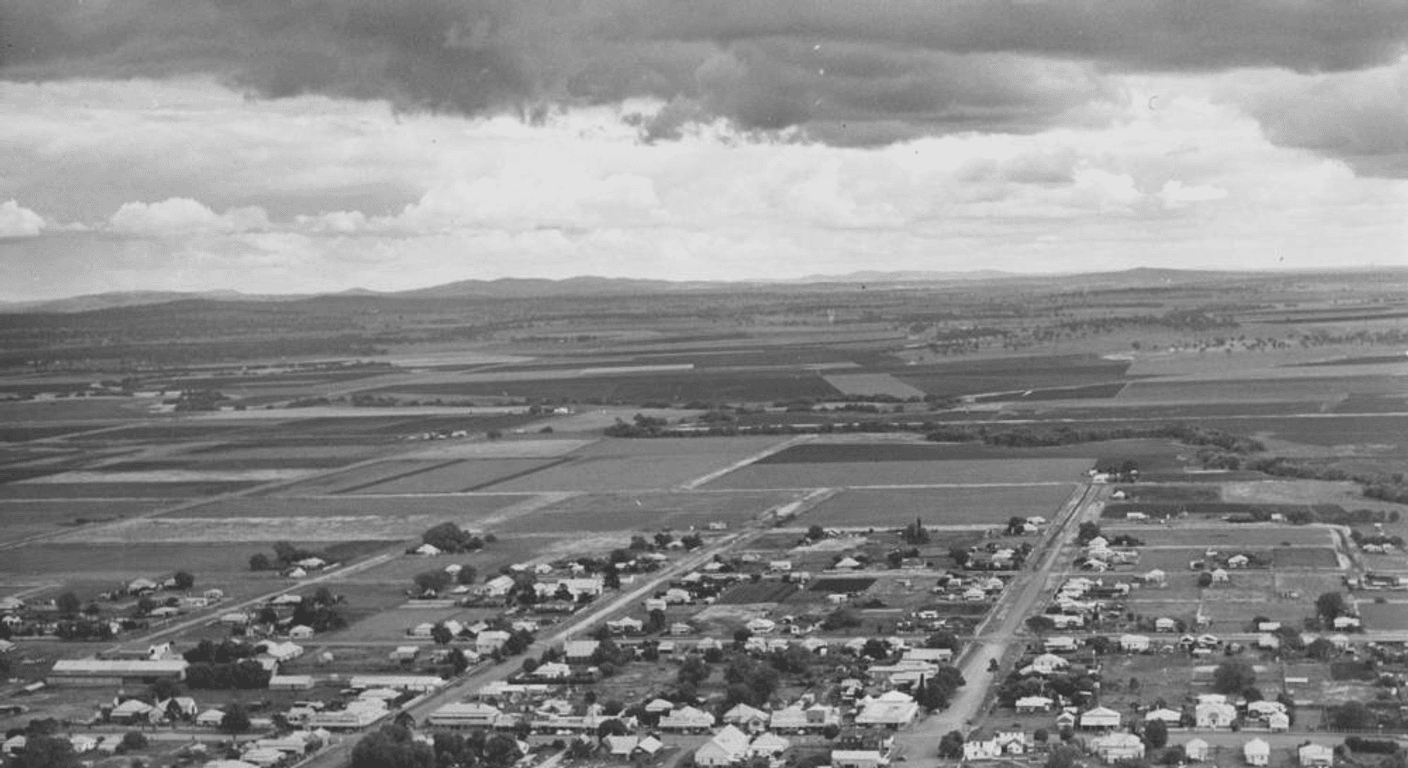
Maryborough doesn't need to shout. This Queensland city, roughly 260 kilometres north of Brisbane along the Bruce Highway, carries one of the more significant immigration histories in the country — and the Portside Precinct is where that history is most tangibly felt. Thousands of free settlers disembarked along the Mary River here from the 1850s onwards, making Maryborough one of Queensland's earliest and busiest immigration ports. The precinct preserves that era without dressing it up too much.
For travellers who prefer substance over spectacle, this is exactly the kind of place that earns a proper half-day. The scale is human, the terrain is flat, and there's always somewhere to sit. Couples who enjoy moving at their own pace — pausing to read a plaque, watching river birds from a bench, comparing notes over coffee — will find Portside genuinely satisfying rather than just ticked off.
What is the Bond Store Museum and what does it contain?
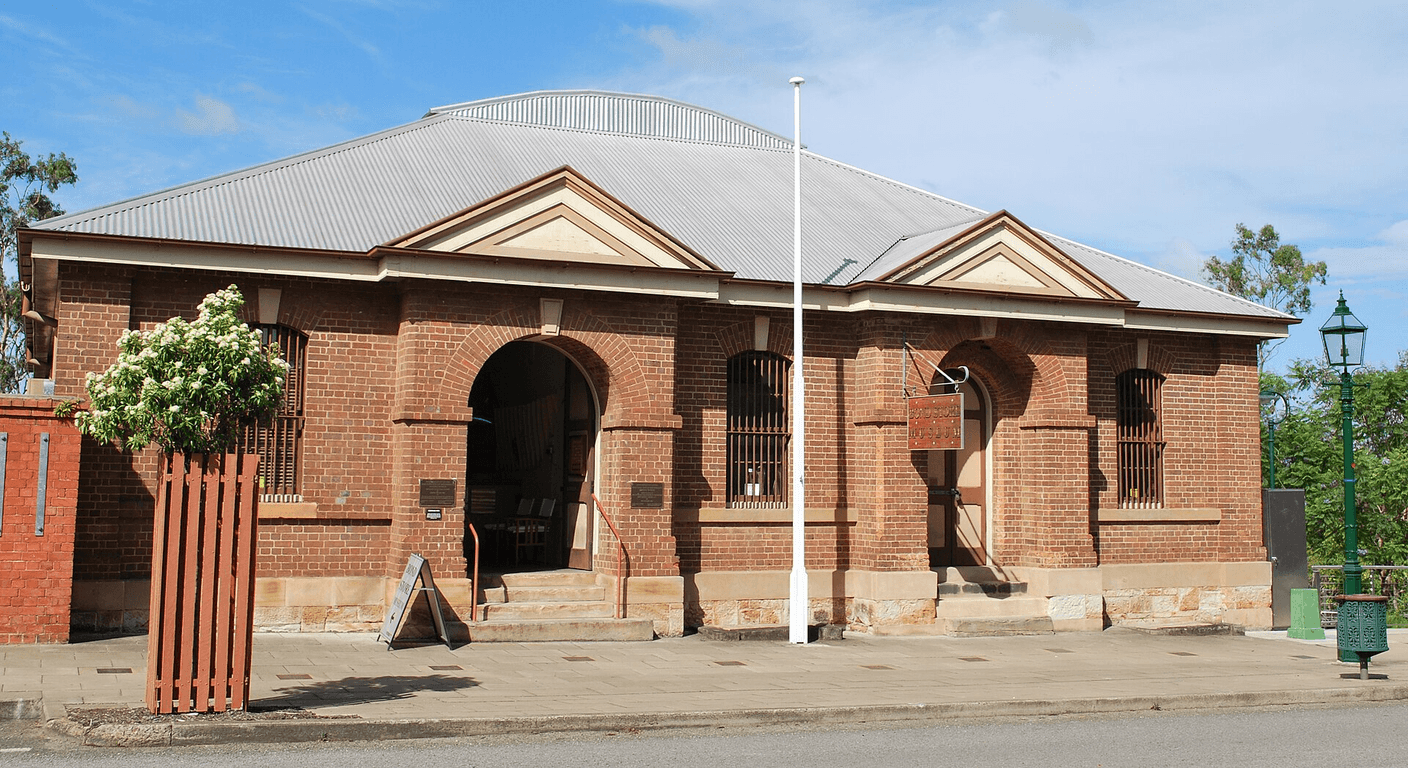
The Bond Store is the precinct's centrepiece, and it earns that status honestly. Built in the 1870s, the sandstone and timber building served as a bonded warehouse where dutiable goods — rum, tobacco, imported fabrics — were held under Customs lock until duties were paid. The vaults have a particular atmosphere: cool even in Queensland's warmer months, with thick walls and the faint, not-unpleasant mustiness of old timber and stone.
Inside, the museum traces Maryborough's role as an immigration gateway, with displays covering the journeys of arriving settlers, the conditions of colonial port life, and the commercial activity that made the river town prosper. There are original artefacts, interpretive panels, and enough genuine material to hold attention without overwhelming. The guided tours — confirm current times directly with the Fraser Coast Regional Council before visiting, as hours vary seasonally — add considerable depth. A knowledgeable guide transforms what might otherwise be a pleasant wander into something that stays with you.
Entry runs around $10 to $12, with concessions available. Confirm current pricing before you go. By any measure, it's good value for the quality of what's on offer — and it's one of those rare places where the entry fee feels like a fair exchange rather than an afterthought.
The riverside walk: what to expect underfoot
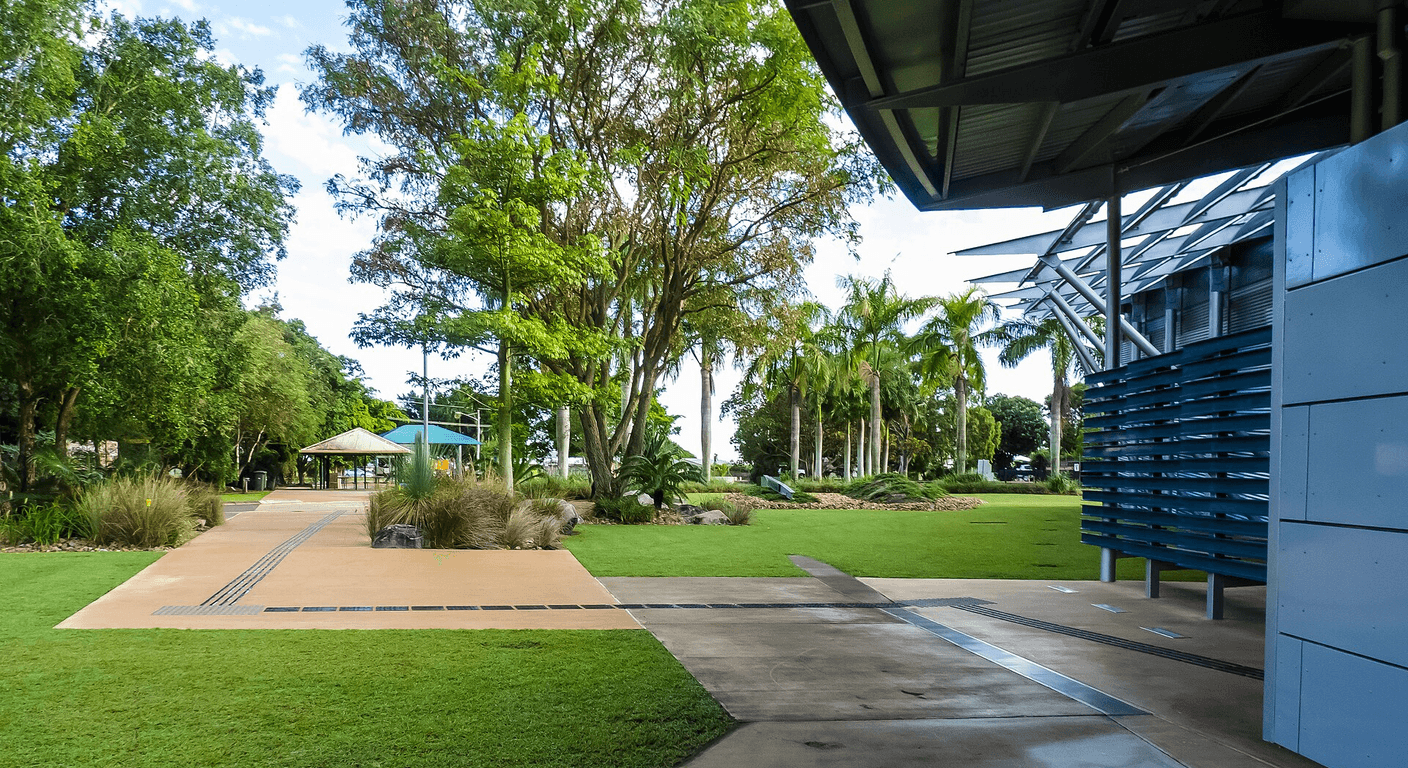
The flat path along the Mary River is one of Portside's genuine pleasures. It's the kind of walk that doesn't demand anything of you — no inclines, no tricky surfaces for most of its length — and rewards you with river views, a steady breeze off the water, and the unhurried pace that makes Queensland's heritage towns so appealing to travellers who've earned the right to slow down.
The path connects the Bond Store to the broader precinct, passing riverside seating and interpretive signage along the way. Mornings are particularly pleasant from April through September, when the humidity drops and the light on the Mary River is soft and clear. A wide-brimmed hat and comfortable walking shoes are sensible; the path is well-maintained but some sections near the heritage buildings can have uneven edges worth watching.
Accessibility is generally good along the main riverside path, though the heritage buildings themselves may have threshold steps or uneven floors. If mobility is a consideration, it's worth calling ahead to confirm current access arrangements at the Bond Store Museum specifically.
Wharf Street's heritage buildings: a slow look on the way back
Wharf Street is the kind of streetscape that architecture-minded travellers appreciate precisely because it hasn't been over-restored. The 19th-century commercial buildings — some still in use, some repurposed — retain their original facades, iron lacework, and proportions. Walking slowly along Wharf Street after the Bond Store tour gives the history context: these were the warehouses, merchants' offices, and traders' premises that served the port in its prime.
A few of the buildings carry National Trust recognition; the Queensland Heritage Register lists several Maryborough properties in this precinct. Plaques and signage offer enough information to make sense of what you're looking at without requiring a separate guide. The pace here is naturally contemplative — there's no pressure to move quickly, and that suits the area perfectly.
Café options along or near Wharf Street make a natural stopping point for morning tea or a light lunch before the drive back. Maryborough's café culture is modest but dependable; local coffee and a decent slice of cake are reliably available without needing a reservation.
Getting to Maryborough: your practical options
Most visitors to Portside arrive by car, which gives the most flexibility. From Brisbane, the drive north on the Bruce Highway takes roughly three hours; from Hervey Bay, it's a comfortable 35 to 40 minutes. Maryborough makes an excellent base for a Fraser Coast stay, or a day trip from Hervey Bay if you're already on the coast for the whale-watching season.
Queensland Rail operates the Tilt Train and Spirit of Queensland services from Brisbane to Maryborough West station — confirm current timetables and fares at queenslandrail.com.au, as schedules change. The station is a few kilometres from the precinct, so a taxi or rideshare is useful for the final leg unless you're happy to walk. For grey nomads travelling the Queensland coast by caravan, Maryborough has several well-regarded caravan parks, and Portside sits within easy reach of the town centre.
When to visit and how long to allow
April through September is the comfortable window. Queensland's wet season (roughly November to March) brings humidity and occasional flooding that can affect riverside areas; the dry season months offer clear skies, manageable temperatures, and the kind of morning light that makes heritage photography genuinely rewarding. July and August see more visitors to the Fraser Coast overall, but Portside never feels pressured.
A half-day is the honest minimum: an hour in the Bond Store with a guided tour, another hour walking the riverside path and Wharf Street at a considered pace, and time for coffee. If you're combining Portside with a broader Maryborough heritage walk — the city has a self-guided heritage trail covering Pallas Street and the Queens Park precinct — allow a full day. The city's connection to P.L. Travers, author of Mary Poppins, is celebrated nearby and worth factoring in if that's of interest; the Mary Poppins Festival runs annually, typically in July.
Practical tips for a comfortable visit
Arrive early — by 9 or 9:30 am — to catch the cooler part of the morning before Queensland's sun gets serious, even in the dry season. The Bond Store is cool inside, which makes it a welcome midday refuge if you've been walking. Water, sunscreen, and a hat are non-negotiable; the riverside path has shade in sections but not consistently.
Travel insurance that covers pre-existing conditions is worth having for any Queensland trip, particularly for travellers managing health considerations. The nearest public hospital to Maryborough is Maryborough Hospital on Walker Street. For travellers with hearing aids or vision considerations, ask the Bond Store Museum about accessibility aids when you confirm your visit — staff are generally accommodating.
Parking near the precinct is available and generally straightforward. If you're travelling with a companion who has limited mobility, drop-off points near the Bond Store entrance make access manageable. The flat terrain throughout Portside is genuinely one of its strengths for older travellers — it's a precinct designed, by its original geography, for people moving goods and people at a deliberate pace. That still works in your favour.
Quick planning guide
| Ideal pace | Slow and unhurried |
|---|---|
| Best months | April to September |
| Suggested stay | Half-day minimum; a full day if combined with Maryborough's wider heritage trail |
| Mobility level | Easy — flat riverside path, though some heritage buildings have threshold steps |
| Cost level | Budget-friendly (museum entry under $15) |
| Comfort level | High — shaded seating, a cool museum interior, and level paths throughout |
| Best for | Couples and older travellers who prefer substance and a slower pace over spectacle |
| Main planning consideration | Confirm Bond Store Museum tour times and entry fees before visiting, as hours and pricing vary seasonally |
Key takeaways
- Maryborough's Portside Precinct is one of Queensland's earliest immigration landing sites, with the Bond Store Museum preserving convict-era vaults dating to the 1870s.
- The riverside walk along the Mary River is flat and accessible, making it one of Queensland's most comfortable heritage day trips for over-50 travellers.
- Bond Store Museum entry runs around $10–$12 with concessions — confirm current pricing before visiting.
- April to September is the ideal window: humidity eases, temperatures are manageable, and the light on the Mary River is at its best.
- Wharf Street's unrestore heritage facades offer a slow, rewarding walk that puts the Bond Store history into its commercial context.
- Maryborough is around 35–40 minutes from Hervey Bay and three hours from Brisbane, making it a natural stop on a Queensland coast itinerary.
Recommended partners and links
Indicative prices only — always confirm with the operator before booking.
Frequently asked questions
How much does it cost to enter the Bond Store Museum in Maryborough?
Entry to the Bond Store Museum runs around $10 to $12, with concessions available for seniors and pensioners. Confirm current pricing directly with the Fraser Coast Regional Council before your visit, as fees can be updated.
Is the Portside Precinct suitable for travellers with limited mobility?
Yes. The main riverside walk along the Mary River is flat and well-maintained, making it accessible for most mobility levels. Some sections of Wharf Street and the interior of heritage buildings may have uneven surfaces or threshold steps; contact the Bond Store Museum ahead of your visit to confirm specific access arrangements.
What are the guided tour times at the Bond Store Museum?
Guided tour times at the Bond Store Museum vary seasonally. Confirm current schedules directly with the Fraser Coast Regional Council via frasercoast.qld.gov.au before planning your visit.
How do you get to Maryborough's Portside Precinct from Brisbane or Hervey Bay?
From Brisbane, the drive north on the Bruce Highway takes roughly three hours. From Hervey Bay, it's around 35 to 40 minutes by car. Queensland Rail operates services from Brisbane to Maryborough West station — confirm current timetables at queenslandrail.com.au. From the station, a taxi or rideshare covers the remaining distance to the precinct.
What is the best time of year to visit Maryborough's Portside Precinct?
April through September offers the most comfortable conditions, with lower humidity and clear skies. Queensland's wet season (November to March) brings heat and humidity that can make outdoor walking less pleasant, and riverside areas can occasionally be affected by flooding.