Allora, on the New England Highway south of Toowoomba, rewards a slow two-to-three-hour walk along Herbert Street's flat, sealed footpaths lined with intact 19th-century sandstone and timber shopfronts. April to June or September to October bring comfortable walking weather, while late October to November adds a jacaranda display. The walk is easy, with no entry fees, crowds or car park charges. There's no public transport, so a car is essential, and it pairs well with lunch in Warwick, 30 kilometres south.
Why Allora Deserves More Than a Drive-Through
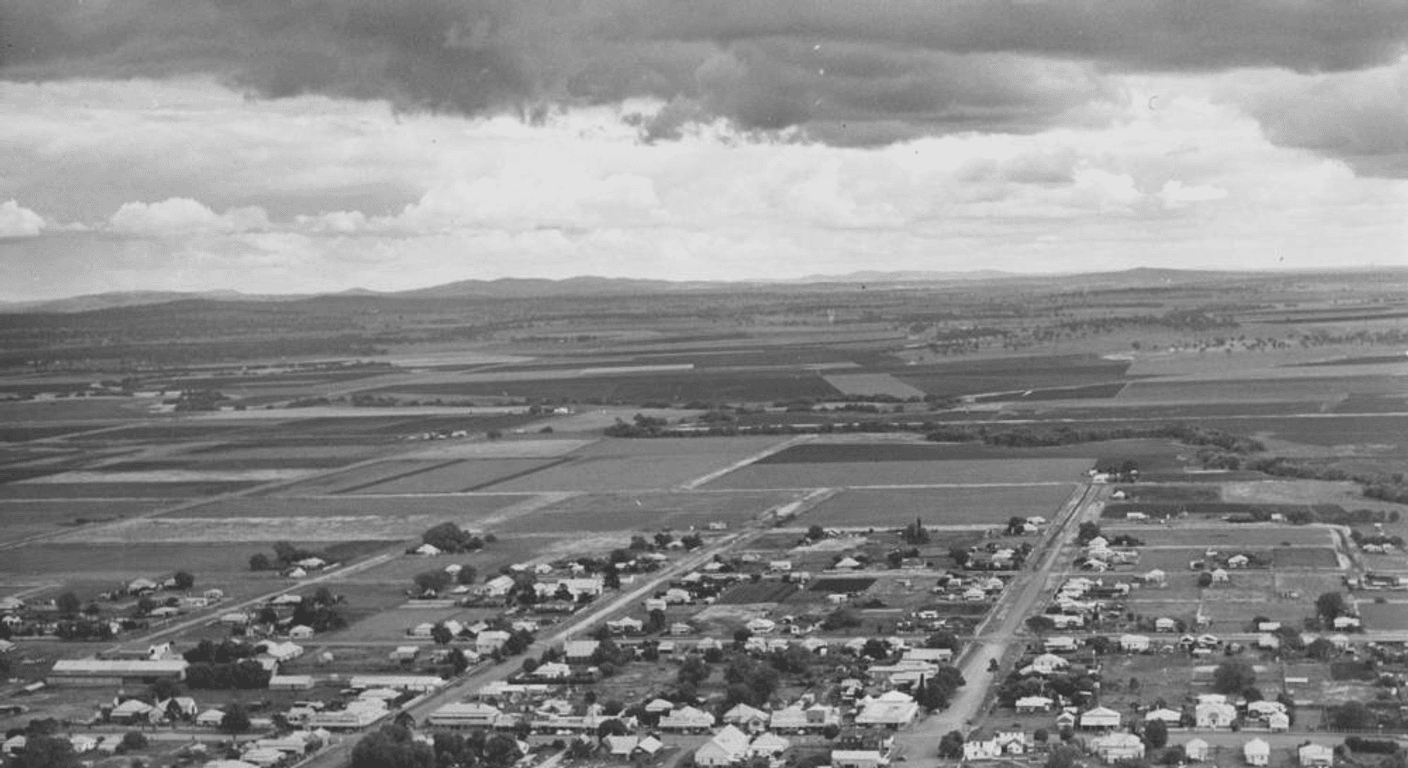
Most people travelling the New England Highway between Toowoomba and Warwick barely slow down for Allora. That's their loss. The town — gazetted in 1859 and once a significant pastoral service centre — has retained a main street so architecturally coherent it feels less like a preserved heritage precinct and more like a place that simply never got around to knocking anything down. That distinction matters. There's an authenticity here that no heritage overlay can manufacture.
For travellers who find the big-ticket regional towns occasionally exhausting — the queue for the famous pie, the car park charge, the interpretive signage every three metres — Allora offers the opposite. You park easily, you walk at your own pace, and nobody is trying to sell you anything. The footpaths are flat and sealed, the scale is human, and the whole main street is manageable in a comfortable hour without feeling rushed.
What Does the Main Street Actually Look Like?
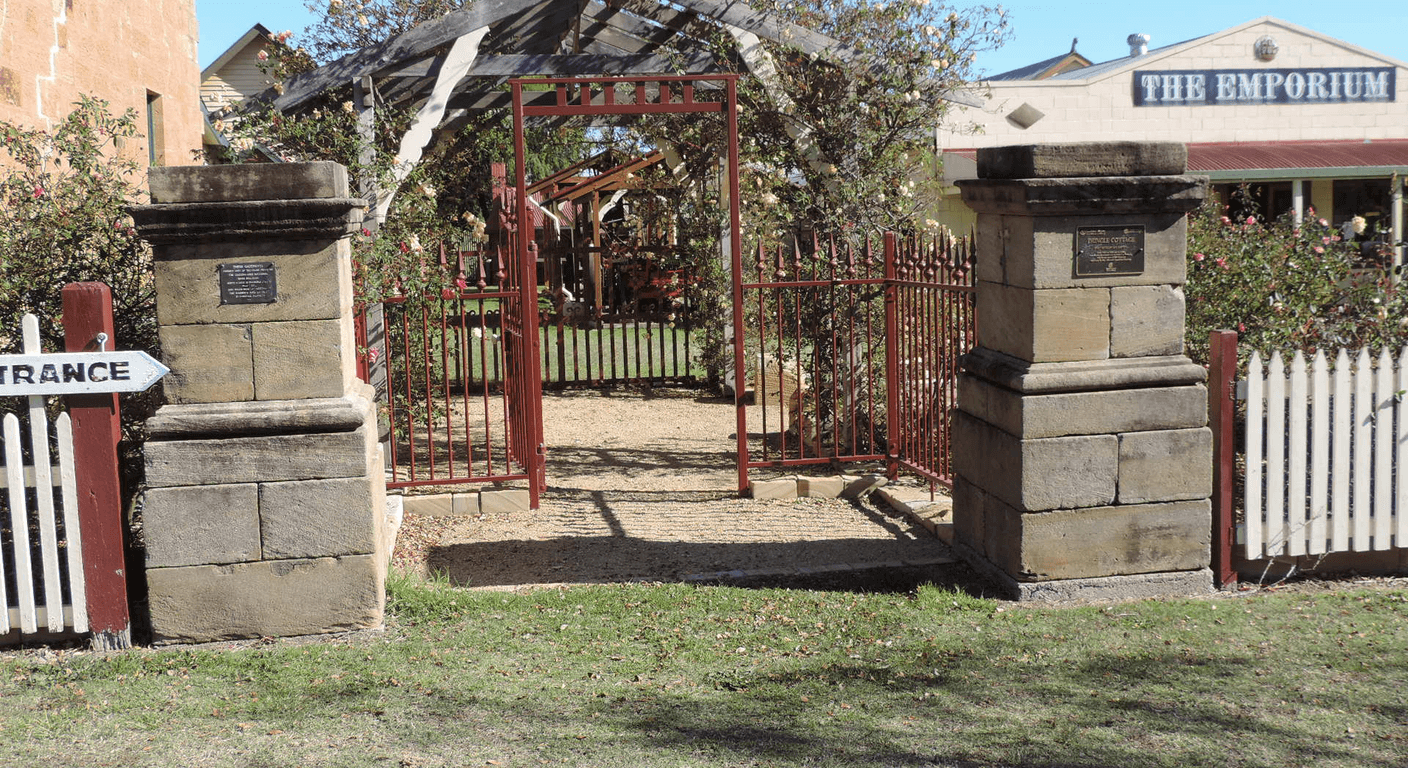
Herbert Street is the spine of town, and it rewards slow attention. The streetscape mixes Queensland sandstone — that warm, honey-coloured local stone — with timber-fronted buildings that date from the 1870s through to the early 1900s. Several retain their original verandahs, iron lacework, and upper-storey windows. It's the kind of streetscape architectural historians get quietly emotional about.
What makes the walk particularly pleasant for older travellers is the absence of traffic pressure. Allora is not a ghost town — locals use these streets — but it's calm enough that you can stand on the footpath and look up at a roofline without feeling like an obstacle. The shade from verandahs and street trees offers reasonable relief on warmer days, though visiting in the cooler months of April through June, or the mild spring of September and October, makes the walk more comfortable.
A few of the original commercial buildings now house small local businesses — a café, a general store — while others sit quietly between uses. The mix feels genuine rather than curated, and that's part of the charm. Don't expect a main street lined with boutiques; expect a main street that shows you what a Queensland country town actually looked like a hundred and fifty years ago.
Jacarandas in Late Spring — Worth Timing Your Visit
If you can time a visit for late October through November, Allora's streets take on a different character entirely. Jacaranda trees — planted along residential streets and around the town's older properties — drop their purple canopy across footpaths and nature strips in a way that's quietly theatrical. It's the same phenomenon that draws crowds to Grafton in New South Wales, but here it happens without the festival crowds or the traffic management.
The jacaranda season is never precisely predictable — it shifts with rainfall and temperature, so a week either side can make a significant difference. Checking in with local social media groups or the Southern Downs tourism pages in mid-October gives a reasonable read on timing. The colour tends to peak for two to three weeks, and the fallen blossoms on the footpath have their own kind of beauty.
Couples who enjoy photography — and many travellers in their sixties and seventies do — will find the combination of sandstone architecture and jacaranda purple genuinely photogenic, particularly in the softer light of morning. Arriving before midday gives the best light on the east-facing shopfronts and avoids the flat glare of early afternoon.
The Allora Historical Museum — A Small Treasure with Limited Hours
The Allora and District Historical Museum holds a collection of local artefacts, photographs, and records that document the town's pastoral and railway history. It's the kind of institution that exists because a small group of dedicated volunteers decided that their community's story was worth preserving — and they were right. The collection won't take hours, but it adds genuine context to the architecture you've just walked past.
The critical practical detail: this is a volunteer-run museum with limited and sometimes irregular opening hours. Turning up and finding it closed is a real possibility if you haven't confirmed in advance. Before visiting, check with the Southern Downs Regional Council or contact the museum directly through the council's website. Some sources indicate weekend openings, but hours can vary by season and volunteer availability. This is not a criticism — it's simply the reality of regional heritage institutions, and a quick phone call saves disappointment.
If the museum is open, a small donation is appropriate. The volunteers who maintain these collections do so out of genuine commitment, and the running costs of small regional museums are perpetually tight. Even a modest contribution is well received.
Pairing Allora with Lunch in Warwick
Allora on its own makes for a satisfying two to three hours, but it works best as the first part of a Southern Downs day. Warwick, roughly 30 kilometres south along the New England Highway, is a larger regional centre with a good range of cafés, bakeries, and restaurants that can anchor a proper lunch stop. The drive between the two towns is straightforward and scenic, passing through open farmland that rolls gently in a way that's typical of the Darling Downs.
Warwick has its own heritage merit — the rose gardens at Palmerin Street are well regarded, and the town's stone buildings give the streetscape a solidity that feels different from the timber towns of the coastal hinterland. The Warwick Art Gallery and Museum is worth a look if energy allows. But for most travellers doing this day trip, Warwick functions as the comfortable, well-serviced second act: a good lunch, a decent coffee, perhaps a browse of the main street before the drive home.
For travellers based in Toowoomba, the return drive can vary the route slightly — there are a handful of smaller localities and lookouts along the range roads worth a brief stop. Confirm road conditions through RACQ or Google Maps before setting out, particularly after rain, as some secondary roads in the Downs can be affected by wet weather.
Getting There and Practical Considerations
Allora sits on the New England Highway, making it straightforward to reach by car. From Toowoomba it's around 55 kilometres south — under an hour. From Brisbane, allow roughly two hours via the Cunningham Highway through Ipswich to Warwick, then north on the New England Highway to Allora. From the Gold Coast, the route through Beaudesert and Cunningham's Gap adds a little more time but passes through attractive country. There is no regular public transport to Allora, so a car is essential for this day trip.
Parking on Herbert Street and the surrounding streets is free and readily available — this is not a town where you'll circle the block. The flat terrain of the main street means mobility aids such as walking sticks or a lightweight rollator are perfectly manageable, and there are no significant kerb drops or uneven surfaces on the main route. Travellers with more significant mobility considerations should note that some of the older footpath sections in side streets can be uneven, so sticking to Herbert Street itself is advisable.
Fuel up in Warwick or Toowoomba rather than relying on Allora for a full tank — the town's services are limited. Similarly, carry water, particularly in the warmer months of October through February when the Southern Downs can be genuinely hot. A hat and sunscreen are non-negotiable for an outdoor main-street walk in Queensland at any time of year.
What Makes This Day Trip Work for Over-50 Travellers
There's something to be said for a day that doesn't require a booking, a timed entry, or a fifteen-dollar car park fee. Allora offers the kind of unstructured, self-directed exploration that suits travellers who know what they enjoy and don't need to be herded through it. The pace is entirely your own. You can spend twenty minutes on one building if the ironwork interests you, or linger over a coffee in one of the small local spots without watching the clock.
For travellers who are grey nomads passing through Queensland on a longer journey, Allora makes an excellent mid-morning stop between Toowoomba and the New England Highway towns further south. For couples based in Southeast Queensland looking for a day out that combines heritage, landscape, and a good lunch, it's a quietly satisfying option that doesn't require the advance planning of a bigger destination. And for anyone who simply wants to walk a beautiful old street in peace — that's reason enough.
Quick planning guide
| Ideal pace | Slow and self-directed, no set itinerary needed |
|---|---|
| Best months | April to June or September to October for comfort; late October to November for jacaranda season |
| Suggested stay | 2-3 hours in Allora itself, or a full day combined with lunch in Warwick |
| Mobility level | Easy - Herbert Street is flat and sealed with no significant kerb drops |
| Cost level | Budget-friendly - free parking and no entry fees |
| Comfort level | Comfortable - verandah shade and a human-scale, unhurried main street |
| Best for | Heritage lovers, grey nomads passing through, and couples wanting an easy day out |
| Main planning consideration | No public transport, so a car is essential; the historical museum is volunteer-run with irregular hours, so confirm opening times before visiting |
Key takeaways
- Allora's main street preserves an intact 19th-century Queensland streetscape of sandstone and timber shopfronts with no entry fee and no crowds.
- The walk along Herbert Street is entirely flat and sealed, making it one of the most accessible heritage walks in the Southern Downs region.
- Late October to November brings jacaranda season to Allora's streets — timing a visit then adds significant visual appeal.
- The Allora Historical Museum is volunteer-run with limited opening hours; always confirm before visiting to avoid a closed door.
- Pairing Allora with lunch in Warwick, 30 kilometres south, creates a well-rounded Southern Downs day trip from Toowoomba or Brisbane.
- There is no public transport to Allora — a car is essential, and the town is best reached via the New England Highway.
Recommended partners and links
Indicative prices only — always confirm with the operator before booking.
Frequently asked questions
How far is Allora from Toowoomba and Brisbane?
Allora is approximately 55 kilometres south of Toowoomba — under an hour by car via the New England Highway. From Brisbane, allow around two hours via the Cunningham Highway through Ipswich and Warwick, then north to Allora. Confirm current travel times before setting out.
When is the best time to visit Allora for the jacarandas?
Allora's jacaranda trees typically flower from late October through November, though the exact timing shifts year to year depending on rainfall and temperature. Checking local social media or the Southern Downs Regional Council tourism pages in mid-October gives the best read on current conditions.
Is the Allora Historical Museum open to visitors?
The Allora and District Historical Museum is volunteer-run and has limited, sometimes irregular opening hours. It is essential to confirm opening days and times before visiting — contact the museum directly or check through the Southern Downs Regional Council website. Turning up without confirming risks finding it closed.
Is Allora suitable for travellers with mobility considerations?
Allora's main street, Herbert Street, is flat and has sealed footpaths, making it manageable with a walking stick or lightweight mobility aid. Some side-street footpaths can be uneven, so sticking to the main heritage strip is advisable for travellers who need more even ground. There are no hills to contend with on the core heritage walk.
Can you do Allora and Warwick as a day trip from Brisbane?
Yes. Leaving Brisbane reasonably early, you can spend a comfortable two to three hours in Allora exploring the main street and museum (if open), then drive the 30 kilometres south to Warwick for lunch before returning to Brisbane. The full day is manageable without feeling rushed, and the drive through the Cunningham Highway and Darling Downs is pleasant in its own right.