Montague Island, nine kilometres off Narooma on the NSW Sapphire Coast, is best visited October to April, when water clarity and seal pup activity peak. Allow two to three nights in Narooma, reachable only by licensed tour boat. The highlight is snorkelling among one of the largest Australian fur seal colonies on the coast, an activity suited to confident, fit swimmers. Travellers with limited mobility can instead join a wildlife cruise, as the island has no wheelchair access.
What makes Montague Island worth the journey
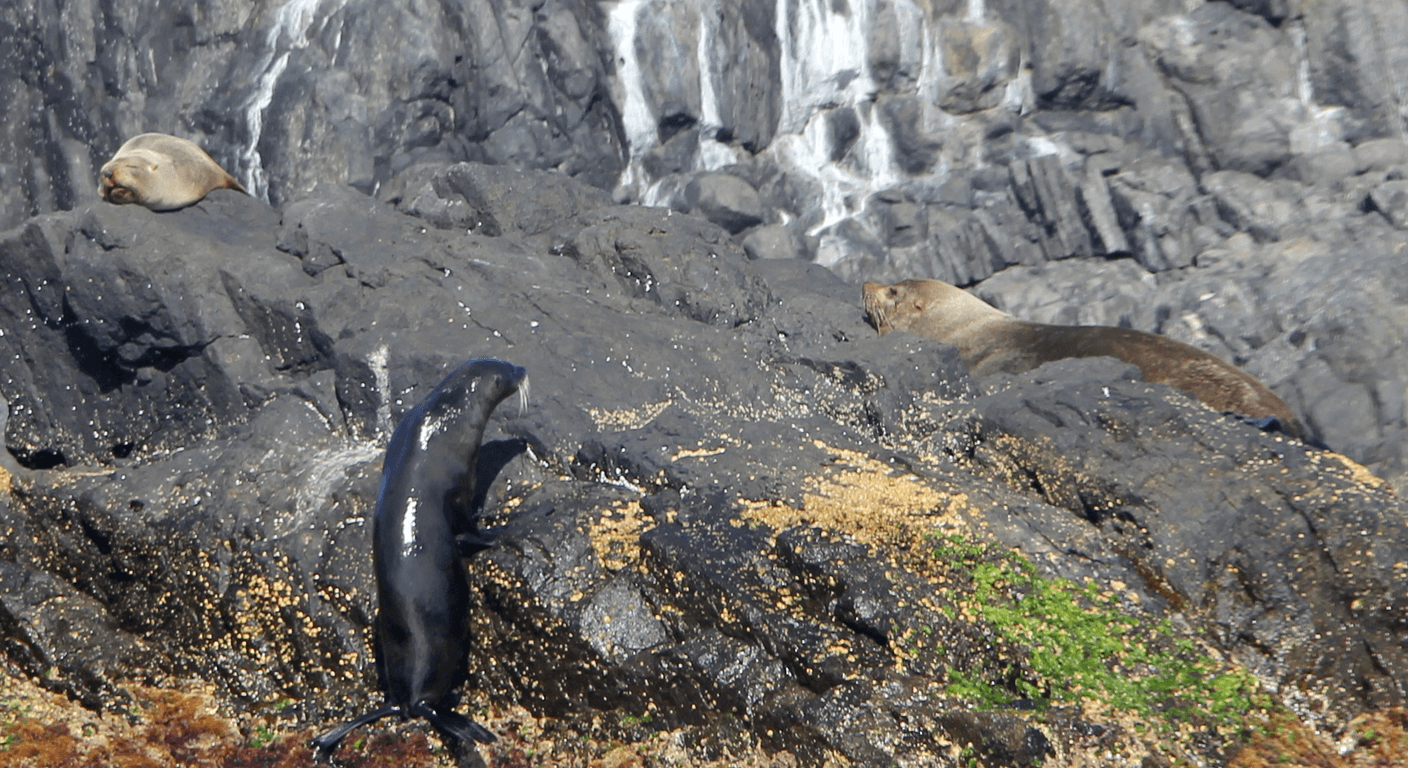
Montague Island — Baranguba in the language of the Yuin people — is a 81-hectare granite island declared a nature reserve, sitting about nine kilometres due east of Narooma on the NSW Sapphire Coast. It supports one of the largest colonies of Australian fur seals on the eastern seaboard, alongside little penguins, shearwaters and a lighthouse heritage precinct that dates to 1881. The island is accessible only by licensed tour boat. There are no day-tripper ferries, no café, no gift shop.
That absence of infrastructure is precisely the point. The water around the island is clean, the seal colony is accustomed to snorkellers, and the whole experience runs at a pace that suits someone who wants to be genuinely present rather than herded through a highlight reel. For a solo traveller joining a small guided group, there's a particular pleasure in sharing the water with strangers who are all equally wide-eyed.
Is snorkelling here right for you — honestly?
This is not a reef-edge paddle in waist-deep water. The snorkel sites around Montague Island sit in open ocean, with depths ranging from roughly 2 metres in the shallower kelp zones to 18 metres where the rock shelves drop away. Swells are real, even on calm days. Operators supply wetsuits, masks, fins and flotation noodles, and guides are in the water with you — but you do need to be a confident, comfortable swimmer. If you've done open-water swimming before, or snorkelled in places like the Great Barrier Reef or Jervis Bay, you'll likely manage well.
Be honest with yourself about fitness and cold-water tolerance. Even in summer, the water temperature hovers around 18–22°C — refreshing is the diplomatic word. The wetsuit handles most of it, but getting in and out of a boat in open water requires a reasonable degree of agility. Operators can advise on suitability when you book; it's worth having that conversation rather than discovering the limitations on the day.
If snorkelling isn't for you — or the sea conditions rule it out on the day — the island wildlife cruise is a genuinely satisfying alternative. You'll see seals hauled out on the rocks, little penguins near their burrows (seasonal), and the lighthouse up close, all from the comfort of the boat. It's not a consolation prize.
What happens on a snorkel tour day
Tours depart from Narooma wharf, typically in the morning, and the crossing takes around 30–40 minutes depending on conditions. Once at the island, the guide briefs the group on seal behaviour — the key rule being that you observe, not touch, and you let the seals set the pace of any interaction. They generally do. Young seals in particular seem to regard snorkellers as mildly entertaining, approaching to within arm's length before spiralling away.
Time in the water is usually split across one or two sites, with breaks on the boat. The total tour runs around four to five hours return. Wetsuits, masks and fins are provided; bring a towel, sunscreen, seasickness tablets if you're prone, and a change of clothes. A waterproof camera or GoPro is worth packing — just confirm with your operator what's permitted near the animals.
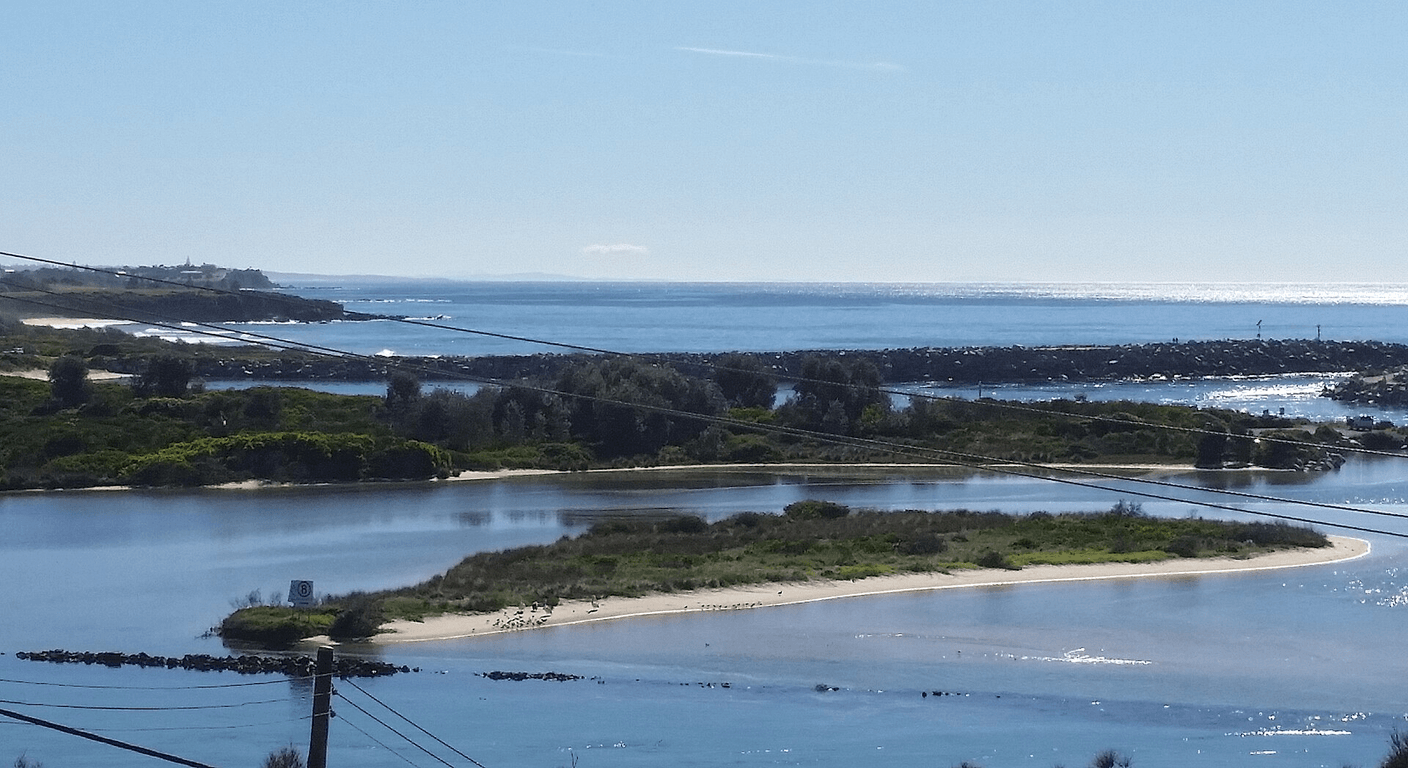
Weather cancellations are a genuine possibility on the Sapphire Coast. Operators typically contact you the morning of the tour. Building two or three nights into your Narooma stay gives you a buffer and turns a potential frustration into an excuse to explore the town's estuary walks, oyster tasting and the remarkable Narooma Bar — a narrow tidal entrance that's worth watching from the headland on a clear afternoon.
Getting to Narooma from Victoria
Narooma sits roughly 350 kilometres south of Sydney and about 430 kilometres north-east of Melbourne — closer to the ACT than most people realise. From Melbourne, the most straightforward option is to drive the Princes Highway through Bairnsdale and across the border via Eden and Bermagui, allowing a full day with stops. The scenery through the Sapphire Coast is worth the unhurried pace.
If driving isn't preferred, NSW TrainLink operates coach services connecting Sydney to Narooma via Nowra and Bateman's Bay — confirm current timetables and booking on the Transport for NSW website. Flying into Sydney and hiring a car from there is another practical option, giving you flexibility to stop at Jervis Bay or Tilba Tilba along the way. Narooma itself is compact and walkable from most accommodation to the wharf.
For a solo traveller, the drive along the Sapphire Coast offers its own rewards — small towns, roadside farm stalls, and a coastline that doesn't announce itself the way the Great Ocean Road does. It earns your attention quietly.
Where to stay and how long to allow
Two to three nights in Narooma is the sensible minimum. That gives you one day for the island tour, a buffer day for weather, and time to explore the surrounding area without rushing. Narooma has a range of accommodation from motel-style rooms near the waterfront to holiday apartments suited to solo travellers who prefer a kitchen and a balcony over a hotel breakfast.
The broader Eurobodalla region — which includes Tilba Tilba, Central Tilba and Bermagui — rewards a longer stay. Central Tilba is a National Trust–listed historic village about 20 minutes from Narooma, with an excellent cheese shop and a pub that predates Federation. Bermagui has a small but respected arts community and a tidal ocean pool. Neither requires much walking to appreciate.
For solo female travellers, Narooma has a settled, community feel. The town is small enough that you'll likely recognise faces from the wharf at breakfast. Tour groups tend to be mixed in age and often include other solo travellers — it's the kind of activity that generates easy conversation.
Practical notes on costs and what to confirm
Snorkel tours are indicatively priced around AUD $180–$220 per person as of recent seasons, though this varies by operator and inclusions. Wildlife cruises without snorkelling are typically less. Confirm current pricing, availability and seasonal schedules directly with your chosen licensed operator — the NSW National Parks website lists authorised tour providers for Montague Island Nature Reserve.
Travel insurance is worth thinking about carefully. If you have pre-existing conditions — a common reality at 68 — ensure your policy covers both the physical activity (open-water snorkelling is usually classified as a recreational water sport) and any cancellation costs if you're unwell or conditions deteriorate. World Nomads and Cover-More both offer policies with pre-existing condition options, though you should compare carefully and read the product disclosure statement.
The island is a nature reserve under NSW National Parks management. Landing fees may apply in addition to tour costs — confirm this when booking. No facilities exist on the island itself beyond what the tour operator brings. Cash is useful for Narooma town, though most businesses accept cards.
Accessibility — what's possible and what isn't
Montague Island does not currently offer wheelchair-accessible entry to the water or the island's walking tracks. The boat boarding requires stepping across a gangway or being assisted over the gunwale, and the snorkel entry is from the boat's swim platform. This is worth factoring in early rather than discovering at the wharf.
For travellers with limited mobility who want to experience the island from the water, the wildlife cruise remains a genuinely worthwhile option — seals are visible from the boat, and the lighthouse and heritage buildings can be appreciated from offshore. Confirm with the operator what's possible given your specific needs; some boats are more manageable than others, and operators are generally candid about what works.
Quick planning guide
| Ideal pace | Slow and unhurried, built around one boat tour rather than a packed itinerary |
|---|---|
| Best months | October to April, for clearer water and seal pup activity |
| Suggested stay | Two to three nights in Narooma, including a weather buffer day |
| Mobility level | Active — requires confident open-water swimming and agility boarding the boat; a wildlife cruise suits lower mobility |
| Cost level | Mid-to-premium, around AUD $180–$220 per person for the snorkel tour |
| Comfort level | Basic on the island itself — no facilities, cafés or wheelchair access; wetsuits and gear are provided |
| Best for | Confident solo swimmers wanting an unhurried wildlife encounter, or less-active travellers via the wildlife cruise |
| Main planning consideration | Weather-related cancellations are common, so build spare days into a Narooma stay |
Key takeaways
- Montague Island hosts one of the largest Australian fur seal colonies on the NSW coast, nine kilometres off Narooma.
- Snorkel tours suit confident open-water swimmers only — depths reach 18 metres and swells are real.
- Non-swimmers can join wildlife cruises and see seals, penguins and the historic lighthouse from the boat.
- October to April offers the best water visibility and seal pup activity around the island.
- Allow two to three nights in Narooma to build in a weather buffer — tours cancel on short notice.
- Snorkel tours are indicatively priced around AUD $180–$220 per person; confirm current costs before booking.
Recommended partners and links
Indicative prices only — always confirm with the operator before booking.
Frequently asked questions
Do you need to be a strong swimmer to snorkel at Montague Island?
Yes. The snorkel sites sit in open ocean with depths of 2–18 metres. Wetsuits, fins and flotation noodles are supplied, and guides are in the water with you, but a confident, comfortable swimming ability is genuinely required. If you're unsure, discuss your fitness and experience with the operator before booking.
Can non-swimmers still visit Montague Island?
Yes. Licensed operators offer wildlife cruises that allow passengers to see the fur seal colony, little penguins (in season) and the 1881 heritage lighthouse from the boat without entering the water. It's a worthwhile experience in its own right.
What is the best time of year to snorkel at Montague Island?
October to April is generally best — water temperature is warmer (around 18–22°C), visibility tends to be clearest, and seal pups born over summer are active and curious around snorkellers. Tours may operate outside this window; confirm with your operator.
Is Montague Island wheelchair accessible?
No. There is currently no wheelchair-accessible entry to the water or the island's walking tracks. Boarding the tour boat requires a step or assisted transfer over the gunwale. Travellers with mobility limitations should contact the operator directly to discuss what's feasible for their circumstances.
How do you get to Narooma from Melbourne?
The most flexible option is to drive via the Princes Highway through Bairnsdale, crossing into NSW near Eden and continuing north along the Sapphire Coast — roughly a full day's drive with stops. Alternatively, fly to Sydney and hire a car, or take an NSW TrainLink coach connection from Sydney. Confirm current timetables on the Transport for NSW website.