Narooma sits on the NSW South Coast, about five and a half hours' drive from Melbourne via the Princes Highway, or a flight to Merimbula followed by a one-hour drive. The best time to visit is September to November, when humpback whales migrate south past the coast. Two to three days suit the pace: a flat, easy inlet boardwalk with stingrays and seals, plus a Montague Island wildlife tour that involves uneven rock and steps, rating the trip Moderate overall rather than Easy.
What makes Narooma worth the drive from Victoria?
Narooma is the kind of place that doesn't try to impress you, and that's precisely its quality. Sitting on the Eurobodalla Coast about 360 kilometres south of Sydney and 320 kilometres from Canberra, it's a straightforward drive from Melbourne along the Princes Highway — allow five and a half to six hours, and plan to stop at Bairnsdale or Orbost. There's no need to rush it. The town itself is small, unhurried, and built around two things that actually matter: a sheltered inlet and the ocean just beyond it.
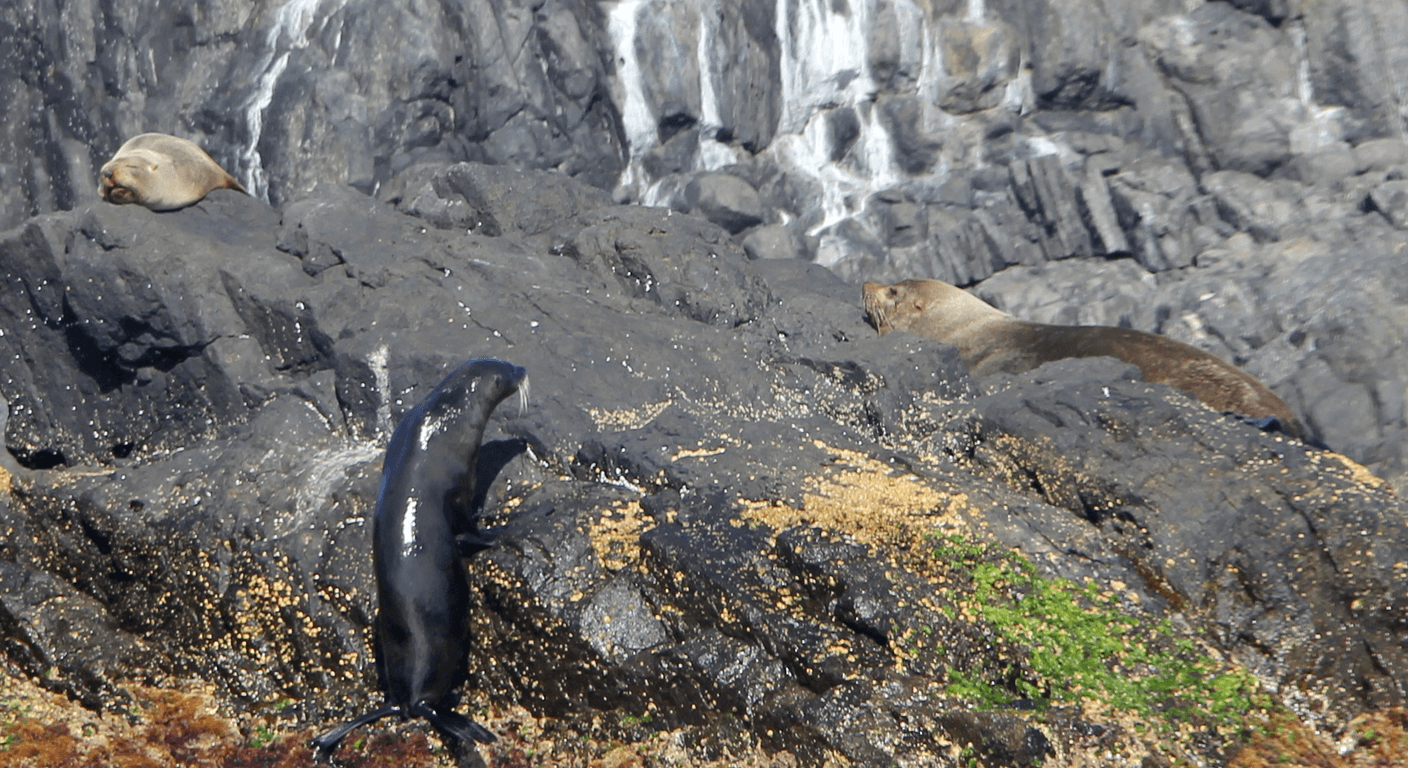
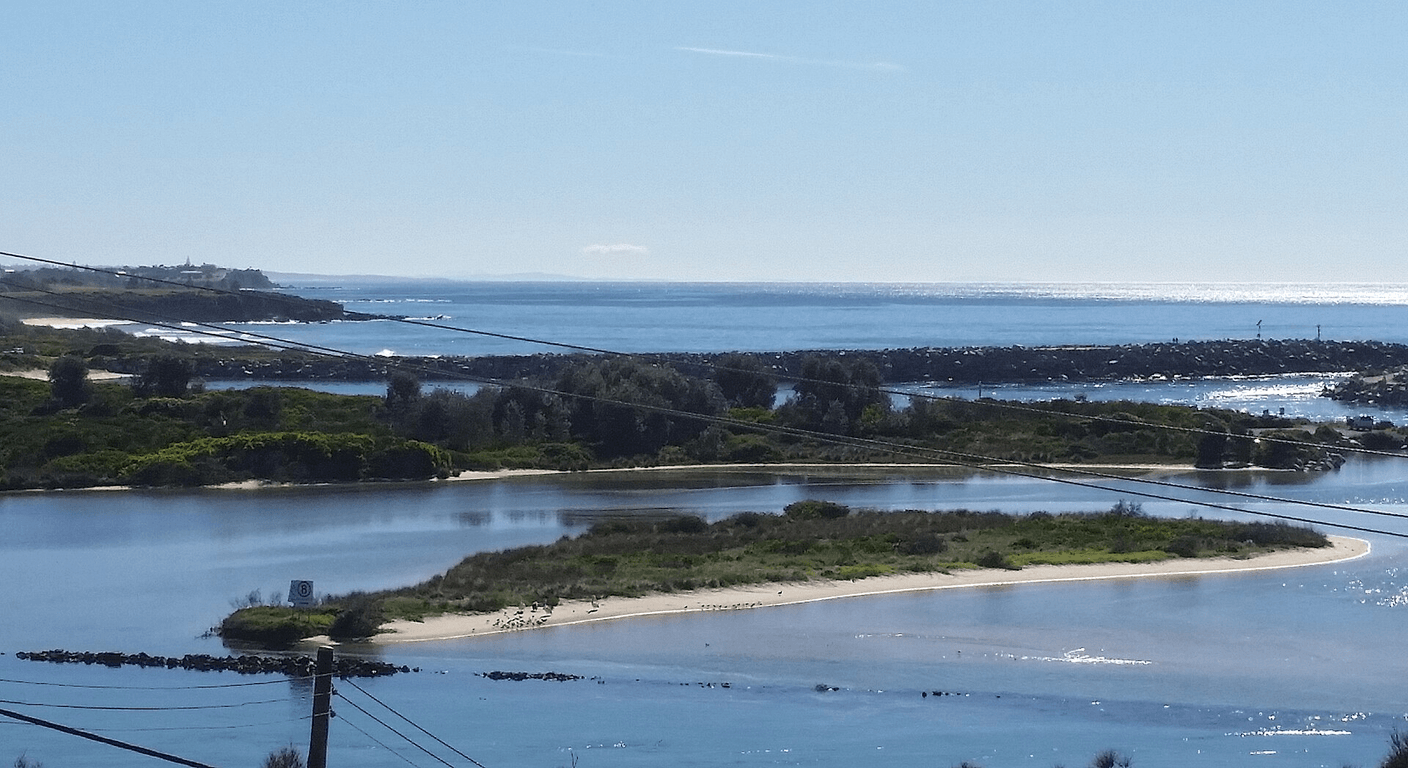
For a couple used to the Aegean's transparent water and relaxed harbour life, Narooma has an unexpected resonance. The Wagonga Inlet glows a clear, brackish green that shifts with the light — not quite the Aegean blue, but arresting in its own way. Stingrays cruise the shallows in plain sight. Fur seals drape themselves over the breakwall rocks as though the concept of urgency is entirely foreign to them. It's not a beach holiday. It's something more particular than that.
Accommodation ranges from well-maintained motels and holiday apartments overlooking the inlet to self-contained cottages a short drive from town. Mid-range options are generally comfortable and good value — Narooma hasn't been overbuilt. Book ahead for the spring whale season, when the town is noticeably busier.
The Wagonga Inlet walk: flat, easy and genuinely rewarding
The flat boardwalk and foreshore path around Wagonga Inlet is one of the best easy coastal walks on the New South Wales South Coast. The surface is largely sealed or compacted gravel, the gradient is negligible, and there are benches at sensible intervals. It's an hour at a gentle pace, or considerably longer if you stop to watch what's happening beneath the surface — and you will stop.
Stingrays are a constant presence in the shallower reaches, moving through the green water with that unhurried, wing-like motion that's been the same for three hundred million years. Small schools of fish drift near the jetty pylons. In the early morning, the inlet is particularly still, and the surrounding bush reflects cleanly in the water. It's the kind of walk where you arrive back at the car feeling properly settled rather than merely exercised.
Further along the foreshore, fur seals have established themselves near the breakwall with considerable confidence. They're wild animals and should be observed from a respectful distance — but they're also entirely unperturbed by quiet human presence, which makes for good, unhurried watching. The Narooma breakwall itself is a solid, flat concrete structure, easy to walk and a good vantage point for watching the inlet meet the sea.
Montague Island: what to expect on a guided tour
Nine kilometres offshore, Montague Island is a nature reserve managed by NSW National Parks and Wildlife Service, and landing on it requires a licensed tour operator. That's not a bureaucratic obstacle — it's the reason the island remains in the condition it is. Australian fur seals haul out here by the thousand during breeding season. Little penguins nest in burrows across the island. Wedge-tailed shearwaters fill the air at dusk. Sacred kingfishers. White-bellied sea eagles. The island lighthouse, built in 1881, still stands.
Tours typically depart from Narooma Wharf and take around four hours return, including time on the island with a ranger or guide. The boat crossing takes about 30 minutes and can be lively in a swell — if either of you is prone to motion sickness, take appropriate precautions before boarding. The landing involves a short boat transfer to the island jetty and then walking on uneven granite rock surfaces and some steps to reach the main areas. It's rated Moderate for a reason: not difficult, but not suited to anyone with significant balance or knee concerns without careful consideration.
Tour costs vary by operator and season — indicative prices have been around $120 to $160 per person, but confirm current pricing directly with operators before booking, as these change. The night penguin tour, if you time your visit right, is a separate and memorable experience: little penguins returning from the sea after dark, entirely indifferent to the small, quiet group watching them. Book well ahead for spring and summer departures.
Australia Rock and the view that stops conversation
A short drive south of town on Bar Rock Road brings you to Australia Rock — a granite outcrop with a natural hole weathered through it that, from the right angle, frames a rough outline of the Australian continent. It's a simple geological coincidence that's become a local landmark, and the surrounding headland is worth the stop regardless of the rock itself.
The path to Australia Rock is short and manageable, though the surface is uneven in places. The view from the headland takes in the open Tasman Sea, the inlet entrance, and on a clear day, the silhouette of Montague Island on the horizon. It's a good place to orientate yourself to Narooma's geography — the inlet behind you, the ocean ahead, the island out there waiting.
Oysters, waterside dining and the club
The Eurobodalla region produces Sydney rock oysters of genuine quality, and Narooma is a sensible place to eat them. Several waterfront spots serve fresh oysters — eaten simply, with a squeeze of lemon, looking out over the inlet. It's one of those uncomplicated pleasures that travel writers tend to over-describe. Order a dozen, sit down, and enjoy them.
The Narooma Soldiers Club on Wagonga Street is worth knowing about. Club dining in regional New South Wales maintains a quality and value proposition that's hard to argue with — good meals, reasonable prices, comfortable surroundings, and a view in some cases. It's a reliable option for an evening when you'd rather not drive anywhere or make a reservation weeks in advance. Confirm current menu and hours directly, as these vary.
For something more considered, Narooma has a small selection of cafes and restaurants serving local seafood. The town is not large, so options are limited — but the quality of the raw ingredient (the fish, the oysters, the prawns) tends to carry the cooking. Lunch at a waterside table with a glass of cool white is a reasonable way to spend a Narooma afternoon.
Whale season: when to come for the migration
Humpback whales pass along this stretch of coast twice a year — northward from June to July on their way to warmer breeding waters, and southward from September to November as they return to Antarctic feeding grounds with calves. The southern migration, particularly October and November, tends to offer more surface activity: breaching, tail-slapping, and mothers teaching calves to navigate the swell.
Narooma's headlands — particularly those around Bar Rock and the town foreshore — are good shore-based vantage points. Binoculars are worth bringing. Some Montague Island tour operators also offer whale watching components during the season, which puts you considerably closer to the action. Southern right whales occasionally appear in the bay as well, though humpbacks are the reliable species here.
Spring is the town's busiest period, and accommodation fills quickly on weekends. If you're planning around whale season, mid-week travel is calmer and often cheaper. The weather in October and November is generally warm and settled on the south coast, though the ocean can still be cool — and the spring light on the inlet is, frankly, very good.
Getting there and practical notes for the drive from Victoria
From Melbourne, the most straightforward route is the Princes Highway through Gippsland — Sale, Bairnsdale, and then into New South Wales through Eden and Bega before turning north to Narooma. The total distance is roughly 470 kilometres and takes five and a half to six hours of driving, not including stops. That's a long day, and there's no particular reason to rush it. An overnight stop in Bairnsdale or Lakes Entrance breaks the journey pleasantly and turns the trip into a proper road experience rather than an endurance exercise.
The Princes Highway through this section is a good driving road — two lanes, manageable traffic outside holiday periods, and genuinely attractive country once you're through the Gippsland plains. Fuel up before the more remote stretches. The highway improves considerably once you cross into New South Wales and approach the coast. Narooma itself is compact and easy to navigate by car.
Alternatively, fly to Merimbula Airport — serviced from Sydney — and drive north to Narooma in about an hour. Rex Airlines and other regional carriers service the route; confirm current schedules. This is worth considering if the full road journey feels like too much on either end of the trip. Hiring a car in Merimbula is straightforward. Travel insurance covering pre-existing conditions is standard advice for any trip of this kind — confirm your policy covers both the activities planned and the drive itself.
Quick planning guide
| Ideal pace | Slow-paced, built around short walks and boat tours |
|---|---|
| Best months | September to November for whale migration; book ahead as spring is the busiest period |
| Suggested stay | 2-3 days to cover the inlet walk, Montague Island and Australia Rock |
| Mobility level | Easy around town and the inlet boardwalk; Moderate for the Montague Island landing (uneven rock, steps) |
| Cost level | Mid-range, with good-value motels, cottages and tours around $120-$160 per person |
| Comfort level | Comfortable, well-maintained motels, holiday apartments and self-contained cottages |
| Best for | Wildlife watchers, easy walkers and seafood lovers |
| Main planning consideration | Book Montague Island tours and spring accommodation well ahead, and confirm boat tour and menu details directly with operators |
Key takeaways
- The Wagonga Inlet boardwalk is one of the flattest, most rewarding easy coastal walks on the NSW South Coast — stingrays visible from the path.
- Montague Island tours require a licensed operator and advance booking; the landing involves uneven rock surfaces and steps, rating it Moderate.
- Humpback whales are most active along this coast in September to November on their southward migration — the best window for both wildlife and weather.
- Australia rock oysters eaten waterside are a genuine regional highlight, not a tourist cliché — the inlet framing helps.
- From Melbourne, allow five and a half to six hours on the Princes Highway, or fly to Merimbula and drive north one hour.
- Narooma Soldiers Club provides reliable, affordable evening dining without the need for advance reservations — a practical asset in a small town.
Recommended partners and links
Indicative prices only — always confirm with the operator before booking.
Frequently asked questions
How do you get to Montague Island from Narooma?
Montague Island is reached by boat from Narooma Wharf, a crossing of roughly 30 minutes. Landing on the island requires a licensed tour operator who holds a permit from NSW National Parks and Wildlife Service. Tours typically last around four hours return. Book directly with operators such as Narooma Charters and confirm current prices and availability before travelling.
Is the Wagonga Inlet walk suitable for older travellers with mobility concerns?
Yes. The Wagonga Inlet foreshore walk is largely flat, on sealed or compacted surfaces, with benches along the route. It is rated Easy and is suitable for most travellers over 50, including those with mild mobility limitations. The Narooma breakwall is also flat and accessible. The Montague Island tour is a separate matter — it involves uneven rock surfaces and steps and is rated Moderate.
When is the best time to visit Narooma for whale watching?
The best whale watching window at Narooma is September to November, during the southward humpback migration when mothers and calves are present and surface activity is high. The northward migration passes from June to July but tends to involve less surface behaviour. October and November also offer settled weather and good light on the coast.
How far is Narooma from Melbourne and what is the best way to get there?
Narooma is approximately 470 kilometres from Melbourne by road via the Princes Highway through Gippsland, a drive of five and a half to six hours. Breaking the journey with an overnight stop in Bairnsdale or Lakes Entrance is a sensible option. Alternatively, fly from Sydney to Merimbula Airport and drive north to Narooma in about one hour — confirm current regional airline schedules before booking.
Do you need to book Montague Island tours in advance?
Yes. Montague Island tour numbers are controlled by the licensing system, and places are limited. During whale season (September to November) and school holiday periods, tours fill well in advance. Book directly with a licensed operator and confirm that your booking includes a valid landing permit. Cancellations due to sea conditions do occur — check the operator's policy before paying.