Mount Morgan sits forty minutes south-west of Rockhampton via the winding Razorback Range, with no rail service — a car is essential. The dry season, May to September, offers the most comfortable conditions, while summer heat and humidity make outdoor walking uncomfortable. A half-day suits most visitors, stretching to a full day with lunch and a streetscape walk. The defining highlight is the former mine's staggering output — 7.8 million ounces of gold — paired with fossilised dinosaur tracks in the museum. Mobility demands are easy, mostly flat walking on quiet streets.
Why Mount Morgan Still Matters
There's a particular satisfaction in arriving somewhere that has no interest in performing for you. Mount Morgan, population a few thousand and shrinking, is exactly that. The mine closed in 1981. The smelter chimney still stands. The town hasn't been polished for visitors, and that is precisely its appeal to anyone who finds heritage theme parks exhausting.
The numbers, though, are genuinely hard to absorb. Between 1882 and 1981 the Mount Morgan mine produced around 7.8 million ounces of gold, 360,000 tonnes of copper, and significant silver — figures that made it one of the most productive single-mine operations in Australian history. The early capital raised here flowed into ventures that eventually formed part of what became BP. That connection alone tends to reframe how you look at the rusting headframes on the ridge above town.
For a solo traveller with an interest in industrial history and the quieter corners of Queensland, Mount Morgan offers a half-day of genuine substance — and, if you linger over lunch and walk the main street properly, a full and satisfying day.
The Drive Over the Razorback — Worth Knowing Before You Go
The Burnett Highway out of Rockhampton climbs over the Razorback Range before dropping into the Mount Morgan valley — around forty minutes of driving that shifts the landscape noticeably. The range is not alpine by any measure, but the road is winding in sections and rewards a steady pace rather than a hurried one. Early morning, the light on the scrub country is particularly good.
There is no passenger rail service to Mount Morgan itself, so a car is the practical choice. Rockhampton makes the natural base: it's a proper regional city with comfortable motel and hotel options, good dining, and its own heritage precinct worth an evening stroll. Driving from Rockhampton, you'll find the road well-maintained and clearly signed. Allow extra time on the return if you're not used to descending winding roads — there's no drama, but there's no rush either.
Travellers driving up from the south along the Bruce Highway will find Rockhampton a logical overnight stop. From Brisbane it's roughly seven hours by road or around an hour by air; Rex Airlines and Qantas Link both serve Rockhampton Airport — confirm current schedules before booking.
The Museum: Mining History and an Unexpected Palaeontology Surprise
The Mount Morgan Museum is the town's centrepiece and earns its entry fee honestly. The mining collection is serious — equipment, photographs, company records, personal effects of miners and their families — assembled with the kind of specificity that only comes from a community that lived the industry rather than curated it at a distance. You'll find yourself reading panels you'd normally skip.
The real surprise, and it is a genuine one, is the dinosaur-footprint display. Fossilised tracks from the Late Triassic period were discovered in the mine area, representing some of the oldest known dinosaur footprints found in Australia. The museum holds casts and interpretive material that put the finds in context. It's not a natural history museum, so the display is modest — but the significance of what was found here is not.
Entry fees are indicative and modest by any standard; confirm current pricing and opening hours directly with the museum or through the Rockhampton Region visitor information service before you travel. Hours can vary, and it would be a shame to drive the Razorback and find the doors closed.
Guided Mine-Area Tours: Confirm Before You Travel
Access to the mine area itself — the open cut, the processing remnants, the headframes — has varied over the years depending on safety assessments, operator arrangements, and local council decisions. At various points guided tours have been available that take visitors to viewpoints above the open cut, which is one of the more dramatic industrial landscapes in regional Queensland: a vast, terraced void that drops away below the ridgeline in shades of ochre and rust.
The practical advice is straightforward: do not assume tours are running when you plan to visit. Contact the Rockhampton Region Council or the museum directly to establish what is currently available, on which days, and whether bookings are required. This is not a bureaucratic inconvenience — it's the difference between a memorable experience and a locked gate.
Even without a guided mine tour, the surrounding landscape and the museum's photographic record give a clear sense of the operation's scale. The headframes visible from the town are themselves worth photographing, particularly in the low light of late afternoon.
The Heritage Streetscape: Queensland Vernacular at Its Most Intact
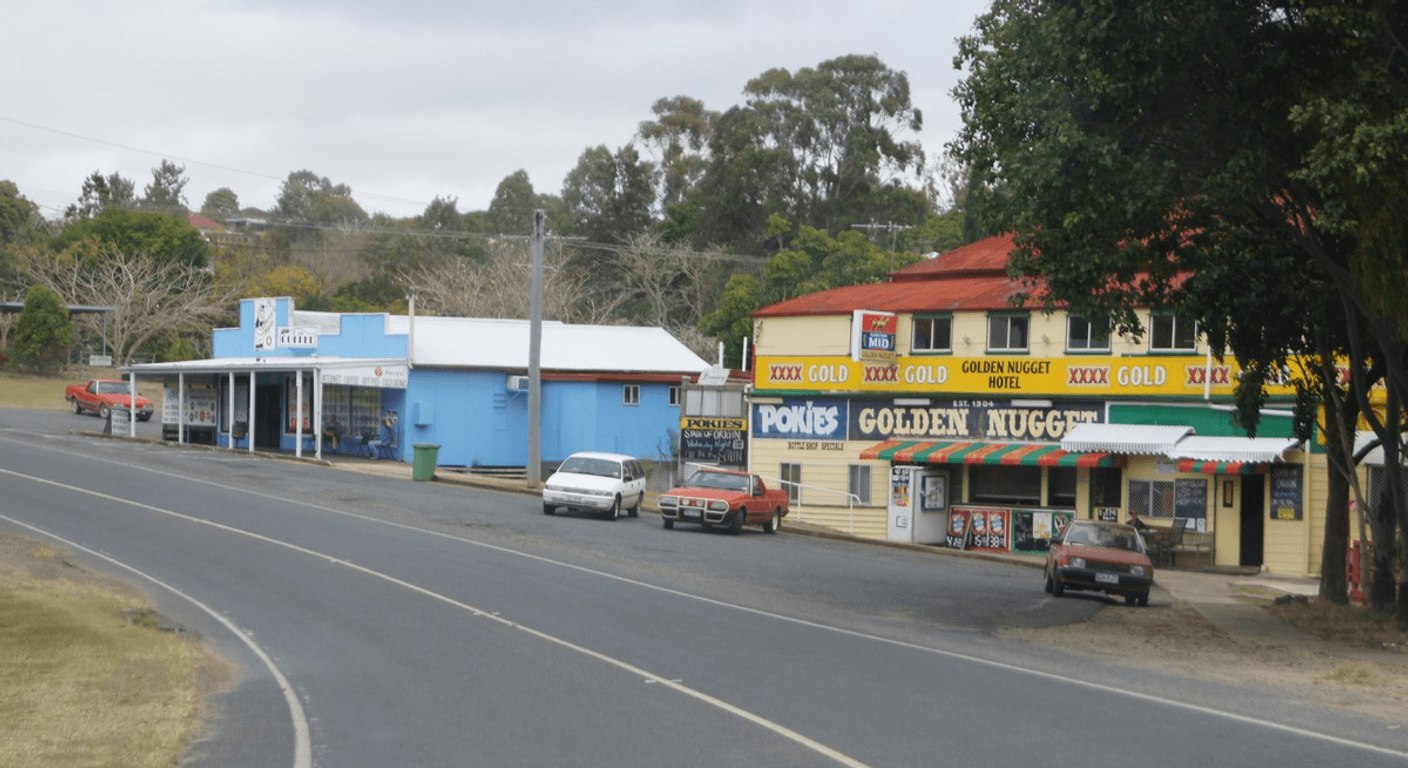
Morgan Street and the surrounding blocks retain a streetscape that speaks clearly to the town's Edwardian prosperity. Wide verandahs, decorative ironwork, Federation-era facades — some well-maintained, some sagging in ways that feel honest rather than neglected. It is, in the language of architectural history, a largely intact example of Queensland vernacular commercial architecture from the mining boom period.
Walking it takes perhaps forty minutes at a leisurely pace. There are interpretive signs at key buildings. The post office, the court house, and several of the old commercial buildings carry plaques that give dates and original occupants. It's the kind of streetscape where the detail rewards attention: a cast-iron column here, a pressed-metal ceiling visible through a shop window there.
The town is quiet on weekdays. On a weekday morning in the dry season you may have the main street largely to yourself, which suits a solo traveller perfectly. There's something clarifying about walking a place like this without a crowd — the silence is part of the experience, not a sign that you've chosen wrong.
Country Bakery Stops and Where to Eat
Mount Morgan has a small number of cafes and a bakery that locals rely on — the kind of operation that produces reliable pies, sausage rolls, and strong flat whites without any interest in artisanal branding. For a solo traveller doing a day trip, this is exactly right. A pie on the main street with a coffee, watched from a verandah step, is one of the more underrated pleasures of regional Queensland travel.
Confirm what's currently open before you go, as small-town hospitality businesses in regional Queensland can change hours or close without much fanfare. The Rockhampton Region visitor information service can advise on current options in town. If you're driving back to Rockhampton for dinner, the city has a solid range of restaurants along the Fitzroy River precinct — steakhouses in particular, given the region's beef credentials.
Pack water and snacks for the drive regardless. The Razorback climb is short, but in Queensland's heat — even in the dry season — a car without supplies is a minor inconvenience waiting to happen.
When to Go and How to Plan the Day
The dry season — May through September — is the clear choice. Temperatures are comfortable, the light is sharp, and the road over the Razorback is at its most pleasant. In summer, Central Queensland heat is serious: 35 degrees and above is common, and the humidity in the wet season makes outdoor exploration uncomfortable for extended periods. The museum is air-conditioned, but the streetscape walk and any mine-area touring are outdoor activities.
A practical day from Rockhampton might look like this: leave by eight in the morning, arrive in time for the museum when it opens, spend two to three hours there, walk the main street, stop for lunch, and drive back in the early afternoon before the heat peaks. If a mine-area tour is running, factor in additional time and confirm whether it's morning or afternoon.
For travellers based further afield — say, a Victorian driving north on a grey nomad circuit — Mount Morgan fits naturally into a Rockhampton overnight. It's not a town that demands two nights, but it absolutely justifies the detour off the Bruce Highway. The mine's story, the dinosaur tracks, the intact streetscape: together they make a day that's quietly hard to forget.
Quick planning guide
| Ideal pace | Slow and unhurried — a relaxed day trip rather than a packed itinerary |
|---|---|
| Best months | May to September (dry season), when heat and humidity are least of a concern |
| Suggested stay | Half-day minimum, easily filled to a full day; no overnight needed unless based in Rockhampton |
| Mobility level | Easy — flat main-street walking (around 40 minutes) and an air-conditioned museum |
| Cost level | Budget-friendly — modest museum entry and casual bakery/cafe meals |
| Comfort level | Unpolished and genuine — a working regional town, not a curated tourist precinct |
| Best for | Solo travellers and history-minded visitors who enjoy quiet industrial heritage over crowds |
| Main planning consideration | Confirm museum hours and any mine-area tour availability in advance, and rely on a car since there's no rail access |
Key takeaways
- Mount Morgan's mine produced around 7.8 million ounces of gold over nearly a century, making it one of Australia's most productive single-mine operations.
- The Mount Morgan Museum holds fossilised dinosaur tracks from the Late Triassic period — among the oldest known in Australia.
- Guided mine-area tours are not guaranteed to be running; confirm availability and booking requirements before you travel.
- The forty-minute drive over the Razorback Range from Rockhampton is part of the experience — winding, scenic, and best taken at a relaxed pace.
- May to September is the practical visiting window; Central Queensland summer heat makes outdoor exploration genuinely uncomfortable.
- The heritage streetscape on Morgan Street is one of the most intact examples of Edwardian Queensland commercial architecture in the region.
Recommended partners and links
Indicative prices only — always confirm with the operator before booking.
Frequently asked questions
How far is Mount Morgan from Rockhampton?
Mount Morgan is approximately 38 kilometres south-west of Rockhampton, reached via the Burnett Highway over the Razorback Range. The drive takes around forty minutes under normal conditions.
Are guided tours of the Mount Morgan mine available?
Guided tours of the mine area have operated at various times, but availability depends on current safety assessments and operator arrangements. Confirm directly with the Rockhampton Region Council or the Mount Morgan Museum before travelling, as access can change without notice.
What is the Mount Morgan Museum entry fee?
Entry to the Mount Morgan Museum is indicatively modest, but fees and opening hours should be confirmed directly with the museum or through the Rockhampton Region visitor information service before your visit.
What dinosaur fossils were found at Mount Morgan?
Fossilised dinosaur footprints from the Late Triassic period were discovered in the Mount Morgan mine area. They are considered among the oldest dinosaur tracks found in Australia. The museum holds casts and interpretive displays explaining their significance.
Is Mount Morgan suitable for older or less mobile travellers?
The heritage streetscape is largely flat and walkable at a gentle pace, making it accessible for most travellers. The museum is housed in a fixed building with standard access. The mine area may involve uneven ground; confirm the nature of any guided tour terrain before booking if mobility is a consideration.