The National Zoo and Aquarium sits beside Scrivener Dam in Yarralumla, about ten minutes from central Canberra, and suits a half-day visit. Weekday mornings are quietest and best for active animals, with spring and autumn the most comfortable seasons. The highlight is close-up wildlife access, including paid giraffe and bear encounters alongside lions, cheetahs and a compact aquarium. Paths are sealed but hilly, making it a moderate-effort outing best reached by car or rideshare rather than bus.
What makes the National Zoo and Aquarium different from Canberra's other attractions?
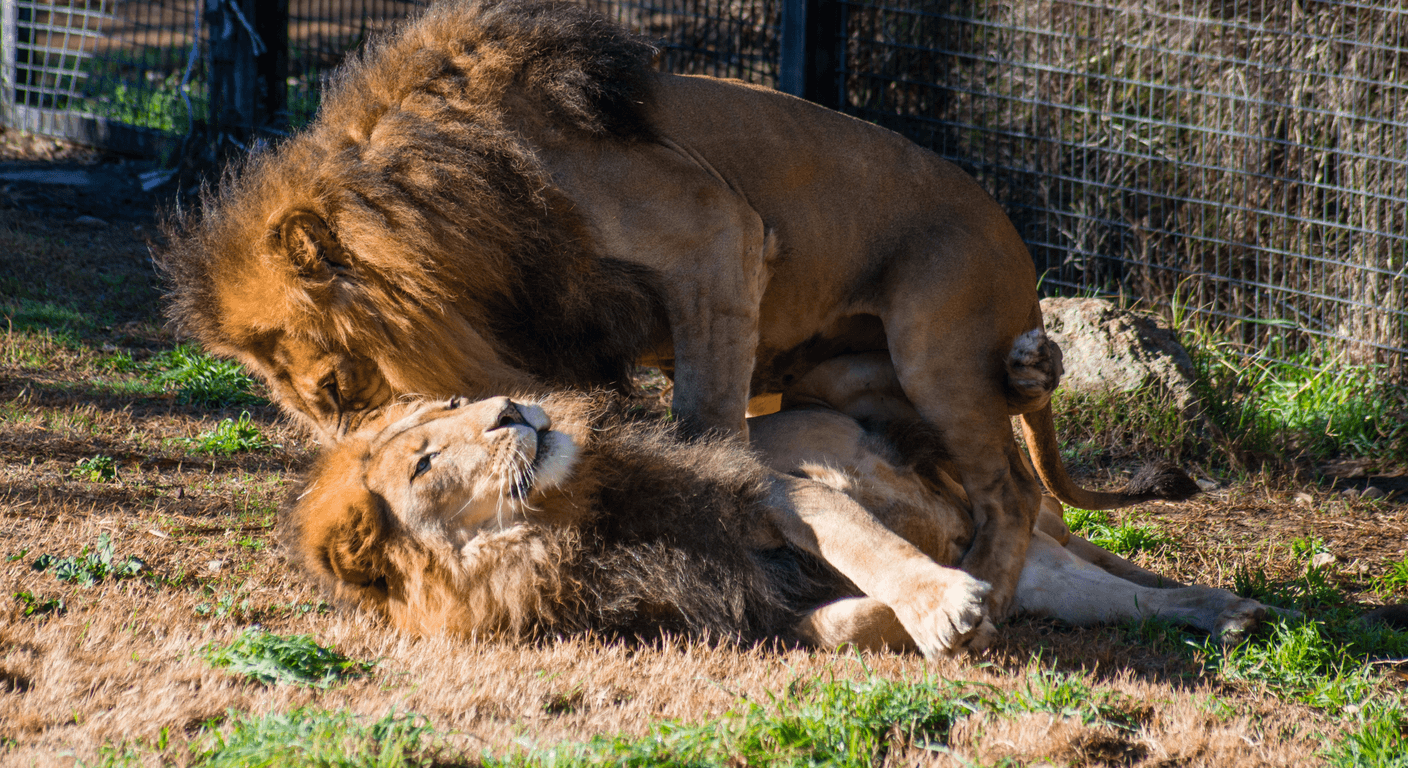
Most of Canberra's headline institutions — the War Memorial, the National Gallery, the National Museum — are federal and free. The National Zoo and Aquarium is privately operated, which means there is an entry fee, but it also means the experience feels distinctly different: smaller, more personal and genuinely hands-on in a way that large public facilities rarely manage. The collection includes African lions, cheetahs, sun bears, red pandas, giraffes, meerkats and a solid range of native Australian species, all within a property beside Scrivener Dam on the western edge of the city.
The aquarium component is compact rather than comprehensive, but it holds its own for an hour of quiet browsing. Sharks, rays and a variety of fish share the space with reptile and amphibian displays. For a solo traveller who has already done the free federal institutions across a day or two, the zoo makes a logical third-day addition — or a self-contained outing on a slower morning when the legs need a gentler programme than another gallery circuit.
How do you get there from central Canberra?
The zoo sits on Lady Denman Drive in Yarralumla, roughly ten minutes by car from the city centre. If you have hired a car or are travelling with a small group, the drive is straightforward and free parking is available on site. For those relying on public transport, Transport Canberra bus services connect the city to the general Yarralumla area, though the stop is not directly at the zoo gate — check the Transport Canberra journey planner at transport.act.gov.au for current routes and walking distances before you go, as services and stop locations do change.
For Victorian travellers, the most comfortable overland option is the V/Line coach service to Canberra, which connects through to NSW TrainLink depending on your departure point. A two-night stay in Canberra gives you enough time to cover the zoo without rushing, and accommodation around Civic or Barton puts you within easy reach of a taxi or rideshare to Yarralumla. Rideshare is available in Canberra and is a practical choice if buses feel too uncertain on the day.
What should you know about the terrain and pacing?
The paths at the National Zoo and Aquarium are sealed, which is a genuine positive for anyone with knee or hip concerns. That said, the site includes real elevation changes — this is not a flat, coastal-style zoo. There are hills, and on a warm Canberra day in autumn or spring they will be felt. The honest advice is to take the slopes slowly, wear comfortable walking shoes with grip, and plan a rest at the café or on one of the shaded benches before pushing on to the upper sections.
Half a day is the right allocation for most visitors. Arriving at opening time on a weekday morning gives you the quietest conditions and the most alert animals — big cats in particular tend to be more active in the cooler morning hours. By early afternoon on school-holiday weekends, the property can become noticeably busier and the keeper talks fill quickly. If school holidays are unavoidable, a Tuesday or Wednesday morning is still markedly quieter than a Saturday.
There are no wheelchairs available for hire on site as a standard provision — confirm with the zoo directly if this is a requirement. The sealed paths mean a personal mobility aid or walking stick is manageable across most of the route, but some steeper sections may need to be bypassed or taken with care. The aquarium section of the property is largely flat and covered, making it a good place to start or to retreat to during the hottest part of the day.
What are the close-encounter experiences, and are they worth it?
The National Zoo and Aquarium has built a reputation around its paid close-encounter experiences, which allow small groups to get within touching or feeding distance of selected animals under keeper supervision. Options have included giraffe feeding, bear encounters and time with cheetahs, among others. These experiences are not included in standard entry and carry an additional cost — indicative prices have ranged from roughly $50 to well over $100 depending on the animal and duration, but you should confirm current availability and pricing directly on the zoo's website, as the programme changes.
For a solo traveller who regards this as a genuine splurge rather than an expected extra, the giraffe feeding in particular tends to deliver a memorable and unhurried few minutes. Encounters are typically capped at small group sizes, which suits older travellers who prefer not to be jostled. Booking ahead through the official site is recommended, especially for popular species — not because places vanish instantly, but because turning up without a booking and finding the morning session full is a frustrating way to spend the drive back into town.
Keeper talks are included in standard entry and run at scheduled times throughout the day. These are worth building your itinerary around, as they add genuine context to the animals you are watching. Pick up a daily programme at the entry gate and mark the two or three talks that interest you most before you start walking.
Eating, costs and practical logistics
There is a café on site that covers the basics — hot drinks, light meals and snacks. The quality is functional rather than notable, but it is a welcome stop mid-visit. Bringing a water bottle is sensible on any day above 20 degrees, and Canberra's spring and autumn days can shift temperature quickly, so a light layer in the bag is worth the small inconvenience.
Standard adult entry is indicatively around $45 to $50, with concession rates available for pension and senior card holders — always confirm the current figure on the official website at nationalzoo.com.au before visiting, as privately run attractions adjust prices more frequently than public institutions. There is no shame in asking at the gate about concession eligibility; the staff are accustomed to the question. Combined entry and encounter packages are available and can represent reasonable value if you know in advance that you want both.
The zoo does not have a large gift shop by national standards, but there is a retail area near the exit. For anyone keeping luggage weight in mind on a return coach journey, it is worth browsing before committing to anything bulky.
How does the zoo fit into a broader Canberra trip from Victoria?
A solo traveller based in Victoria — say, Melbourne or one of the regional centres with a V/Line connection — can reach Canberra in a single day by coach or via the Sydney rail corridor. Two nights in Canberra is the practical minimum to see the zoo alongside the free federal institutions; three nights is more comfortable and allows for a slower pace on each day. The zoo works best as a mid-trip outing rather than a first-day rush, once you have your bearings and know how long the hills take you personally.
Canberra's accommodation options around Civic and Barton cover a range of budgets, and several hotels in the inner north offer accessible rooms with lift access — worth specifying at booking. The city is compact enough that a traveller without a hire car can manage most sights by light rail, bus and occasional rideshare, though the zoo's location in Yarralumla makes it the one attraction where having a car or booking a rideshare in advance is genuinely useful.
The zoo pairs naturally with a visit to the nearby Australian National Botanic Gardens on Mount Ainslie Drive, which is free, largely flat and a good half-morning on its own. Spreading the two across consecutive mornings, then spending afternoons at the indoor federal institutions, gives a well-balanced three-day Canberra programme that does not ask too much of the legs on any single day.
Is the National Zoo and Aquarium worth the entry fee for older travellers?
The honest answer is yes, with the right expectations. This is not a zoo on the scale of Taronga or Melbourne Zoo, and the entry fee is real money. What it offers in return is a personal, manageable experience — the kind where you can stand at the cheetah fence for ten minutes without being crowded out, or take the aquarium at your own pace without a school group filing through behind you on a weekday morning. For travellers who find large crowds draining, that relative quiet has genuine value.
The combination of big cats, bears, giraffes and a decent aquarium in a single half-day visit is well suited to older travellers who want variety without the exhaustion of a full theme-park-scale day. The sealed paths and keeper talks add structure that helps the visit feel purposeful rather than aimless. If you are already in Canberra for two or three days, the zoo earns its place on the itinerary without needing to be oversold.
Quick planning guide
| Ideal pace | Half a day, taken slowly with rest stops on the hills |
|---|---|
| Best months | Spring and autumn, weekday mornings for cooler conditions and quieter crowds |
| Suggested stay | Two to three nights in Canberra, with the zoo as a mid-trip outing |
| Mobility level | Moderate — sealed paths throughout but genuine hills; aquarium section is flat |
| Cost level | Mid-range entry (indicative $45–$50 adult), with optional premium-priced close encounters |
| Comfort level | Personal and uncrowded compared with larger zoos, on-site café for breaks |
| Best for | Older travellers wanting hands-on wildlife encounters without a full-day theme-park scale visit |
| Main planning consideration | Getting to Yarralumla — a hire car or rideshare is more reliable than the bus, and hills call for comfortable footwear and a slow pace |
Key takeaways
- The National Zoo and Aquarium is privately run, with indicative entry around $45–$50 adult — confirm current prices and concession rates at nationalzoo.com.au.
- Paths are sealed throughout, but the site has genuine hills; allow half a day and take the slopes at your own pace.
- Weekday mornings are noticeably quieter than school-holiday weekends, and animals tend to be more active in the cooler morning hours.
- Paid close-encounter experiences — including giraffe feeding and bear encounters — are available at additional cost and suit a planned splurge rather than a last-minute add-on.
- The zoo's location in Yarralumla, about ten minutes from central Canberra, makes a hire car or rideshare more practical than relying on bus connections.
- A two- to three-night Canberra stay from Victoria allows the zoo to sit comfortably alongside the free federal institutions without rushing any single day.
Recommended partners and links
Indicative prices only — always confirm with the operator before booking.
Frequently asked questions
Is the National Zoo and Aquarium in Canberra suitable for seniors with limited mobility?
The paths are sealed throughout the zoo, which helps with walking sticks and personal mobility aids. However, there are genuine hills on the route, and some sections are steep enough to require a slow pace or a detour. The aquarium section is largely flat and covered, making it a manageable starting point. Visitors who require a wheelchair should contact the zoo directly to confirm current hire or access provisions before visiting.
How much does it cost to enter the National Zoo and Aquarium?
Adult entry is indicatively around $45 to $50, with concession rates available for pension and senior card holders. These are indicative figures only — confirm current pricing at nationalzoo.com.au before your visit, as privately run attractions adjust prices regularly. Paid close-encounter experiences carry additional costs beyond standard entry.
When is the best time to visit to avoid crowds?
Weekday mornings are the quietest time at the National Zoo and Aquarium, particularly outside school holiday periods. Arriving at or shortly after opening gives you the calmest conditions and the most active animals. School-holiday weekends, especially Saturdays, are noticeably busier and keeper talks fill more quickly.
How do you get to the National Zoo and Aquarium from central Canberra without a car?
The zoo is in Yarralumla, about ten minutes by car from the city centre. Public bus services connect the city to the area via Transport Canberra — check the journey planner at transport.act.gov.au for current routes, as stops and services change. Rideshare is available in Canberra and is a practical alternative for those who prefer a direct, predictable journey to the gate.
Do you need to book close-encounter experiences in advance?
Booking ahead through the official website at nationalzoo.com.au is recommended for close-encounter experiences such as giraffe feeding or bear encounters. Sessions are capped at small group sizes, and arriving without a booking on a popular day risks missing the time slot you wanted. Standard entry and keeper talks do not require advance booking.