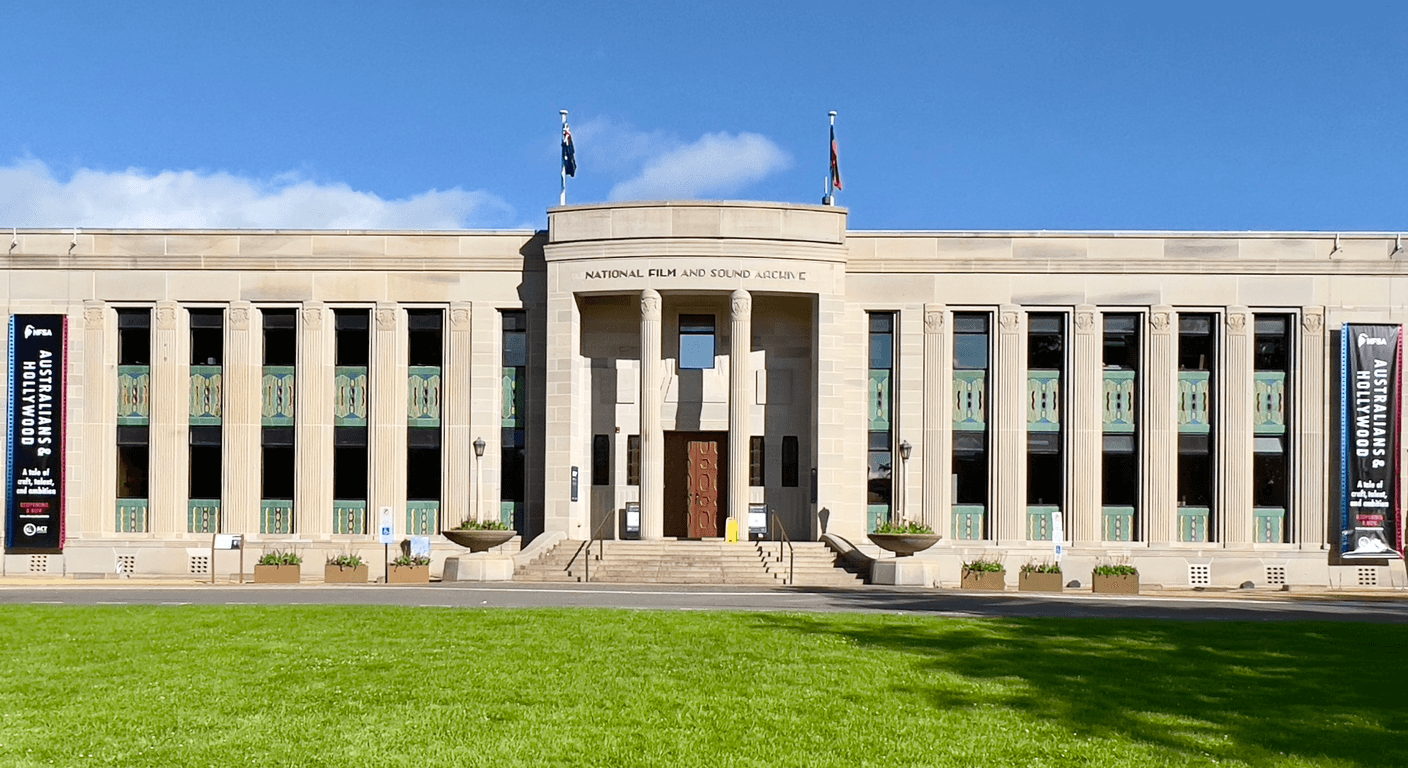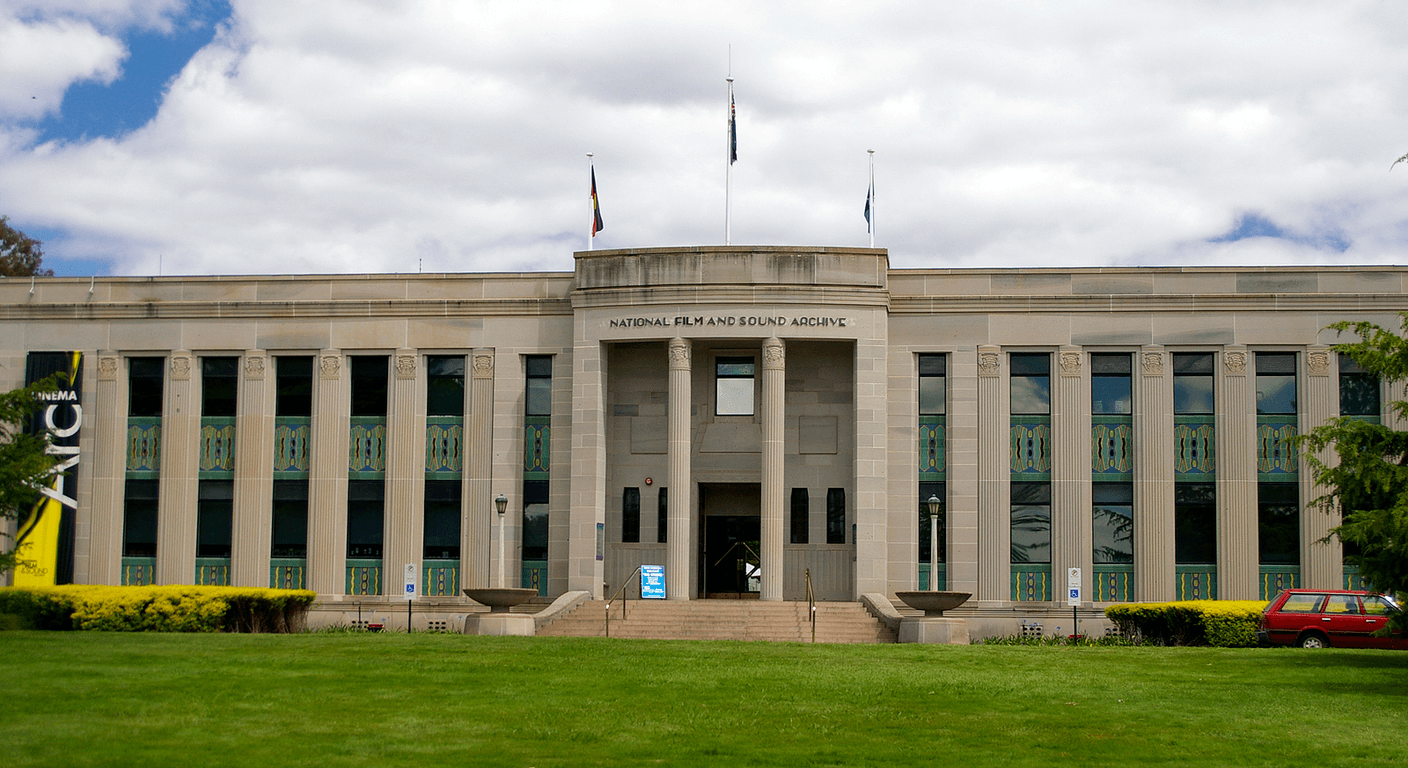
The National Film and Sound Archive occupies a heritage 1930s building in Acton, Canberra, and its permanent galleries are free to enter. Autumn and spring offer the most comfortable weather, and a genuine 90 minutes suits the main collection, longer with an Arc Cinema session. The single-level, smooth-floored building is fully wheelchair accessible. Canberra is a 45-minute flight from Melbourne, or a four-hour coach via Goulburn.
What exactly is the National Film and Sound Archive?
The NFSA is Australia's custodian of moving image and recorded sound — roughly four million items, from nitrate film canisters to digital files, representing more than a century of Australian storytelling. Think of it as the national memory for everything that flickered on a screen or came through a speaker. The archive preserves, restores and makes accessible the works that define Australian cultural life, from early silent pictures to the television serials that kept families planted in front of the set on weeknights.
What surprises first-time visitors is the building itself. The former Institute of Anatomy, completed in 1930 and now heritage-listed, is a confident piece of interwar architecture in rendered brick and terracotta — grand without being oppressive. The NFSA took up residence here in 2008, and the fit between institution and building is a good one. The foyer alone is worth a moment's pause before you move into the galleries.
Where is it, and how do you get there from Victoria?
The NFSA sits on McCoy Circuit in Acton, on the edge of the Australian National University campus and a short distance from Lake Burley Griffin. It's close to the National Museum of Australia and a reasonable walk — or a brief cab or rideshare — from the city bus interchange. From the Melbourne CBD, the fastest option is a 45-minute flight into Canberra Airport; Rex, Qantas and Virgin Australia all operate the route, and fares can be reasonable if booked ahead. Confirm current schedules and pricing directly with airlines.
Those who prefer not to fly can take the twice-daily Murrays coach from Southern Cross Station — a comfortable enough journey of around four hours on the Hume Highway, with a stop at Goulburn. It won't be the most thrilling four hours, but the coaches are modern, the seats recline, and arriving without the airport palaver has its own quiet appeal. Canberra's local bus network (ACTION buses) serves the Acton area; the NFSA is a short walk from several stops. Confirm current routes at transport.act.gov.au.
If you're driving — and grey nomads routing through the Snowy region often are — Canberra is a natural overnight stop. Parking near the NFSA is available on McCoy Circuit and in surrounding ANU areas, though it's worth checking current arrangements on the NFSA website before you arrive.
What will you find in the permanent galleries?
The permanent exhibition traces Australian screen and sound culture in a way that rewards those with actual memories of the material. There's a difference between reading that a television series was popular in 1975 and recognising the theme music the moment it plays. The galleries are designed with that recognition in mind — listening stations, screening booths and archival objects sit alongside context that makes sense whether you're a film scholar or someone who simply watched a lot of Saturday afternoon cinema as a child.
Key sections cover early Australian silent film (the country had a surprisingly vigorous industry before Hollywood consolidated its grip), the golden period of Australian cinema in the 1970s and early 1980s, and the audio history that runs parallel — radio drama, popular music, oral history recordings. The collection doesn't try to be everything at once; the curation is selective and the pacing is comfortable. Allow a genuine 90 minutes for the main galleries if you want to read, listen and absorb rather than just pass through.
There's seating throughout, which matters more than it might sound after an hour of slow browsing. The climate control is reliable — Canberra winters are cold and the summers are hot, so the building's consistent interior temperature is a practical consideration, not just a comfort. Staff are knowledgeable and unhurried in their manner.
Arc Cinema — is it worth adding a session?
Arc Cinema is the NFSA's dedicated screening room, and it punches above its modest size. The programming leans toward Australian repertoire — restored classics, rarely screened archive prints, documentary seasons, and occasional Q&A events with filmmakers or archivists. It's the kind of programming that assumes its audience has seen a few films in their time and can handle subtitles or a black-and-white frame without flinching.
Tickets are indicatively priced around $15–$20; confirm the current program and pricing at nfsa.gov.au well before your visit, particularly if you're timing the trip around a specific season or event. Sessions for special events and retrospectives can fill quickly, especially on weekends. The cinema itself is comfortable, with good sightlines and accessible seating. For a solo traveller happy in their own company with a good film, an afternoon here is close to ideal.
If you're combining galleries and a cinema session in one day, the logical sequence is galleries first — ideally arriving when the NFSA opens — then lunch nearby before the afternoon screening. The ANU campus has several cafes; the Llewellyn Hall precinct and the surrounding streets are a five-minute walk and offer straightforward options without tourist pricing.
How accessible is the building for older visitors?
Accessibility at the NFSA is genuinely good, not just technically compliant. The building is single-level — no stairs between the entrance and the galleries, no lifts to navigate. The heritage fabric has been sensitively adapted, and the floor surfaces are smooth throughout. Wheelchair users and those with walking aids will find the experience straightforward. Accessible parking is available on McCoy Circuit; confirm current bay locations on the NFSA website.
The galleries are not crowded in the way that major-city institutions can be on a Saturday. Weekday visits are particularly relaxed. There's no sense of being moved along; the NFSA draws an audience that tends to linger, which sets an unhurried tone that suits the material and suits the visitor.
What else is worth pairing with a visit?
The National Museum of Australia is a ten-minute walk along the lake shore — a logical companion for a full cultural day, given its focus on Australian social history. The two institutions appeal to a similar curiosity without covering the same ground. The National Portrait Gallery is a short drive or cab ride further along King Edward Terrace and is also free to enter.
If you're staying overnight in Canberra — which makes for a more relaxed experience than a day trip, particularly if you're flying — the Acton and Braddon areas have good accommodation options at a range of price points. Braddon's cafe and restaurant strip is a fifteen-minute walk or short cab from the NFSA and offers a more interesting dinner than the hotel precincts closer to the city centre. Canberra's dining scene has quietly become one of the more underrated in the country, which is a sentence that would have raised eyebrows twenty years ago.
For those with a particular interest in Australian cinema, the NFSA's online collection portal — accessible through nfsa.gov.au — lets you explore digitised holdings before and after a visit. It's a useful way to identify what you want to prioritise in person, or to continue browsing once you're home.
Practical planning: timing, costs and what to confirm
The NFSA is open Tuesday to Sunday; confirm current hours at nfsa.gov.au as they can vary around public holidays and special events. Entry to the permanent galleries is free. Arc Cinema tickets are indicatively $15–$20; the program changes regularly, so check the website for what's screening during your intended visit. Concession pricing may apply — worth asking at the box office if you hold a Seniors Card.
Autumn (March to May) and spring (September to November) are the most comfortable seasons in Canberra. Summers are hot and dry, winters are genuinely cold with the occasional frost, and the air quality in fire season can be a consideration for those with respiratory concerns. The NFSA itself is climate-controlled year-round, but the walk from parking or a bus stop in July requires a proper coat.
Travel insurance is standard advice for any trip away from home, and worth reviewing if you have pre-existing conditions — some policies have specific requirements around medical disclosure. The NFSA visit itself carries no particular health or physical risk, but the broader travel context always warrants attention. Keep your Medicare card accessible and note that the Canberra Hospital campus is not far from the Acton precinct.
Quick planning guide
| Ideal pace | Slow-paced and unhurried, with seating throughout for lingering |
|---|---|
| Best months | Autumn (March–May) or spring (September–November) |
| Suggested stay | 90 minutes for the galleries; a half-day with an Arc Cinema session; overnight in Canberra for a more relaxed visit |
| Mobility level | Easy — single-level heritage building, no stairs, smooth floors throughout |
| Cost level | Budget-friendly — permanent galleries free, Arc Cinema tickets indicatively $15–$20 |
| Comfort level | Climate-controlled year-round, seating throughout, knowledgeable and unhurried staff |
| Best for | Travellers with firsthand memories of Australian screen and radio history, film enthusiasts, and those wanting a relaxed, accessible cultural outing |
| Main planning consideration | Confirm opening hours and Arc Cinema program at nfsa.gov.au before travelling, as sessions can fill on weekends |
Key takeaways
- The NFSA's permanent galleries are free to enter and cover over a century of Australian screen and audio culture in a single-level, fully accessible heritage building.
- Allow at least 90 minutes for the main galleries; add an Arc Cinema session for a half-day visit.
- Arc Cinema tickets are indicatively $15–$20 — confirm the current program and pricing at nfsa.gov.au before booking travel around a specific screening.
- The building is flat, climate-controlled and unhurried — one of the most accessible major cultural institutions in the country.
- Canberra is 45 minutes by air from Melbourne, making a day trip viable, though an overnight stay allows a more relaxed pace.
- Autumn and spring offer the most comfortable conditions for a Canberra visit; summers are hot, winters cold — the NFSA itself is a reliable shelter from both.
Recommended partners and links
Indicative prices only — always confirm with the operator before booking.
Frequently asked questions
Is the National Film and Sound Archive free to enter?
Entry to the NFSA's permanent galleries is free. Arc Cinema screenings are ticketed separately, at indicatively $15–$20 per session; confirm current pricing at nfsa.gov.au.
How long should you spend at the NFSA?
Allow a minimum of 90 minutes to browse the permanent galleries at a comfortable pace. If you're adding an Arc Cinema screening, plan for a half-day visit.
Is the NFSA accessible for visitors with limited mobility?
Yes. The NFSA is housed in a single-level building with no stairs between the entrance and the galleries. It is fully wheelchair accessible, with accessible parking on McCoy Circuit. Confirm current accessibility arrangements at nfsa.gov.au.
How do you get to the NFSA from Melbourne?
The fastest option is a 45-minute flight from Melbourne Airport to Canberra Airport, operated by Rex, Qantas and Virgin Australia. Alternatively, Murrays coach runs from Southern Cross Station in around four hours. The NFSA is a short walk or rideshare from the city bus interchange; confirm local bus routes at transport.act.gov.au.
What is the best time of year to visit Canberra for a cultural trip?
Autumn (March to May) and spring (September to November) offer the most comfortable temperatures in Canberra. Summers are hot and dry; winters are cold. The NFSA is climate-controlled year-round, so the building itself is comfortable regardless of season.