New Caledonia sits about three hours by air from Sydney or Brisbane, making French Pacific culture reachable without long-haul fatigue. The dry season, May to October, gives the most comfortable conditions, and a week to ten days suits most itineraries, combining Noumea's markets and bakeries with a stay on the Isle of Pines and its UNESCO-listed lagoon. Mobility is moderate — mostly flat and walkable, with some uneven paths. Check smartraveller before booking.
Why New Caledonia works well for travellers in their 60s and 70s
New Caledonia is a French special collectivity in the southwest Pacific, roughly 1,500 kilometres east of Queensland and about three hours by air from Sydney or Brisbane. That proximity is one of its most underrated qualities — it is genuinely international travel without the exhaustion of a long-haul flight. For older travellers who want a change of language, culture, and cuisine without crossing a dozen time zones, it occupies a sweet spot.
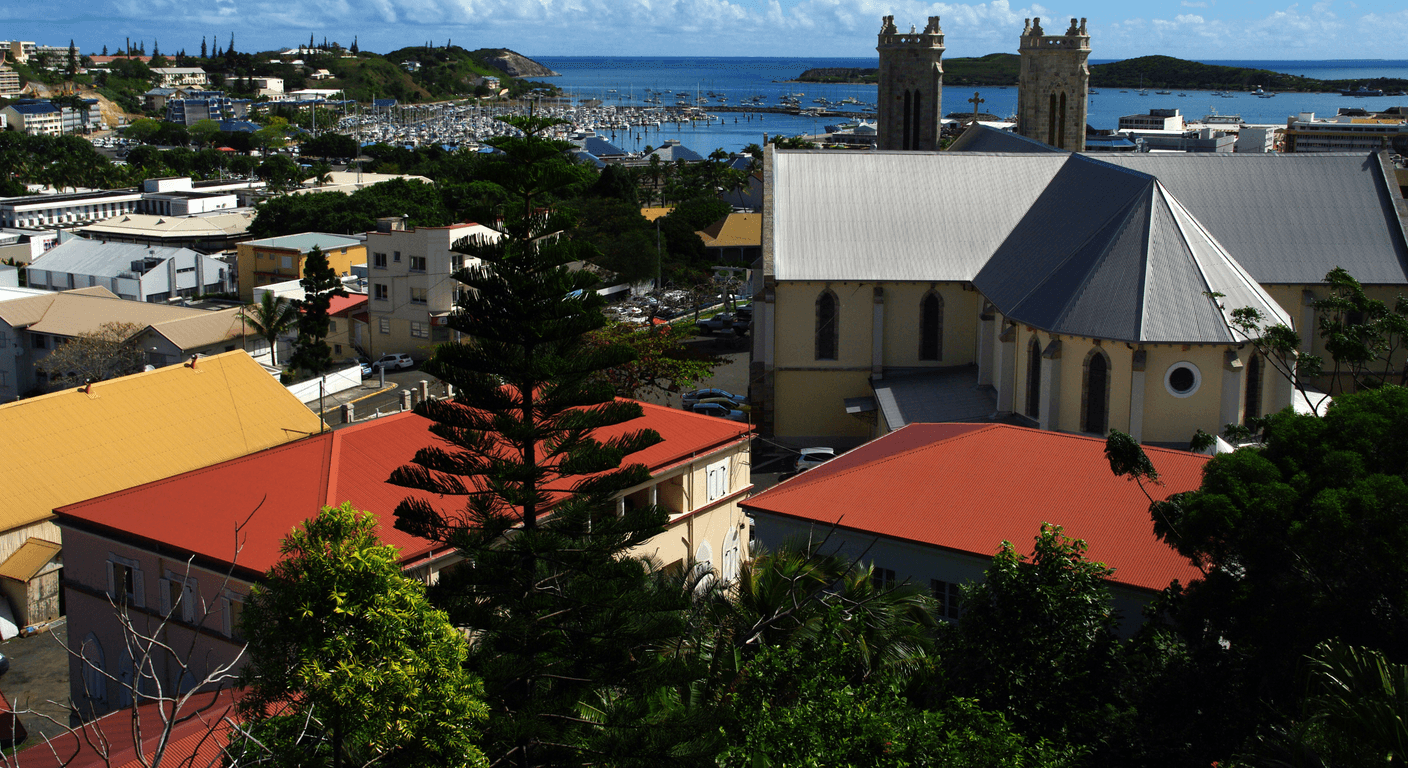
Noumea, the capital, is a proper city with a French-influenced street grid, decent pavements, and a seafront that rewards slow walking. The pace is unhurried by design. Markets, bakeries, and waterfront cafes are the rhythm of daily life here, and that suits travellers who would rather linger over a café au lait than race between sights. English is spoken at most hotels and larger restaurants, but the city functions in French, and a few phrases — bonjour, merci, l'addition s'il vous plaît — go a long way toward a warmer reception.
The territory uses the CFP franc (XPF), which is pegged to the euro, and pricing reflects that link. Expect costs closer to a European city than to Fiji or Bali. A sit-down lunch for two with wine will run higher than most Australian travellers anticipate — indicatively around AUD 80–120 at a mid-range restaurant, though you should verify current exchange rates and prices on the ground. Going in with that expectation removes the sting.
Noumea's markets, bakeries, and bayside promenades — what to do at your own pace
The Marché de Noumea on Place des Cocotiers is the natural starting point for any morning in the city. Stalls sell tropical fruit, Kanak crafts, spices, and fresh fish, and the square itself is shaded and relatively flat — manageable for most mobility levels, though the ground surface is uneven in places. It is busiest on weekday mornings and Saturday; Sunday trading is lighter. The market is a genuine community space, not a tourist construction, and browsing without obligation to buy is perfectly normal.
The bayside promenade along the Baie de la Moselle and continuing toward the Anse Vata beach suburb rewards an easy walk or a short taxi ride if walking distance is a concern. Anse Vata is Noumea's most popular beach strip, with calm, shallow water, beachfront restaurants, and the kind of low-key afternoon scene that suits anyone who prefers a book and a cold drink to organised activity. The water is warm and sheltered; getting in and out of the sea is straightforward on the sandy beach, though there are no formal accessible beach facilities.
French bakeries are scattered through the central city and suburbs — a morning croissant or pain au chocolat from a boulangerie is not a tourist affectation here, it is simply how the city eats. For those who appreciate a proper sit-down breakfast, several cafes near the waterfront open early and serve food that would not be out of place in Lyon. The Tjibaou Cultural Centre, designed by Renzo Piano and dedicated to Kanak culture, sits on a peninsula about 20 minutes from the centre by taxi and is worth a half-day visit for anyone interested in Pacific art, architecture, and Indigenous history — it is one of the more thoughtful cultural institutions in the Pacific region.
The UNESCO lagoon — what it means in practice for reef and water experiences
New Caledonia's lagoon system was inscribed on the UNESCO World Heritage List in 2008. It is one of the largest coral reef systems in the world by area, wrapping almost the entire main island (Grande Terre) and extending to the outer islands. For travellers who are not scuba divers, this still translates into genuinely accessible reef experiences — glass-bottom boat trips, snorkelling in protected bays, and day cruises from Noumea's marina are all operated for non-specialist visitors.
Day trips departing from Port Moselle marina take visitors to reef islets within the lagoon, where the water clarity is remarkable even for those simply wading or floating in a life vest. Several operators cater to older travellers and those who prefer gentle rather than active water experiences — it is worth asking specifically about accessibility when booking, as boat boarding arrangements and on-water facilities vary. The tourism office can direct you toward operators suited to your comfort level.
For context, the lagoon's scale means that reef damage from the 2016 coral bleaching events affected some zones more than others. Current conditions vary by location, and a reputable operator will be honest about which sites are in better health. The UNESCO listing protects the system in principle, but it does not mean every reef site is pristine — that honest expectation is worth carrying.
Isle of Pines — how to get there and what you will actually find
The Isle of Pines (Île des Pins) sits about 90 kilometres south of Grande Terre and is accessible by a short domestic flight with Air Caledonie, or by ferry from Noumea — the ferry option takes several hours and can be rough depending on conditions, so the flight is generally the more comfortable choice for older travellers. Flight time is around 30 minutes. Day trips are possible but a one or two night stay allows a more relaxed experience.
The island's most photographed spot is Oro Bay (Baie d'Oro), where natural swimming pools carved by rock formations hold water of a blue-green colour that is genuinely difficult to describe without sounding like a brochure. The natural pools — called piscines naturelles — are accessible by a short walk through pine forest from the beach, though the path involves some uneven ground. Footwear with grip is sensible. The swimming itself is calm and shallow, making it suitable for most older travellers who are comfortable in the water.
The island has a small number of hotels and bungalows, a handful of restaurants, and very limited infrastructure beyond that. This is its appeal for those who want quiet. There are no ATMs on the island in the way you would find in a city, so carrying enough cash (CFP francs) before you arrive is practical advice. Mobile coverage is limited. The pace is genuinely slow — which, depending on your temperament, is either the whole point or a reason to base yourself in Noumea and visit as a day trip.
French-territory practicalities — money, language, and getting around
The CFP franc is the local currency, pegged to the euro. Australian dollars are not widely accepted in day-to-day transactions, and while major hotels accept credit cards, smaller restaurants, markets, and taxis may prefer cash. Currency exchange is available at the airport and at banks in Noumea. It is worth checking your bank's international transaction fees before departure, as these can add meaningfully to costs over a week.
Language is the other practical consideration that catches some travellers off guard. Noumea's hotel and tourism sector functions in French with English support at most larger establishments, but venture into local shops, markets, or smaller restaurants and French is the working language. This is not a barrier so much as an invitation — a small phrasebook or a translation app (downloaded offline before you go) makes a real difference. The French appreciate any effort, however imperfect, and a warm exchange in broken French often opens more doors than frustrated English.
Getting around Noumea is manageable without a hire car. Taxis are available and metered; there is a local bus network (Karuia Bus) that covers the main tourist areas, though schedules and reliability vary. For anyone with mobility considerations, taxis are the more predictable option. Noumea's central areas are largely flat near the waterfront, though some streets inland rise steeply. A hire car is useful for exploring Grande Terre beyond the city, though road conditions outside the main routes can be variable.
What to know before you book — smartraveller, entry, and travel insurance
This is the section that matters most before any other planning begins. New Caledonia experienced significant civil unrest in 2024, including violence, curfews, and disruption to tourism infrastructure in parts of Noumea. The situation has evolved since then, but it underscores why checking smartraveller.gov.au — the Australian Government's official travel advisory service — is not optional for this destination. Conditions, entry requirements, and advisory levels can change, and travel insurance policies may be affected by advisory ratings.
Australian citizens do not require a visa to enter New Caledonia for stays under 90 days, but passport validity requirements apply, and entry conditions can change. Confirm current requirements with the official French consulate or through smartraveller before booking. Travel insurance is strongly recommended for all international travel; ensure your policy covers medical evacuation, as healthcare costs in New Caledonia are significant and local medical facilities, while adequate for routine care, are limited for serious events.
The advice to check smartraveller is not meant to discourage the trip — New Caledonia has been a valued destination for Australian travellers for decades, and many visitors travel there without incident. It is simply honest guidance that conditions have been variable in recent years, that the situation on the ground changes, and that older travellers in particular benefit from going in with current, verified information rather than assumptions based on trips made five or ten years ago.
Pacing the trip — how long to go and how to structure your days
A week to ten days gives a comfortable rhythm: three or four nights in Noumea to settle in and explore the city, a two-night stay on the Isle of Pines, and a day or two in hand for a lagoon cruise or simply more unhurried time in Noumea. Travellers who prefer not to move accommodation frequently can base entirely in Noumea and take day trips, which is a perfectly satisfying approach and reduces the logistical complexity.
The heat and humidity deserve consideration. Noumea's climate is subtropical; the wet season runs roughly November to April, with higher temperatures, humidity, and the possibility of cyclone activity. The dry season from May to October brings cooler, more comfortable conditions and is generally considered the better travel period for older visitors who find humidity tiring. July and August are the peak months and accommodation prices reflect that.
Rest time is not wasted time on a trip like this. The French pace of a long lunch, an afternoon rest, and an early evening stroll suits the climate and suits older travellers who know their own energy levels. Building that expectation into the itinerary — rather than trying to fill every hour — is what separates a genuinely restorative trip from an exhausting one.
Quick planning guide
| Ideal pace | Slow-paced, French-style rhythm with long lunches and rest breaks |
|---|---|
| Best months | May to October (dry season); July–August is peak with higher prices |
| Suggested stay | A week to ten days, split between Noumea and the Isle of Pines |
| Mobility level | Moderate — flat, walkable waterfront in Noumea, but uneven ground at the market and along Isle of Pines pool paths |
| Cost level | Premium — CFP franc pegged to the euro, pricier than Fiji or Bali |
| Comfort level | High — proper hotels, cafes, and French-standard dining in Noumea |
| Best for | Travellers wanting genuine French culture and cuisine without a long-haul flight |
| Main planning consideration | Check smartraveller.gov.au before booking, as advisory conditions and entry requirements have changed in recent years |
Key takeaways
- New Caledonia is roughly three hours by air from eastern Australia, making it one of the most accessible genuinely French cultural experiences available to Australian travellers.
- Noumea's waterfront, markets, and bakeries reward slow, independent exploration — no tours required to enjoy the city's character.
- The UNESCO-listed lagoon is one of the world's largest coral reef systems, with day cruise and snorkelling options suited to non-divers and older travellers.
- Pricing is pegged to the euro and runs significantly higher than Fiji or Bali — budget realistically for meals, taxis, and island excursions.
- The Isle of Pines' natural swimming pools are accessible to most older travellers, though the path involves uneven ground and grip footwear is recommended.
- Check smartraveller.gov.au before booking — advisory conditions for New Caledonia have changed in recent years and travel insurance terms may be affected.
Recommended partners and links
Indicative prices only — always confirm with the operator before booking.
Frequently asked questions
Do Australians need a visa to visit New Caledonia?
Australian citizens do not currently need a visa for stays of up to 90 days in New Caledonia, but passport validity requirements apply and entry conditions can change. Confirm current requirements at smartraveller.gov.au or through the French consulate before booking.
Is New Caledonia safe to visit in 2025 and 2026?
New Caledonia experienced significant civil unrest in 2024. The situation has been evolving, and the Australian Government's smartraveller.gov.au service publishes current advisory levels for the territory. Travellers should check that advice and review their travel insurance terms before committing to bookings.
What currency is used in New Caledonia and how expensive is it?
New Caledonia uses the CFP franc (XPF), which is pegged to the euro. Costs are broadly comparable to a mid-range European city — indicatively, a sit-down lunch for two with wine at a mid-range Noumea restaurant might run around AUD 80–120 at current exchange rates, though travellers should verify rates and prices on arrival. Australian dollars are not accepted in most day-to-day transactions.
How do you get to the Isle of Pines from Noumea?
The Isle of Pines is accessible by a short domestic flight (around 30 minutes) with Air Caledonie from Noumea's Magenta Airport, or by ferry from Noumea's main port, which takes several hours and can be rough in certain sea conditions. For older travellers, the flight is generally the more comfortable option. Indicative return fares should be confirmed directly with Air Caledonie at air-caledonie.nc.
Is English widely spoken in New Caledonia?
English is spoken at most hotels, larger restaurants, and tourist-facing businesses in Noumea, but French is the working language of daily life. At markets, smaller cafes, and outside the main tourist areas, French is generally required. A basic phrasebook or an offline translation app is a practical addition to any packing list.
- Tourism New Caledonia — official visitor information
- Smartraveller — New Caledonia travel advice (Australian Government)
- Aircalin — flights from Australia to New Caledonia
- Air Caledonie — domestic island flights including Isle of Pines
- UNESCO — Lagoons of New Caledonia World Heritage listing
- Tjibaou Cultural Centre — Agence de Developpement de la Culture Kanak