Norah Head Lighthouse, an operational 1903 beacon on the NSW Central Coast, runs daily guided tours up 96 narrow spiral steps to a 360-degree balcony view over the Pacific and Lake Macquarie. April to October brings mild 15-22°C weather and thinner crowds, the best window to visit. Reasonably fit stair-climbers should allow half a day for the tour plus a walk on the headland's flat coastal paths. Access is by car only, around 90 minutes to two hours from Sydney, with no train service to the site.
Why Norah Head Lighthouse Still Matters
Most lighthouses in Australia are viewed from a distance — a white tower on a cliff, pretty in a photograph, closed to the public. Norah Head is different. Built in 1903 and still an operational navigational aid, it runs guided tours every day of the week, making it one of a small handful of working lighthouses in the country where you can actually go inside and climb to the light.
The lighthouse is managed by the community-based Norah Head Lighthouse Preservation Group, which gives the experience a personal, unhurried quality that a corporate attraction rarely manages. The guides tend to be knowledgeable and genuinely enthusiastic about the history — the kind of detail you don't find on a placard. For a solo traveller who appreciates conversation as much as scenery, that matters.
The headland itself sits at the southern entrance to Lake Macquarie, and the geography alone explains why a lighthouse was needed here. Ships rounding the point from the north had limited warning of the rocky outcrops below. The original keepers' cottages still stand in the reserve, now used as holiday accommodation — another dimension worth noting if an overnight stay appeals.
The Honest Reality of 96 Steps
Let's be straightforward about the climb. The staircase inside Norah Head Lighthouse is narrow, steep, and winds upward in a tight spiral. There are 96 steps. The walls are close. For travellers who are comfortable on stairs and have reasonable balance, it's absolutely achievable — many visitors in their 60s and 70s complete it without difficulty. But for anyone unsteady on steps, managing a joint condition that affects stair-climbing, or uncomfortable in confined spaces, it's worth being honest with yourself before booking.
There are no handrails on both sides for the entire ascent, and the steps are not wide. Sensible footwear — closed, flat-soled shoes — is non-negotiable. The guides set a considerate pace and there's no pressure to rush, but there's also no lift and no halfway option. The view from the balcony at the top is the payoff: a full, uninterrupted sweep of coastline, the Pacific stretching east, and on a clear day, a sense of scale that a ground-level walk simply doesn't give you.
If the climb isn't right for you on a particular day, the grounds themselves are worth the visit. The headland reserve has flat, well-maintained paths through coastal scrub that lead to cliff-edge lookouts with strong views of their own. No steps required.
Getting There from Sydney and the Central Coast
Norah Head is roughly 90 kilometres north of Sydney's CBD — around 90 minutes to two hours by car depending on traffic, via the Pacific Motorway and Tuggerah. It's also accessible from Newcastle, about 70 kilometres to the north. Driving is the most practical option; the headland is not served by train, and local bus connections from Wyong or Gosford are possible but require patience and planning.
For travellers coming from Victoria or elsewhere interstate, the Central Coast sits neatly between Sydney and Newcastle. Flying into Sydney and hiring a car for a day or two is the logical approach. If you're already staying on the Central Coast — Terrigal, The Entrance, or Toukley are all within 20 to 30 minutes — Norah Head slots easily into a morning or afternoon.
Parking is available at the reserve entrance on Lighthouse Road, Norah Head. It's free and generally straightforward outside peak school holiday periods. The walk from the car park to the lighthouse base is short and flat.
Booking the Tour and What to Expect
Tours run daily, but numbers per tour group are limited — the staircase simply doesn't accommodate large crowds. Booking ahead is strongly recommended, particularly on weekends, during school holidays, and over the summer months. Walk-ups are sometimes possible, but arriving without a booking and finding the tour full is an easy disappointment to avoid.
Tour pricing is around $25 per adult at time of writing — confirm current rates directly with the operator at norahheadlighthouse.com.au before visiting. The tour itself typically lasts around 45 minutes to an hour and covers the history of the lighthouse, its construction, the life of the lighthouse keepers, and the mechanics of the light itself, before the ascent.
Photography on the balcony is one of the genuine pleasures of the experience. The light at the top of the Central Coast is particularly good in the morning hours, when the sun is still east and the ocean catches it well. If you have a preference for morning light or a quieter group, early tours tend to be the pick.
The Coastal Reserve: A Proper Walk After the Climb
The headland reserve surrounding the lighthouse is managed by NSW National Parks and Wildlife Service and offers flat, accessible coastal walking that makes a natural extension of the lighthouse visit. The paths through banksia and coastal scrub are wide enough to be comfortable and well-signposted, with several lookout points offering cliff-top views north and south along the coast.
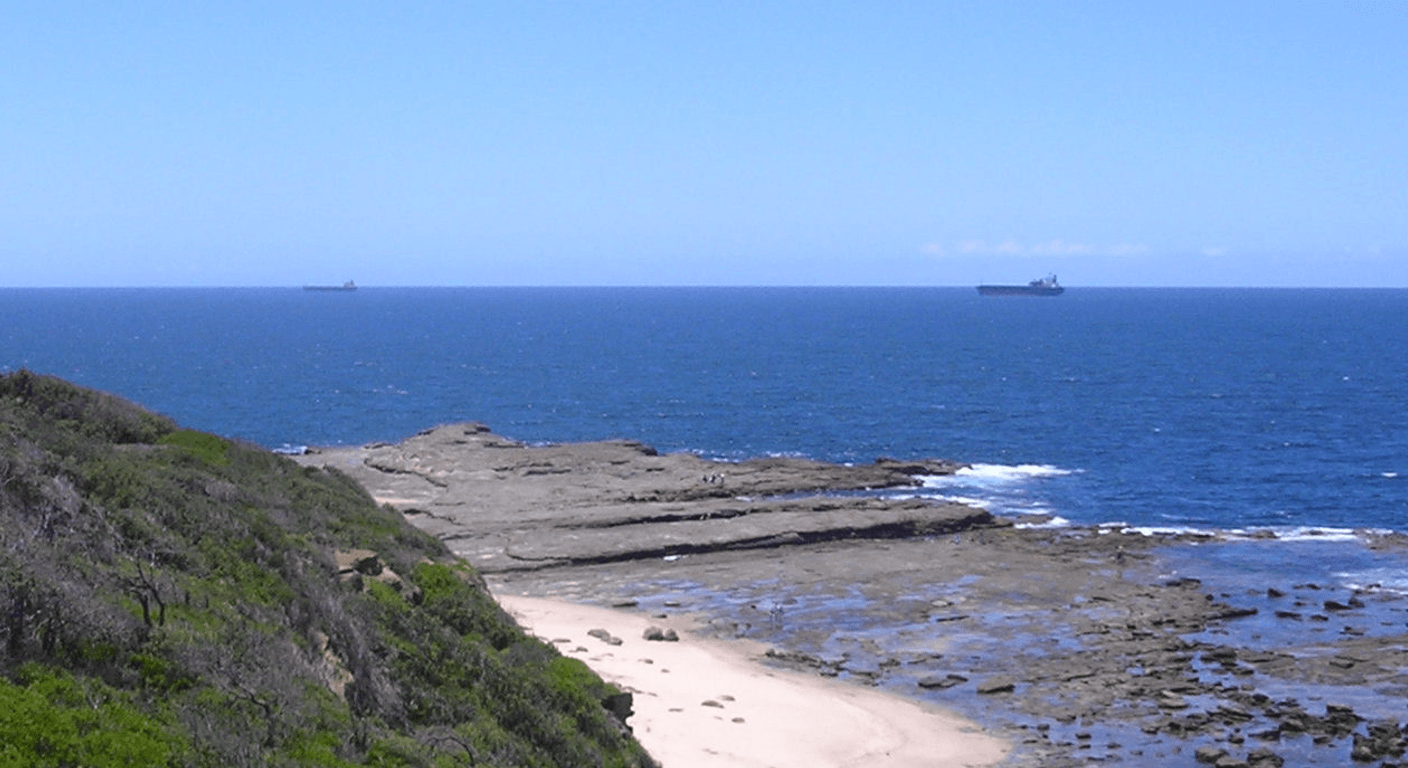
The rock platforms below the headland are popular with local fishers and worth a look at low tide, though the scramble down to them is uneven and best skipped if mobility is a consideration. The upper paths are a different matter — genuinely pleasant, with birdsong and sea breeze and the kind of quiet that a headland in the middle of the week provides in abundance.
There are picnic facilities near the car park, making it entirely reasonable to bring lunch and spend three to four hours here rather than treating it as a rushed tick. A solo traveller with a good book and a packed lunch can do considerably worse than a cliff-top bench at Norah Head in autumn.
Where to Eat and What Else Is Nearby
The lighthouse reserve has no café or kiosk on site, so bringing your own morning tea or lunch is the practical move. The nearby village of Toukley, a few minutes' drive south, has bakeries, cafés, and takeaway options for a post-visit meal. The Entrance, about 15 kilometres south, is the Central Coast's most established seaside town and has a broader range of cafés and restaurants if you're making a longer day of it.
The famous pelican feeding at The Entrance (daily at 3:30pm on Memorial Park beach, confirm times locally) is a genuinely low-key, pleasant spectacle that pairs well with a Norah Head morning — it has none of the performed tourism of similar experiences elsewhere and the pelicans are magnificently indifferent to the audience. Terrigal, 25 kilometres south, is the region's most resort-like town and has good waterfront dining if you're after something more substantial for the evening.
For travellers interested in extending the trip, Budgewoi and Lake Munmorah to the north offer quieter lakeside accommodation, and the region's network of lakes and coastal lagoons makes it genuinely appealing territory for a two or three-night stay rather than a single day.
Practical Notes for the Thoughtful Traveller
Travel insurance is always worth reviewing before any trip, particularly for travellers managing pre-existing conditions — policies vary significantly in what they cover, so read the product disclosure statement carefully. This applies equally to a day trip from Sydney as it does to international travel, particularly if you're hiring a car.
The Central Coast in summer (December to February) is busy with families and school holiday crowds. The lighthouse tours book up faster, car parks fill earlier, and The Entrance in particular can feel overrun. April through October is the more comfortable window — the light is softer, the crowds thinner, and the temperatures between 15 and 22 degrees Celsius are genuinely pleasant for walking.
For a traveller based in Victoria making a longer trip of it: flying Sydney and adding two or three nights on the Central Coast before or after a stay in Sydney is a coherent itinerary. The drive from Sydney Airport to Norah Head is around 90 minutes without traffic — manageable on arrival day if you've had an early flight, though a recovery night in Sydney first is never a bad call.
Quick planning guide
| Ideal pace | Slow-paced; a half-day visit with time for the tour and a headland walk |
|---|---|
| Best months | April to October, for mild 15-22°C temperatures and smaller crowds |
| Suggested stay | Half a day for the lighthouse and reserve; 2-3 nights if exploring the wider Central Coast |
| Mobility level | Moderate — 96 narrow spiral steps without handrails on both sides, though the surrounding reserve paths are flat and Easy |
| Cost level | Budget-friendly, around $25 per adult for the guided tour |
| Comfort level | Casual; closed flat-soled shoes needed for the climb, no café on site |
| Best for | History-minded travellers who enjoy a physical challenge with their scenery, including confident stair-climbers in their 60s and 70s |
| Main planning consideration | Book the tour ahead as numbers are limited, and plan on driving since there's no train access and public bus options are limited |
Key takeaways
- Norah Head Lighthouse runs guided tours daily — one of only a handful of working Australian lighthouses open to the public.
- The climb involves 96 narrow spiral steps; manageable for confident stair-climbers, but not suitable for those unsteady on steps.
- Tours cost around $25 per adult — confirm current pricing with the operator before visiting.
- Booking ahead is essential; tour numbers are limited and walk-ups are not guaranteed.
- The surrounding headland reserve has flat, well-maintained coastal paths suitable for Easy-rated walking.
- April to October is the most comfortable visiting window for mild temperatures and smaller crowds.
Recommended partners and links
Indicative prices only — always confirm with the operator before booking.
Frequently asked questions
Is Norah Head Lighthouse suitable for older travellers with knee or joint issues?
The lighthouse staircase has 96 narrow spiral steps and is not suitable for anyone with significant knee, hip, or balance limitations. The surrounding coastal reserve, however, has flat paths that are accessible and enjoyable for Easy-mobility walkers. Be honest about your current condition before booking the tower climb.
Do you need to book a Norah Head Lighthouse tour in advance?
Yes. Tour numbers are limited by the size of the staircase, and tours — particularly on weekends and during school holidays — can fill quickly. Book directly through the official Norah Head Lighthouse website (norahheadlighthouse.com.au) before your visit.
How much does a Norah Head Lighthouse tour cost?
Tour pricing is around $25 per adult at time of writing, though this is indicative only. Confirm current rates directly with the operator before booking, as prices can change.
How do you get to Norah Head Lighthouse from Sydney?
Norah Head is approximately 90 kilometres north of Sydney, around 90 minutes to two hours by car via the Pacific Motorway and Tuggerah. Driving is the most practical option; public transport connections exist but require transfers and significantly more travel time.
What is the best time of year to visit Norah Head Lighthouse?
April to October offers the most comfortable conditions — mild temperatures between roughly 15 and 22 degrees Celsius, clearer skies for views, and smaller crowds than the summer school holiday period. Summer visits are possible but busier, with tours booking up faster.