The North Island of New Zealand suits over-50 travellers well, with world-class geothermal parks, Art Deco architecture, Māori culture and a compact capital city. Best visited September to April, when temperatures are mild and roads clear. Allow at least 10 to 14 days to cover Auckland, Rotorua, Napier and Wellington without rushing. Mobility ranges from Easy (Wellington waterfront, Napier streets) to Moderate (thermal walks). Direct flights from Melbourne, Sydney and Brisbane reach Auckland in roughly 3 to 4 hours.
Getting there from Australia: the flight reality
Auckland is one of the more merciful international flights available to Australians. From Melbourne it's roughly 3 hours 20 minutes; from Sydney around 3 hours; from Brisbane approximately 3 hours 30 minutes. Perth is the outlier at around 5 hours 30 minutes, usually with a connection through Sydney or Melbourne — Perth-based travellers should factor in that extra leg and an overnight stay on arrival before doing anything ambitious.
Air New Zealand operates direct services from Melbourne (Tullamarine), Sydney and Brisbane to Auckland. Qantas flies the route too. Return economy fares vary widely — expect roughly AUD $450 on a good sale day, $700–$900 in peak school holiday periods. Business class cabins exist on the route and, given the short flying time, rarely justify the premium unless you're connecting onward. Confirm current fares and baggage allowances directly with the airline.
Jet lag is minimal — New Zealand is two to three hours ahead of eastern Australia (depending on daylight saving, which both countries observe but not always in sync). A night flight arriving early morning can work well: check in, rest for a few hours, and you're functional by afternoon. No visa is required for Australian citizens; New Zealand's border system eVisitor NZeTA applies to some nationalities, so travelling companions who aren't Australian citizens should confirm requirements at immigration.govt.nz well before departure.
Auckland: two or three days is enough, and here's why
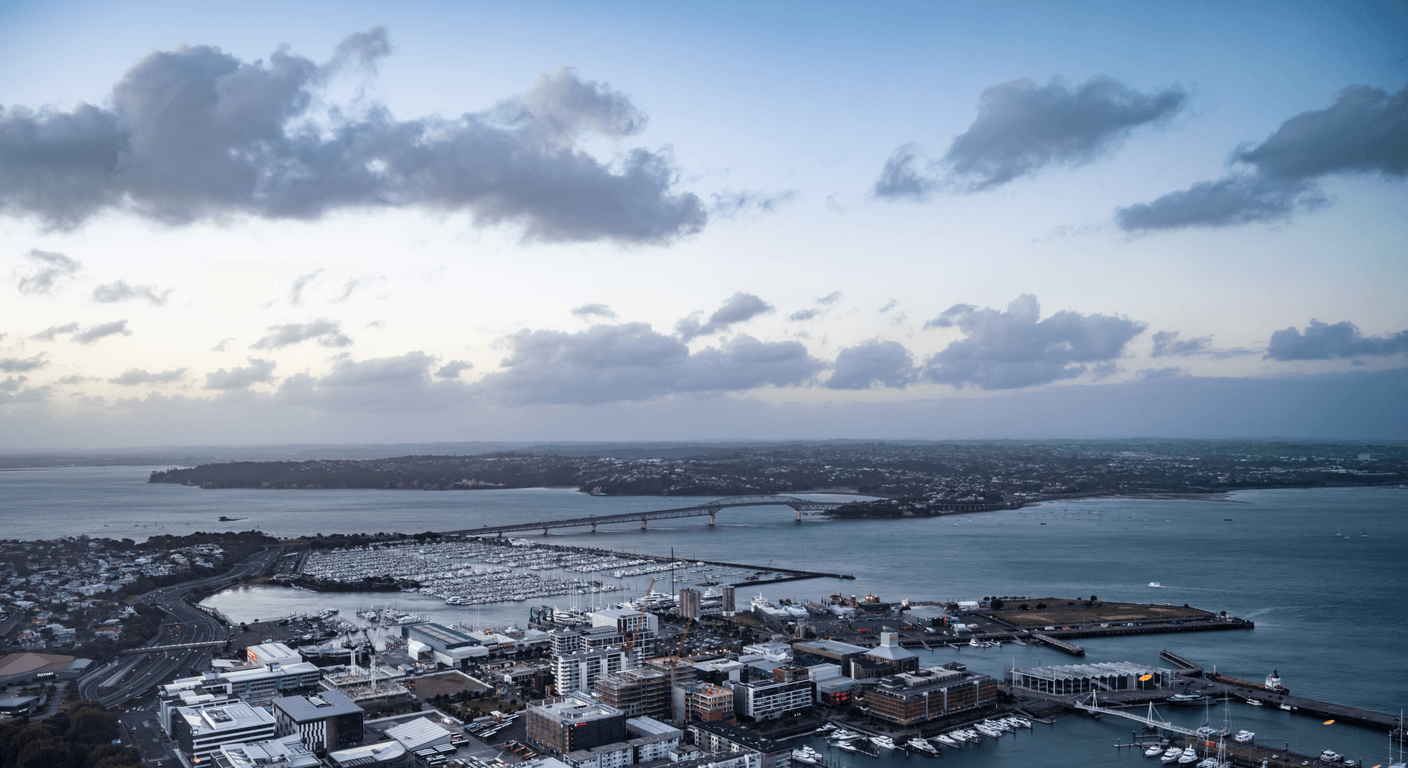
Auckland divides opinion. It's a sprawling, traffic-prone city of 1.7 million people spread across an isthmus of dormant volcanic cones, and getting between its neighbourhoods can be slow if you're relying on a car. For travellers over 50, the smarter approach is to stay central — Britomart, Viaduct Harbour or Ponsonby — and walk or taxi. The city's ferry network is genuinely excellent for day trips: a 35-minute crossing to Waiheke Island, for instance, puts you among vineyards and calm beaches without touching a motorway.
The Auckland War Memorial Museum in the Domain is worth a full morning. The Māori galleries on the ground floor are among the most thoughtfully curated in the Pacific — give them two hours at minimum, and don't rush the poupou (carved ancestral figures) in the Māori Court. Entry is around NZD $32 for adults (confirm current pricing at aucklandmuseum.com). The Domain itself is flat and well-paved, though some garden paths are gravel. A bench is never far away.
Two nights is enough for most travellers. Three nights allows a full Waiheke day and a morning at the museum without feeling rushed. The Sky Tower is fine for the views but the queues and the casino floor underneath it are dispiriting — the better panorama, frankly, is from the free lookout at One Tree Hill (Maungakiekie), a short drive from the centre, where you're standing on a real volcanic cone with the Hauraki Gulf laid out below you. Solo travellers: Auckland's Viaduct dining strip is animated at lunch but quieter and more comfortable for a solo dinner than the louder bar-restaurant hybrids. The Federal Street precinct near SkyCity has several restaurants where a table for one is handled without theatre.
The drive south to Rotorua: what the road actually looks like
Auckland to Rotorua is around 230 kilometres via State Highway 1 and then SH5. Allow two and a half to three hours driving time — more in summer weekends when the road through the Bombay Hills backs up. The drive is easy by Australian standards: four-lane motorway most of the way south to Taupiri, then two-lane highway through rolling Waikato farmland and into the Mamaku Plateau. There are no mountain passes, no white-knuckle sections. Petrol stations appear regularly.
A worthwhile pause is Matamata, where the Hobbiton Movie Set sits in private farmland. Guided tours run daily and cost around NZD $49 per adult (confirm at hobbitontours.com). It's a 90-minute walking tour on uneven grass paths — not difficult, but wear flat shoes and note that the terrain is genuinely not wheelchair-accessible in wet conditions. If Hobbiton doesn't appeal, the town of Cambridge just south of Hamilton has excellent cafés and a pretty main street worth a 30-minute stop.
Rotorua itself is a small city — population around 75,000 — and you'll smell the sulphur before you see the lake. That's not a complaint; it's simply useful to know. The smell dissipates once you're used to it, usually within a day. The lake foreshore is flat and walkable, the CBD compact. Accommodation ranges from large resort-style hotels with thermal pools (the Heritage Grand Rotorua is one option; confirm availability and rates at heritagehotels.co.nz) to smaller boutique lodges. Budget around AUD $200–$280 per night for a well-positioned hotel.
Rotorua's geothermal parks: which ones are worth the effort, and what the walking is actually like
There are several geothermal sites around Rotorua and not all are equal. Wai-O-Tapu Thermal Wonderland, about 27 kilometres south of town, is the standout for colour and drama — the Champagne Pool alone, a 65-metre-wide crater of orange-rimmed turquoise water, justifies the drive. Entry is around NZD $42 for adults (confirm at waiotapu.co.nz). The main loop walk is approximately 3 kilometres over largely flat, sealed or compacted gravel paths. It takes 75 to 90 minutes at a relaxed pace. There are benches along the route. The Lady Knox Geyser performance (artificially triggered, daily at 10:15am) is worth timing your arrival for — it's theatrical and free with park entry.
Te Puia, closer to town, combines geothermal features with the New Zealand Māori Arts and Crafts Institute, where you can watch master carvers and weavers at work. It's a more substantial cultural experience than Wai-O-Tapu and the paths are well-maintained. Entry around NZD $60 for adults; evening cultural performances with dinner are available and run roughly NZD $130–$160 per person. Confirm current pricing and performance schedules at tepuia.com. The Pohutu Geyser, New Zealand's largest active geyser, erupts here — unpredictably, but often.
Whakarewarewa Thermal Village is a living Māori community built on geothermal ground, where residents cook in natural hot pools and the guided tour is led by community members. It's a different register from the commercial parks — smaller, quieter, more intimate. Some paths are narrow and uneven. If you can only choose two geothermal experiences, Wai-O-Tapu and Whakarewarewa together give you the full range — natural spectacle and lived culture — without overlap. Allow three nights in Rotorua to do both without rushing and still have a recovery morning.
What a Rotorua geothermal day actually looks like (hour by hour)
A day combining Wai-O-Tapu and an afternoon in town might look like this. Depart your Rotorua accommodation around 9:30am — the Lady Knox Geyser performance starts at 10:15am and the car park fills quickly in summer, so 9:45am arrival is the target. The geyser spectacle runs about 20 minutes. From there, walk the main Wai-O-Tapu loop at whatever pace suits: 75 to 90 minutes is realistic, and there's no shame in sitting at the Champagne Pool for ten minutes because it's extraordinary. Toilets are at the entrance and at a midpoint on the loop. Back at the car around noon.
Lunch options near Wai-O-Tapu are limited — there's a small café at the park entrance (sandwiches, hot drinks, around NZD $15–$20), which is perfectly adequate. Alternatively, drive the 27 kilometres back toward Rotorua and eat at one of the cafés on Tutanekai Street or Eat Streat, the pedestrianised food strip. By 1:30pm you have the afternoon free — which is the right time for a soak in the Polynesian Spa on the lakefront (entry from around NZD $30 for the public pools; private bathing pools higher; confirm at polynesianspa.co.nz). The spa opens at 8am and closes at 11pm, so an afternoon session avoids the mid-morning family rush.
The geothermal parks close at different times — Wai-O-Tapu's last entry is typically 3:30pm. If you start the day late, you'll be walking the loop in early afternoon heat (in summer) or cutting it close at closing time. The 9:30am departure from town is not fussy punctuality; it's the practical difference between a comfortable day and a rushed one. Solo travellers should note that most geothermal sites have guided tour options if walking alone feels less enjoyable — Te Puia and Whakarewarewa both include guide-led components in their entry fee.
Napier: the Art Deco city that actually delivers
Napier is a two-and-a-half to three-hour drive from Rotorua via SH5 and SH2 through the Hawke's Bay wine country. The road is straightforward — some winding sections through the Mohaka gorge, nothing difficult. The destination rewards the drive. After a 1931 earthquake destroyed most of the city, Napier was rebuilt almost entirely in the Art Deco style of the moment, and because it happened so quickly and comprehensively, the streetscape is startlingly uniform. Walking Emerson Street and Tennyson Street feels like a gentle time-slip.
The Art Deco Trust runs walking tours most mornings, departing from the Deco Centre on Tennyson Street, and these are genuinely well-informed — the guides know which buildings have original interiors and which are reconstructions. Tours cost around NZD $35 per person (confirm at artdeconapier.com). The walking is flat. Comfortable shoes, but no special fitness required. For those who'd rather go at their own pace, the Trust sells self-guided audio tour maps. The annual Art Deco Festival in February is the obvious drawcard — streets close to traffic, vintage cars appear, people dress the part — but accommodation books out months in advance and prices spike. The shoulder months of October and March give you the architecture without the crowds.
Napier is also the gateway to the Hawke's Bay wine region, one of New Zealand's best for Syrah and Chardonnay. Several wineries offer cellar door tastings within 20 minutes of the city centre — Craggy Range, Trinity Hill and Mission Estate (New Zealand's oldest winery, established 1851) are all worth a visit. A half-day winery loop is easily self-driven, though a designated driver is the sensible arrangement. Taxis and wine tour operators exist if you'd rather not manage that. Solo travellers: Napier is an excellent solo destination. The CBD is compact and very walkable, the café culture is relaxed, and a table for one at a good Hawke's Bay restaurant is unremarkable. Budget around AUD $200–$300 per night for a well-located hotel; the county Club Hotel and several boutique guesthouses sit within easy walking of the Art Deco precinct.
Wellington: compact, cultured, and genuinely good for over-50 travellers
Napier to Wellington is around four hours by car via the Hawke's Bay Expressway and SH2 through the Wairarapa — a long day but a scenic one, with the Remutaka Range providing a genuine climb near the end. The alternative is to leave your hire car in Napier (check one-way drop-off fees with your car hire company, as these can be substantial — AUD $100–$300 depending on operator) and take the Interislander train-ferry combination, which isn't practical here since Wellington is a dead end for North Island driving anyway. Most travellers drive or consider a domestic flight: Air New Zealand flies Napier to Wellington in 45 minutes, which becomes attractive if you've been driving for several days.
Wellington rewards those who arrive without a car. The city centre is compact and very walkable — the waterfront from Te Papa to the Botanic Garden cable car covers most of what you want in two leisurely days. Te Papa Tongarewa, the national museum on the waterfront, is free and genuinely world-class. Allow at least half a day; the Māori collection and the earthquake house (a shake-table exhibit that simulates the 1931 Hawke's Bay quake) are not to be walked past quickly. The cable car up to the Botanic Garden is NZD $6 one way, the walk back down through the garden is gentle and takes about 30 minutes. Cuba Street is the city's character precinct — independent bookshops, good coffee, interesting food at all price points.
Wellington's restaurant scene punches well above its population size. Logan Brown on Cuba Street has been a benchmark for twenty years; Shepherd in the city centre is quieter and more suited to a relaxed dinner. Expect to pay around NZD $80–$120 per person for a good two-course dinner with wine — roughly AUD $70–$105 at current exchange rates. The city's accommodation is concentrated and central; the InterContinental and QT Wellington are well-regarded upper-mid options at around AUD $250–$350 per night. Solo travellers: Wellington is arguably the best city on the North Island for solo travel over 50. It's small enough to feel safe walking at night, the cultural life is accessible without requiring a companion, and the hospitality industry is relaxed about solo diners.
Solo female travel on the North Island: the honest assessment
New Zealand consistently ranks among the safest countries in the world for solo female travellers, and the North Island bears that out in practice. The main centres — Auckland, Rotorua, Napier, Wellington — are well-lit, well-policed and have active street life through the evening. Driving solo on the North Island's main highways is straightforward; the roads are well-signed in English, speed limits are clearly posted (100km/h open road, 50km/h in towns), and breakdowns are manageable — AA New Zealand (aa.co.nz) offers roadside assistance to Australian NRMA, RACV and RAA members on a reciprocal basis, but confirm current reciprocal arrangements before departure.
The practical considerations worth flagging: hire car pick-up in Auckland and drop-off in Wellington attracts a one-way fee that varies considerably between operators — get this quoted explicitly, in writing, before confirming. Some operators waive it for Auckland-to-Wellington routes because it's a common itinerary; others don't. Petrol stations on the main highways are plentiful but in rural sections between Napier and Wellington can space out — fill up before leaving any town. EFTPOS is universal in New Zealand; carry some NZD cash for farmers' markets, small craft stalls and the occasional country café that's still cash-preferred.
Solo travellers also need to consider the single supplement question directly. If you're booking guided tours — a Rotorua cultural evening, a Napier Art Deco walking tour, a Wellington harbour cruise — these are per-person priced and there's no penalty. Where the single supplement bites is on any packaged multi-day tour. Operators like Trafalgar, APT and Scenic Tours all run North Island itineraries aimed at the over-50 market, and single supplements typically add 30–60% to the per-person cost. Some operators offer a share-match programme (you're paired with another solo traveller of the same gender) or occasional single-supplement-free promotions — ask specifically, in writing, before committing. Self-driving avoids the supplement question entirely and gives you full control of pace, which is often the better choice for independent-minded travellers.
Quick planning guide
| Ideal pace | Slow to medium — two to three nights per stop, avoiding back-to-back driving days |
|---|---|
| Best months | October to April; September and May are shoulder months with fewer crowds and lower prices |
| Suggested stay | 10 to 14 days minimum; 16 days is comfortable for four main stops |
| Mobility level | Moderate overall — Easy options at every stop if you choose selectively |
| Cost level | Mid to upper — indicative AUD $200–$320 per night accommodation, $90–$140 per day car hire |
| Comfort level | High — New Zealand's tourism infrastructure is well-suited to independent mature travellers |
| Best for | Culturally curious couples, solo female travellers, grey nomads wanting a manageable self-drive loop |
| Main planning consideration | Travel insurance with pre-existing condition cover — confirm policy terms before booking; NZD fluctuates, so lock in currency or use a low-fee travel card |
Key takeaways
- Auckland to Wellington self-drive covers the North Island's four main stops in 10 to 14 days without any difficult roads or mountain passes.
- Flights from Melbourne or Sydney to Auckland take under 3.5 hours — jet lag is minimal and no visa is required for Australian citizens.
- Wai-O-Tapu's main loop walk is 3 kilometres on largely flat, sealed paths — accessible for most mobility levels, with benches along the route.
- Napier's Art Deco streetscape is entirely flat and walkable; the Art Deco Trust's guided morning tours cost around NZD $35 and are worth every dollar.
- Wellington is the North Island's best city for solo travellers over 50 — compact, walkable, culturally rich, and genuinely relaxed about tables for one.
- Solo travellers booking packaged tours should ask operators explicitly about single supplements, share-match options and single-friendly departure dates before committing.
Recommended partners and links
Indicative prices only — always confirm with the operator before booking.
Frequently asked questions
How long do you need for a North Island New Zealand trip over 50?
Ten to fourteen days is the practical minimum to cover Auckland, Rotorua, Napier and Wellington at a comfortable pace with two to three nights at each stop. Sixteen days allows for a Waiheke Island day trip from Auckland and a winery half-day in Hawke's Bay without cutting anything short. Anything less than ten days means either skipping a stop or driving too many consecutive long days.
Is the North Island suitable for self-driving over 50?
Yes — the North Island is one of the more forgiving self-drive destinations in the Pacific. Roads are well-signed in English, speed limits are clearly marked, and driving distances between the main stops are manageable. Auckland to Rotorua is around 2.5 to 3 hours; Rotorua to Napier around 2.5 to 3 hours; Napier to Wellington around 4 hours. Request an automatic transmission vehicle when booking — this is standard practice and widely available.
Are Rotorua's geothermal parks accessible for travellers with limited mobility?
Wai-O-Tapu's main loop is largely flat and on sealed or compacted gravel — manageable for most travellers who can walk 3 kilometres at a relaxed pace. Te Puia's paths are well-maintained. Whakarewarewa Thermal Village has some narrow and uneven sections. None of the main geothermal parks are fully wheelchair-accessible throughout, but all have accessible entry areas and partial routes. Contact the individual park before visiting to confirm current accessibility facilities.
What does the North Island cost for Australian travellers in 2026?
Indicative costs in AUD at mid-2026 exchange rates: return flights from Melbourne or Sydney around $450–$900 depending on season; mid-range hotel accommodation around $200–$320 per night; car hire around $90–$140 per day for a mid-size automatic; geothermal park entry around $35–$60 per person; a good two-course dinner with wine around $70–$105 per person. These are indicative figures only — confirm current rates directly with airlines, accommodation and operators before booking.
Do Australian seniors cards or concessions apply in New Zealand?
Australian state Seniors Cards are not valid in New Zealand — they're a domestic scheme and do not extend across the Tasman. New Zealand has its own SuperGold Card for New Zealand residents aged 65 and over, which is not available to Australian visitors. Some attractions offer a general senior concession for international visitors — always ask at the ticket desk, as it's not always advertised. Travel insurance with pre-existing condition cover is essential; confirm your policy covers New Zealand and check that any existing conditions are declared and accepted before departure.
Want the next guide like this?
Choose your state, the subjects you care about, or both. We will let you know when a new guide lands. Email once a week at most, or a quiet phone notification on the day it publishes. No advertising, no sponsored content, and we never pass your details to anyone.
- Tourism New Zealand — official visitor information
- Auckland War Memorial Museum
- Wai-O-Tapu Thermal Wonderland
- Te Puia — New Zealand Māori Arts and Crafts Institute
- Art Deco Trust Napier
- Te Papa Tongarewa — Museum of New Zealand
- Polynesian Spa Rotorua
- New Zealand Immigration — entry requirements
- Smartraveller — New Zealand travel advisory
- AA New Zealand — roadside assistance and reciprocal membership