Darwin's weekend market circuit — Parap on Saturday, Rapid Creek and Nightcliff on Sunday — is best visited during the dry season (May to October), when mild mornings suit outdoor eating. A weekend is enough to cover all three markets, with Parap's laksa queue the standout draw. Mobility is moderate: Parap is flat and paved, while Rapid Creek and Nightcliff have uneven ground. There's no easy public transport between sites, so a hire car, rideshare or taxi is needed.
Why Darwin's market food scene rewards over-50s travellers
Darwin has a food culture that suits a slower, more curious kind of traveller. The weekend markets are not tourist add-ons — they are where locals genuinely eat, and the mix of Southeast Asian, South Asian, Pacific Islander and Indigenous food traditions on a single strip of stalls is unlike anything you will find in Victoria's regional towns or even most of Melbourne's inner suburbs.
For travellers in their sixties and beyond, the practical appeal is real: the format is unhurried, portions are generous, prices are low, and you eat outdoors under shade structures rather than waiting for a table in a noisy restaurant. There is also a social ease to it. A group of women with a shared interest in food will find themselves in easy conversation with vendors and fellow regulars within minutes.
The dry season, which runs roughly from May through to October, is the window to plan around. Humidity drops to comfortable levels, mornings are genuinely mild, and the markets operate at their fullest. If you are travelling from regional Victoria, the contrast — leaving behind a cold June morning and arriving into Darwin's warm, dry air — is itself a kind of reward.
Parap Village Market on Saturday: the laksa queue worth joining
Parap Village Market runs every Saturday morning in the car park of Parap Shopping Village, about five kilometres south of Darwin's CBD. It is the anchor of the weekend food circuit, and the laksa stalls are its centrepiece. The queue for the most popular vendors — particularly the stall widely credited as the originator of the Darwin-style laksa — begins forming before 9am. Arriving by 9am is genuinely practical advice, not marketing language: by 10am the wait is longer and the shade is thinner.
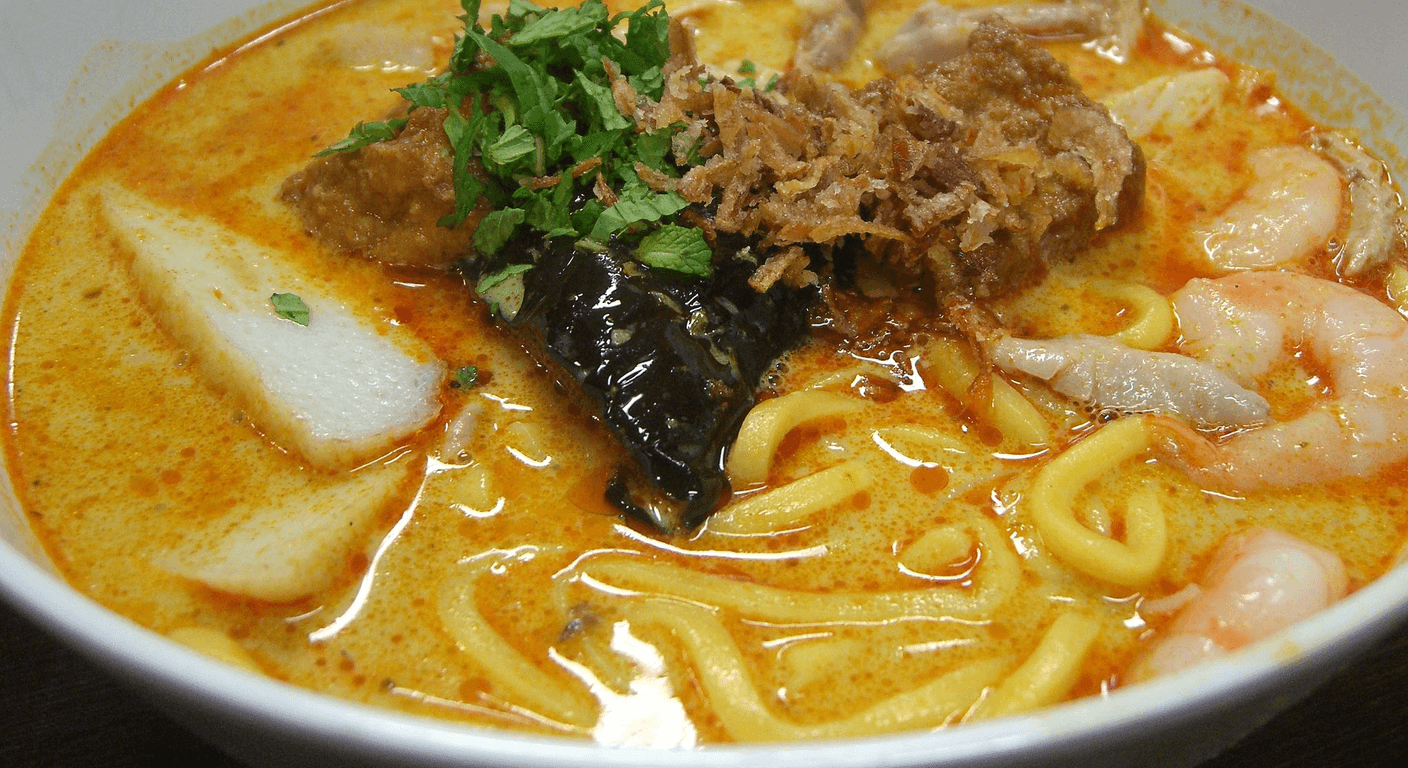
Darwin laksa is distinct from its Malaysian or Singaporean cousins. It typically arrives in a deep, coconut-rich broth with a hard-boiled egg, tofu puffs, vermicelli, and your choice of protein — prawn is the classic. The heat level is calibrated on request, which matters for those who love the flavour but prefer a gentler chilli. Prices are indicative at around $10 to $15 per bowl; confirm with vendors on the day as these shift seasonally.
Beyond the laksa, Parap has roti with curry, fresh tropical fruit cups, Indonesian nasi goreng, and Vietnamese bánh mì-style rolls. The market is compact — roughly one oval-shaped loop — which means you can walk the full circuit slowly before deciding where to queue, and then find a seat at the central tables under a large shade canopy. Ground surfaces are mostly flat and paved, making it manageable for those with walking frames or rollators, though it can be crowded at peak time.
The great Darwin laksa debate: which stall, which bowl
Ask any Darwin local who makes the best laksa and you will get a strong opinion delivered with conviction. The debate has genuine longevity — it has been running for decades — and centres mainly on two or three Parap vendors who have each built loyal followings. The disagreements are collegial rather than bitter, which is part of what makes the conversation enjoyable to join.
The broad camps break down roughly like this: those who prefer a deeper, richer coconut base with more chilli complexity, and those who favour a lighter, slightly more sour broth with a cleaner finish. Some regulars maintain that the best laksa in Darwin is not at Parap at all, but at a small café in Nightcliff or a takeaway shop near Rapid Creek. This is a minority view, but it is held with passion.
For a first-time visitor, the honest advice is to try at least two bowls across two stalls — perhaps one at Parap on Saturday and one at Nightcliff's foreshore market on Sunday morning. Your own palate is the only arbiter that matters, and the cost of conducting this research is modest. Keep notes if you are travelling with friends; the post-market debrief over a cold drink is half the pleasure.
Rapid Creek Sunday Market: produce, community and a different pace
Rapid Creek Sunday Market, held in the suburb of the same name about eight kilometres from the CBD, operates on Sunday mornings and has a different character to Parap. It is larger, more sprawling, and as much a produce market as a food one. Stalls selling tropical fruit — mangosteen, rambutan, jackfruit, snake beans — sit alongside vendors offering hot food, and the crowd skews heavily local.
For older travellers, Rapid Creek rewards a slightly earlier arrival than you might expect. By 8am the market is already busy; by 10am the best produce is largely gone and the heat is building. Bring a carry bag or small wheeled trolley if you intend to buy fruit — the stalls are generous with portions and the haul can be heavier than expected. Prices for hot food are roughly comparable to Parap, indicative at around $8 to $18 depending on the dish; confirm on the day.
Accessibility at Rapid Creek is less straightforward than Parap. The ground surface includes some uneven patches and the layout is less linear. If mobility is a consideration, it is worth arriving early when it is less congested and moving at your own pace. The market has a strong sense of community that is welcoming to visitors, and vendors are generally patient and conversational.
Nightcliff Foreshore Market: Sunday mornings by the water
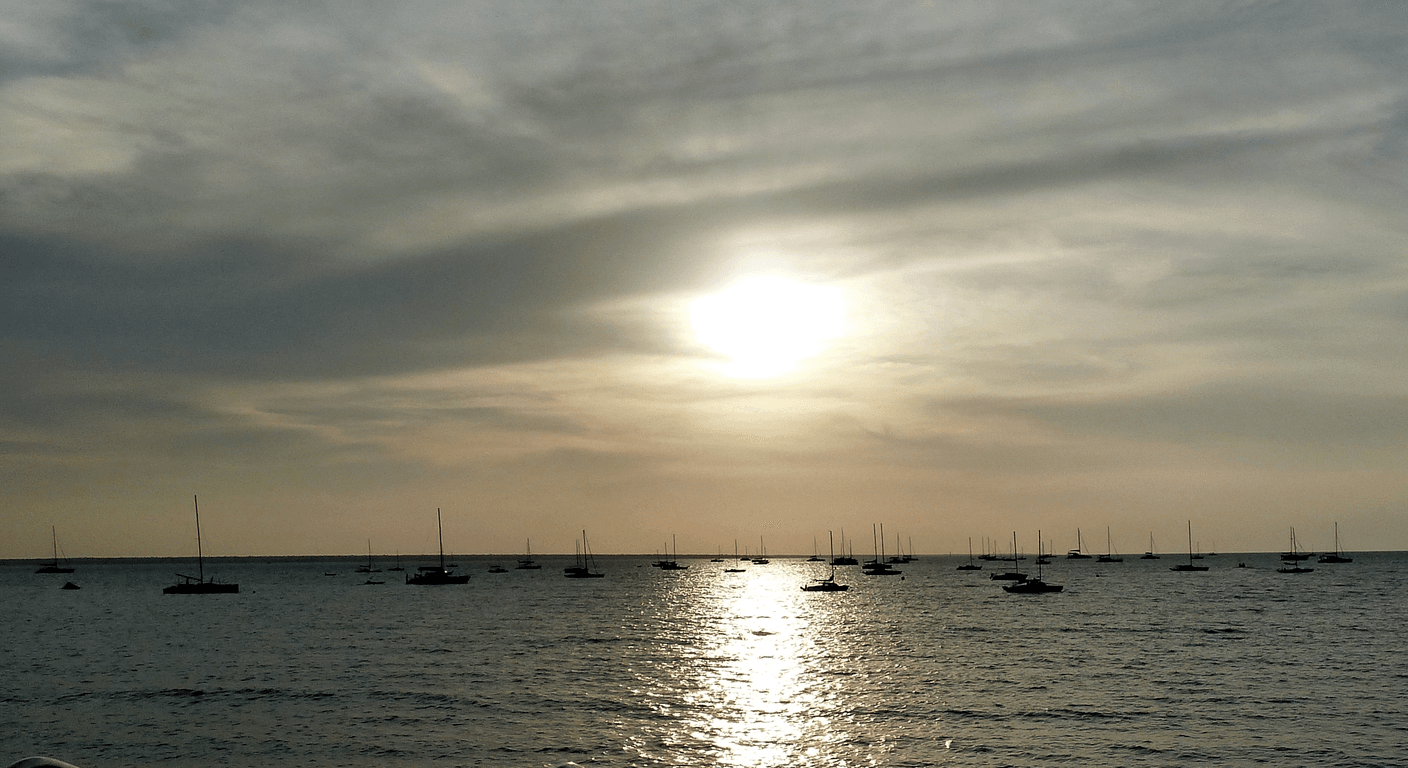
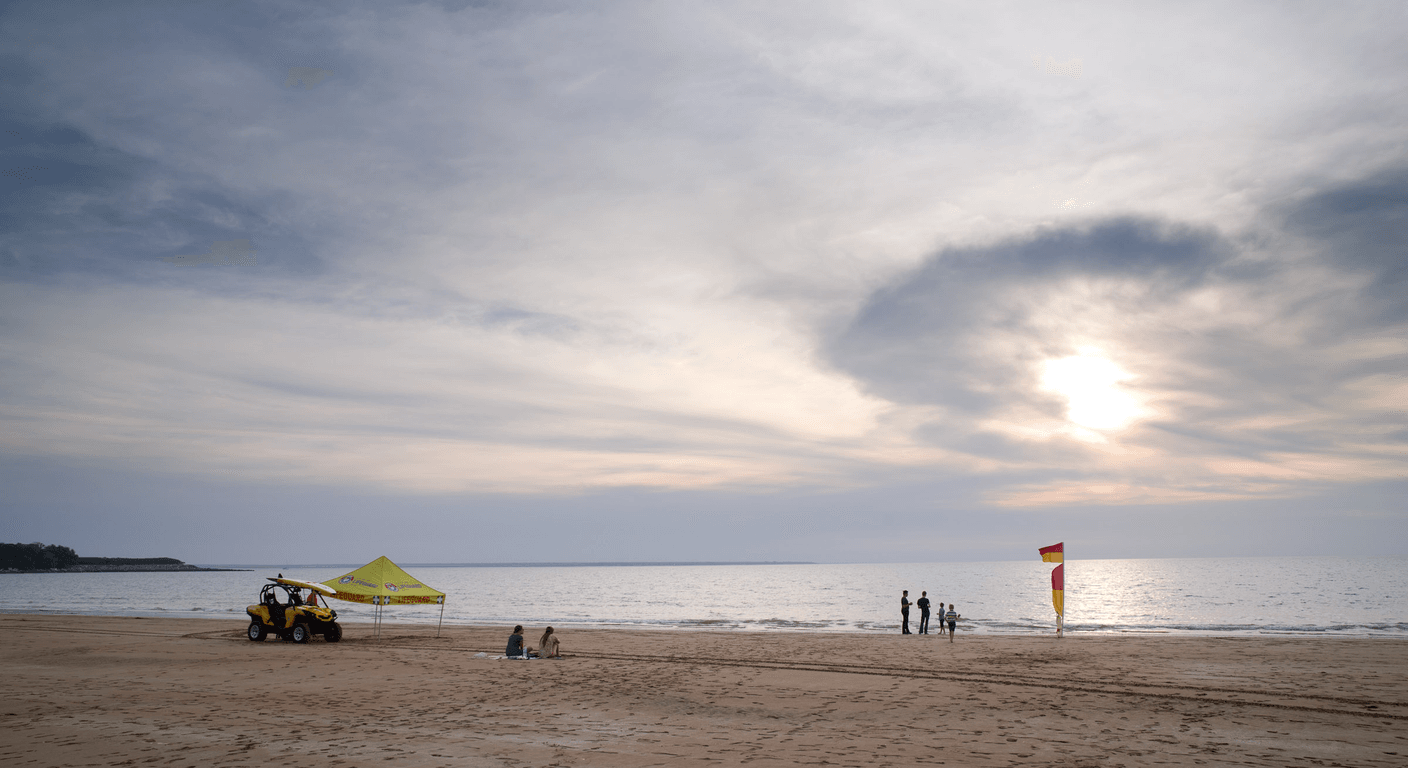
Nightcliff Community Market runs on Sunday mornings on the foreshore at Nightcliff, roughly 12 kilometres north of the city centre. The setting is the most scenic of the three markets — the Timor Sea is visible beyond the foreshore park, and the early dry-season light has a quality that regional Victoria simply does not produce. It is a slower, more artisan-oriented market than Parap or Rapid Creek, with craft stalls alongside food vendors.
The food offering includes fresh coconut drinks, laksa (yes, another contender in the debate), grilled satay, fresh spring rolls, and a rotating cast of baked goods and hot breakfasts. It is a good option for those who prefer a gentler start to the day before the heat builds. Indicative food prices are in the $8 to $16 range; verify with vendors on arrival.
The foreshore location means the ground is mostly grass and compacted gravel paths. For those with mobility considerations, flat walking shoes with good grip are advisable. There are public toilet facilities nearby. The market is best reached by car or rideshare — Darwin's public bus network does service Nightcliff, but connections on Sunday mornings can be infrequent, so check the Transport NT journey planner before relying on it.
Shade, hydration and pacing: practical dry-season advice for over-50s
Even in the dry season, Darwin's morning sun is stronger than most southern Australians expect. By 9am the UV index is already significant, and by 11am the heat is real. The practical approach is to treat the markets as morning-only activities: aim to be at Parap by 8:45am, finish by 10:30am, and be back in air-conditioning or under substantial shade before midday. This is not overly cautious — it is how Darwin locals operate.
Hydration is non-negotiable. Carry a water bottle from your accommodation and refill it at the market where possible. Fresh coconut water from market stalls is a genuinely good option — it is hydrating, available at most markets, and costs around $5 to $8 (indicative). Avoid arriving at any of the markets dehydrated from a late night or an early flight; the combination of heat and exertion in a crowd can tire you more quickly than anticipated.
Footwear matters more than most travellers anticipate. Comfortable, closed-toe walking shoes are better than sandals for the uneven surfaces at Rapid Creek and Nightcliff. A wide-brimmed hat and a light long-sleeved layer for sun protection are worth packing even if they feel unnecessary on a mild morning. If you are travelling as a group, agree on a meeting point at each market at the outset — the crowds at Parap can make it easy to lose track of each other.
Getting around: transport and logistics for the market circuit
Darwin is not a city where public transport makes the weekend market circuit easy. The three markets are spread across different suburbs and the Sunday bus frequency on some routes is limited. The most practical options for over-50s are either a hired car for the weekend, a rideshare (Darwin has Uber coverage), or a taxi. If you are staying in the CBD or at the Parap Village area, Parap Market itself is walkable from several accommodation options.
Rideshare from the CBD to Parap is indicatively around $10 to $15 one way; to Rapid Creek or Nightcliff roughly $15 to $25 one way — confirm current fares at the time of travel. For those who prefer not to drive or navigate rideshare apps, some Darwin tour operators offer half-day food market tours that cover multiple sites with transport included. Check Tourism NT's website for current licensed tour options.
Parking at or near each market is available but fills quickly on Saturday and Sunday mornings. If driving, arriving before 8:30am at Parap and before 8am at Rapid Creek gives the best chance of a close park. Nightcliff has more parking spread along the foreshore road, though it too fills on a fine Sunday. The Transport NT journey planner at nt.gov.au/driving-transport is the reliable source for current bus timetables if you prefer public transport.
Quick planning guide
| Ideal pace | Slow, morning-only outings finishing before midday heat |
|---|---|
| Best months | May to October (the dry season) |
| Suggested stay | A weekend (Saturday–Sunday market circuit) |
| Mobility level | Moderate — flat and paved at Parap, but uneven ground at Rapid Creek and grass/gravel at Nightcliff |
| Cost level | Budget-friendly (most dishes under $20) |
| Comfort level | Comfortable in dry-season mornings; heat and UV build quickly after 10am |
| Best for | Food-curious over-50s travellers who enjoy market culture and an early start |
| Main planning consideration | Transport between markets — limited Sunday bus services mean a hire car, rideshare, or guided food tour is the practical option |
Key takeaways
- Arrive at Parap Village Market by 9am on Saturday to join the laksa queue before the crowd and the heat build together.
- Darwin laksa — coconut-rich, served with tofu puffs and your choice of protein — is distinct from Malaysian and Singaporean versions, and the debate over which stall does it best is a local institution worth joining.
- The dry season (roughly May to October) is the practical window for the Darwin market circuit: humidity is low, mornings are mild, and all three markets operate at full capacity.
- Rapid Creek on Sunday is the best market for tropical produce, but its ground surfaces are uneven — arrive early and wear supportive shoes.
- Nightcliff Foreshore Market offers the most scenic setting of the three and a slower pace, making it a good choice for travellers who prefer a gentler Sunday morning.
- Most dishes across all three markets fall under $20, making Darwin's weekend food circuit one of Australia's best-value culinary experiences for older travellers.
Recommended partners and links
Indicative prices only — always confirm with the operator before booking.
Frequently asked questions
What time does Parap Village Market open and what time should you arrive for laksa?
Parap Village Market runs on Saturday mornings, typically from around 8am. For laksa, arriving by 9am is strongly advisable — the queue at the most popular stalls grows quickly after that and the shade at the stall tables fills up. Confirm current operating hours directly with Parap Village Market before your visit.
Is Darwin's Parap Market accessible for older travellers with mobility considerations?
Parap Village Market is mostly flat and paved, making it one of the more accessible of Darwin's weekend markets. It can become congested at peak times, which may be challenging for those using walking aids. Arriving early — before 9am — gives you more space to move comfortably. Rapid Creek Market has some uneven ground and is less straightforward for those with limited mobility.
How much does laksa cost at Darwin's markets?
A bowl of laksa at Parap Village Market is indicatively priced at around $10 to $15, though vendor prices change and should be confirmed on the day. Most hot dishes across Darwin's weekend markets fall under $20, making this one of Australia's more affordable food experiences.
Which Darwin market is best for tropical fruit and local produce?
Rapid Creek Sunday Market is the strongest of the three for tropical produce — mangosteen, rambutan, jackfruit and local vegetables are typically available in good variety. Arriving before 9am gives you the best selection. Parap and Nightcliff also have fruit stalls but with a smaller range.
Is Darwin's dry season really comfortable enough for older travellers to spend time outdoors?
Yes, Darwin's dry season (roughly May to October) is genuinely comfortable by tropical standards — humidity is low and mornings are mild. However, UV levels are still significant from around 9am onward, so a hat, sun protection and hydration are essential. Treating markets as morning-only activities and being indoors or in deep shade by midday is the sensible approach.