Stokes Hill Wharf, a flat working wharf about a kilometre from Darwin's CBD, is best visited in the dry season (May–October) when warm evenings and a reliable harbour breeze make outdoor dining pleasant. Plan for an evening visit of a couple of hours, centred on fish and chips, barramundi or laksa at communal tables over the water. The site is fully flat and easy underfoot, though there's no public bus route — a short walk, taxi or rideshare from the CBD is the practical way in.
What is Stokes Hill Wharf and why do travellers over 50 keep coming back?
Stokes Hill Wharf is a working timber wharf that extends out over Darwin Harbour, roughly a kilometre south of the CBD. It has operated in various forms since the late 1800s and today holds a cluster of casual food and drink outlets, a handful of small fishing charter operators, and some of the best uninterrupted harbour views in the Northern Territory. It is not a theme park or a polished waterfront development — it is a genuine working wharf with plastic chairs, communal tables, pelicans eyeing your chips and salt in the air.
For travellers in their 60s and 70s, particularly those who have spent years navigating the fancier end of tourism, there is something genuinely refreshing about a place that simply works. You turn up, choose your food, find a table over the water, and sit there as long as you like. No reservation required, no dress code, no background music turned up too loud. The wharf has a way of drawing out a long, easy evening without any effort on your part.
It suits couples particularly well. There is enough to look at — the harbour light changing, fishing boats coming in, the occasional cruise ship anchored further out — that conversation flows naturally. For anyone travelling solo, the communal tables make it easy to share a bench with other visitors without feeling awkward about it.
What food is actually on offer, and what does it cost?
The food at Stokes Hill Wharf is straightforward and honest. The anchor dishes are what you would expect from a working harbour: fish and chips, barra burgers, prawns, laksa, and calamari. Barramundi is the local hero — freshwater barra caught in the Top End rivers, served battered or grilled, usually in a generous portion. A meal at one of the wharf stalls sits around $15–$30 per person at the time of writing, but prices at casual food outlets can shift seasonally, so confirm current pricing when you arrive or check the individual stall's signage.
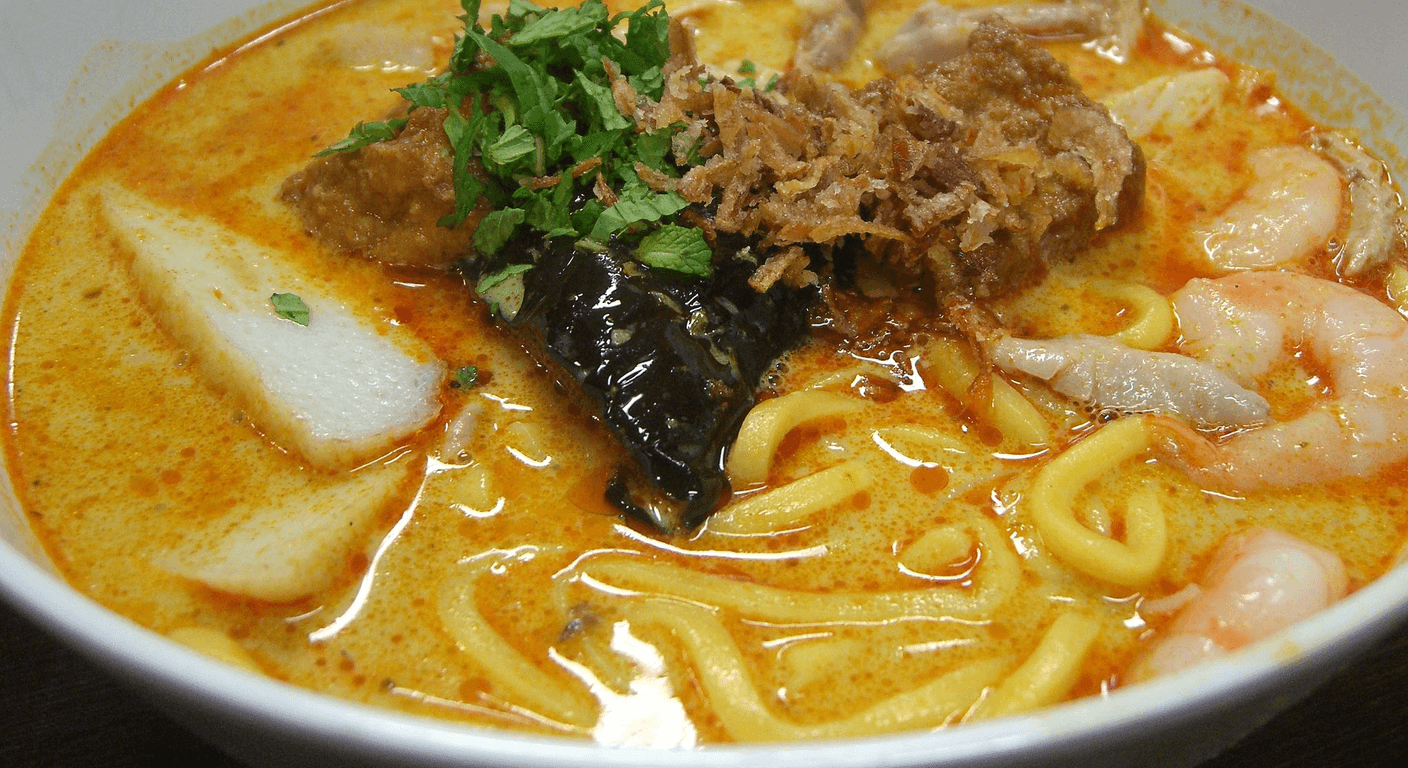
The laksa, in particular, has earned a loyal following among repeat visitors. It is a proper bowl — coconut-based, fragrant, with prawns or fish — and it holds its own against Darwin's strong South-East Asian food culture. For Indian Australian travellers accustomed to bold, spiced broths, it is a familiar and satisfying choice in an unfamiliar setting. Most stalls also carry cold drinks, beer and wine, keeping the overall spend very manageable for two people.
There is no obligation to spend heavily. Some visitors buy a serve of chips and a cold drink and call it done. Others work through two courses and linger over a glass of wine as the sun goes down. The wharf does not pressure you either way, which is part of its appeal for older travellers who prefer to set their own pace and budget.
How accessible is Stokes Hill Wharf for older and mobility-conscious travellers?
The wharf is flat. That single fact matters more than most tourism descriptions let on. From the car park at the wharf entrance to the furthest food stall, the surface is level and paved or decked timber throughout. There are no significant steps, no steep ramps and no cobblestones. For travellers managing knee or hip concerns, or those who use a walking stick or frame, the layout is genuinely manageable.
Seating at the communal tables is bench-style, which suits most people well enough, though it may be less comfortable for those who need back support for extended periods. Some stalls have additional chairs available — worth asking if you need one. The wharf can get busy on Friday and Saturday evenings, when the crowd density increases and navigating between tables requires a little more patience.
Parking is available directly at the wharf precinct, which removes the need for a long walk. If you are staying in the Darwin CBD, the wharf is around a 10–15 minute flat walk along the waterfront esplanade, or a short taxi or rideshare trip. There is no dedicated public bus route to the wharf itself, so driving or rideshare is the most practical option for those not staying nearby. Confirm current accessibility details with the NT Government or Darwin City Council before your visit.
When is the best time to visit Stokes Hill Wharf?
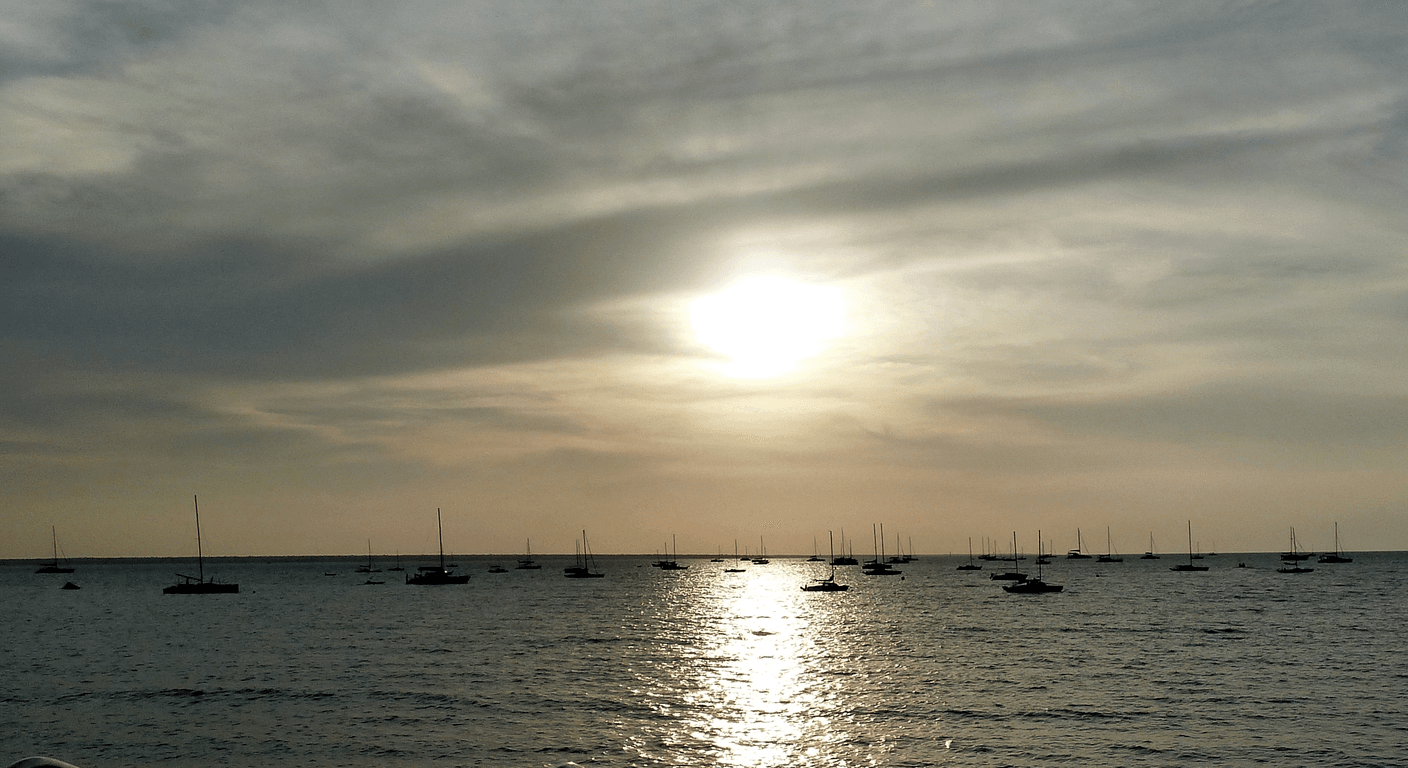
Darwin has two seasons that matter for this kind of outing: the dry (roughly May to October) and the wet (November to April). The dry season is when Stokes Hill Wharf earns its reputation. Evenings are warm but not oppressive — temperatures sit in the mid-20s Celsius — and the harbour breeze arrives reliably around sunset. Sitting over the water in that breeze, with a bowl of laksa and the sky turning orange and pink, is one of those travel moments that costs almost nothing and stays with you.
Arriving around 5 to 5.30pm gives you time to settle in before the sunset crowd builds. The light on Darwin Harbour is at its most striking in the hour before and after sunset, and from the wharf you have an unobstructed westward view across the water. Fishing boats returning in the late afternoon add movement and atmosphere without any noise or disruption.
Friday and Saturday nights are the busiest, with local families, tourists and groups all converging. If you prefer a quieter pace, a weekday evening — particularly Tuesday through Thursday — offers the same food and views with noticeably fewer people. During the wet season, the wharf remains open but humidity and the possibility of afternoon storms make it a less predictable outing. The dry season is the clear recommendation for travellers planning ahead.
What is the WWII history at Stokes Hill Wharf?
Darwin was bombed on 19 February 1942 in the largest single foreign attack ever carried out on Australian soil. Japanese aircraft struck the town and the harbour in two raids that day, killing at least 235 people and damaging or sinking numerous vessels. Stokes Hill Wharf and the surrounding harbour precinct were directly in the line of those attacks, and several ships were sunk nearby.
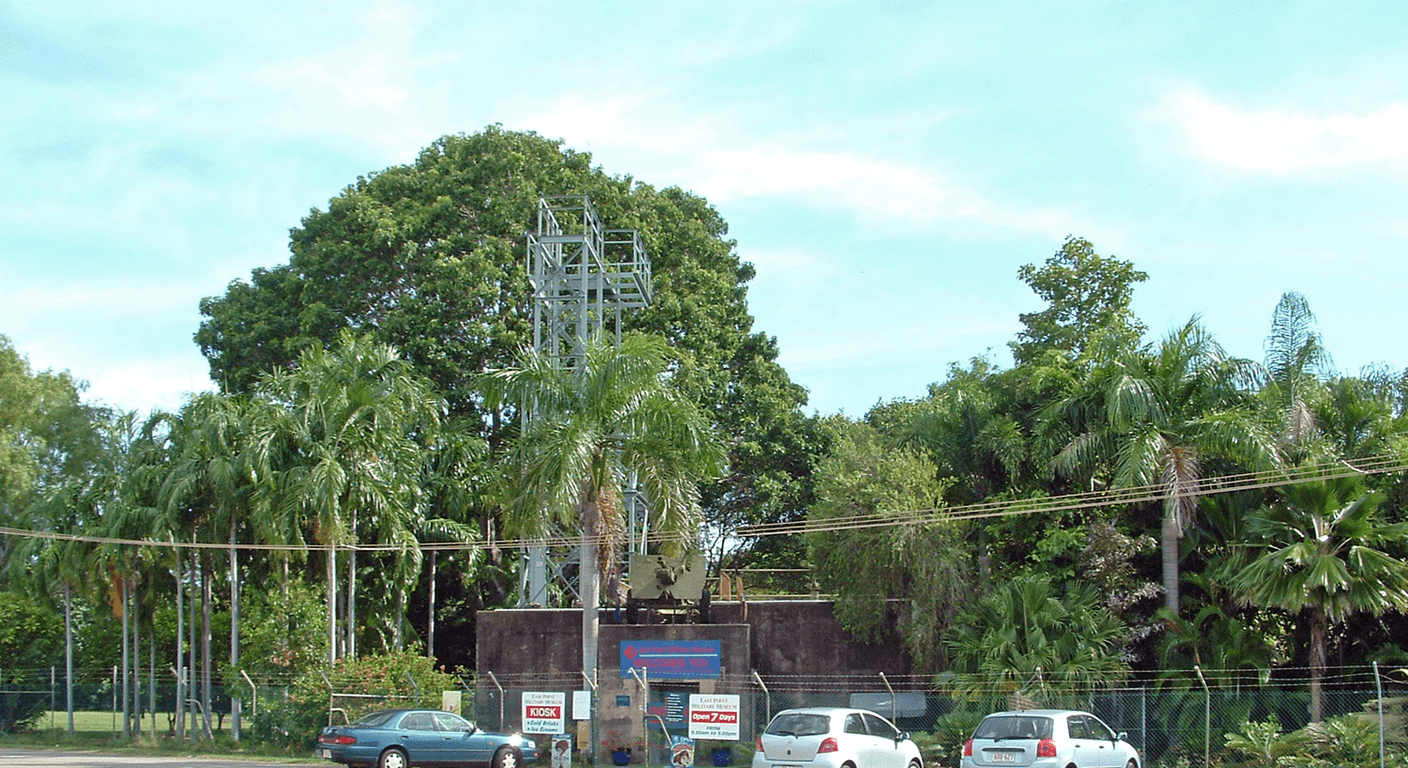
The wharf area has heritage markers and interpretive panels that acknowledge this history, and the broader Darwin Wharf Precinct includes the WWII Oil Storage Tunnels — a separate attraction nearby where you can walk through the original underground fuel tunnels used during the war. For travellers with a connection to that era, whether through family history or a broader interest in Australia's wartime experience, spending a few minutes with the markers before or after your meal adds a layer of meaning to the visit.
The oil storage tunnels are a short walk from the wharf and are managed separately; check the NT Government or Tourism Top End websites for current opening hours and entry fees before visiting. The combination of a quiet history walk and a casual harbourside meal makes for a well-rounded afternoon and evening without requiring a car or a complex itinerary.
How does Stokes Hill Wharf fit into a broader Darwin trip for couples and solo travellers?
Darwin rewards slow travel. The city is compact, the distances are manageable, and the dry-season pace is unhurried in a way that suits travellers who no longer want to rush. Stokes Hill Wharf fits naturally into a two-or-three-day Darwin stay as an early-evening anchor — somewhere to head after a day at the Darwin Museum and Art Gallery of the Northern Territory, the Mindil Beach Sunset Market (which runs Thursday and Sunday evenings during the dry season), or a morning tour of the Botanic Gardens.
For Indian Australian travellers, Darwin has a particularly layered food culture — the city's history of migration from South-East Asia, South Asia and the Pacific means that the food scene extends well beyond the tourist trail, and the laksa at the wharf is just one example of that depth. The wharf itself sits comfortably alongside a visit to the nearby Chinatown precinct on Cavenagh Street for daytime eating.
Travelling as a couple, the wharf offers the rare gift of an evening that does not require negotiation or planning beyond simply showing up. For solo travellers, particularly women travelling alone, the open communal layout and consistent foot traffic make it a comfortable and sociable environment. Darwin as a whole has a reputation for being a welcoming city for independent travellers, and the wharf reflects that character well.
Practical tips before you go
Arrive with cash as well as card — some stalls at the wharf are cash-preferred, though this can change over time, so it is worth having both. Portions are generally generous, so if you are not especially hungry, sharing a main between two is a perfectly normal thing to do. Bring a light layer for after sunset; even in the dry season, the harbour breeze picks up once the sun is down and can feel cool after a warm day.
Seating fills up quickly on busy nights, so arriving before 6pm on a Friday or Saturday gives you the best chance of a table with a good harbour outlook. The wharf is open most evenings, but individual stalls set their own hours and some may close on quieter weekday nights; checking ahead via Tourism Top End or the Darwin City Council website is worthwhile if you are making a specific plan around it.
Insect repellent is worth carrying in the NT regardless of where you are going, and the wharf is no exception — particularly in the shoulder months around April and October when conditions are more variable. Comfortable flat shoes are all you need; the wharf surface is easy underfoot and there is no uneven terrain to worry about.
Quick planning guide
| Ideal pace | Slow and unhurried |
|---|---|
| Best months | May to October (the dry season) |
| Suggested stay | One evening, a couple of hours |
| Mobility level | Easy – flat, level surface throughout with no steps |
| Cost level | Budget-friendly (around $15–$30 per person) |
| Comfort level | Casual, communal bench seating |
| Best for | Couples and solo travellers wanting a relaxed, no-booking harbourside meal |
| Main planning consideration | No dedicated public bus service – walk from the CBD, drive, or take a taxi/rideshare |
Key takeaways
- Stokes Hill Wharf is flat, fully accessible and free to enter — most meals cost roughly $15–$30 per person, confirm current prices on arrival.
- The dry season (May–October) delivers reliable warm evenings and harbour breezes that make outdoor dining genuinely pleasant.
- Barramundi and laksa are the standout dishes, reflecting Darwin's Top End and South-East Asian food heritage.
- Arriving around 5–5.30pm lets you settle in before the sunset crowd and catch the best light over Darwin Harbour.
- WWII heritage markers on the wharf and the nearby Oil Storage Tunnels add historical depth to what is otherwise a casual food outing.
- Friday and Saturday nights are the busiest; weekday evenings offer the same food and views with a quieter atmosphere.
Recommended partners and links
Indicative prices only — always confirm with the operator before booking.
Frequently asked questions
Is Stokes Hill Wharf suitable for travellers with mobility concerns?
Yes. The wharf is flat and level throughout, with no significant steps or steep ramps between the car park and the food stalls. It is one of the more accessible casual dining locations in Darwin. Bench seating is the main style; if you need a chair with back support, ask at individual stalls. Confirm current accessibility details with the NT Government or Darwin City Council before your visit.
How much does a meal at Stokes Hill Wharf cost?
Most meals at the wharf food stalls sit around $15–$30 per person at the time of writing. This is indicative only — prices at casual food outlets can change seasonally, so confirm current pricing when you arrive or check stall signage directly. Entry to the wharf itself is free.
What time should you arrive at Stokes Hill Wharf to see the sunset?
Arriving around 5 to 5.30pm during the dry season (May–October) gives you time to find a seat and settle in before the sunset crowd builds. Darwin Harbour faces west, so the wharf offers an unobstructed view of the sunset directly over the water.
Is there parking at Stokes Hill Wharf?
Yes, there is a car park directly at the wharf precinct entrance. If you are staying in the Darwin CBD, the wharf is roughly a 10–15 minute flat walk along the waterfront esplanade, or a short rideshare trip. There is no dedicated public bus route to the wharf itself.
What is the WWII significance of Stokes Hill Wharf?
Stokes Hill Wharf and Darwin Harbour were directly targeted in the Japanese air raids of 19 February 1942 — the largest foreign attack on Australian soil, in which at least 235 people were killed and numerous vessels were sunk or damaged. Heritage markers on the wharf acknowledge this history, and the nearby WWII Oil Storage Tunnels offer a more detailed wartime experience. Check Tourism Top End or the NT Government website for current opening hours.