Pemberton, about 335 kilometres and four to five hours' drive south of Perth, is best visited April to August when the karri forests are lushest, or spring for wildflowers. Two nights suits most couples, three for a relaxed pace. The defining highlight is the Gloucester Tree — its climbing pegs are closed, but the ground-level view of this 61-metre karri giant remains genuinely worth the trip. Mobility needs are easy overall, though a hire car from Perth Airport is essential, as no public transport links the town's forests, tram and wineries.
Why Pemberton suits a couple looking for something quieter than the usual road trip
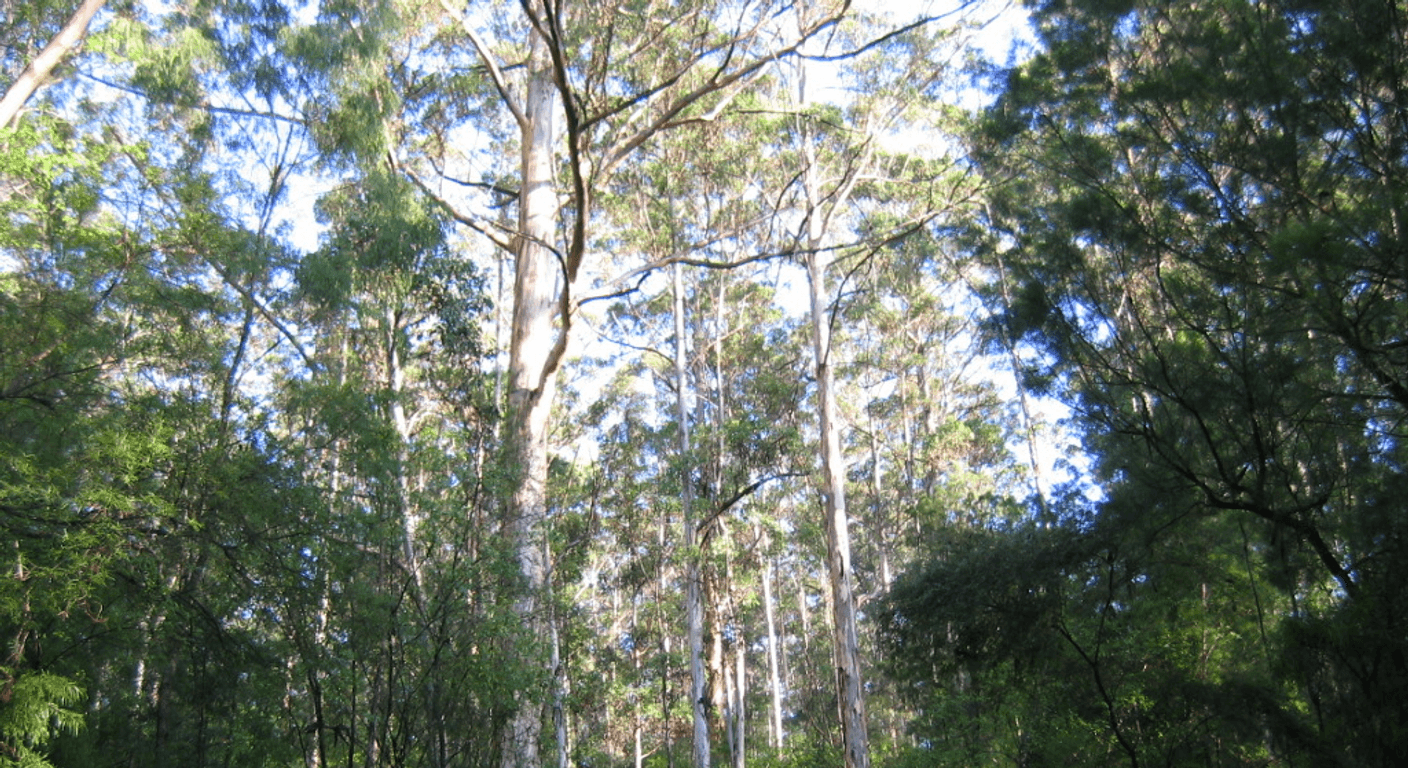
There is a particular quality to karri forest that is difficult to explain until you are standing inside it. The trees — some nudging 60 to 80 metres — create a canopy so high that the light arriving at ground level has a soft, filtered quality, almost like late afternoon even at midday. For a couple who has done the Great Ocean Road a few times and wants something genuinely different, Pemberton delivers that difference without demanding any great physical effort.
Pemberton is a small timber town, about 335 kilometres south-east of Perth — realistically, allow four and a half hours driving, or more if you stop along the way through Bunbury and Manjimup. That distance means it rewards a proper stay rather than a day trip. Two nights is a reasonable minimum; three gives you more breathing room to pace yourself. The town itself has a bakery, a handful of accommodation options ranging from chalets to a heritage hotel, and a visitor centre staffed by people who actually know the area well.
For a traveller based in Victoria, the most practical route is a flight into Perth followed by a hire car. Perth Airport has good facilities and the drive south through the Darling Range and then into the karri country is straightforward on sealed roads. If driving long distances is not comfortable, some coach and tour options operate from Perth — the Pemberton Visitor Centre can point you toward current operators.
The Gloucester Tree: what you need to know before you arrive
The Gloucester Tree is the centrepiece of most Pemberton itineraries, and it deserves its reputation — it is a living karri tree with a fire lookout platform at around 61 metres, reached historically by a series of steel pegs driven into the trunk in a spiral. The honest word for 2026 is that the climbing pegs are closed to public access. This has been the case for some time, and there is no confirmed date for reopening. Do not plan your trip around climbing it.
What remains, and this is worth saying plainly, is still very much worth the short walk. Standing at the base of the Gloucester Tree and looking upward is a genuinely humbling experience. The trunk is enormous — several arm-spans across — and the sheer scale of the thing is better appreciated from ground level than it ever would be from a shaky peg forty metres up. For a 73-year-old traveller, or frankly for most adults, the ground-level experience is the sensible one anyway.
The Gloucester Tree sits within Gloucester National Park, a short drive from the town centre. The surrounding picnic area is accessible and flat, making it manageable for those who prefer not to negotiate uneven terrain. Bring water and take your time. There is no entry fee for the national park itself, though vehicle fees may apply — confirm with Parks and Wildlife WA before you go.
The Pemberton Tram: a seated journey through the forest
The Pemberton Tramway is one of those rare tourist experiences that is both genuinely enjoyable and genuinely easy on the body. The historic tram runs on an old timber railway line through karri and marri forest, crossing wooden trestle bridges and passing through country that feels entirely removed from the twenty-first century. You sit, the forest moves past, and there is very little asked of you beyond paying attention.
The tram operates on a seasonal timetable, and this is important — services are not daily year-round, and schedules can change. Contact the Pemberton Visitor Centre or check the tramway operator directly before you build your itinerary around a specific departure time. The journey options vary in length, with some routes going out to Northcliffe or Warren River and back. The longer excursions run to several hours, so factor in your comfort with seated travel for extended periods.
Accessibility on the tram is worth investigating in advance. The carriages are heritage vehicles, which means they do not have the same accessibility features as modern public transport. If mobility is a consideration — steps up into the carriage, for instance — it is worth calling ahead to ask what assistance is available. The staff are generally helpful, but it pays to have the conversation before you arrive at the platform.
Driving Warren National Park and the surrounding forest roads
Warren National Park, just south of Pemberton, offers some of the finest karri forest driving in Western Australia. The Heartbreak Trail and the road to the Warren River campground take you through dense, cathedral-like stands of karri, with occasional clearings and river crossings. The roads are sealed or well-maintained gravel in most sections, though conditions after heavy rain can change quickly — check with Parks and Wildlife WA before heading in.
The drive itself is the activity here. You do not need to hike to appreciate Warren National Park, though there are short, flat walking tracks near the river if you want to stretch your legs. Pull over where it feels right, wind the window down, and simply be in the forest for a while. The bird life is active in the mornings — white-tailed black cockatoos are a particular feature of this country, and their calls carry a long way through the trees.
Beedelup National Park, about 20 kilometres west of Pemberton on the Vasse Highway, is another worthwhile stop. The Beedelup Falls walk involves a suspension bridge and some steps, so assess your comfort with that before committing. The falls themselves are more impressive after winter rain. Again, check Parks and Wildlife WA for current conditions and any closures before you go.
Trout dams, wineries and what to do with a slow afternoon
Pemberton sits in a region that produces genuinely good cool-climate wine, particularly pinot noir and chardonnay. The cellar doors here are small, unhurried operations — nothing like the Yarra Valley on a Sunday. Salitage Winery and Mountford are among the established names in the area; hours and tasting fees vary seasonally, so confirm before you drive out. The Pemberton Visitor Centre keeps an updated list of which cellar doors are currently open.
The Pemberton trout and marron farm offers a different kind of slow afternoon. You can fish in stocked dams — gear is provided — and have your catch smoked or cooked on site. It is not sophisticated, but it is the sort of easy, unhurried activity that suits a couple who wants to be outdoors without any agenda. Children love it, but so do adults who just want to sit by water and not think about anything in particular.
The town bakery and the local pub are worth knowing about. Pemberton is not a foodie destination in the modern sense, but the basics are solid and the service is friendly. If you are self-catering in a chalet or cottage — which many accommodation options here support — the Manjimup IGA, about 30 kilometres north, is the most reliable supermarket for a larger shop.
Practical matters: getting there, getting around, and pacing yourself
Flying into Perth from Melbourne takes roughly three hours and fifteen minutes, with multiple daily services from Tullamarine on Qantas and Virgin Australia. From Perth Airport, the drive to Pemberton on the South Western Highway is straightforward, passing through Bunbury and Manjimup. Google Maps will suggest around four hours and fifteen minutes in ideal conditions; budget five hours with a comfort stop, and do not try to do it all in one push if you have just stepped off a plane.
A hire car is essentially necessary in Pemberton — the town is small, but the forests and wineries are spread across a wide area and there is no meaningful public transport network linking them. Book your hire car in advance through the Perth Airport terminal operators. An automatic transmission is worth specifying if you have not driven a manual in a while. The roads do not require a four-wheel drive for the main attractions, though a higher-clearance vehicle is useful for some of the forest tracks in Warren National Park.
Accommodation in Pemberton ranges from the heritage Pemberton Hotel to self-contained forest chalets and B&Bs. The chalets suit couples particularly well — you have your own space, a kitchen if you want it, and often a verandah looking into the trees. Book well ahead for the school holiday periods and the cooler months from May to September, which are popular with visitors who prefer the forest in its greener, quieter state. Summer (December to February) is warm but not extreme, and the forest is drier.
Timing your visit and what to realistically expect
Autumn and winter — roughly April through August — are when the southern WA forests are at their lushest and the light is softer. Rainfall is higher in winter, which can affect some forest roads and walking tracks, but it also means the rivers are running and the waterfalls are worth seeing. Spring (September to November) brings wildflowers to the surrounding jarrah country and is a particularly pleasant time to be in the region.
Two nights in Pemberton is enough to cover the Gloucester Tree, a tram journey, a drive through Warren National Park, and one or two cellar doors without feeling rushed. Three nights is more comfortable if you want to include Beedelup, a half-day at the trout farm, and a morning simply sitting in the forest without an agenda. For a couple in their seventies, pacing matters more than ticking boxes.
The town is quiet, which is part of its appeal. Do not arrive expecting a busy tourist hub with a full calendar of events. Pemberton rewards the traveller who is genuinely interested in being somewhere rather than doing everything. If that sounds like the right kind of trip, it probably is.
Quick planning guide
| Ideal pace | Slow-paced, unhurried |
|---|---|
| Best months | April–August for lush forest and softer light; spring (September–November) for wildflowers |
| Suggested stay | Two nights minimum, three for a more relaxed pace |
| Mobility level | Easy at ground level (Gloucester Tree base, tram seating), with a few optional walks involving steps or uneven terrain |
| Cost level | Budget-friendly to moderate, with small unhurried cellar doors and self-catering accommodation options |
| Comfort level | Comfortable — heritage hotel, forest chalets and B&Bs available |
| Best for | Couples wanting a quiet, low-effort nature break rather than a packed itinerary |
| Main planning consideration | Gloucester Tree pegs remain closed to climbing; a hire car is essential from Perth Airport; confirm tram and cellar door hours seasonally before arrival |
Key takeaways
- The Gloucester Tree's climbing pegs are closed to the public — the ground-level view of this 61-metre karri giant is still worth the visit and frankly more sensible for most travellers.
- The Pemberton Tram runs on a seasonal timetable; always confirm departure times directly with the operator before building your itinerary around it.
- Pemberton is over four hours from Perth by car — two nights minimum is recommended, three is more comfortable for a paced trip.
- Warren National Park is best explored by car, with sealed and well-maintained gravel roads through karri forest; check current conditions with Parks and Wildlife WA before you go.
- Small cellar doors in the Pemberton region pour good cool-climate pinot noir and chardonnay — hours vary seasonally, so confirm before driving out.
- A hire car from Perth Airport is effectively essential; there is no meaningful public transport linking Pemberton's forests, farms and wineries.
Recommended partners and links
Indicative prices only — always confirm with the operator before booking.
Frequently asked questions
Can you still climb the Gloucester Tree in Pemberton?
No. The climbing pegs on the Gloucester Tree are closed to public access and have been for some time. There is no confirmed reopening date. The tree and its surrounding national park are still open to visit, and viewing the karri giant from ground level remains a worthwhile experience.
Is the Pemberton Tram suitable for older or less mobile travellers?
The tram is a seated, low-exertion experience that suits older travellers well, but the carriages are heritage vehicles without full modern accessibility features. If mobility is a consideration, contact the operator directly before you travel to ask about boarding steps and available assistance.
How far is Pemberton from Perth, and what is the best way to get there?
Pemberton is approximately 335 kilometres south-east of Perth, and the drive takes around four to five hours depending on stops. The most practical approach for interstate visitors is to fly into Perth and hire a car at the airport. There is no direct rail or coach service that makes a day trip practical.
What is the best time of year to visit Pemberton?
Autumn through spring — April to November — is generally considered the most pleasant time to visit. Winter brings higher rainfall and lush forest conditions; spring adds wildflowers to the surrounding country. Summer is warm but manageable, though some forest roads can be drier and dustier.
Do you need a four-wheel drive to explore Warren National Park?
A standard hire car is sufficient for the main sealed and gravel roads through Warren National Park. Some more remote forest tracks benefit from higher clearance, but the key attractions — including the Warren River area — are accessible in a conventional vehicle. Always check current road conditions with Parks and Wildlife WA before you go.