Rabaul, a volcanic caldera harbour in East New Britain, and the Sepik River's spirit-house villages are among Papua New Guinea's most striking destinations, realistically accessible only by small expedition ship carrying 50-120 passengers. May to October, the dry season, is the recommended window, and a combined voyage typically runs 12-14 nights. Ashore, uneven volcanic terrain and muddy river paths make this a moderate-mobility trip, manageable for reasonably fit travellers. Access means flying via Port Moresby, then connecting to the ship or Rabaul by domestic flight.
Why Small-Ship Cruising Is the Honest Choice for PNG
Papua New Guinea is not a destination that rewards half-measures. The country's road network is limited, domestic aviation is patchy, and the regions that hold the most cultural and geological weight — East New Britain's volcanic coast, the remote upper Sepik — have no meaningful hotel infrastructure to speak of. A small expedition ship solves all of this at once. Your cabin travels with you. The onboard doctor travels with you. And the ship's tenders and dinghies become the only practical way to reach village jetties that no larger vessel could approach.
For travellers over 50, this matters more than it might for a younger backpacker willing to sleep in a mission guesthouse. The ship provides reliable air-conditioning, consistent meals, and a medical officer — not luxuries, but sensible baseline conditions when you're operating in 30-plus degree heat and high humidity, several hours' flight from Port Moresby and considerably further from any major hospital. The trade-off is cost. Small-ship expedition cruising in PNG sits firmly at the premium end of the market, and that's worth knowing before you start comparing it mentally to a Mediterranean river cruise.
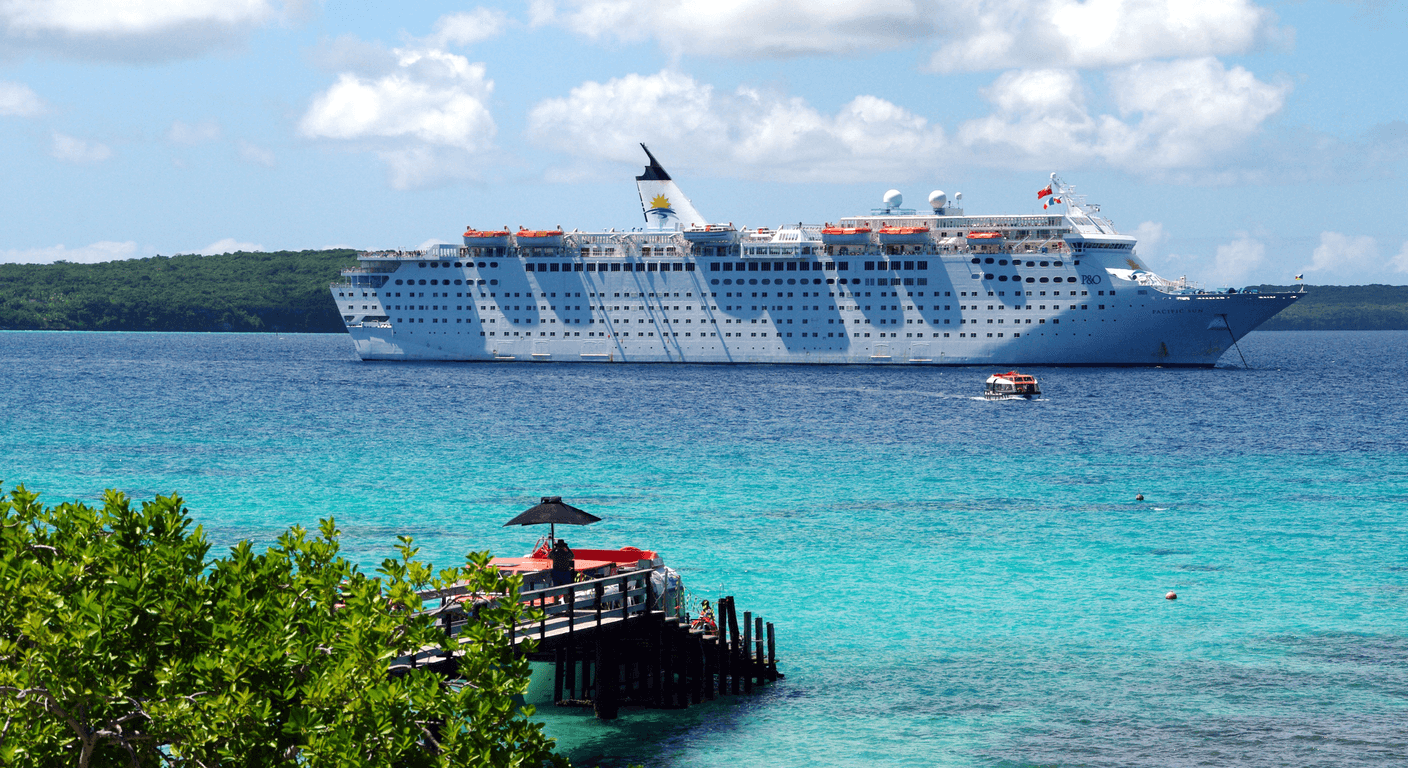
The vessels typically used on PNG itineraries carry between 50 and 120 passengers, which keeps landings intimate and means you're not queuing behind 2,000 other people to board a tender. Australian operators Coral Expeditions and Aurora Expeditions both run purpose-built or purpose-configured ships with expedition leaders, cultural guides, and naturalists aboard. Itineraries vary — some focus on PNG's north coast and islands, others combine Rabaul and the Sepik in a single voyage. Confirm the exact routing before booking, because 'PNG cruise' can mean many different things.
Rabaul: Sailing Into a Submerged Caldera
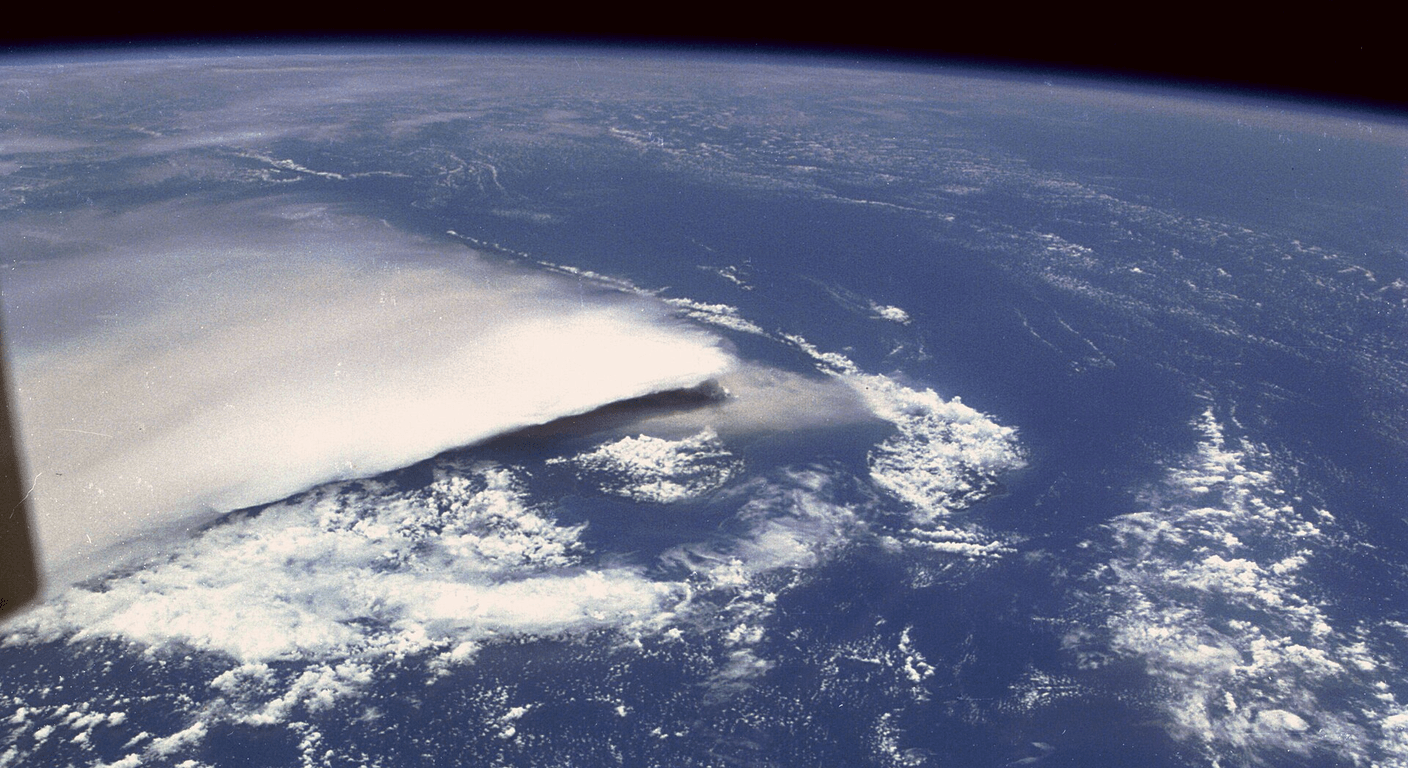
The approach to Rabaul by sea is one of those moments that earns its reputation without needing embellishment. The harbour is itself a caldera — a vast volcanic crater that the sea has filled — and as your ship moves through it, the cones of Tavurvur and Vulcan rise from the surrounding ridgeline, one of them typically trailing a thin plume of smoke or ash. Tavurvur last erupted destructively in 1994, burying much of the old town under metres of ash. The town rebuilt, partially, to the west. What remains of the original Rabaul is a kind of accidental archaeology: colonial-era buildings half-submerged in hardened ash, a clock tower still reading the time it stopped.
The historical layer here runs deep. Rabaul was the administrative capital of German New Guinea before World War One, then passed to Australian administration after the war. During World War Two it became a major Japanese base, and the surrounding hills are riddled with tunnels the Japanese military dug by hand — some now open for exploration, others sealed. The Rabaul Museum and the nearby war tunnels give context that a shore excursion alone won't fully provide; your ship's expedition leader briefing the night before a landing is genuinely worth attending.
Ashore, the terrain is uneven — volcanic rock, ash-compacted paths, and the odd rogue root across a track. Most of the key sites are accessible to travellers with reasonable mobility, but anyone with significant knee or hip issues should discuss the landings with the ship's staff before committing to a full day ashore. The heat at midday is serious; the ash-grey landscape reflects it. Landings tend to be scheduled for early morning for good reason. A wide-brimmed hat, sun shirt, and a litre of water in hand before you step off the tender are not optional.
The Sepik River: What to Expect Before You Arrive
The Sepik is one of the great rivers of the Pacific — around 1,100 kilometres long, draining a vast lowland basin, and home to dozens of distinct cultural groups whose artistic traditions are among the most recognised in Melanesia. The carved spirit houses, known as haus tambaran, are the image most associated with the Sepik: towering structures with elaborately painted facades, housing sacred objects and serving as the ceremonial centre of village life. Seeing one in a museum is a reasonable experience. Standing inside one, in the village where it was built, while an elder explains its meaning through a ship's cultural interpreter, is a different matter entirely.
The river itself is a working waterway, brown with silt, fringed with sago palms and tall grass. The ship anchors where depth allows — sometimes at the river's mouth, sometimes further upstream depending on the season and water levels — and village visits happen by tender or inflatable dinghy. The paths between the river's edge and the spirit house are often muddy, narrow, and uneven. This is honest information, not a deterrent: the visit is absolutely manageable for most travellers with reasonable mobility, but it's not a paved esplanade. Sandals that can get wet and dirty are more practical than good walking shoes.
Village visits on the Sepik work best when they're genuinely reciprocal. The communities hosting expedition ships have negotiated arrangements with operators, and the exchange — modest fees, craft purchases, cultural exchange — matters to them economically. Bring some cash in small denominations (PNG Kina, not Australian dollars) if you'd like to buy carvings or weavings directly. The quality of Sepik woodcarving is exceptional, and a small piece bought directly from the carver is a more meaningful souvenir than almost anything available elsewhere. Your ship's expedition team will advise on current protocols.
Heat, Humidity, and Pacing Yourself Honestly
PNG's climate is tropical, and no amount of careful scheduling entirely removes the heat from the equation. Even in the May-to-October dry season — the recommended window — daytime temperatures in Rabaul and along the Sepik regularly sit between 28 and 34 degrees Celsius, with humidity to match. The ship's air-conditioning becomes more than a comfort feature; it's where you recover between landings. Experienced travellers in this region treat the midday hours aboard ship as non-negotiable rest time, not wasted time.
For travellers managing cardiovascular conditions, heat-related fatigue is a real consideration. Drink water consistently, not reactively. A lightweight long-sleeved sun shirt is cooler than a short-sleeved shirt with sunscreen that needs reapplying every two hours. If you take medications that affect heat tolerance or sun sensitivity — certain blood pressure drugs, diuretics, antihistamines — discuss the itinerary conditions with your GP well before departure. This isn't alarmism; it's the same conversation you'd have before a walking holiday in Tuscany in August.
The ship's medical officer can advise onboard, but pre-departure preparation is the more useful conversation. Malaria prophylaxis is generally recommended for PNG, including the Sepik River region — confirm the current recommendation with your travel medicine clinic or GP, as guidelines can change. Mosquito repellent with DEET, long sleeves at dusk, and a good net if you're sleeping in any shore accommodation are standard. Most cabins aboard expedition ships are sealed and air-conditioned, so the risk aboard is low; it's the shore time that matters.
Safety, Smartraveller, and Travel Insurance
PNG carries a 'Exercise a high degree of caution' advisory on smartraveller.gov.au for most of the country, with some areas rated higher. This is not a reason to dismiss the destination, but it is a reason to read the advice carefully, understand which specific regions your itinerary covers, and check for updates in the months before departure. The advisory is nuanced — Rabaul and the Sepik are different environments from Port Moresby, which carries the bulk of the urban safety concerns. Your operator's expedition team will have current, specific knowledge of the areas you're visiting.
Travel insurance for PNG deserves more than a quick price comparison. The key questions: does the policy cover medical evacuation from a remote location? Does it cover pre-existing conditions, and under what terms? What is the insurer's process for authorising an evacuation? These are not hypothetical questions in a region where the nearest major hospital is hours away by air. Insurers such as Cover-More and Allianz Travel offer policies with medical evacuation provisions, but read the product disclosure statement carefully and declare all pre-existing conditions. An uncovered claim in PNG is a serious financial event.
Register your trip with smartraveller.gov.au before departure — it's free, takes ten minutes, and means Australian consular staff can contact you in an emergency. The Australian High Commission in Port Moresby is the relevant contact for PNG; your operator will have emergency protocols as well, and asking them directly about their emergency evacuation procedures before you book is entirely reasonable. A good operator will answer the question without hesitation.
Getting There: The Realities of Flying to PNG from Australia
Most PNG-bound travellers fly from Sydney, Brisbane, or Cairns to Port Moresby's Jacksons International Airport, with Air Niugini and Qantas operating the main routes. Flight time from Sydney is roughly four to five hours — not a gruelling journey, but Port Moresby itself warrants care. Most expedition itineraries have you connect from Port Moresby to Rabaul (Tokua Airport) by domestic Air Niugini flight, or embark directly in Port Moresby. A night in Port Moresby before embarkation is common; your operator will typically recommend or arrange accommodation in a secure hotel.
Domestic aviation in PNG operates differently from Australia's. Schedules can shift, and weather-related delays are not unusual. Build in flexibility around your embarkation date — arriving the day before the ship departs is the minimum; two days is more comfortable. This is standard expedition cruise advice anywhere with complex logistics, and PNG applies it more firmly than most. Your operator will have handled this itinerary many times and will have clear guidance on transfer arrangements.
Visas for Australian citizens: PNG has offered visa-on-arrival arrangements for Australians, but visa rules can change. Confirm the current entry requirements directly with the Papua New Guinea Immigration and Citizenship Authority or your operator well before travel — do not rely on secondhand information or forum posts from previous years. Your operator will almost certainly have current, verified information as part of their pre-departure documentation.
Choosing the Right Itinerary and Operator
Not all PNG cruise itineraries include both Rabaul and the Sepik — some focus on one region, others combine both with stops along the Bismarck Sea coast, the Trobriand Islands, or the south coast. The combination of Rabaul and the Sepik in a single voyage is genuinely the more rewarding option if time and budget allow; the two destinations offer a geological spectacle and a cultural immersion that sit very differently in the memory and complement each other well. A voyage that covers both typically runs 12–14 nights.
When evaluating operators, ask specific questions: How many passengers does the ship carry? What is the ratio of expedition staff to passengers? Is there a doctor or nurse onboard? What is the tender and dinghy boarding process — is there a lift or a step-over? What are the cabin configurations for solo travellers, and what is the single supplement? Solo female travellers will find that the small-ship expedition community tends to be collegial and self-selecting — the kind of people who choose this type of travel are generally easy company — but asking the operator about the typical passenger profile is a fair question.
Coral Expeditions, an Australian-owned operator based in Cairns, has run PNG itineraries for decades and knows the region well. Aurora Expeditions, also Australian, brings a strong expedition ethos from its Antarctic programmes to its Pacific sailings. Both are worth comparing. Read the detailed day-by-day itinerary, not just the headline description, and look at the ship's deck plan to understand cabin sizes and accessibility features. This is a significant investment of time and money; the research before booking is part of the experience.
Quick planning guide
| Ideal pace | Slow, expedition-style with built-in rest between shore landings |
|---|---|
| Best months | May to October (dry season, drier conditions and better river levels) |
| Suggested stay | 12–14 nights for a combined Rabaul and Sepik voyage |
| Mobility level | Moderate — uneven volcanic ground and muddy, narrow riverbank paths, manageable for those with reasonable mobility |
| Cost level | Premium — small-ship expedition cruising sits at the high end of the market |
| Comfort level | High onboard (air-conditioning, consistent meals, onboard doctor); basic and rustic ashore |
| Best for | Travellers over 50 wanting remote cultural and geological experiences beyond resorts or day tours |
| Main planning consideration | Confirm the itinerary actually covers both Rabaul and the Sepik, and ensure travel insurance covers remote medical evacuation and pre-existing conditions |
Key takeaways
- Rabaul's harbour is a submerged volcanic caldera — the approach by ship is the definitive way to see it.
- Sepik River spirit houses are accessible only by tender and dinghy; paths ashore are muddy and uneven, but manageable for most travellers with reasonable mobility.
- May to October is the recommended travel window — drier, cooler, and better river conditions.
- Check smartraveller.gov.au for current PNG travel advice and register your trip before departure.
- Travel insurance must cover remote medical evacuation and pre-existing conditions — read the product disclosure statement, not just the price.
- Malaria prophylaxis is generally recommended for PNG including the Sepik; confirm the current recommendation with your GP or travel medicine clinic before travel.
Recommended partners and links
Indicative prices only — always confirm with the operator before booking.
Frequently asked questions
Is Papua New Guinea safe for Australian travellers over 50?
The Australian Government's smartraveller.gov.au advises travellers to exercise a high degree of caution in most of PNG. Rabaul and the Sepik River are generally lower-risk than Port Moresby, and small-ship expedition operators have established safety protocols and local knowledge. Check the current advisory at smartraveller.gov.au before booking and again before departure, register your trip online, and choose an operator with a clear emergency evacuation procedure.
Do I need a visa to visit PNG as an Australian citizen?
Australian citizens have been able to obtain a visa on arrival for PNG, but entry requirements can change. Confirm the current visa rules directly with the Papua New Guinea Immigration and Citizenship Authority or your cruise operator before travel — do not rely on outdated sources.
What level of fitness do I need for a Rabaul and Sepik River cruise?
A moderate level of mobility is realistic. Boarding tenders and dinghies requires stepping over a low gunwale with assistance available; paths in Rabaul involve uneven volcanic rock and ash-compacted ground; Sepik village paths can be muddy and narrow. Travellers who walk comfortably for 30–60 minutes on uneven ground and can manage steps without handrails will cope well. Those with significant hip, knee, or balance issues should discuss specific landings with the operator before booking.
What is the best time of year to cruise Rabaul and the Sepik River?
May to October is the recommended window. This is PNG's drier season, with lower humidity, reduced rainfall, and generally calmer conditions on the Sepik. The wet season (November to April) brings heavier rain, higher river levels, and more difficult landing conditions, and is not recommended for this type of itinerary.
How much does a PNG small-ship expedition cruise cost from Australia?
Small-ship expedition cruising in PNG is a premium category. Indicative fares run from roughly AUD 12,000 to 20,000 or more per person for a 10–14 night voyage, depending on the operator, ship, cabin category, and inclusions. Solo travellers should ask specifically about single supplement policies, as these vary significantly between operators. Confirm current pricing directly with the operator — these are indicative figures only.