The Quarantine Station at North Head operated from 1835 to 1984, detaining ship passengers before they could enter Sydney, and rewards at least half a day of unhurried exploration. Reached most pleasantly via the 30-minute Manly Ferry from Circular Quay then a local bus, the site's defining highlight is its sandstone inscriptions, carved by detainees in multiple languages. The sloping, uneven headland makes it a moderate-mobility visit, though shuttle assistance is available for those who need it.
What exactly is the Quarantine Station — and why does it matter?
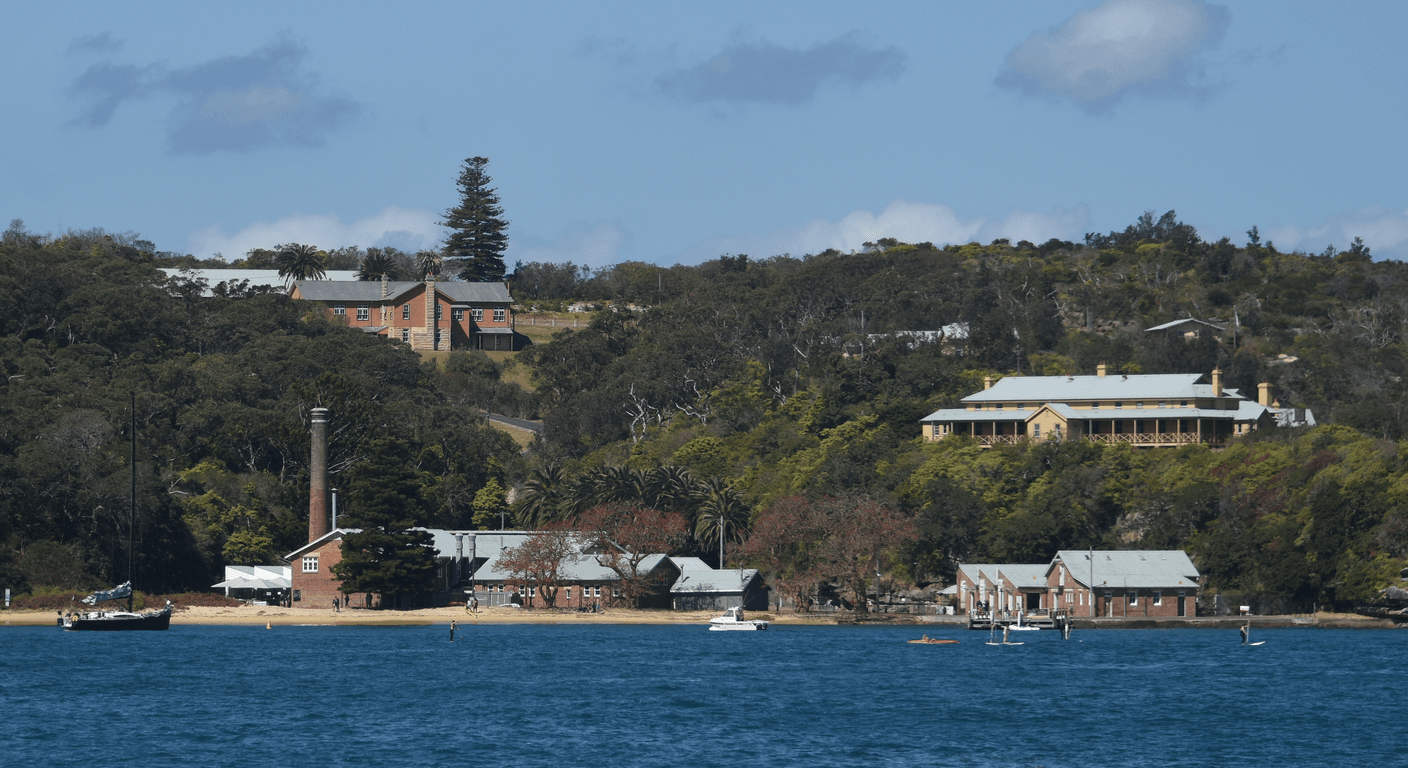
Between 1835 and 1984, the Quarantine Station at North Head was the last stop before Sydney for any vessel carrying infectious disease. Ships bearing smallpox, cholera, typhoid, influenza — and the people unlucky enough to be aboard — were diverted into Spring Cove before they could reach the main harbour. Passengers and crew were landed, sorted, and held. Some recovered and walked into the city. Some did not walk anywhere again.
What makes North Head unusual is the sheer density of what has been preserved. The wharf precinct, the shower and disinfection blocks, the hospital wards, the first- and third-class accommodation buildings (the class system followed passengers even into quarantine), the cemetery — it's all here, on a headland that also happens to sit inside Sydney Harbour National Park. The site was added to the Australian National Heritage List in 2011, recognising its significance not just as architecture but as a place where the story of who was allowed to become Australian was literally decided.
For a solo traveller with an interest in how nations are actually built — the bureaucratic, the medical, the human — this is a more honest and affecting site than many of Sydney's better-known attractions. The sandstone inscriptions alone, scratched by detainees in multiple languages, are worth the journey.
How do the guided tours work, and which one suits you?
Q Station, the organisation that manages the site, runs several tour formats. The daytime history tours are the natural starting point and suit most visitors — they're typically 90 minutes to two hours, led by guides who know the difference between what's documented and what's embellished, and they cover the key precincts: the wharf, the shower block, the hospital buildings, the inscriptions. Group sizes are kept manageable. Confirm current tour times and pricing directly with Q Station before booking, as schedules vary by season.
Ghost tours run in the evenings and have earned a genuine reputation — not because the site is theatrical about the supernatural, but because the history is genuinely unsettling when encountered in the dark. They're a longer commitment, typically starting after 7pm and running two hours or more, and they require navigating the site at night. For a solo traveller who's comfortable on his feet and doesn't mind a late finish, they offer a different register entirely. That said, the daytime tour delivers the history without the late-night logistics, and there's a strong argument for seeing the sandstone inscriptions in proper light.
Booking in advance is sensible, particularly for weekends and school holiday periods. Q Station also offers self-guided exploration of parts of the site, and there's accommodation on the grounds — historic cottages and rooms — if the idea of staying overnight on a headland with 150 years of quarantine history appeals. It's the kind of thing that sounds slightly odd until you're there watching the harbour lights.
The site itself: what to expect on the ground
North Head is not flat. The Quarantine Station occupies a sloping sandstone headland, and moving between precincts involves some gradient. The paths are generally firm and well-maintained, but uneven sandstone surfaces appear throughout. Shuttle assistance is available on site — confirm this when booking, and mention any mobility considerations at that point. Q Station's staff are experienced with visitors who need a slower pace or some logistical help; this is not a site that rewards rushing in any case.
The wharf precinct at the bottom of the slope is where the ships came in, and standing there it's not difficult to imagine the scale of what happened: thousands of people, over a century and a half, stepping off vessels into an uncertain holding pattern. The precinct includes a café — the Boilerhouse — which serves food and coffee in a converted historic building. It's a decent spot for lunch or a mid-tour break, and the setting is genuinely arresting.
The sandstone inscriptions deserve unhurried time. They're found on various building surfaces across the site, and they range from names and dates to longer messages in Italian, Greek, Arabic, Chinese, English and other languages. People carved them when they had nothing else to do and no certainty about the future. They are the most direct form of primary source material most visitors will ever encounter, and they have a weight that no interpretive panel can fully convey.
Getting there from Manly — and from the rest of Sydney
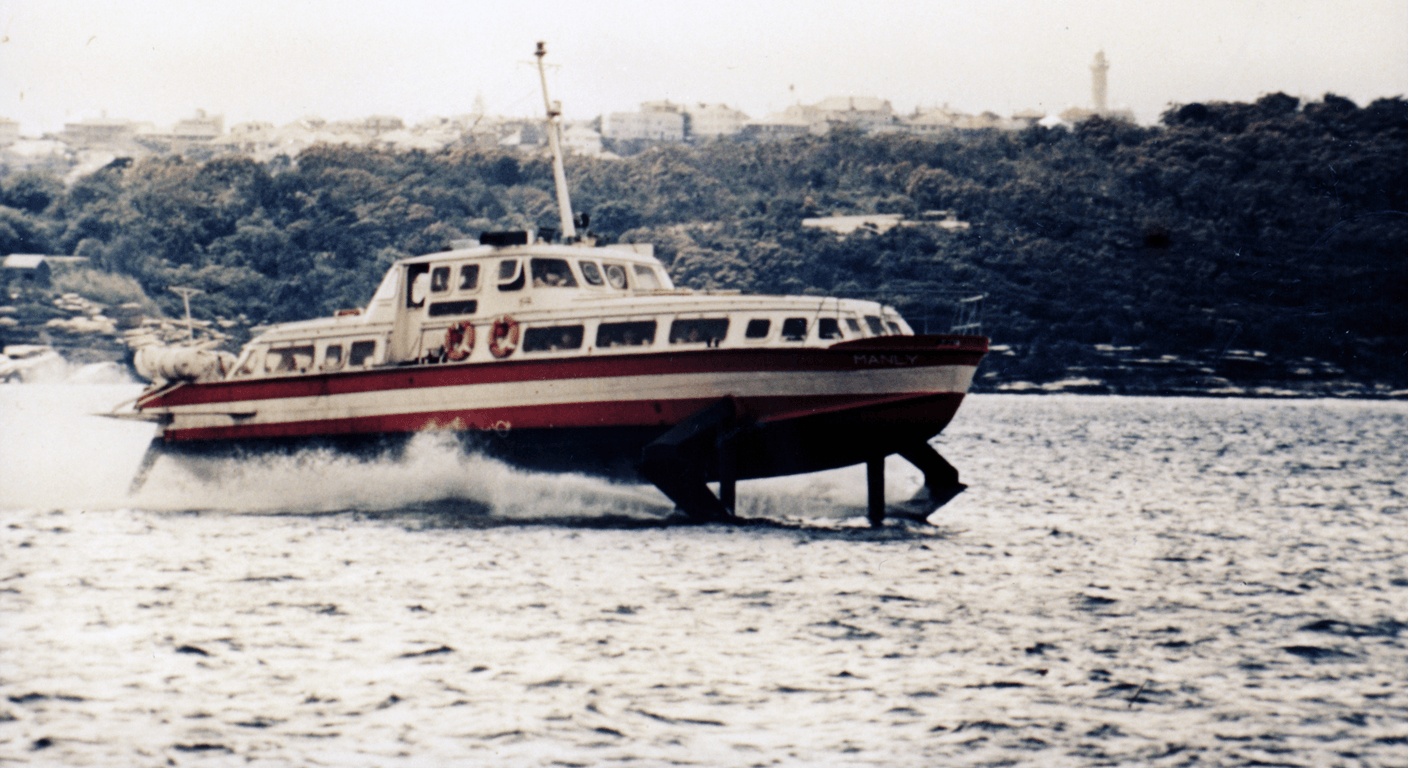
North Head sits at the southern tip of the Northern Beaches peninsula, and Manly is the practical staging post. From the city, the Manly Ferry from Circular Quay is the most agreeable approach — the 30-minute crossing gives you the harbour in full, and it's a pleasant way to begin a day that's going to involve a lot of contemplation. From Manly Wharf, bus services run to North Head; confirm current route numbers and timetables with Transport for NSW at transportnsw.info, as these can change. Q Station can also advise on the best stop.
The drive from central Sydney takes around 40 minutes without traffic, though parking near the site is limited. For a solo traveller arriving from Melbourne or interstate, the most straightforward approach is to base yourself in the city or in Manly for a night or two and treat North Head as a focused day out. Manly itself offers decent accommodation options at various price points, and the foreshore is a reasonable place to decompress after an afternoon at a quarantine station.
Allow a full morning at minimum — the ferry crossing each way, the bus, the tour and time to wander the site properly will fill a day without any difficulty. If the ghost tour is the plan, an afternoon ferry crossing and dinner in Manly before heading to North Head makes for a well-structured evening.
The stories behind the inscriptions — what the history actually tells us
The Quarantine Station detained people from virtually every wave of Australian immigration. Gold rush arrivals in the 1850s, assisted migrants from Britain and Ireland, postwar European migrants — Italians, Greeks, Maltese, Central Europeans — and later arrivals from across Asia. The class-based separation of the facilities is one of the more confronting aspects of the site's history: first-class passengers were housed in comparative comfort; third-class passengers were not. The disease didn't distinguish, but the administration certainly did.
The 1918–19 influenza pandemic brought the station to its most intense period of use in the twentieth century. Ships arriving from overseas were held as the pandemic swept the world, and the Station became a genuine front line. Later, in the postwar decades, the site processed migrants arriving under the assisted passage schemes — people who had sold everything and crossed the world in hope, then found themselves waiting on a sandstone headland while their health was assessed. The guides are good on this material, and the best of them understand that these are not abstract statistics.
For a visitor in his late sixties, some of this history will have a particular resonance. The postwar migration era is within living memory. The people detained here in the 1950s and 1960s were of the same generation — and the sandstone inscriptions they left are a direct line between that time and this one.
Practical considerations for a comfortable visit
Wear comfortable, closed-toe shoes with some grip — the sandstone surfaces can be slippery after rain, and the sloping paths benefit from footwear that's doing its job. A light layer is worth carrying; the headland catches the harbour breeze, and even a warm Sydney day can feel cooler at North Head than in the city. Sun protection is standard for any outdoor Sydney visit.
The Boilerhouse Café at the wharf precinct is the on-site option for food and coffee, and it's a genuine asset rather than an afterthought. For daytime tour visitors, timing a break there mid-tour or after makes sense. The site has toilet facilities at various points — confirm locations with your guide at the start of the tour.
Travel insurance is worth a mention for anyone visiting from interstate or overseas: standard advice applies, and if you hold a policy with pre-existing condition clauses, check the terms before travel. For a day trip from Melbourne, this is obviously less of a consideration than for international travel, but it's worth having coverage in place regardless.
Is the ghost tour worth it for a solo traveller?
The honest answer is: it depends on what you want from the evening. The Q Station ghost tours are not cheesy theatrical experiences — the site's actual history generates more unease than any production designer could manufacture. The guides are knowledgeable, the groups are reasonably small, and the experience of moving through the hospital buildings and shower blocks in the dark is genuinely different from the daytime visit. If you're comfortable on your feet after dark and don't mind a late finish, it's a worthwhile experience.
For a solo traveller, the group format of the ghost tour is actually an advantage — you're not navigating the site alone, and the shared experience of a group moving through a historically charged space in the dark has its own social dimension. People talk to each other on ghost tours in a way they sometimes don't on daytime visits. That's not nothing when you're travelling solo.
The practical note is the late finish. Check transport options from North Head back to Manly and then into the city at the time your tour ends — confirm with Q Station and Transport for NSW. If public transport is thin at that hour, a rideshare back to Manly is a reasonable contingency. Factor that into the evening's planning rather than discovering it at 10pm on a Wednesday.
Quick planning guide
| Ideal pace | Slow and unhurried, with time to read inscriptions |
|---|---|
| Best months | Comfortable year-round, though the headland catches the harbour breeze |
| Suggested stay | Half a day minimum for the daytime tour; a full day if pairing with the evening ghost tour |
| Mobility level | Moderate – sloping sandstone paths and uneven surfaces, with shuttle assistance available on request |
| Cost level | Mid-range – daytime tours indicatively around $35–$55 per person |
| Comfort level | Casual and practical; closed-toe shoes with grip and a light layer recommended |
| Best for | Solo travellers with an interest in immigration and social history |
| Main planning consideration | Book tours ahead and confirm transport timetables from Manly with Q Station, especially for the late-finishing ghost tour |
Key takeaways
- The Quarantine Station at North Head operated from 1835 to 1984, detaining passengers from ships carrying infectious disease before they could enter Sydney.
- Guided history tours run during the day and suit most visitors; ghost tours operate in the evenings and require comfortable footing after dark.
- Shuttle assistance is available on the sloping sandstone site — confirm when booking if mobility is a consideration.
- The sandstone inscriptions carved by detainees in multiple languages are among the most direct and affecting primary sources on Australia's immigration history.
- The site is accessible by bus from Manly Wharf; the Manly Ferry from Circular Quay is the most pleasant way to begin the journey from central Sydney.
- Daytime tour prices are indicatively around $35–$55 per person — confirm current pricing and tour schedules directly with Q Station before booking.
Recommended partners and links
Indicative prices only — always confirm with the operator before booking.
Frequently asked questions
How do I get to the Quarantine Station at North Head from Sydney city?
The most pleasant route is the Manly Ferry from Circular Quay (around 30 minutes), then a bus from Manly Wharf to North Head. Confirm current bus route numbers and timetables with Transport for NSW at transportnsw.info before you go, as services can change. Driving takes around 40 minutes from the city, but parking near the site is limited.
Is the Quarantine Station accessible for visitors with limited mobility?
The site is rated Moderate for mobility — it occupies a sloping sandstone headland with uneven surfaces in places. Shuttle assistance is available on site to help visitors move between precincts. Mention any mobility requirements when booking your tour so the team can advise and make arrangements.
What is the difference between the daytime history tour and the ghost tour?
The daytime history tour covers the site's documented history — the wharf, hospital buildings, disinfection blocks and sandstone inscriptions — in daylight, typically running 90 minutes to two hours. The ghost tour operates after dark, focuses on the more haunting aspects of the site's past, and runs for two hours or more. Both are guided; the ghost tour requires comfortable footing after dark and involves a later finish. Confirm current times and pricing with Q Station.
What are the sandstone inscriptions at the Quarantine Station?
The sandstone inscriptions are messages, names and dates carved into building surfaces by people detained at the station over more than a century. They appear in multiple languages including Italian, Greek, Arabic, Chinese and English, and they represent one of the most direct surviving records of the human experience of quarantine and immigration in Australia. They are found across the site and are highlighted on guided tours.
How much do Quarantine Station tours cost?
Daytime history tours are indicatively priced around $35–$55 per person, and ghost tours are priced separately. These figures are indicative only — confirm current pricing directly with Q Station at qstation.com.au before booking, as prices can change.