South Australia's River Murray Dark Sky Reserve, Australia's first International Dark Sky Reserve, is centred on Mannum, about 90 minutes' drive from Adelaide. April to October brings the longest, clearest nights, especially around the new moon, when the Milky Way arcs visibly overhead. A two- to three-night stay suits most visitors, with flat terrain and riverside caravan parks or motels. There's no direct public transport, so self-drive or a guided tour from Adelaide is the only practical way in.
What exactly is the River Murray Dark Sky Reserve?
In 2019, the International Dark-Sky Association awarded the River Murray region around Mannum its International Dark Sky Reserve designation — the first in Australia. The reserve covers approximately 3,200 square kilometres of the Mid Murray, where local councils and landholders have worked to reduce light pollution and preserve what is, on a moonless winter night, a genuinely extraordinary canopy of stars.
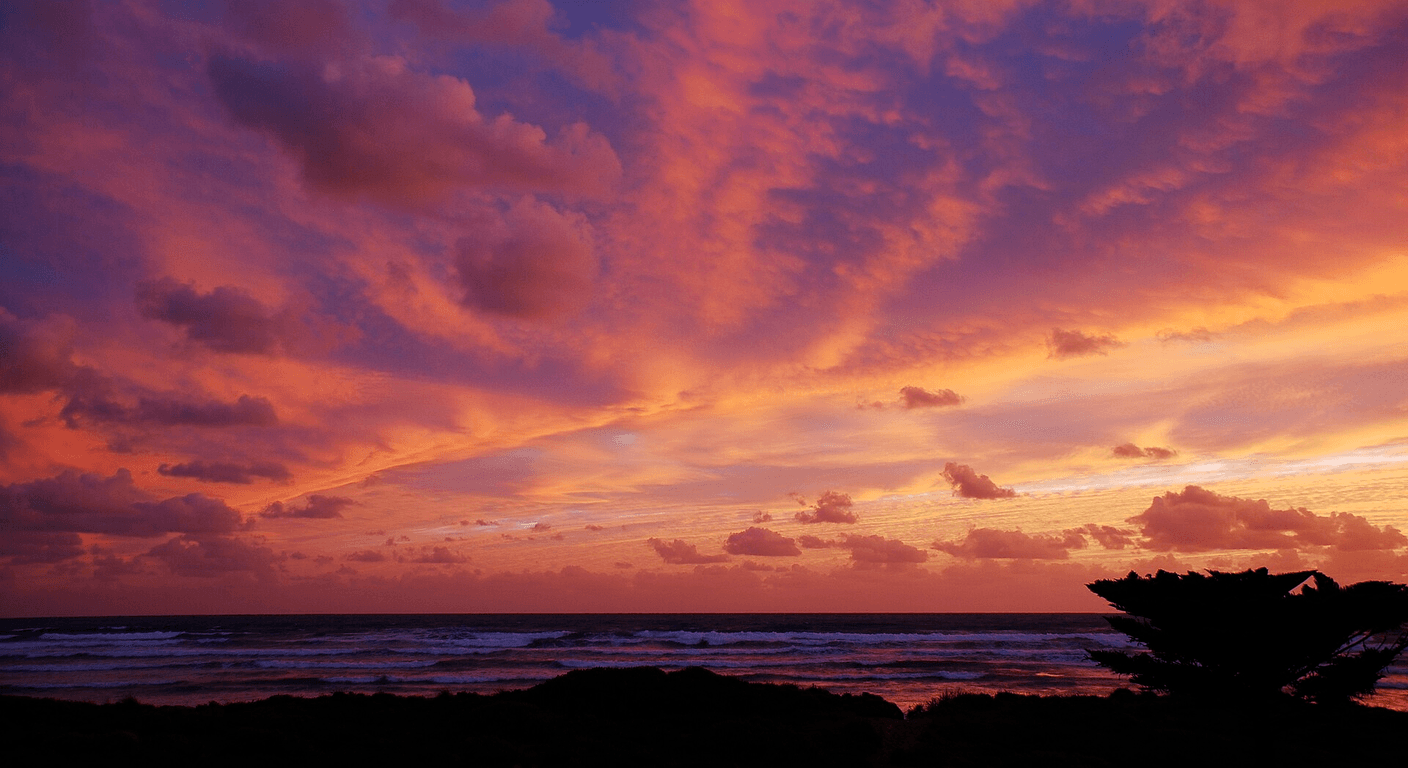
The designation isn't just a badge. It comes with ongoing obligations: shielded outdoor lighting in townships, community education, and a commitment to keeping the night environment as it is. That means the skies here are protected by policy, not just geography. For a traveller who has spent decades watching the Milky Way retreat behind suburban orange glow, standing on a Murray riverbank and seeing it arc overhead is quietly arresting.
The core of the reserve sits around Mannum, Cambrai, Bowhill, and the string of small towns along the river between them. None of these places feel remote in a demanding sense — they're working river communities with pubs, bakeries, and reliable mobile coverage. The darkness is the point of difference, not the isolation.
Getting there from Victoria: the practical reality
For a Victorian traveller, the most straightforward approach is to fly Adelaide and hire a car, or drive the whole way if you're already in a campervan or towing a van. Adelaide to Mannum is around 90 kilometres — roughly an hour to an hour and a quarter on the Princes Highway and then the Mannum Road, depending on where you stop. It's an easy, flat drive with no challenging terrain.
Flying Melbourne to Adelaide takes under two hours on multiple daily services. Rex, Qantas and Virgin all operate the route; confirm current schedules and fares before booking. Car hire from Adelaide Airport is straightforward, and the drive out through the Adelaide Hills is pleasant enough that it doesn't feel like a chore. If you're combining this with a broader South Australian trip — Barossa, Clare Valley, Fleurieu — Mannum fits naturally into a loop rather than a detour.
There is no direct public transport from Adelaide to Mannum. The town is served by regional coach connections, but for stargazing you need to be out in the dark after 9 or 10pm, which makes self-drive or a tour the only practical options. If you don't drive, look at guided stargazing tours departing Adelaide — a small number of operators run these; check the South Australian Tourism Commission site for current listings.
When to go for the darkest skies
The reserve's skies are accessible year-round, but April through October is the sweet spot. Nights are longer — you're not waiting until 10pm for true darkness the way you would in December — and the weather is generally settled and dry. South Australian winters along the Murray are cool rather than cold: overnight temperatures around Mannum in July sit somewhere between 5 and 12 degrees, so a decent jacket and a camp chair are the main equipment requirements.
Moon phase matters more than most travellers realise. A full moon washes out the fainter stars and the Milky Way almost entirely. Plan around the new moon — the four or five nights either side are prime. The Bureau of Meteorology publishes lunar calendars, and the Mid Murray Council website carries information on local events. Confirm any scheduled guided nights or community stargazing events directly with the council or local operators before you build your itinerary around them, as dates shift.
Summer visits aren't worthless — the nights are warmer and the river is beautiful — but the combination of shorter darkness and the risk of late-evening cloud reduces the reliability of a clear sky. If stargazing is the primary reason for the trip, winter is the honest choice.
Where to stay: riverside comfort without roughing it
This is emphatically not a wilderness expedition. Mannum has a well-regarded caravan park right on the river, with powered sites, amenities blocks, and the kind of flat, grassy terrain that suits a traveller who'd rather not negotiate a dark hillside at midnight. Indicative powered site rates run around $40–$55 per night, but confirm current pricing directly — costs have moved in recent years and vary by season.
If you prefer a roof over your head, Mannum has motel accommodation and self-contained river cabins. Some properties have open decks or lawn areas away from direct lighting, which is exactly what you want. It's worth asking when you book whether the property has any light-shielded outdoor areas — staff in the reserve generally understand the question. Budget roughly $100–$180 per night for a motel room or cabin (indicative; verify before booking).
The surrounding townships — Walker Flat, Bowhill, Sedan — are smaller and quieter still, with basic caravan facilities. For a solo traveller who values solitude and a genuinely dark sky rather than the social amenity of a larger park, these smaller spots are worth considering. The trade-off is fewer services and, in some cases, no powered sites. Do your research before committing.
What you'll actually see — and what to bring
On a clear, moonless night in the reserve, the Milky Way is visible to the naked eye as a distinct band across the sky. The Magellanic Clouds — the two small satellite galaxies of our own — are easy to find without any optical aid. Saturn, Jupiter, and Mars appear as steady, coloured points rather than the twinkling blur you get through suburban haze. It takes about 20 minutes for your eyes to fully dark-adapt after leaving a lit interior, so patience is part of the process.
Binoculars are more useful than most people expect. A decent pair — 10x50 is a practical size — will resolve star clusters like the Jewel Box and the Beehive, and bring the Orion Nebula into proper focus. A small refractor telescope is manageable if you're travelling by car, though it's not necessary for a first visit. Several local operators offer guided nights where equipment is provided; this is the smarter option if you want context and commentary without carrying gear.
Dress for the temperature, not the daytime forecast. River nights are cooler than the afternoon suggests, and sitting still for an hour in a camp chair in July means you'll want more layers than you think. A red-light torch (or a torch with a red-light mode) preserves your night vision while letting you move around safely. A reclining camp chair or a blanket on the grass makes looking straight up considerably more comfortable than craning your neck standing up.
Mannum by day: the town beyond the night sky
Mannum has a legitimate claim to being the birthplace of the Murray River paddle steamer era — the PS Marion, built in 1897, is moored here and open for inspection through the Mannum Dock Museum of River History. For a traveller with any interest in Australian colonial and industrial history, a couple of hours in the museum is genuinely rewarding. The town sits on a natural cliff above the river, and the views from the top are worth the short walk.
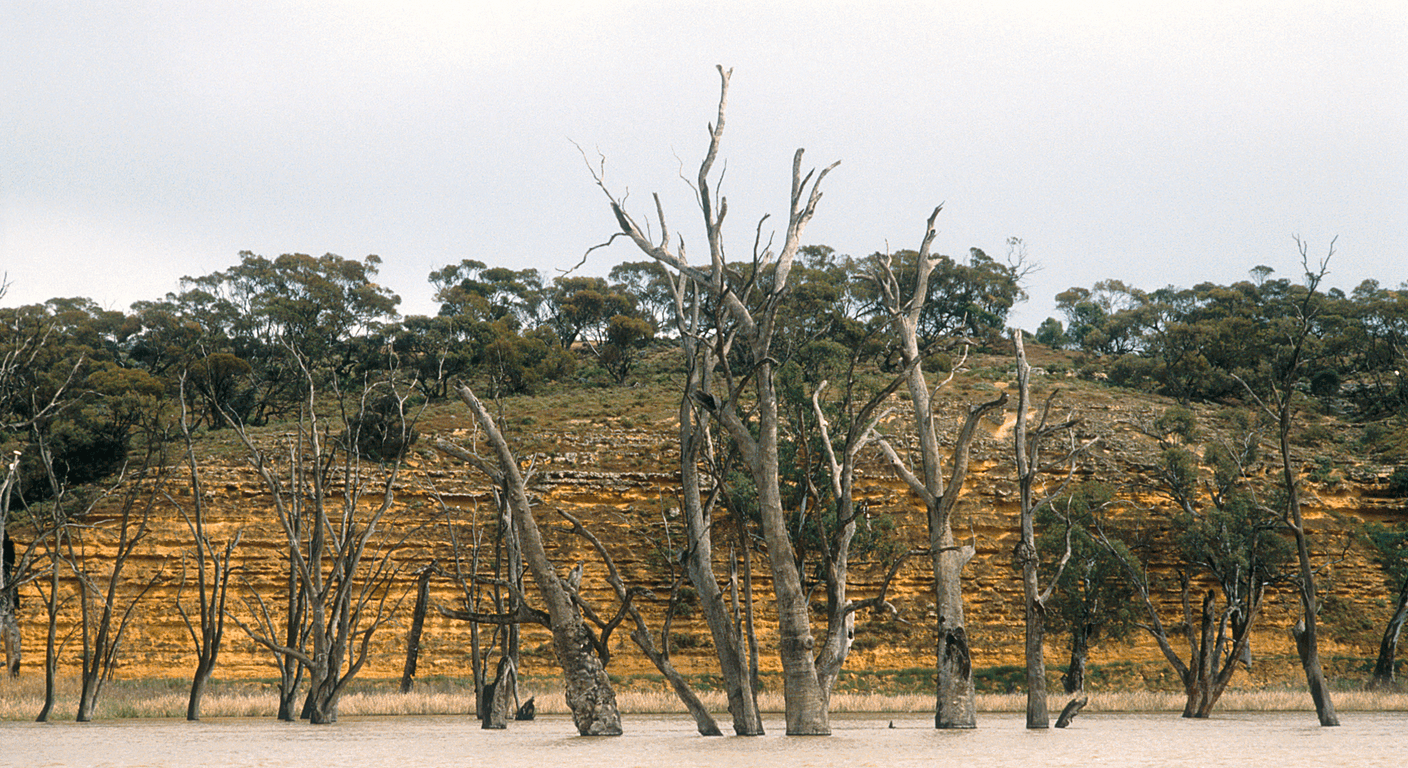
The main street is small but functional: a bakery, a pub, a general store, a café or two. It's a quiet country town with a strong sense of its own history, not a tourist precinct. That's part of the appeal. A solo traveller who's comfortable with his own company and a good book will find the pace exactly right. The river itself — wide, slow, lined with river red gums — is reason enough to sit beside it for an afternoon.
The ferry crossing at Mannum is free and operates on demand during daylight hours, connecting the two banks of the Murray. It's one of those small South Australian pleasures that costs nothing and takes five minutes. Worth doing simply because it's there.
Combining the reserve with a broader South Australian itinerary
The River Murray Dark Sky Reserve pairs well with a Barossa Valley visit — the two are roughly an hour apart by road, and a two or three-night itinerary covering both is easy to construct without feeling rushed. Adelaide Hills wineries and the small towns of the Murraylands fill out a week-long loop from Adelaide without requiring long daily drives. For a Victorian traveller who doesn't want to fly back the same day they leave the reserve, a night in the Hills on the way to the airport is a sensible buffer.
Grey nomads travelling by caravan or motorhome have obvious flexibility here: the Murray River corridor has no shortage of free or low-cost camping areas managed by the state government, and the dark sky reserve designation means that responsible dispersed camping in appropriate areas can yield remarkable skies. Check the Department for Environment and Water's South Australia website and WikiCamps for current site information — conditions and access change seasonally.
For travellers interested in combining a houseboat hire with a stargazing night, several operators on the Murray offer self-drive houseboat experiences. Mooring away from township lights and watching the sky from the deck of a houseboat is, by most accounts, one of the more memorable ways to experience the reserve. Confirm that your intended mooring location falls within the reserve boundaries and away from artificial light sources before booking.
Quick planning guide
| Ideal pace | Slow-paced, evening-focused |
|---|---|
| Best months | April to October, timed around the new moon |
| Suggested stay | 2-3 nights |
| Mobility level | Easy — flat terrain, no challenging walks |
| Cost level | Budget to mid-range (from ~$40 caravan sites to ~$100-180 motel rooms) |
| Comfort level | Comfortable riverside towns with pubs, cafes and mobile coverage — not a wilderness trip |
| Best for | Stargazers, grey nomads, solo travellers, history and river enthusiasts |
| Main planning consideration | No direct public transport from Adelaide — self-drive or a guided tour is essential, and clear moon-phase timing matters for dark skies |
Key takeaways
- The River Murray Dark Sky Reserve, accredited in 2019, is Australia's first International Dark Sky Reserve and covers roughly 3,200 square kilometres of South Australia's Mid Murray region.
- Mannum is the practical base: about 90 minutes from Adelaide by car, with riverside caravan parks and motel accommodation that doesn't require any camping experience.
- April to October offers the longest, clearest nights; plan around the new moon for the darkest skies and the best view of the Milky Way.
- Binoculars and a red-light torch are the most useful items to bring; a guided night with equipment provided is the easiest entry point for first-time stargazers.
- There is no direct public transport from Adelaide to Mannum, so self-drive or a guided tour from the city are the practical options.
- Always confirm current guided event dates and accommodation pricing directly with local operators and the Mid Murray Council before finalising your plans.
Recommended partners and links
Indicative prices only — always confirm with the operator before booking.
Frequently asked questions
Is the River Murray Dark Sky Reserve suitable for travellers over 50 with limited mobility?
Yes. The reserve's main viewing sites are riverside caravan parks and flat open ground — no hiking or rough terrain required. A reclining camp chair on a grassy riverbank is the typical setup. Most caravan parks in Mannum have sealed paths and accessible amenities. It rates as Easy for mobility.
Do you need a telescope to enjoy the River Murray Dark Sky Reserve?
No. On a clear, moonless night, the Milky Way and the Magellanic Clouds are visible to the naked eye. Binoculars significantly enhance the experience, but a telescope is not necessary for a first visit. Several local operators offer guided nights where equipment is provided.
What is the best time of year to visit for stargazing?
April to October is the most reliable period — nights are longer and the weather is generally dry and settled. Within that window, the four or five nights either side of the new moon give the darkest skies. Check the lunar calendar and local event listings before booking.
How far is Mannum from Adelaide, and can you get there without a car?
Mannum is roughly 90 kilometres from Adelaide — about an hour to an hour and a quarter by car. There is no direct public transport connection suitable for evening stargazing. Self-drive is the most practical option; some guided stargazing tours operate from Adelaide and include transport.
Are there organised stargazing events at the River Murray Dark Sky Reserve?
Yes, guided stargazing nights and community events are run periodically in the reserve. Dates and availability change, so confirm current event schedules directly with the Mid Murray Council or local operators before planning your visit around a specific event.