Rottnest Island (Wadjemup), a short ferry ride from Fremantle or Perth, suits over-50 travellers best on a mid-week visit in October, November, March or April, when crowds and bus queues are lighter. A single, unhurried day trip works well, built around the hop-on-hop-off bus rather than cycling. The defining highlight is swimming at The Basin, seeing quokkas up close and an hour in the Wadjemup Museum. Mobility is easy, with only two to three kilometres of walking, reached by a 30- to 90-minute ferry crossing.
Why Rottnest Without a Bike Makes Sense for Over-50 Travellers
Rottnest Island has spent decades being marketed as a cycling destination, and that framing tends to dominate the conversation. But the island — known by its Noongar name, Wadjemup — is around 11 kilometres long and has enough undulating ground, midday heat and exposed stretches to make a full cycling day genuinely tiring, particularly for travellers who are not regular riders or who have knee, hip or balance considerations. The hop-on-hop-off bus changes the equation entirely.
For a couple in their 60s or 70s, or a solo traveller who wants to set their own pace, the bus-and-beach approach actually lets you see more of the island with less fatigue. You can linger at The Basin for a proper swim, spend an hour at the Wadjemup Museum without watching the clock, and still have enough energy for a comfortable late lunch before the return ferry. That is a very different experience from arriving back at the jetty sunburnt and exhausted.
Travelling from Victoria to do this as a day trip is ambitious — you would typically base yourself in Fremantle or Perth for at least one night, which turns it into a short interstate break. That framing actually suits older travellers well: a night or two in Fremantle before the island crossing gives you time to adjust, explore the Fremantle markets, and choose a calm-weather day for the ferry rather than committing to a fixed date.
Getting There: Ferry Options, Seniors Discounts and the Crossing Itself
Two main ferry operators run services to Rottnest: Rottnest Express and SeaLink Rottnest Island. Both depart from Fremantle, and Rottnest Express also runs from Barrack Street Jetty in Perth and from Hillarys Boat Harbour, giving you flexibility depending on where you are staying. The crossing from Fremantle takes around 30 minutes; from Perth's Barrack Street it is closer to 90 minutes. For most over-50 travellers based in Fremantle, the shorter crossing is the more comfortable choice.
Both operators offer concession or senior rates. The exact discount and the proof of concession required — such as a Seniors Card, pension card or Medicare card — varies by operator and can change seasonally, so it is worth calling or checking the operator's website directly before booking. Indicatively, return fares for adults have sat in the range of around $85 to $110 depending on the operator, departure point and time of year, with concession rates typically offering a meaningful reduction. Always confirm current pricing before you commit.
The Bass Strait crossing this is not — the Rottnest ferry is a short, sheltered run — but on rough days the swell can make it uncomfortable for anyone prone to seasickness or with balance concerns. Checking the Bureau of Meteorology forecast (bom.gov.au) and choosing a calm-weather day is sensible advice. Seas of under one metre generally make for a smooth passage. Ferries run year-round, but services are most frequent from October through April, which is also when the island is at its busiest.
The Hop-On-Hop-Off Bus: How It Works and What to Expect
The island's hop-on-hop-off bus service is operated under the Rottnest Island Authority's visitor transport arrangements and runs a loop connecting the main settlement at Thomson Bay with key spots around the island, including The Basin, Geordie Bay, Longreach Bay and the lighthouse precinct. A day pass — indicatively around $20 to $25, though you should confirm the current price with the authority or at the visitor centre on arrival — gives you unlimited travel for the day.
Buses run at roughly 30-minute intervals on the main loop during peak periods, though frequency drops in quieter months. The visitor centre near the main jetty is the best first stop: staff there can give you the current timetable, point out any route changes and tell you which stops have the shortest walk to the beach. For travellers with limited mobility, it is worth asking specifically about step heights and whether any stops have uneven ground between the bus and the attraction.
One practical note: the bus fills up at popular stops, particularly on weekends and in January and February. Travelling mid-week in October, November, March or April gives you a noticeably quieter experience — shorter waits, easier boarding, and beaches that are pleasant rather than packed. For a couple who want to spend genuine time at two or three spots rather than rushing through five, the shoulder season is the better choice.
Swimming at The Basin: What Older Travellers Need to Know
The Basin is Rottnest's most sheltered swimming spot and the one most recommended for travellers who want calm, clear water without surf or strong currents. It sits on the northern side of the island, accessible from the main settlement on foot (a walk of around 1.5 kilometres on a paved path) or by bus. The water is famously clear and the sandy bottom is visible in the shallows.
The honest accessibility note here is the entry point. The Basin's most popular swimming area uses a fixed ladder to enter and exit the water from a jetty or rock ledge, rather than a gradual sandy beach entry. For travellers with knee or hip concerns, or those who are not confident swimmers, this ladder entry can be challenging — particularly when the ladder is wet. There is a sandy beach section at The Basin that allows a more gradual entry, and this is worth seeking out. Asking a staff member or checking the current signage on arrival will point you in the right direction.
Water shoes or reef shoes are useful here, as the rocky sections can be slippery. The water temperature in summer sits comfortably around 22 to 24 degrees Celsius, making it genuinely pleasant for a long swim. There are toilets and shade shelters at The Basin, which makes it a reasonable spot to spend two hours without feeling rushed. Snorkelling is possible with your own gear, and the fish life in the bay is a quiet delight.
Quokka Etiquette: How to Enjoy the Encounter Respectfully
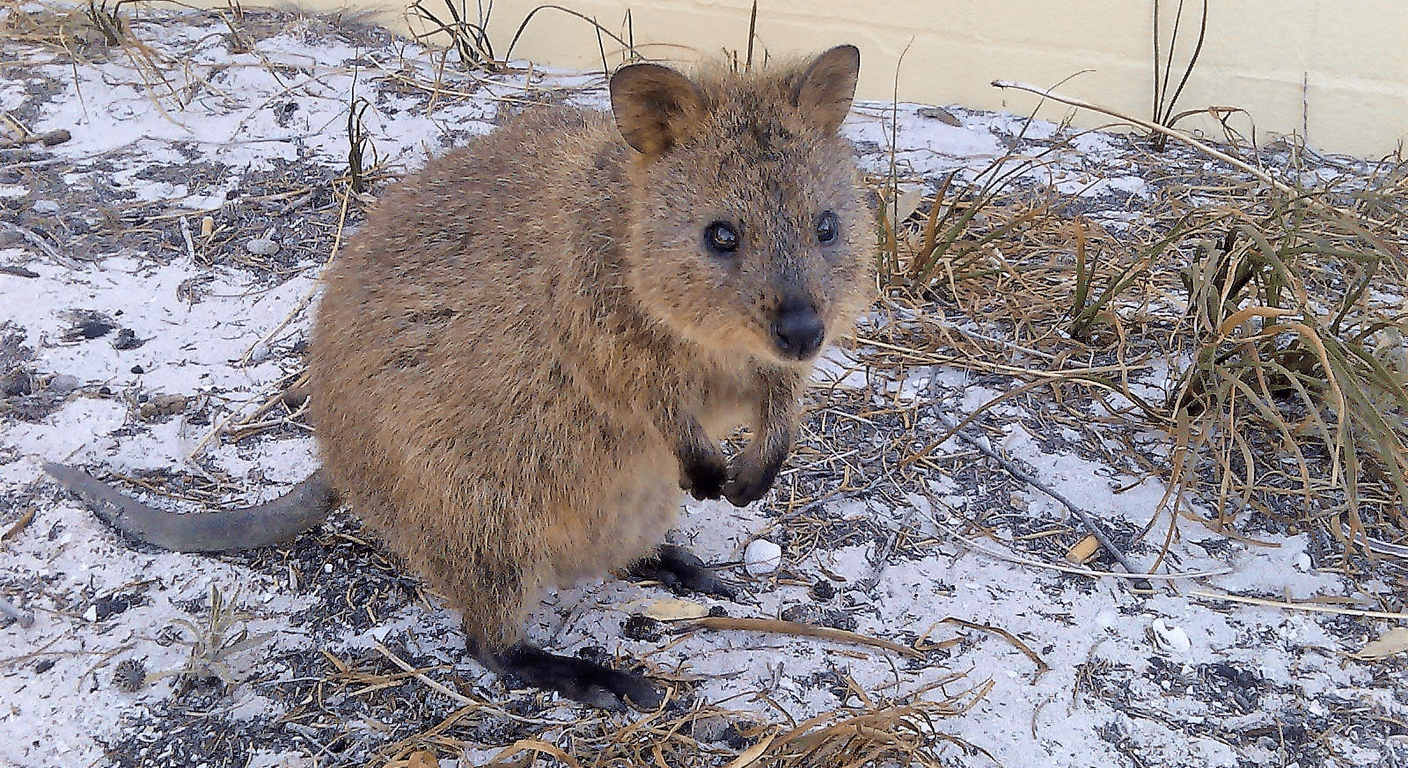
Quokkas are the island's most famous residents and they are genuinely charming — small, round-faced marsupials that have no fear of humans and will approach quite closely. The important thing to understand before you arrive is that touching them is illegal under Western Australian wildlife protection laws, and feeding them is also prohibited. Fines apply and they are not token amounts.
For photographs, the advice from wildlife rangers is to crouch low rather than tower over the animal, keep your distance of at least one metre, and let the quokka approach you rather than the other way around. A phone camera at low angle tends to produce a more natural image than reaching down with a device. Quokkas are most active in the cooler parts of the day — early morning and late afternoon — and tend to rest in the shade during the middle of the day, so do not be surprised if you see fewer of them between noon and 3pm.
The main settlement area around Thomson Bay and the visitor centre is where you are most likely to see quokkas in numbers. They also appear around Geordie Bay and at various bush edges near the bus stops. There is something genuinely lovely about sitting quietly on a bench and having one wander past, and that experience requires nothing more than patience and stillness — no selfie-stick required.
Wadjemup Museum: History Worth an Hour of Your Day
The Wadjemup Museum sits in the main settlement precinct and tells the island's complex history — including its significant and sobering role as a colonial prison for Noongar and other Aboriginal men from across Western Australia. This history is presented respectfully and directly, and it gives the island a depth that many visitors do not expect. For travellers who appreciate context and culture alongside scenery, the museum is genuinely worth an hour.
The building itself is one of the island's original colonial structures, and the exhibits cover the natural environment, the island's maritime history and the Aboriginal history of Wadjemup as a significant spiritual place. Entry is generally free or very low cost — confirm current arrangements with the island authority, as these details can change. The museum is flat-floored and accessible for most mobility levels, with seating available inside.
If you have a particular interest in Australian history or in Noongar culture, it is worth reading a little before you visit — the Rottnest Island Authority's website has background information, and the museum experience is richer when you arrive with some context. This is not a large or exhausting museum; it is the kind of place where you can move at your own pace and leave feeling like the day has had some genuine substance.
Pacing the Day: A Practical Timetable for a Relaxed Visit
A sensible structure for an over-50 bus-and-beach day on Rottnest starts with the earliest ferry you are comfortable catching — typically an 8am or 9am departure from Fremantle. Arriving early means you beat the mid-morning crowd at The Basin and have the pick of shady spots. Use the first 30 minutes at the visitor centre to collect the current bus timetable and orient yourself before heading to The Basin on the first or second bus.
Allow two hours at The Basin — time for a swim, a rest in the shade, and a slow walk back to the bus stop. From there, a mid-morning bus to the main settlement puts you back in Thomson Bay around noon, which is a good time to browse the Wadjemup Museum before the afternoon heat. Lunch at one of the cafes or the hotel in the settlement — the options are not extensive but they are adequate, and a cold drink in the shade is very welcome by this point.
An early-to-mid afternoon bus to Geordie Bay or Longreach Bay gives you a second, quieter beach stop, and a return to Thomson Bay by 3.30 or 4pm leaves comfortable time to collect any souvenirs, rest at the jetty and catch a late-afternoon ferry back to Fremantle. Return ferries typically run until early evening, but confirm the last departure time with your operator when you book. The whole day requires very little walking — perhaps two to three kilometres in total if you use the bus well — and that is a realistic, enjoyable pace.
Quick planning guide
| Ideal pace | Slow-paced, one full day |
|---|---|
| Best months | October, November, March and April, mid-week for the quietest experience |
| Suggested stay | A single day trip, ideally with a night or two in Fremantle beforehand |
| Mobility level | Easy — bus-based touring, roughly two to three kilometres of walking, though The Basin's main entry point uses a ladder |
| Cost level | Mid-range — return ferry around $85–$110, bus day pass around $20–$25, with senior/concession discounts available |
| Comfort level | Comfortable with planning; check ferry conditions and Basin entry points on arrival |
| Best for | Couples or small groups aged 60-plus wanting a relaxed, unrushed island day |
| Main planning consideration | Choosing a calm-weather day for the ferry crossing and confirming current senior discounts and timetables before booking |
Key takeaways
- The Rottnest Island hop-on-hop-off bus makes the island fully navigable for over-50 travellers without cycling.
- Senior and concession ferry discounts are available from both Rottnest Express and SeaLink — confirm current rates directly with each operator before booking.
- The Basin's popular entry point uses a ladder from a jetty; a sandy beach entry is also available and is easier for travellers with mobility considerations.
- Touching or feeding quokkas is illegal under Western Australian law — low-angle photography from one metre away is the right approach.
- The Wadjemup Museum offers an honest account of the island's Aboriginal and colonial history and is worth an hour of any visit.
- Travelling mid-week in October, November, March or April gives noticeably quieter beaches, easier bus boarding and a more relaxed overall experience.
Recommended partners and links
Indicative prices only — always confirm with the operator before booking.
Frequently asked questions
Do I need to be able to cycle to enjoy Rottnest Island?
No. The island's hop-on-hop-off bus service connects the main settlement with beaches, bays and key attractions across the island. A day bus pass — indicatively around $20 to $25, confirm current pricing with the Rottnest Island Authority — makes the island fully accessible without cycling. Most of the popular spots require only short, flat walks from the bus stops.
Are there seniors or concession discounts on the Rottnest Island ferry?
Yes. Both Rottnest Express and SeaLink Rottnest Island offer concession or senior fare rates. The discount amount and the proof of concession required varies by operator and can change, so it is best to check directly on the operator's website or by phone before booking. Indicative return adult fares have ranged from around $85 to $110 depending on the operator and departure point, with concession rates offering a meaningful reduction.
Is The Basin suitable for older swimmers or those with limited mobility?
The Basin is Rottnest's calmest, most sheltered swimming spot, with clear water and no surf. However, the most popular entry point uses a fixed ladder from a jetty or rock ledge, which can be difficult for travellers with knee or hip concerns, especially when wet. A sandy beach section at The Basin allows a more gradual entry and is the better option for those who need it. Ask at the visitor centre on arrival for the current layout.
Can I touch or hand-feed the quokkas on Rottnest?
No. Touching or feeding quokkas is prohibited under Western Australian wildlife law, and fines apply. The recommended approach is to stay at least one metre away, let the quokka approach you, and take photos from a low angle. Quokkas are most active in the early morning and late afternoon.
What is the best time of year for a calm ferry crossing and a quieter island experience?
The shoulder seasons — October to November and March to April — generally offer calmer seas, comfortable temperatures and noticeably fewer visitors than the January and February peak. Checking the Bureau of Meteorology forecast at bom.gov.au before you travel and choosing a day with seas under one metre will make for a much smoother crossing from Fremantle.