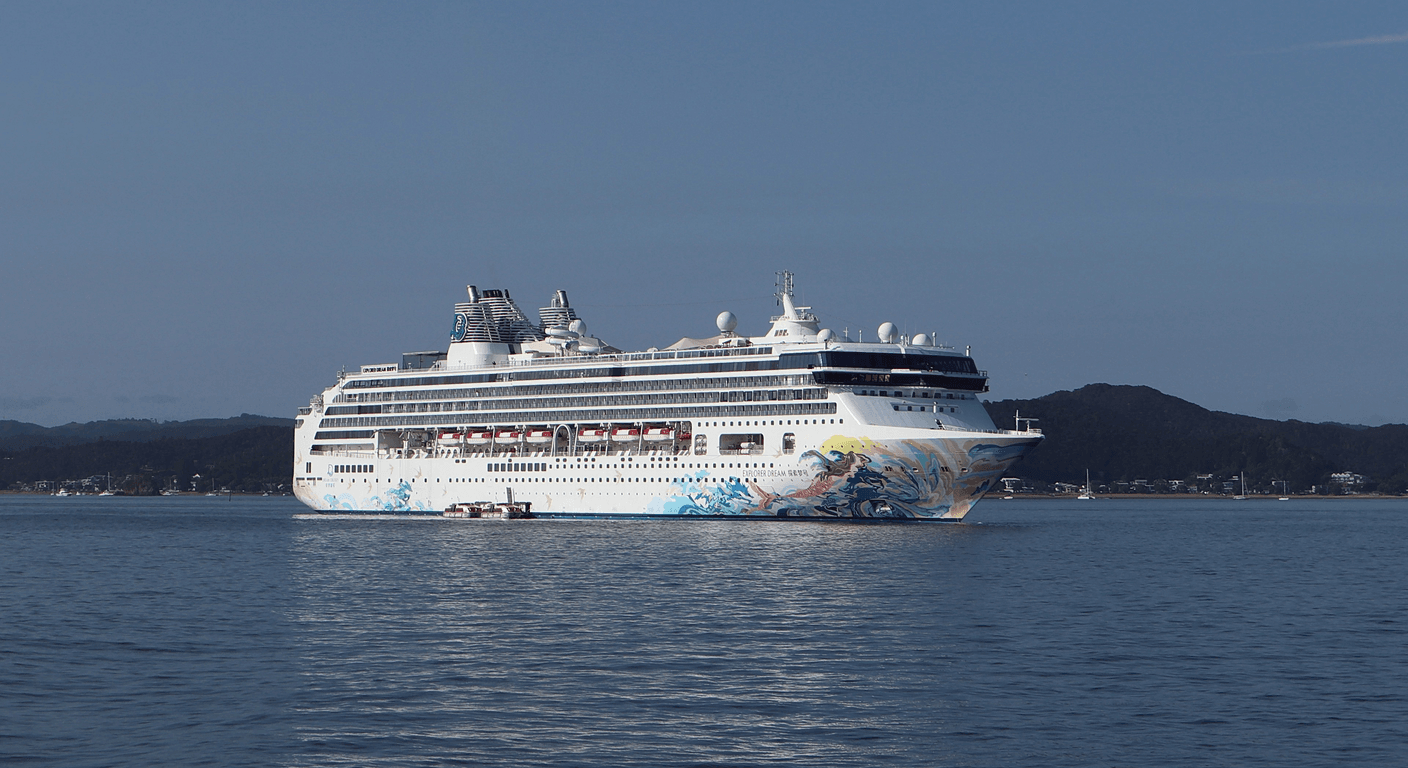
Round-New Zealand cruises depart Sydney, Melbourne or Brisbane with no flights required, crossing the Tasman Sea before circling both islands. Fourteen nights is the sweet spot for a full circuit, taking in Bay of Islands, Auckland, Wellington, Akaroa, Dunedin and a Fiordland scenic-cruising day — the voyage's most memorable stretch. Ships themselves are accessible, though tender landings and some shore excursions demand balance, making mobility moderate overall. Summer sailings generally bring calmer Tasman crossings than winter departures.
Why round-New Zealand cruises suit Australian travellers over 50
There's a particular pleasure in an itinerary that asks nothing of you at either end except to turn up at the pier. No check-in queues at Tullamarine at five in the morning, no connecting flight through Auckland, no lost luggage to chase through customs. You drive — or take a taxi — to Station Pier in Port Melbourne, or Circular Quay in Sydney, walk up the gangway and, by the time you've found the dining room, the skyline is already shrinking behind you. For a 73-year-old who has done the long-haul flights and knows what they cost in energy, that calculation matters.
New Zealand as a cruise destination also rewards the pace that ships naturally impose. You arrive at a port, spend a day ashore, and the ship moves on while you sleep. There's no repacking, no hotel check-in, no finding a new restaurant every night. For couples who travel well together but also appreciate the option of separate pursuits — one at the shore excursion on the Otago Peninsula, the other reading on the stern deck — the format is close to ideal.
How long are these voyages, and what does a typical circuit look like?
Most round-New Zealand cruises from Australian ports run between 12 and 18 nights. The sweet spot for a full circuit — catching both islands without feeling rushed — tends to be around 14 nights. Shorter sailings of 10–12 nights usually sacrifice the South Island ports or skip Fiordland entirely, which is worth knowing before you book what looks like a bargain.
A representative 14-night itinerary departing Sydney might look something like this: two sea days crossing the Tasman, then the Bay of Islands (Paihia or Opua), Auckland, Tauranga or Napier on the North Island, followed by Wellington as the pivot point, then south to Picton or Akaroa near Christchurch, Dunedin, and sometimes a Fiordland scenic cruising day before the return Tasman crossing and arrival back in Sydney. Melbourne departures follow a similar sequence but add roughly another sea day each way. Brisbane sailings tend to be slightly longer overall.
The exact port sequence — and whether the ship goes clockwise or anticlockwise around New Zealand — differs between operators and sometimes between individual sailings from the same operator. An anticlockwise routing hits the South Island earlier and can mean better Fiordland weather odds. A clockwise run gets you to the Bay of Islands while you're still fresh. Neither is objectively superior; they're just different, and it's worth checking the specific port schedule for your sailing rather than assuming a standard order.
The Tasman crossing: what those sea days are actually like
The Tasman Sea has a reputation, and it's not entirely undeserved. Swells of two to four metres are not unusual, particularly in winter months, and even in summer the crossing can be lively for a day or so. Most modern large cruise ships handle it without drama — stabilisers do a great deal of work — but if you're prone to motion sickness, the Tasman is not the place to discover that for the first time. Speak to your GP before sailing; there are effective preventive options including prescription patches that work well for many travellers.
With that said, sea days on the Tasman crossing are genuinely some of the better days on the voyage for many passengers over 50. No schedule, no shore excursion bus to catch, no decisions more pressing than whether to attend the wine tasting or the lecture series. The ships that run these routes typically programme enrichment talks — New Zealand history, Māori culture, wildlife of the Fiordlands — that are worth your time. The library fills up pleasantly. A sea day is not wasted time; it's part of what you paid for.
The North Island ports: Bay of Islands, Auckland, Tauranga and Napier
The Bay of Islands is often the first New Zealand landfall, and it sets an agreeable tone. The ship anchors offshore and tenders bring passengers to Paihia or Russell. Russell — a short ferry ride from Paihia — is compact, colonial and walkable, which matters if you're not interested in a full-day coach tour. The Waitangi Treaty Grounds, a short drive from Paihia, are one of the more genuinely significant sites in New Zealand and deserve more than a cursory visit. Allow half a day at minimum.
Auckland is a working port city rather than a picture-postcard harbour town, and it's better for it. The waterfront precinct around Princes Wharf and the Viaduct Basin is flat, well-maintained and accessible. The Auckland War Memorial Museum in the Domain is a serious institution with an outstanding Māori and Pacific collection — it's on a hill, but the museum runs shuttle buses from the waterfront on cruise days. Tauranga provides access to Rotorua's geothermal landscapes, though the drive is around an hour each way, so check your ship's port hours carefully before committing to a Rotorua excursion. Napier, if your itinerary includes it, is the country's best concentration of Art Deco architecture — flat, walkable and genuinely lovely on a clear day.
The South Island stops: Wellington, Akaroa, Dunedin and Fiordland
Wellington is the pivot between the islands on most itineraries, and it punches well above its size. Te Papa Tongarewa — the national museum on the waterfront — is free to enter and accessible, with lifts throughout and a café that's better than it needs to be. The cable car up to the Botanic Garden is a gentle and worthwhile hour. The city is famously windy, which is not a rumour — bring a layer regardless of the season.
Akaroa, a former French settlement on Banks Peninsula about 80 kilometres from Christchurch, is reached by tender and sits at the end of a long, calm harbour. The town itself is small and easy to navigate on foot. It's one of the more relaxed port days on a New Zealand circuit — no queues for the main attraction, decent cafés, good local cheese. Dunedin, by contrast, rewards a bit more energy. The Otago Peninsula wildlife tours (yellow-eyed penguins, royal albatross colony at Taiaroa Head) are among the more memorable excursions on the entire itinerary, though the roads are winding and some sites involve short walks on uneven ground. Assess your mobility honestly before booking.
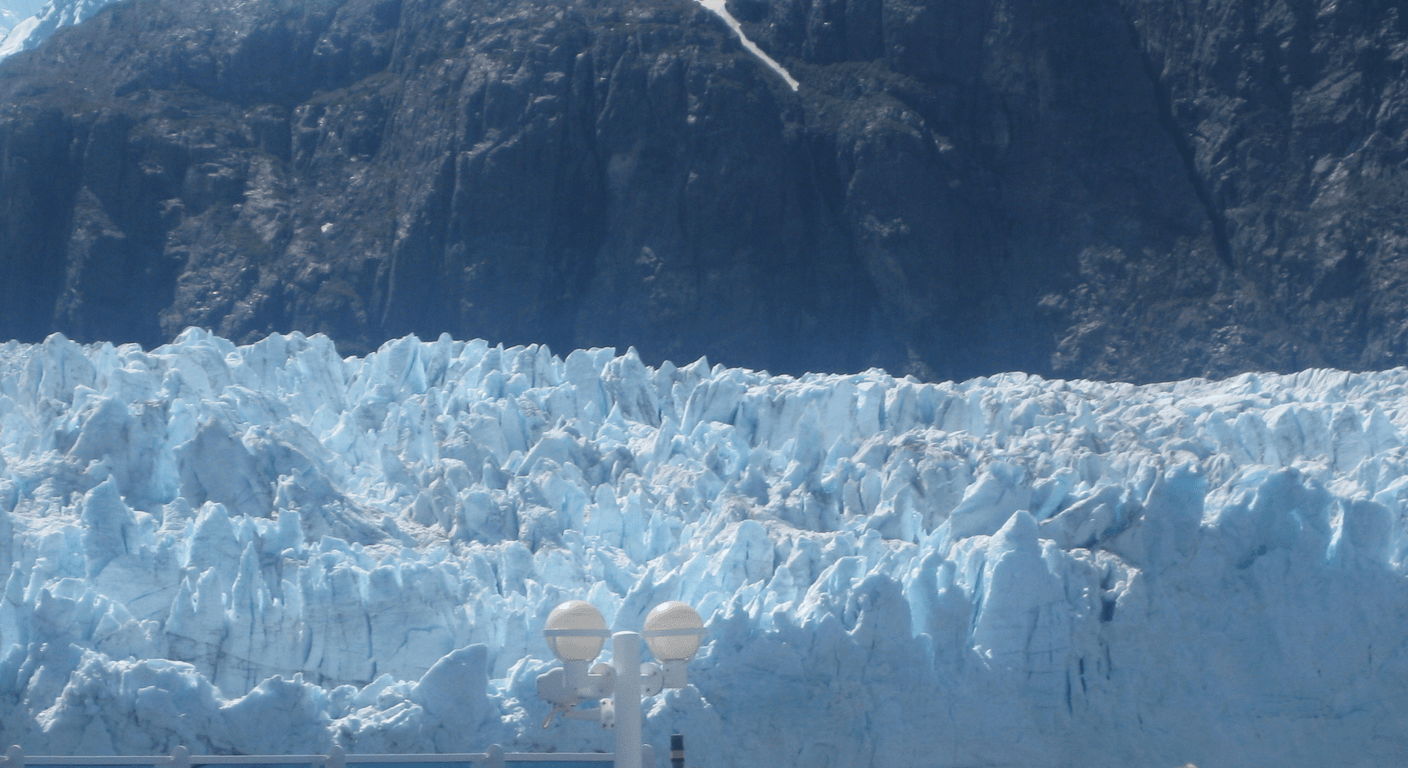
Fiordland — whether your ship sails into Milford Sound (Piopiotahi) or Doubtful Sound — is typically a scenic cruising day rather than a shore stop. You stand on deck as the ship moves slowly through sheer cliff walls, waterfalls and the occasional fur seal colony. It can be cold and it can be raining, and it can still be one of the more arresting things you'll see from a ship deck. Fiordland receives some of the highest rainfall on earth, and cloudy conditions are the norm rather than the exception. The landscape doesn't require sunshine to impress.
How to read an itinerary and check which variant you're actually booking
This is where a little homework pays for itself. 'Round New Zealand' is a marketing category, not a standardised product. Two sailings both described as round-New Zealand cruises might share only three or four ports. One might include Fiordland scenic cruising; another substitutes a second day in Auckland. One might call at Picton in the Marlborough Sounds; another docks at Lyttelton (Christchurch's port) instead. The headline voyage name tells you the general shape. The detailed port schedule tells you what you're actually buying.
When comparing itineraries, open the full port-by-port schedule — available on every cruise line's website for each specific sailing — and look at three things: which ports are confirmed versus listed as 'scenic cruising' or 'tender subject to conditions'; how many sea days you have versus port days; and what time the ship arrives and departs each port. A 7am arrival and 2pm departure in Dunedin is a very different experience from an 8am arrival and 6pm departure. Your travel agent should be able to pull this detail; if they can't, go directly to the cruise line's website.
Itinerary changes can also occur after booking — weather, port congestion and operational decisions can cause substitutions. This is standard practice across the industry and is written into cruise contracts. It's not a reason to avoid cruising, but it is a reason not to build your entire trip around a single port stop you consider non-negotiable. Fiordland, in particular, is occasionally skipped due to weather or swell conditions at the entrance to Milford Sound.
Practical matters: accessibility, travel insurance and getting to the pier
Modern large cruise ships are among the more accessible travel environments available. Lifts connect all passenger decks, accessible cabin configurations are available on request (book early — they allocate quickly), and most ships have flat, wide corridors. The challenges arise ashore: tender ports like the Bay of Islands and Akaroa require stepping into a smaller boat, which involves a degree of balance and agility. Some passengers with significant mobility limitations find tender ports frustrating or inaccessible. Ask your cruise line directly about tender assistance procedures before you book.
Travel insurance for New Zealand cruises from Australia is strongly recommended, and for travellers over 50 with pre-existing medical conditions it's not optional — it's the difference between a manageable situation and a financial catastrophe if something goes wrong. The ship's medical centre can handle most acute situations, but medical evacuation from Fiordland or a remote port is genuinely expensive. Disclose all conditions honestly when taking out your policy; non-disclosure voids cover when you need it most. Several Australian insurers specialise in cover for travellers with pre-existing conditions — compare carefully and read the product disclosure statement.
Getting to the pier is simpler than many travellers expect. Sydney's Overseas Passenger Terminal at Circular Quay and the White Bay Cruise Terminal are well-connected to the CBD by taxi, rideshare and, for Circular Quay, train. Melbourne's Station Pier in Port Melbourne is a 20-minute taxi from the CBD; Skybus does not serve it directly, but Port Melbourne is accessible via tram (Route 109 from Collins Street, then a walk) or taxi. If you're driving from regional Victoria, allow time to park — cruise parking at Station Pier is available but fills up; book it in advance through the terminal operator. A night in a nearby hotel before departure is a sensible buffer, particularly if you're coming from Geelong, Ballarat or further afield.
Quick planning guide
| Ideal pace | Slow-paced, ship-set rhythm with alternating sea and port days |
|---|---|
| Best months | Summer sailings tend to have calmer Tasman crossings; winter brings rougher seas |
| Suggested stay | Around 14 nights for a full two-island circuit |
| Mobility level | Moderate — accessible ships, but tender ports and some excursions require balance and steady footing |
| Cost level | Varies by cruise line and cabin category |
| Comfort level | High, with full-service cruise ship amenities throughout |
| Best for | Australians over 50 wanting to see New Zealand without long-haul flights |
| Main planning consideration | Check the specific port-by-port schedule and clockwise/anticlockwise routing before booking, as itineraries billed as 'round New Zealand' vary considerably |
Key takeaways
- Round-New Zealand cruises from Australian ports typically run 12–18 nights with no flights required — you board and disembark at the same Australian pier.
- Shorter sailings of 10–12 nights often sacrifice South Island ports including Fiordland; read the full port schedule, not just the voyage name.
- The Tasman crossing takes two sea days each way and can be rough — talk to your GP about motion sickness options before you sail.
- Tender ports including the Bay of Islands and Akaroa require stepping into a smaller vessel; travellers with significant mobility limitations should confirm assistance procedures with the cruise line before booking.
- Fiordland scenic cruising is weather-dependent and can be substituted or skipped — don't book a voyage solely for Milford Sound.
- Travel insurance that covers pre-existing conditions is essential; disclose everything honestly or risk your cover being void when it matters most.
Recommended partners and links
Indicative prices only — always confirm with the operator before booking.
Frequently asked questions
How long is a round-New Zealand cruise from Australia?
Most round-New Zealand cruises from Australian ports run between 12 and 18 nights. A full circuit covering both islands typically takes around 14 nights. Shorter sailings often omit South Island ports or Fiordland scenic cruising, so check the full port schedule for each specific sailing before booking.
Which Australian ports do round-New Zealand cruises depart from?
Round-New Zealand cruises depart from Sydney (Circular Quay Overseas Passenger Terminal or White Bay Cruise Terminal), Melbourne (Station Pier, Port Melbourne) and Brisbane. The departure port affects total voyage length, with Melbourne and Brisbane sailings generally adding an extra sea day or two compared with Sydney.
Is the Tasman Sea crossing rough on a cruise?
The Tasman Sea can produce swells of two to four metres, particularly outside the summer months, and some passengers experience motion sickness. Modern large cruise ships use stabilisers that reduce the effect significantly, but travellers who know they are susceptible should speak to their GP before sailing about preventive medication or patches.
Are round-New Zealand cruises accessible for passengers with limited mobility?
Modern cruise ships are generally accessible, with lifts, wide corridors and accessible cabin configurations available on request. The main challenge is at tender ports such as the Bay of Islands and Akaroa, where passengers must step into a smaller boat. Travellers with significant mobility limitations should ask the cruise line directly about tender assistance procedures before booking.
Do I need a visa to cruise to New Zealand from Australia?
Australian citizens do not require a visa to enter New Zealand. However, entry requirements can change, and cruise lines may have their own documentation requirements. Confirm current New Zealand border requirements with your cruise line and the New Zealand Immigration website (immigration.govt.nz) before your sailing date.
- Tourism New Zealand — official visitor information
- New Zealand Immigration — visitor entry requirements
- Cruise Lines International Association Australasia
- Port of Melbourne — Station Pier cruise terminal
- Te Papa Tongarewa — Museum of New Zealand, Wellington
- Waitangi Treaty Grounds — Bay of Islands
- Auckland War Memorial Museum
- Department of Conservation New Zealand — Fiordland National Park