Singapore suits a slow-paced first visit best between November and early April, when humidity is slightly lower, though direct flights from Australia's east coast (roughly eight to nine hours) make it workable year-round. Four to seven nights allows an unhurried mix of hawker centre dining, air-conditioned museums and Gardens by the Bay, while two nights suffices as a stopover. Mobility is moderate — the MRT is largely lift-accessible, but heat and walking distances mean pacing matters.
Why Singapore Works So Well for Over-50 Australians
Singapore is, on paper, almost suspiciously convenient for Australians. It's a direct flight, English is the official language, the food is extraordinary, and the city-state runs with a precision that makes getting around straightforward even on your first day. For travellers who've spent years dreaming about Southeast Asia but felt daunted by the complexity of longer itineraries, Singapore offers a genuinely easy entry point — or a very satisfying destination all on its own.
For a group of friends travelling together, the dynamic suits Singapore particularly well. There are options at every comfort level — hawker centres for the adventurous, air-conditioned food courts for those who want a gentler introduction, rooftop bars for the evening, and quiet botanical gardens for a morning walk. Nobody needs to compromise too much. The city is also remarkably safe, which matters for solo women travellers and groups alike. Street harassment is genuinely rare.
What Singapore asks of you is an honest reckoning with the climate. The heat and humidity don't ease off the way they do in parts of northern Australia during the dry season. They are simply present, year-round. Travelling between November and early April gives you slightly lower humidity and a better chance of avoiding the heaviest rain, but no month is what you'd call cool. The good news: the city is engineered for this. Air-conditioning is everywhere. The trick is building your day around it.
How Much Should You Attempt Each Day? Realistic Pacing in the Heat
The single most common mistake first-time visitors to Singapore make — regardless of age — is over-scheduling. The heat and humidity compound fatigue faster than most people expect, particularly arriving from the cooler months in regional Victoria or southern Australia. A useful rule of thumb: plan one significant outdoor activity in the morning before 11am, retreat to somewhere air-conditioned for the middle hours, and save a second outing for late afternoon once the sun has dropped.
For a four-night stay, that rhythm gives you eight comfortable activity windows without a single gruelling day. Gardens by the Bay is best in the morning or evening (the light show runs nightly and is free). The Botanic Gardens — a UNESCO World Heritage site — rewards an early start. The Chinatown Heritage Centre, the National Museum, and the Asian Civilisations Museum are all fully air-conditioned and genuinely interesting. A harbour cruise in the late afternoon is low-exertion and gives you the skyline without walking it.
If you're doing a two-night stopover — a popular choice on the way to or from Europe — be even more selective. One neighbourhood per day is enough. Arriving tired from a long flight and immediately charging around in 32-degree heat is a reliable way to feel awful by day two. Give yourself a recovery evening on arrival, eat something good and simple, sleep well, and start fresh the next morning. Changi Airport's Terminal 2, now fully refurbished, has comfortable transit hotel options if you're only transiting rather than entering the city.
Getting Around: MRT, Grab and Walking Distances
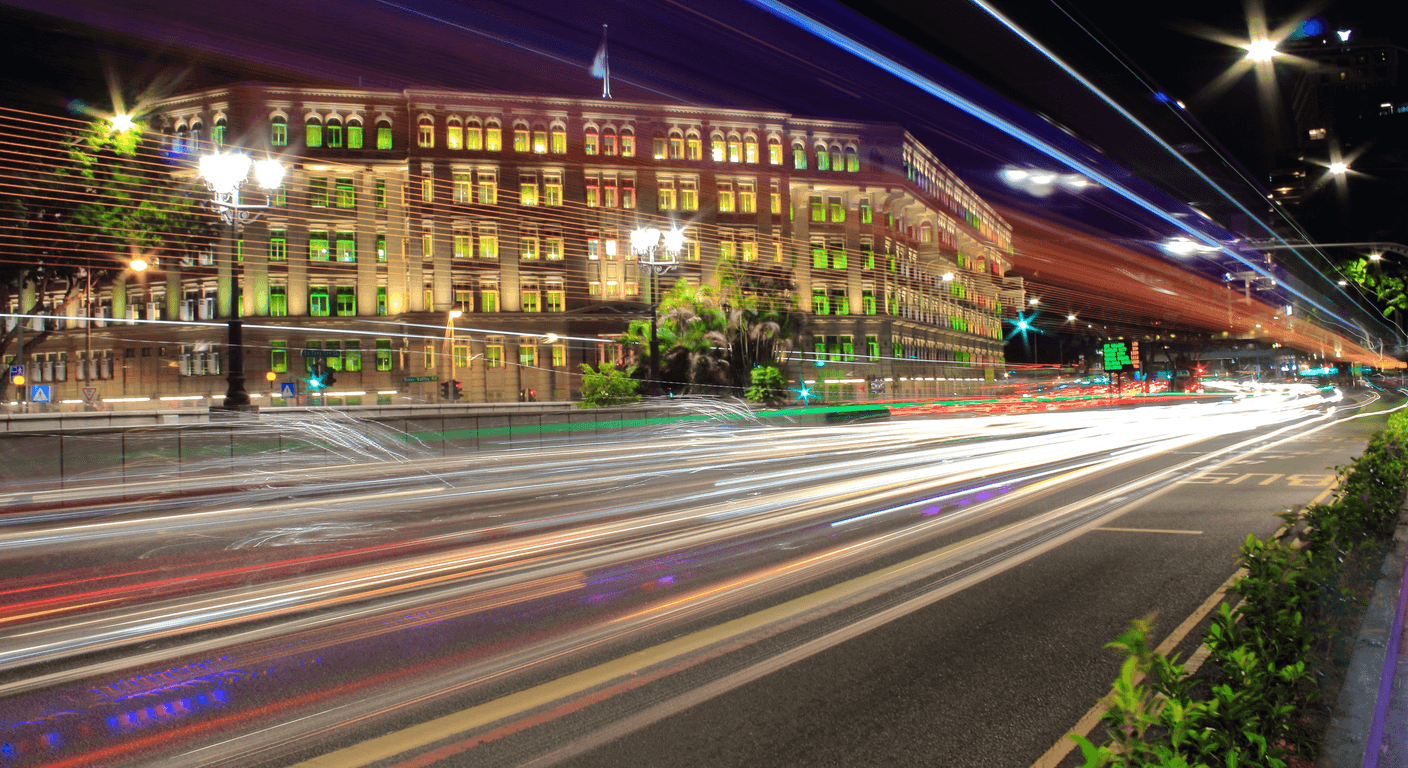
Singapore's MRT (Mass Rapid Transit) is one of the cleanest, coolest and most reliable metro systems in the world. For travellers with mobility considerations, the important detail is that the majority of MRT stations have lifts — though not every single station is fully step-free, so it's worth checking the Land Transport Authority's accessibility map at lta.gov.sg before you plan a route. The network covers all the main visitor areas: Orchard Road, Marina Bay, Chinatown, Little India, Gardens by the Bay (Bayfront station), Sentosa, and the airport.
The EZ-Link card — Singapore's equivalent of a Myki or Opal card — can be purchased and topped up at any MRT station. It works on trains and buses and is far easier than buying individual tickets. Fares are distance-based and indicatively very low by Australian standards: most journeys within the tourist areas would cost around AUD $1–$3. Confirm current fares at the SMRT website.
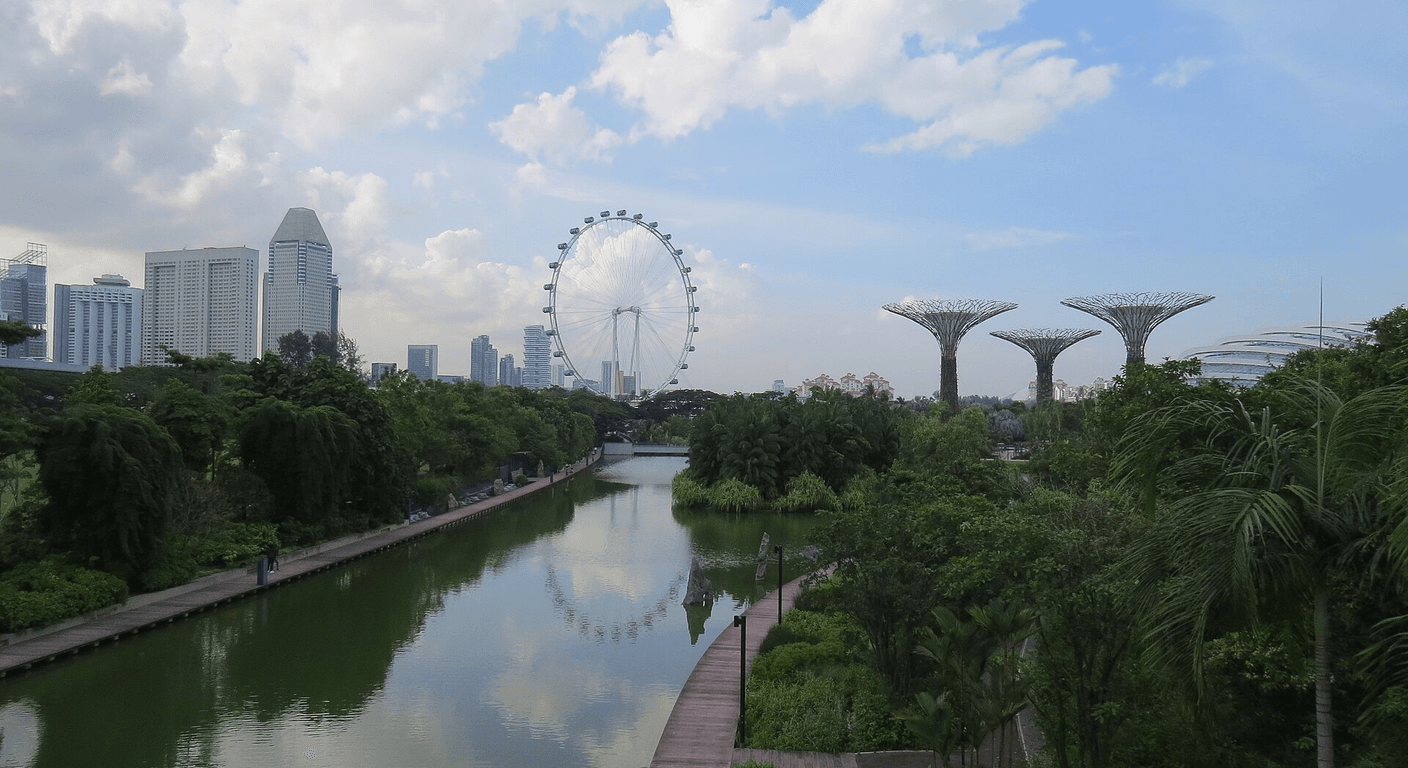
For anyone who finds the MRT steps and crowds a little much, or who simply wants door-to-door convenience, Grab is the go-to. It's Singapore's dominant ride-share platform, similar to Uber, and works reliably from the airport and across the city. Download the app before you leave Australia and set up your payment method. Short trips within the central area run indicatively AUD $8–$20, though surge pricing applies at busy times. Standard taxis are also plentiful and can be hailed or booked. At Gardens by the Bay specifically, note that while the Flower Dome and Cloud Forest conservatories are fully accessible and air-conditioned, the outdoor walking paths between structures cover meaningful distances — up to a kilometre or more between the main entry, the Supertree Grove, and the waterfront. Comfortable, flat shoes and a hat are non-negotiable. The free outdoor light show at the Supertrees (check gardensbythebay.com.sg for current show times) involves standing, but benches are available.
Where to Stay: Comfort Options and Indicative AUD Price Bands
Singapore's accommodation ranges from dormitory hostels to some of the most famous luxury hotels in the world, and the mid-range is genuinely strong. For over-50 travellers prioritising comfort, the Marina Bay and Orchard Road precincts put you close to the MRT and the main attractions. The Bugis and Clarke Quay areas offer slightly more neighbourhood character with good transport links. Always check whether the hotel is within a short walk of an MRT station — that proximity makes a substantial difference to how easily you can move around.
At the budget end of comfortable (not backpacker-budget), expect to pay indicatively AUD $150–$220 per night for a clean, air-conditioned room in a three-star or boutique property with a reliable lift. Mid-range four-star hotels — the kind with a pool, a decent breakfast option, and a lobby you'd happily sit in — run indicatively AUD $250–$400 per night. Premium and iconic properties (think Marina Bay Sands, Raffles, The Fullerton) start from around AUD $500–$700 and upward per night. These are indicative figures only; prices shift with season, events, and booking lead time — always confirm current rates directly with the property or through a reputable booking platform.
A practical note for groups of friends: Singapore has a good selection of serviced apartments and larger hotel suites, which can work well when splitting costs. Having a kitchenette also means you can keep bottled water, fruit, and snacks on hand without paying minibar prices — useful when you're managing energy levels through a hot day. Check that your accommodation has in-room air-conditioning controls you can actually adjust; Singapore hotels air-condition aggressively, and some travellers find the rooms uncomfortably cold at the default setting.
Food and Hawker Centres: What First-Timers Need to Know
Singapore's hawker centre culture is one of the genuine wonders of urban eating. These are government-managed open-air or semi-enclosed food courts where individual stall operators serve single dishes, often perfected over decades. Maxwell Food Centre in Chinatown, Lau Pa Sat in the CBD, and the Makansutra Gluttons Bay beside the Esplanade are among the most accessible for first-timers. A full meal — say, chicken rice, a vegetable dish, and a cold drink — costs indicatively AUD $5–$12 per person at most hawker centres. Confirm current prices locally.
For travellers who are cautious about new foods or have dietary sensitivities, a few practical notes. Most hawker stalls display photos of their dishes, which makes pointing-and-ordering straightforward even without shared language. Halal-certified stalls are clearly marked. Vegetarian options are more plentiful than you might expect, particularly at stalls specialising in Indian or Chinese vegetarian cuisine. If you have a shellfish allergy, cross-contamination is a real risk in a busy hawker environment — communicate clearly and consider choosing stalls where the menu is more contained.
The seating at outdoor hawker centres is typically plastic stools and communal tables, which suits some travellers and not others. If the outdoor heat and hard seating aren't appealing at midday, Singapore also has excellent air-conditioned food courts inside shopping centres — ION Orchard, VivoCity, and Jewel Changi all have multiple options at comparable prices to hawker centres. These aren't a lesser experience; they're simply a different one, and on a 33-degree afternoon, the air-conditioning is a genuine pleasure. BrittAndMitchWorldwide's travel content on YouTube (youtube.com/watch?v=KcR8B9aBmgA) captures the sensory experience of navigating Singapore's food culture as an English-speaking visitor and is worth watching before you go for a feel of the pace and the settings.
Flight Times, Jet Lag and the Stopover Question
From the east coast of Australia — Sydney, Melbourne, Brisbane — direct flights to Singapore take roughly eight to nine hours. From Perth, it's closer to five to six hours, making Singapore almost a regional hop. There are no significant time zone issues to wrestle with: Singapore is UTC+8, which puts it two to three hours behind Australian eastern time depending on daylight saving, and only a couple of hours ahead of Perth. Most travellers find they adjust within a day or two, and the transition is far gentler than, say, a flight to Europe.
That said, an eight-hour overnight flight still leaves you tired on arrival, and landing in heat and humidity when you're fatigued is not the time to launch straight into a full day of sightseeing. Building in a half-day buffer on arrival — check in, shower, eat something light, walk somewhere easy nearby — pays dividends for the rest of the trip. Changi Airport is genuinely exceptional as a transit experience: the Jewel shopping and garden complex attached to the terminal is worth an hour of your time on arrival or departure.
Singapore works beautifully as a standalone destination of four to seven nights, and equally well as a two-night stopover on the way to Europe, the UK, or other parts of Asia. If you're using it as a stopover on a longer journey, book accommodation close to the MRT or with airport shuttle access, and keep your itinerary tight. Two nights is enough for Gardens by the Bay, one hawker centre dinner, and a morning walk through one neighbourhood — and that's a genuine experience, not a rushed compromise.
Where Singapore Feels Overwhelming — and Where It Doesn't
Honesty first: there are parts of Singapore that can feel relentlessly busy, particularly around Marina Bay Sands on weekends, Orchard Road during sale seasons, and Sentosa Island during school holidays. The crowds at the Supertree light show can be dense. Universal Studios Singapore is loud and designed for families with children. None of this is a reason to avoid Singapore, but it's useful to set expectations and choose your timing. Visiting major sites on weekday mornings rather than weekend afternoons makes a noticeable difference.
Where Singapore consistently feels welcoming and easy for slower travellers: the Singapore Botanic Gardens (free entry to the main gardens, genuinely peaceful on a weekday morning), the Peranakan Museum and Asian Civilisations Museum (calm, well-interpreted, air-conditioned), the Southern Ridges walking trail for those who want gentle elevation and green canopy, and the Tiong Bahru neighbourhood — one of Singapore's oldest housing estates, now home to good cafés and independent bookshops, and far quieter than the central tourist precincts.
A particular note for travellers who find large crowds taxing: the Marina Bay waterfront promenade is wide and pleasant in the early morning, largely empty before 8am, and offers some of the city's best views without the afternoon scrum. Singapore rewards early risers. The heat is at its most manageable, the light is beautiful, and the hawker centres are doing their best breakfast trade. Kaya toast with soft-boiled eggs and a strong local coffee — kopi — is one of the city's great morning rituals and costs almost nothing.
Quick planning guide
| Ideal pace | Slow-paced, built around one outdoor activity before 11am and another after 4pm |
|---|---|
| Best months | November to early April, for slightly lower humidity |
| Suggested stay | Four to seven nights as a standalone destination, or two nights as a stopover |
| Mobility level | Moderate — MRT is largely lift-accessible, but heat and walking distances at sites like Gardens by the Bay require breaks |
| Cost level | Mid-range, with budget hostels and premium hotels at either end |
| Comfort level | High — air-conditioning is extensive and transport is reliable |
| Best for | Groups of friends and first-time Southeast Asia travellers wanting an easy, low-stress entry point |
| Main planning consideration | Structuring each day around the heat and humidity rather than fighting it |
Key takeaways
- Singapore's direct flights from Australia's east coast take roughly eight to nine hours, with minimal jet lag adjustment due to the small time zone difference.
- The MRT is accessible, with lifts at most stations — check the LTA accessibility map before planning routes.
- A hawker centre meal costs indicatively AUD $5–$12 per person, making Singapore's food culture both affordable and adventurous on your own terms.
- Plan outdoor activity before 11am and after 4pm; the midday heat is genuinely draining and the city's air-conditioned options are plentiful and good.
- Four to five nights gives a comfortable, unhurried first experience; two nights works as a stopover if you keep the itinerary focused.
- Singapore is among the safest cities in the world for solo women travellers and friend groups, with English spoken universally and excellent healthcare facilities.
Recommended partners and links
Indicative prices only — always confirm with the operator before booking.
Frequently asked questions
How long should I spend in Singapore as a first-time visitor from Australia?
Four to five nights gives a comfortable, well-paced first visit to Singapore for over-50 travellers — enough time to experience Gardens by the Bay, explore two or three neighbourhoods, eat well at hawker centres, and still have a rest day built in. Two nights works as a stopover, but keep the itinerary to one or two experiences per day.
Is Singapore accessible for travellers with mobility limitations?
Singapore is one of Southeast Asia's most accessible cities. The MRT has lifts at the majority of stations, footpaths are flat and well-maintained, and Grab and taxis provide easy door-to-door transport. Gardens by the Bay's conservatories are fully accessible. Confirm specific station lift availability at lta.gov.sg before travel.
What is the best time of year for Australians to visit Singapore?
November through to early April is generally considered the most comfortable period, with slightly lower humidity and a better chance of dry days. Singapore is warm and humid year-round, so there is no truly 'cool' season — the difference between months is modest, but November to April is the most consistently manageable for visitors unused to tropical heat.
How much does it cost to eat at Singapore's hawker centres?
A full meal at a Singapore hawker centre — a main dish, a side, and a cold drink — costs indicatively AUD $5–$12 per person at current exchange rates. This makes hawker centre dining extremely affordable by Australian standards. Prices vary by stall and location; always confirm locally.
Do I need a visa to visit Singapore as an Australian?
Australian passport holders do not require a visa for short stays in Singapore for tourism purposes, but entry conditions can change. Always confirm current entry requirements with the Singapore Immigration and Checkpoints Authority (ica.gov.sg) or your travel agent before booking.
- Visit Singapore — Official Tourism Website
- Gardens by the Bay — Official Site
- Land Transport Authority Singapore — Accessibility Information
- Singapore Botanic Gardens — Official Site
- SMRT — Singapore MRT Fares and Journey Planner
- Grab Singapore — Ride and Delivery App
- Singapore Immigration and Checkpoints Authority — Entry Requirements
- BrittAndMitchWorldwide — Singapore Travel Vlog (YouTube)