Singapore is best visited between October and March, when temperatures are marginally cooler, though humidity remains high year-round. A stay of around seven nights suits a relaxed, photography-focused pace of one to two locations a day. The defining highlight is the Supertree Grove's dusk light show at Gardens by the Bay. Mobility is moderate, with mostly flat, lift-accessible MRT routes, though Chinatown has uneven pavement. Access from Australia is straightforward, with direct nine-hour flights from Sydney and Melbourne and no stopover required.
Getting There and Settling In: What Australian Travellers Should Know
Singapore sits roughly nine hours from Sydney and Melbourne by direct flight — no stopover required, which is a genuine advantage for older travellers wary of long-haul fatigue. Qantas, Singapore Airlines and Scoot all fly the route. Changi Airport is consistently among the world's most navigable, with lifts, trolleys, wheelchair assistance on request and clear signage throughout. Even after a night flight, arrival rarely feels brutal.
That said, build in a recovery night before you start photographing anything. Singapore's heat and humidity hit immediately on exit from the terminal — even in the cooler months of October to March, midday temperatures sit around 30–32°C with humidity that makes it feel warmer. Arriving, checking in and doing nothing more taxing than a hotel pool and an early dinner is not wasted time. It's strategy.
Travel insurance is essential, and for travellers over 65 or with pre-existing conditions, scrutinise the policy carefully before purchasing. Singapore has excellent private hospitals, but costs are high without cover. The Australian Government's Smartraveller site (smartraveller.gov.au) is worth checking for any current entry requirements, though Singapore is visa-free for Australian passport holders — confirm this remains current before you travel.
Gardens by the Bay: The Shot Everyone Wants — and How to Get It Comfortably
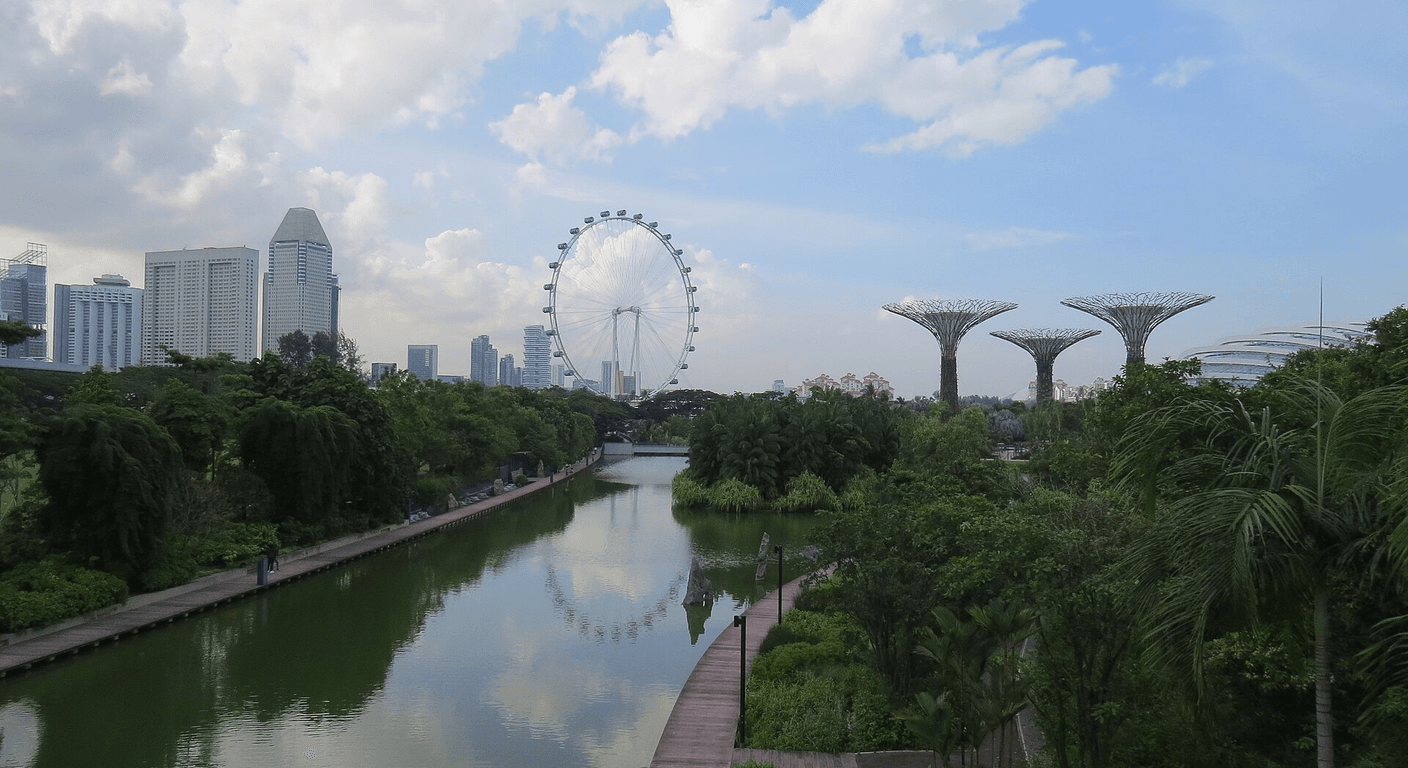
The Supertree Grove is the image most people associate with modern Singapore, and it genuinely earns its reputation. The structures are extraordinary at dusk, when the sky shifts from deep blue to purple and the Supertrees begin their light display — the OCBC Garden Rhapsody runs twice nightly at around 7.45 pm and 8.45 pm, though confirm current times on the Gardens by the Bay website. For photography, the thirty minutes before the display begins, when ambient and artificial light are roughly balanced, produces the most interesting results. Arrive by 7 pm to find your position without rushing.
The Grove itself is free to walk through, and the ground-level paths are flat, paved and well-maintained. Seating is available throughout. The paid attractions — Cloud Forest and Flower Dome — are enclosed, air-conditioned and fully lift-accessible. Cloud Forest in particular is worth the entry fee: a cool interior, dramatic mist effects and elevated walkways reached by lift give a very different kind of photograph from the outdoor grove. The combo ticket runs roughly AUD 30–40 at current exchange rates, but check the Gardens by the Bay website for current SGD pricing before booking.
The nearest MRT station is Bayfront (Circle and Downtown Lines), a short walk via a covered, air-conditioned link through the Marina Bay Sands mall. This matters enormously in Singapore's heat — the ability to travel from cool mall to cool dome without sustained sun exposure is not a small thing. Toilets are plentiful and clean throughout the complex. Allow three to four hours for a relaxed visit, split across a late afternoon and evening rather than attempting it in one midday push.
Marina Bay Sands SkyPark: The Skyline Shot from Above
The SkyPark Observation Deck sits on the 57th floor of Marina Bay Sands and offers the panoramic shot of Singapore that no ground-level location can replicate — the full arc of the bay, the Supertrees below, the CBD skyline to one side and the Strait to the other. For photography, the hour before sunset and the first hour after are the most rewarding. The deck is accessed entirely by lift, and there are no significant mobility barriers once you're up there, though the outdoor terrace is exposed — hat, sunscreen and a light layer for the air-conditioning inside are all worth carrying.
Non-hotel guests pay an observation deck entry fee of roughly AUD 30–35 at current rates — confirm current SGD pricing directly with Marina Bay Sands before visiting, as prices adjust periodically. Hotel guests access the rooftop infinity pool area separately. An alternative for those who'd rather sit with a drink than pay a standalone entry fee: the rooftop bars at 1-Altitude (on the roof of One Raffles Place) or the bar at Andaz Singapore offer elevated city views with the cost folded into a cocktail. These involve no special entry fee but do require a purchase. Confirm access and any dress code before going.
Bayfront MRT station connects directly to Marina Bay Sands via a sheltered underground walkway — useful to know when it's 31°C at 5 pm. The complex has lifts throughout, accessible toilets and no shortage of cafes if you need to sit and cool down before heading back out.
Merlion Park: Flat, Free and Surprisingly Rewarding at Dusk
Merlion Park tends to get dismissed as a tourist cliché, and that's slightly unfair. Yes, every visitor photographs the fountain. But at dusk, with the full Marina Bay skyline behind it and the Helix Bridge to the right, it's a genuinely strong composition — and it costs nothing. The park sits along the waterfront promenade, the ground is flat and paved throughout, and there are benches along the water's edge where you can sit, compose a shot and wait for the light without feeling pressured.
The nearest MRT is Raffles Place (East-West and North-South Lines), about a ten-minute flat walk along the river. The route passes the Fullerton Hotel and several riverside cafes — useful for a cold drink and a rest before or after. Toilets are available in the nearby Fullerton Pavilion area. Midday is worth avoiding purely for comfort reasons; the promenade is exposed and the heat reflects off the water. Early morning, around 7–8 am, gives soft light and noticeably thinner crowds. Dusk, around 6.30–7 pm, gives the skyline at its most dramatic.
For solo travellers, this stretch of waterfront is well-populated, well-lit and feels safe at all hours — a reassuring detail when travelling alone. The walk from Merlion Park to the Helix Bridge takes under ten minutes along the same flat promenade, making it easy to combine both in one relaxed evening outing.
Helix Bridge at Night: Singapore's Most Architectural Shot
The Helix Bridge connects Merlion Park to the Marina Bay Sands precinct and is, at night, one of Singapore's most photographically interesting structures. The double-helix steel frame is lit in shifting colours after dark, and the reflections on the water below add a second image to any long-exposure shot. You don't need sophisticated camera equipment — a smartphone with a night mode setting will do the job if you find a stable railing to brace against.
The bridge is flat, fully paved and about 280 metres long. There are viewing platforms at intervals along its length — these are the spots to pause for photographs rather than trying to shoot while walking in both directions of foot traffic. The bridge is well-lit and busy with other visitors in the evenings, which makes it comfortable for solo travellers. Avoid peak weekend nights if crowds are a concern; weekday evenings after 8 pm tend to be calmer.
Combine the Helix Bridge with Merlion Park and the Supertree light display into a single evening outing — this is a realistic and satisfying plan for one night, covering three of Singapore's most photogenic locations without requiring more than a couple of kilometres of flat walking. Taxis and Grab (Singapore's dominant rideshare app) are readily available from the Marina Bay area if the walk back to your hotel feels like too much. A Grab fare to most central hotels from Marina Bay typically runs roughly AUD 10–18; confirm current rates in-app.
Chinatown and Kampong Glam: Heritage Streets Worth the Slower Pace
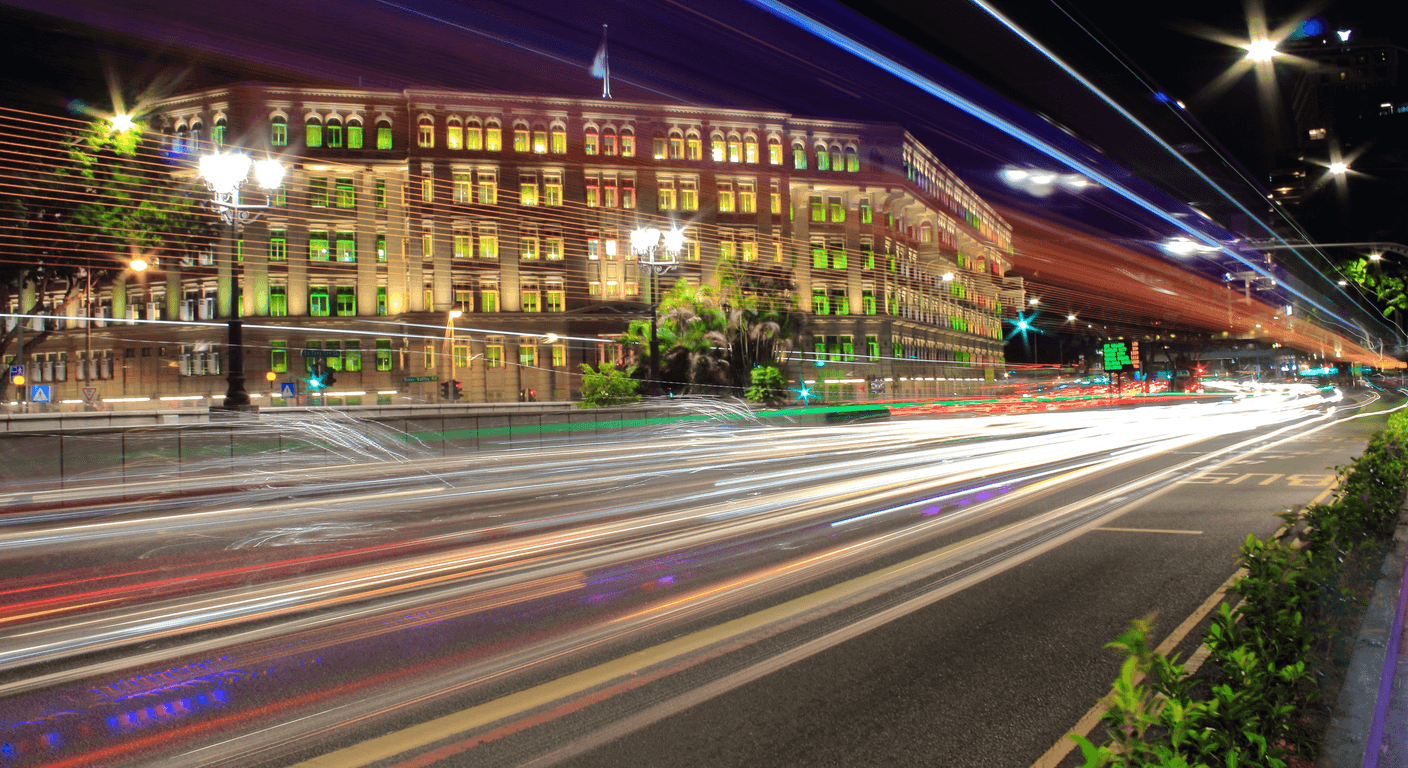
Chinatown's shophouse-lined streets — particularly Pagoda Street, Trengganu Street and the area around the Sri Mariamman Temple — offer a very different kind of photograph from the Marina Bay precinct. The colour, texture and layered history here are genuinely compelling, and the covered five-foot-ways (the shaded colonnades running along the front of shophouses) provide welcome relief from the sun. This is Singapore's older urban fabric, and it rewards slow walking.
Be honest about the terrain: Chinatown's heritage streets have uneven pavement in places, occasional kerb drops and narrow footpaths that can feel crowded on weekend mornings. Wear supportive shoes rather than sandals. The Chinatown MRT station (North-East and Downtown Lines) is lift-accessible and puts you directly at the edge of the precinct. Plan to spend no more than ninety minutes walking before finding a table — the hawker stalls at Chinatown Complex Food Centre on Smith Street are good for a rest stop, and the air-conditioned interior is welcome. Indicative meal costs at hawker centres run roughly AUD 6–12 per dish; confirm current prices locally.
Kampong Glam, centred on Arab Street and the Sultan Mosque, is a twenty-minute MRT ride from Chinatown (change at Dhoby Ghaut to the Circle Line, or take a Grab). The mosque's gold dome is spectacular in morning light, and the surrounding streets — Haji Lane in particular, with its painted shopfronts — are popular with photographers of all ages. Pavement quality is better here than in parts of Chinatown, though still worth watching underfoot. Several cafes along Arab Street have outdoor seating in the shade. Do Chinatown and Kampong Glam on separate days; trying both in one session in Singapore's heat is ambitious to the point of counterproductive.
Managing Heat, Humidity and Pacing: The Honest Advice
Singapore's humidity is not a footnote — it's the central planning challenge for any visitor, and more so for older travellers whose bodies regulate temperature less efficiently. Even in the 'cooler' months between October and March, expect 85–90% humidity most days. The practical response is to organise every outdoor activity for before 10 am or after 5 pm, and to treat the middle of the day as hotel time — a rest, a cool room, perhaps a swim. This isn't conceding defeat; it's how the locals live.
Carry water constantly. Singapore has drinking water fountains and 7-Eleven stores throughout the tourist precincts, so refilling is straightforward. A small folding fan is worth more than it sounds. Light, loose-fitting clothing in natural fibres is more comfortable than synthetics. Sunscreen should be applied before leaving the hotel, not when you arrive at a location. A compact umbrella doubles as a sun shade — you'll see Singaporeans using them this way routinely.
The MRT is air-conditioned throughout and is genuinely the most comfortable way to move between locations. Singapore's system is well-signed in English, has lift access at most stations (check the TransitLink website for specific station accessibility information before you go), and is cheaper than taxis for most journeys. A stored-value EZ-Link card, purchased at any MRT station, makes ticketing simple. If a location feels too far or too hot to walk from the station, Grab is reliable and reasonably priced — there's no shame in a five-minute ride to save energy for the photography.
Quick planning guide
| Ideal pace | Slow-paced — one to two photo locations per day |
|---|---|
| Best months | October to March (cooler, though still hot and humid) |
| Suggested stay | Around seven nights |
| Mobility level | Moderate — mostly flat and lift-accessible, with some uneven pavement in Chinatown |
| Cost level | Mid-range, with paid attractions such as Cloud Forest and the SkyPark roughly AUD 30–40 |
| Comfort level | High if midday heat is avoided and activities scheduled before 10am or after 5pm |
| Best for | Over-50 and solo travellers interested in photography and a gentler pace |
| Main planning consideration | Managing heat and humidity by timing outdoor photography for early morning or evening |
Key takeaways
- Singapore's major photo spots are accessible by lift-equipped MRT stations, making the city workable for travellers with moderate mobility.
- The Supertree Grove light display and Helix Bridge are best photographed in the thirty minutes before and after the display begins — around 7–8 pm.
- All outdoor photography in Singapore is best done before 10 am or after 5 pm; midday heat and humidity are genuinely uncomfortable for older travellers.
- Chinatown and Kampong Glam have uneven pavement in places — supportive shoes and a willingness to pace yourself are more useful than a packed schedule.
- One to two locations per day is a realistic and rewarding pace; Singapore has enough to occupy seven nights without ever feeling rushed.
- Travel insurance covering pre-existing conditions is essential — Singapore's private medical care is excellent but expensive without cover.
Recommended partners and links
Indicative prices only — always confirm with the operator before booking.
Frequently asked questions
Is Singapore a good destination for solo female travellers over 50?
Singapore is consistently regarded as one of Asia's safest cities for solo female travellers. English is widely spoken, public transport is reliable and well-lit, and the tourist precincts are populated at all hours. Most major attractions have accessible facilities and clear signage, making navigation straightforward without a travel companion.
What is the best time of year for Australians to visit Singapore for photography?
October to March offers Singapore's driest and marginally cooler conditions, with humidity slightly lower than the June-to-September period. Skies tend to be clearer in the early morning and around sunset, which are the best light times for photography regardless of season. Avoid the school holiday peak of late December if crowds are a concern.
How much does it cost to visit Gardens by the Bay and Marina Bay Sands SkyPark?
Gardens by the Bay's Cloud Forest and Flower Dome combo ticket runs roughly AUD 30–40 at current exchange rates; the Supertree Grove is free to walk through. The Marina Bay Sands SkyPark Observation Deck costs around AUD 30–35 for non-hotel guests. Both prices are indicative — confirm current SGD rates directly with each attraction before booking, as prices change.
Is the Singapore MRT accessible for travellers with limited mobility?
Most Singapore MRT stations have lift access, though some older stations on the East-West and North-South lines have more limited facilities. The TransitLink website (transitlink.com.sg) provides current accessibility information for each station. Stored-value EZ-Link cards simplify ticketing and are available at all MRT stations.
How long does the flight from Australia to Singapore take?
Direct flights from Sydney and Melbourne to Singapore's Changi Airport take approximately nine hours. Qantas, Singapore Airlines and Scoot all operate the route. No stopover is required, which is a practical advantage for older travellers. Confirm current schedules and direct route availability with your airline or travel agent before booking.