Singapore rewards a full week rather than a stopover, with no single best season — humidity sits around 30°C year-round, so mornings outdoors and air-conditioned afternoons work best. Highlights include the UNESCO-listed Botanic Gardens, hawker centres, heritage neighbourhoods Tiong Bahru and Katong, and a day trip to Pulau Ubin. Mobility is easy, with lift-equipped MRT stations throughout, and direct flights from Melbourne or Sydney take about eight hours with no stopover required.
Why Singapore Deserves More Than a Layover
There's a particular kind of travel snobbery that dismisses Singapore as too clean, too planned, too easy. Ignore it. For an Australian traveller in his late sixties, those qualities are actually the point. The city works — the trains run, the footpaths are covered against rain, English is everywhere, and nobody looks at you sideways if you eat dinner at 6pm. That's not a compromise. That's a decent starting position.
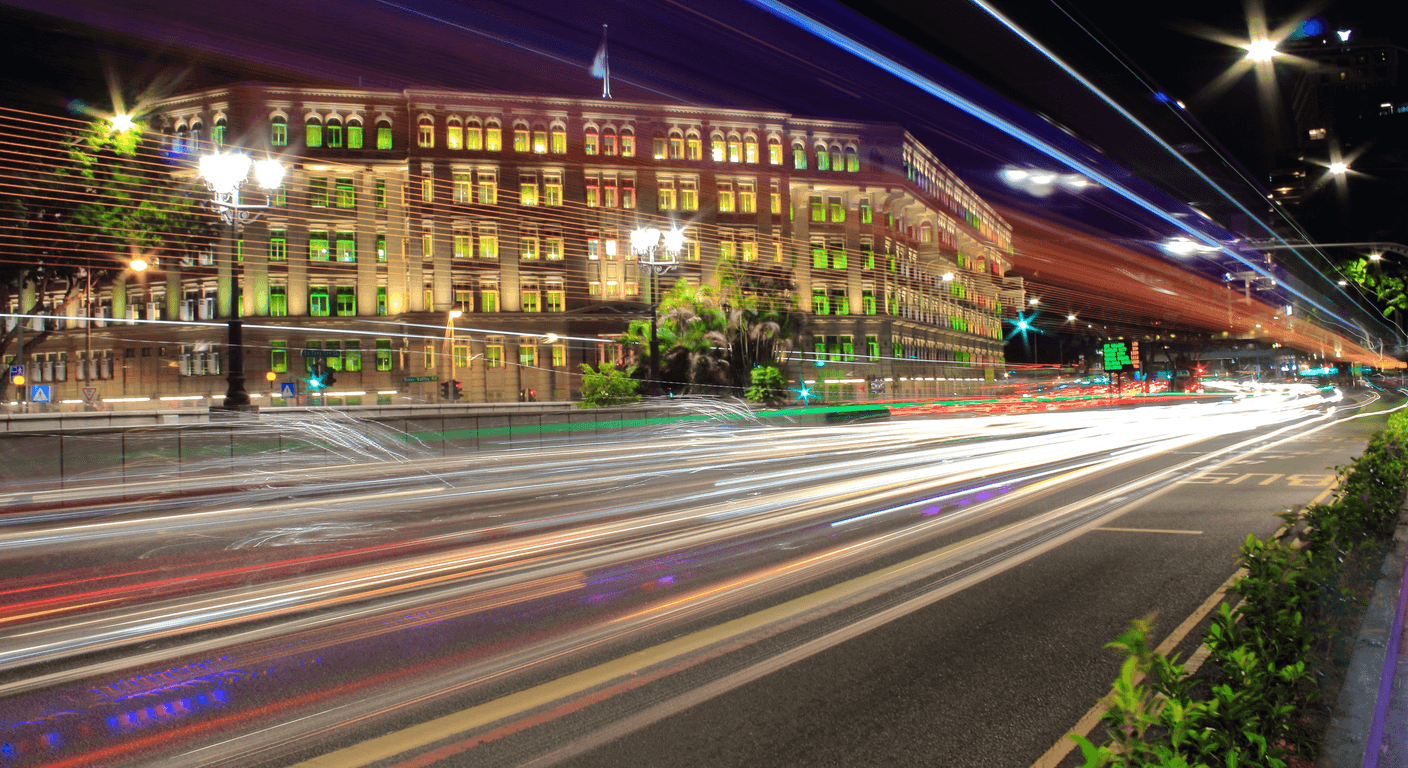
What Singapore offers beyond its famous efficiency is genuine depth: four distinct cultural districts that don't feel staged, a hawker food culture that UNESCO recognised for good reason, and a pace that rewards slowing down. A week gives you enough time to get past the Marina Bay postcard and into the city's quieter, more interesting self. The colonial Botanic Gardens. The 1950s shophouse lanes of Tiong Bahru. The Peranakan terraces of Katong. A morning on the almost-rural island of Pulau Ubin. These aren't afterthoughts — they're the substance.
Solo travel works particularly well here. Singapore is safe by any reasonable measure, the MRT eliminates the anxiety of navigating unfamiliar streets, and hawker centres are by design communal spaces where eating alone at a shared table is entirely normal. Nobody's going to make you feel odd for reading a book over your laksa.
Getting There: The Flight Reality from Australia
From Melbourne or Sydney, Singapore is roughly eight hours in the air — direct, no stopover required. That's a meaningful distinction from, say, Europe. Singapore Airlines, Qantas and Scoot all operate direct services; confirm current schedules and availability with your preferred carrier or a travel agent, as routes and frequencies shift. From Brisbane it's closer to seven and a half hours; from Perth, around five. For a traveller who finds long-haul flying uncomfortable, Singapore is about as accessible as international travel gets from Australia's east coast.
Even so, a recovery night matters. Book your first Singapore night somewhere calm — Emerald Hill near Orchard Road, or a quieter hotel in the Tanjong Pagar area — and plan nothing more strenuous than a short evening walk to a nearby hawker centre. The humidity hits as soon as you step outside Changi, and your body is already managing a three-hour time difference. There's no virtue in pushing through it. The city will be there tomorrow morning.
Travel insurance is non-negotiable and worth dwelling on. Australian insurers vary considerably in how they handle pre-existing conditions for travellers over 65, so read the product disclosure statement carefully rather than assuming coverage. The Australian Government's Smartraveller website (smartraveller.gov.au) carries current entry requirements, health advisories and consular contacts for Singapore — check it before you book and again before you depart. Visa arrangements for Australian passport holders have historically been straightforward, but confirm the current position directly with the Singapore Immigration and Checkpoints Authority (ica.gov.sg).
Getting Around: The MRT Is Your Friend
Singapore's Mass Rapid Transit system is one of the genuinely good things in contemporary urban life. Trains are frequent, air-conditioned, clearly signed in English, and — critically — equipped with lifts at every station. For a traveller managing a sore knee or simply preferring not to navigate stairs with a day bag in 32-degree heat, that last point matters more than the brochures suggest. Pick up an EZ-Link card at Changi Airport arrivals and tap on and off everywhere. Top it up at any 7-Eleven. Simple.
The MRT connects every neighbourhood covered in this guide. Tiong Bahru has its own station on the East-West and Circle Lines. The Botanic Gardens station sits on the Circle Line, a short walk from the main gates. Katong and Joo Chiat are best reached via the East-West Line to Paya Lebar or Eunos, then a short taxi or Grab ride. For Pulau Ubin, take the MRT to Tanah Merah and a bus or Grab to Changi Point Ferry Terminal — the bumboat crossing takes about ten minutes.
Taxis and Grab (Singapore's dominant ride-hailing app) are reliable and reasonably priced by Australian standards. Grab works on a standard smartphone and accepts credit cards; it's worth setting up before you arrive. Walking between attractions within a neighbourhood is pleasant in the early morning — by 10am the humidity earns its reputation, so plan accordingly.
The Botanic Gardens and the Art of the Morning
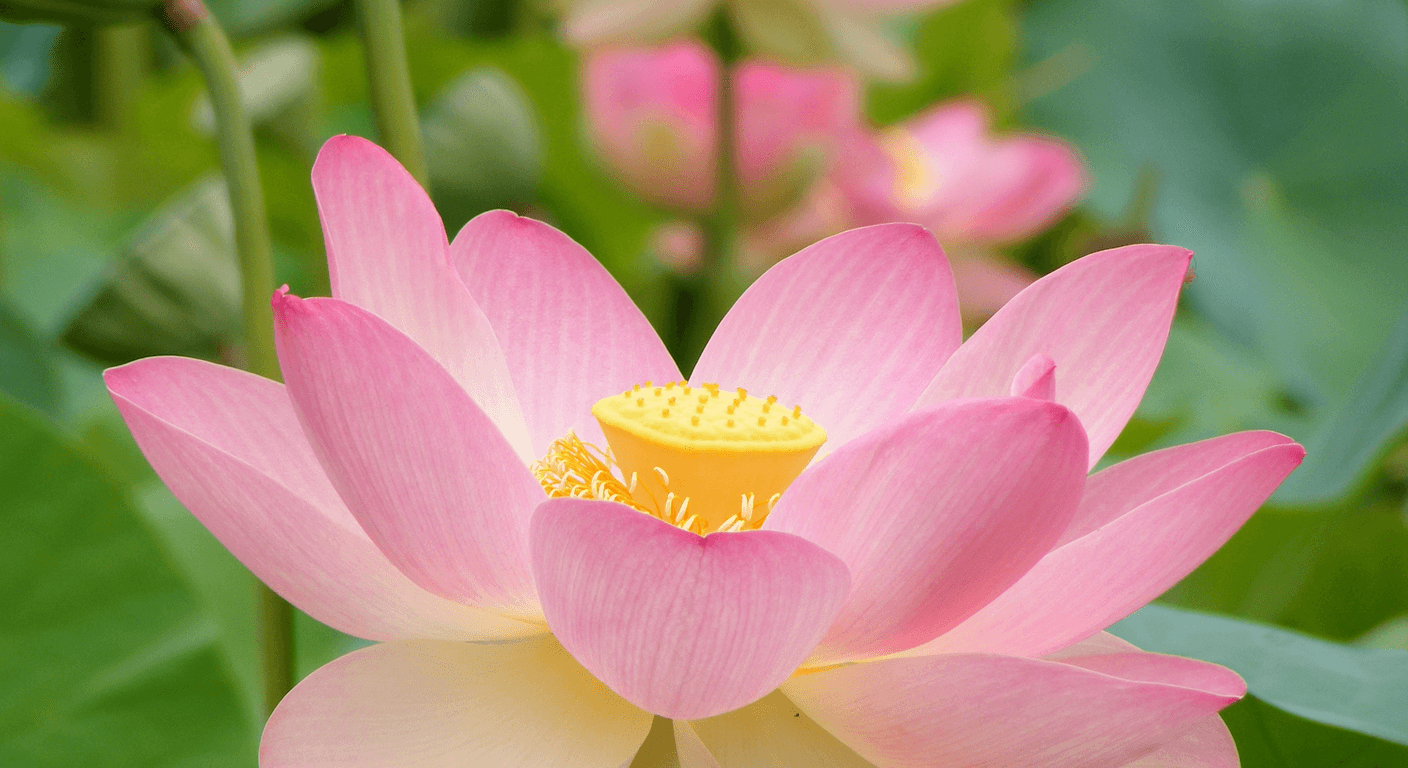
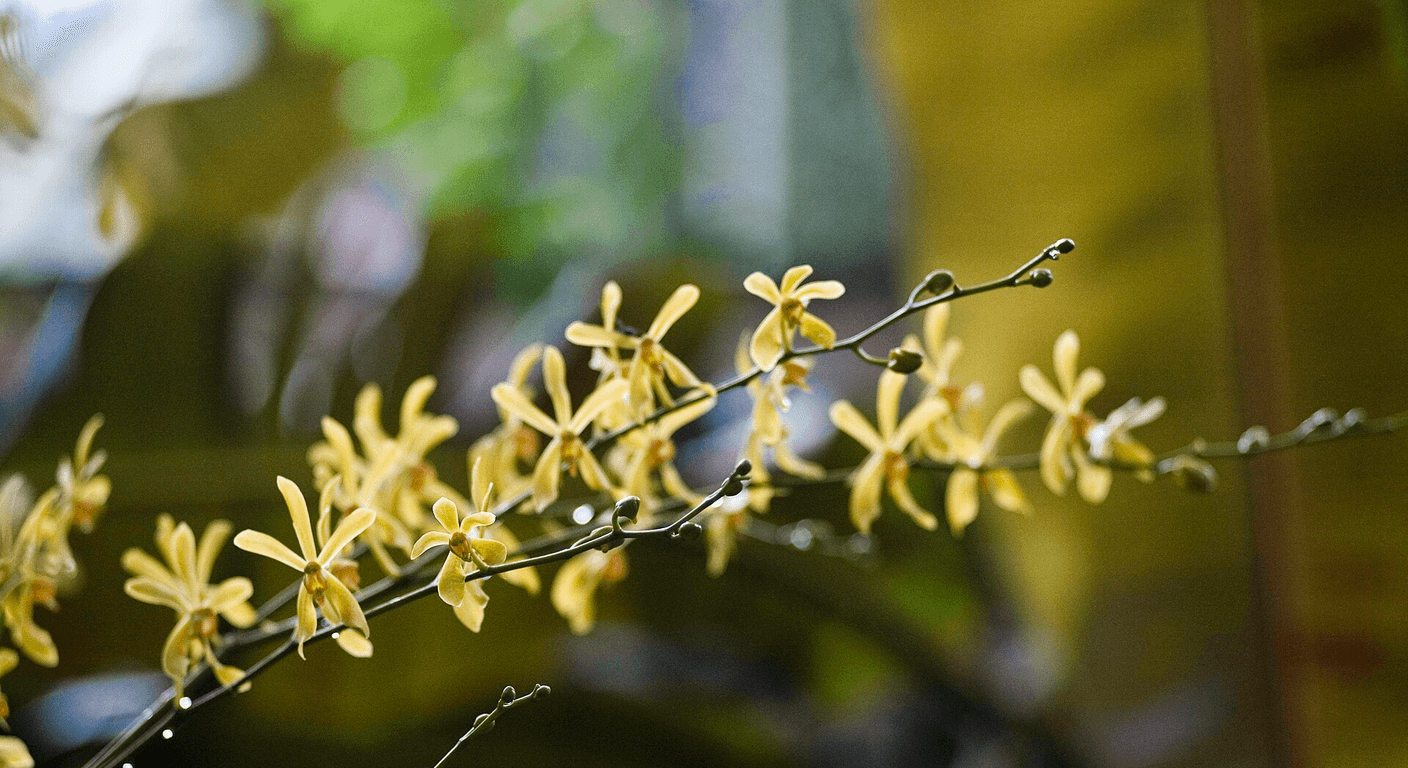
Singapore's Botanic Gardens opened in 1859 and achieved UNESCO World Heritage status in 2015 — the only tropical botanic garden on the UNESCO list. The accolade is deserved. Spread across 74 hectares, the gardens manage to feel both curated and genuinely lush, with the National Orchid Garden at their heart housing over 1,000 species and 2,000 hybrids. Entry to the main gardens is free. The Orchid Garden charges a modest admission fee — around SGD 15 for adults at last check, though confirm current pricing at nparks.gov.sg/sbg.
Go early. The gates open at 5am, and a 7am arrival puts you in the gardens before the heat builds and well ahead of tour groups. The Symphony Lake precinct is quiet at that hour — just joggers, elderly locals doing tai chi, and the occasional monitor lizard doing absolutely nothing at pace. Bring water and wear comfortable shoes with grip; some paths are slightly uneven after rain. The gardens are largely flat and the main paths are sealed, making them accessible for most mobility levels with sensible footwear.
Allow two to three hours. Afterwards, the Botanic Gardens MRT station is a short walk, and by 10am you're already heading somewhere cool for a second coffee. That rhythm — early outdoor, mid-morning retreat — is the template for the whole week.
Tiong Bahru and Katong: Two Neighbourhoods Worth Your Time
Tiong Bahru is Singapore's oldest housing estate, built in the 1930s and 40s in a style that mixes Art Deco with Streamline Moderne — a peculiar and appealing combination that you won't find anywhere else in the region. The low-rise blocks with curved balconies and spiral staircases now house independent bookshops, specialty coffee roasters and small restaurants alongside the traditional provision shops and wet market that have been there for decades. It's a neighbourhood that's gentrified without losing its spine, which is rarer than it sounds.
Start at the Tiong Bahru Market on Seng Poh Road — two floors, ground level wet market, upper floor hawker centre. Arrive by 8am for char kway teow or soon kueh from stalls that have been operating for a generation. Then walk the residential streets: Yong Siak Street and Eng Hoon Street are the most photographed, but wander off them and you'll find the neighbourhood's quieter character. The whole area is compact enough to cover on foot in a comfortable two hours.
Katong and Joo Chiat, on the eastern side of the island, offer a different register entirely. This is Peranakan Singapore — the culture that emerged from centuries of intermarriage between Chinese settlers and Malay communities — expressed in terrace houses painted in coral, mint and gold, with ornate ceramic tiles and carved timber screens. The Peranakan cuisine here is worth the trip alone: laksa from 328 Katong Laksa on East Coast Road has its advocates, and the neighbourhood is full of places serving kueh (Peranakan pastries) with afternoon tea. Allow a half-day and arrive mid-morning, when the streets are photogenic and the temperature is still manageable.
Hawker Centres: Beyond the Famous Ones
Maxwell Food Centre in Chinatown and the Lau Pa Sat financial district hawker centre appear in every guide and draw queues that reflect it. Both are worth visiting — Maxwell for Tian Tian Hainanese chicken rice, Lau Pa Sat for the atmosphere of its Victorian cast-iron hall. But a week in Singapore gives you time to find places that aren't managing tourist volumes.
Old Airport Road Food Centre in Mountbatten is one of the city's largest hawker centres and remains largely a local institution. The char kway teow at stall 01-02 has a following that stretches back decades. Chomp Chomp Food Centre in Serangoon Garden, accessible by MRT to Serangoon then a short taxi ride, is an open-air evening centre popular with families from the surrounding suburbs — the BBQ sambal stingray and carrot cake (the dark, sweet version) are the reason to go. Neither place will feel like a performance.
A practical note on hawker dining: most stalls are cash-preferred, though PayNow QR codes are increasingly common. Bring small notes. The etiquette of 'choping' a table — reserving it with a packet of tissues while you queue — is real and respected. Water is usually available free or for a few cents from a drinks stall; always confirm what you're ordering and its price before you sit, particularly at tourist-adjacent centres. Hawker food is one of Singapore's genuine pleasures, and at SGD 4–8 a dish (indicative; confirm current prices), it's also one of its better values.
Pulau Ubin: Singapore's Other Island
Most visitors to Singapore never cross to Pulau Ubin, which is their loss and your opportunity. This small island off the north-east coast operates at a different pace entirely — unpaved tracks, kampung (village) houses, wild boar occasionally crossing the path, and the Chek Jawa Wetlands boardwalk extending over a mangrove and seagrass ecosystem that genuinely surprises. It's not wilderness exactly, but it's as close as Singapore gets.
Getting there involves a bumboat from Changi Point Ferry Terminal — a flat-bottomed wooden vessel that departs when it has ten passengers, which rarely takes long on a weekend morning. The crossing costs a few dollars each way; confirm current fares at the terminal. On the island, bicycles are available for hire from several operators near the jetty at indicative rates of SGD 8–15 for the day — confirm current pricing on arrival. The terrain is mostly flat, though some tracks are loose gravel. For travellers who'd prefer not to cycle, the Chek Jawa boardwalk is accessible on foot from a short road walk or a hired van from the jetty village.
Go on a weekday if possible — weekends draw Singapore families and the quiet is harder to find. Bring water, sunscreen, and more patience than you think you need. There are a handful of simple food stalls near the jetty. Mobile reception is intermittent. That's rather the point.
Quick planning guide
| Ideal pace | Slow-paced — outdoor mornings followed by air-conditioned midday retreats |
|---|---|
| Best months | Comfortable year-round, though humidity (around 30°C) is constant, so timing of day matters more than season |
| Suggested stay | One week, to move beyond Marina Bay into the heritage neighbourhoods and outer island |
| Mobility level | Easy — MRT stations all have lifts, and key sites like the Botanic Gardens have flat, sealed paths |
| Cost level | Budget-friendly for hawker food and transport, with modest admission fees at sights like the Orchid Garden |
| Comfort level | High — English widely spoken, reliable air-conditioned transport, and a walkable, low-stress city for solo travel |
| Best for | Solo travellers, particularly older Australians wanting an accessible, low-anxiety introduction to South-East Asia |
| Main planning consideration | Structuring each day around the humidity, with outdoor activity early and indoor breaks by mid-morning |
Key takeaways
- Direct flights from Melbourne and Sydney to Singapore take roughly eight hours, making it one of the most accessible international destinations for Australian travellers.
- Singapore's MRT has lifts at every station, making it genuinely usable for travellers with mobility considerations — an EZ-Link card covers the entire network.
- Year-round humidity averages around 30°C; structuring mornings outdoors and afternoons in air-conditioned spaces is the practical solution, not a concession.
- Tiong Bahru and Katong are two distinct heritage neighbourhoods that reward half-day visits and offer a more authentic register than the Marina Bay waterfront.
- Pulau Ubin, reachable by a ten-minute bumboat from Changi Point, offers mangrove boardwalks and unpaved tracks at a pace entirely unlike the city across the water.
- Check current entry requirements and visa rules on smartraveller.gov.au and ica.gov.sg before booking — and read your travel insurance product disclosure statement carefully if you have pre-existing conditions.
Recommended partners and links
Indicative prices only — always confirm with the operator before booking.
Frequently asked questions
Do Australians need a visa to visit Singapore?
Australian passport holders have historically been able to enter Singapore visa-free for short stays, but entry requirements can change. Confirm the current position with the Singapore Immigration and Checkpoints Authority at ica.gov.sg and check the Australian Government's Smartraveller page at smartraveller.gov.au/destinations/asia/singapore before you book.
How long is the flight from Australia to Singapore?
Direct flights from Melbourne and Sydney to Singapore take roughly eight hours. From Brisbane it's around seven and a half hours; from Perth, approximately five. Singapore Airlines, Qantas and Scoot operate direct services — confirm current schedules with your carrier or travel agent.
Is Singapore suitable for solo travellers over 60?
Singapore is one of the more accommodating cities in Asia for solo travellers over 60. English is widely spoken, the MRT is lift-equipped and easy to navigate, tap water is safe, and hawker centres are communal by design — eating alone is entirely normal. Healthcare is of a high standard if needed.
What is the best time of year to visit Singapore?
Singapore is a year-round destination with little seasonal variation — humidity and temperatures stay consistent. February to April tends to bring slightly fewer heavy rain events. There's no 'bad' month, but if you're sensitive to heat, avoid planning the most active days during the November to January monsoon season when afternoon downpours are more frequent.
How much does a week in Singapore cost for an Australian traveller?
As a rough indication, budget SGD 150–250 per day to cover mid-range accommodation, hawker meals, MRT fares and entry fees — though costs vary considerably depending on hotel choice. Always confirm current prices locally. Hawker centre meals are excellent value at roughly SGD 4–8 a dish; hotels in central areas range widely from budget to luxury.
- Singapore Tourism Board — Official Visitor Information
- National Parks Board — Singapore Botanic Gardens
- Smartraveller — Singapore
- Singapore Immigration and Checkpoints Authority
- Land Transport Authority — Singapore MRT Information
- National Environment Agency — Hawker Culture in Singapore
- National Parks Board — Pulau Ubin