Single supplement surcharges on Australian cruises range from around 10% above the per-person twin fare to a full 100% — meaning solo travellers pay the entire double-cabin price. Lines such as Coral Expeditions and some APT departures offer dedicated solo cabins or waived supplements on selected sailings. Best months to investigate solo deals are shoulder season (April–May and September–October). Mobility rating: Easy to Moderate depending on vessel. Access: direct from Sydney, Melbourne, Brisbane and Fremantle.
What is a single supplement, and why does it exist?
A single supplement is the extra charge a cruise line applies when one person occupies a cabin priced for two. The arithmetic is straightforward: a cabin costs the operator roughly the same to service whether one or two people sleep in it, so when a solo traveller books, the line recovers the missing second fare by loading the price. That loading is the single supplement.
The supplement is almost always expressed as a percentage of the per-person twin-share fare. A 25% supplement means you pay 125% of what each person in a couple pays. A 100% supplement — common on older or smaller fleets with no dedicated solo inventory — means you pay the full double-cabin price. On a $3,000 per-person fare, that's $6,000 for one traveller. The difference is $3,000 for the privilege of not sharing a cabin with a stranger.
Cruise lines rarely headline this figure in their advertising. It tends to appear late in the booking process, sometimes only when a travel agent runs the actual quote. That's not accidental. Knowing the supplement percentage before you fall in love with an itinerary is the single most useful habit a solo cruiser can develop.
Who charges what: real supplement rates on Australian-market cruise lines
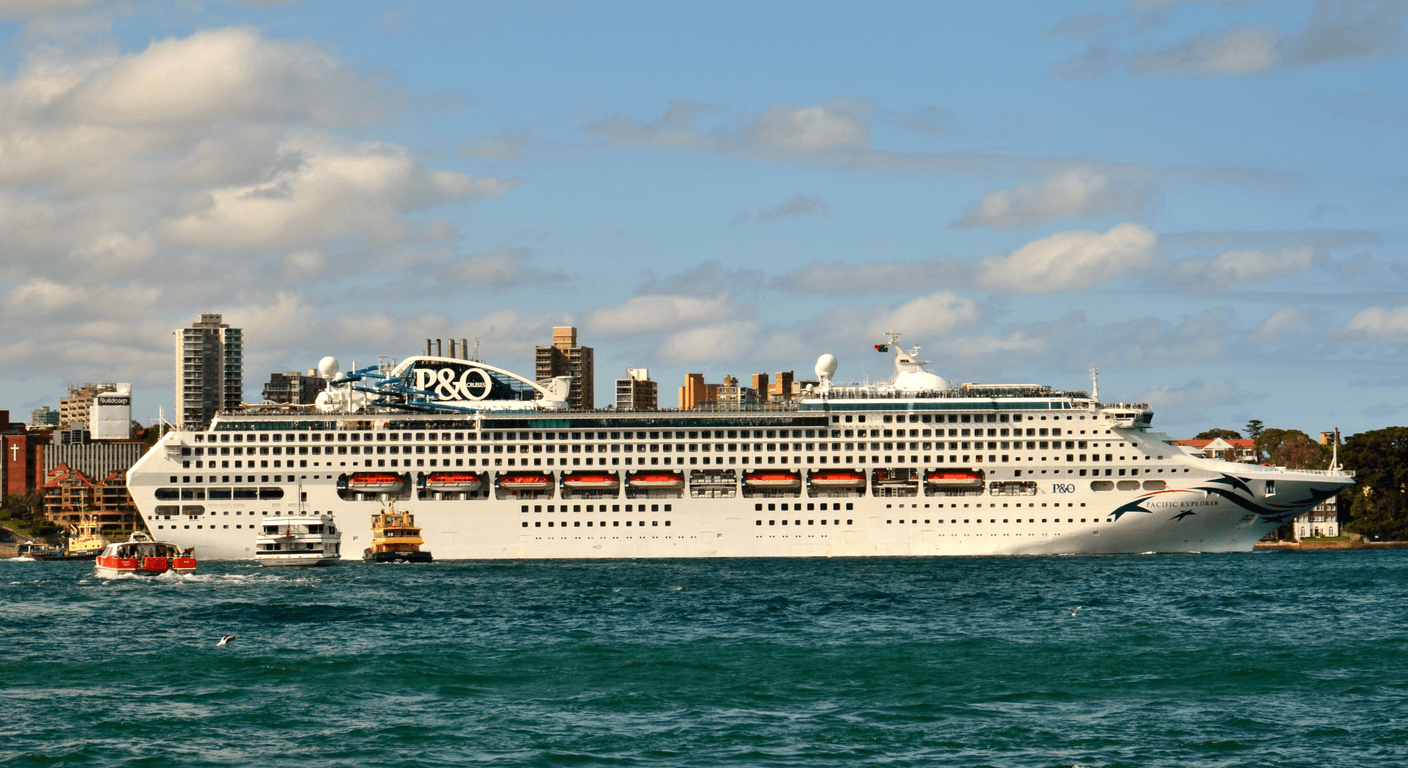
P&O Cruises Australia, which operates large resort-style ships from Sydney, Brisbane and Fremantle, applies a single supplement that typically sits between 50% and 100% depending on the sailing, cabin category and how far out you book. The line does not operate a formal solo cabin category on its Pacific fleet. On popular summer school-holiday itineraries, 100% supplements are common. On quieter shoulder sailings — think a May Pacific Islands run or a September New Zealand crossing — supplements have been quoted closer to 50–75%. These figures are indicative; they shift with inventory and season, so always ask for the solo-specific fare in writing.
Coral Expeditions is a different proposition. The Queensland-based expedition line, which runs small ships along the Kimberley coast, Great Barrier Reef and into the Pacific, has dedicated solo cabins on its vessels Coral Adventurer and Coral Geographer. Solo cabin pricing is fixed and transparent — no supplement calculation required, because the cabin is designed and priced for one. Indicatively, a solo cabin on a 10-night Kimberley sailing runs around $5,500 to $7,500 depending on deck and season; confirm exact rates at coralexpeditions.com. For solo women travellers who want genuine expedition content — tenders, Zodiacs, remote landings — this is the most structurally fair option currently operating from an Australian port.
APT Travel Group offers both river cruises in Europe and Asia and small-ship ocean voyages, many sold into the Australian market. Their supplement structure varies significantly by product. European river cruises (Danube, Rhine, Douro) typically carry a 25–50% single supplement, and APT does maintain a share-match program on selected departures — meaning the line attempts to pair solo travellers of the same gender to share a twin cabin at the twin-share rate. If no match is found, some departures guarantee the twin-share rate anyway; others revert to the supplement. Ask specifically which policy applies to your sailing. APT's small-ship Australian coastal itineraries have carried supplements closer to 50% on recent departures. Their solo-specific inventory is limited, so early booking matters more here than almost anywhere else.
The spectrum from fair to punishing: a quick comparison
Not all supplement structures are equal, and it helps to see them laid out plainly. At the more equitable end: dedicated solo cabins (Coral Expeditions model) where you pay a fixed solo rate and the supplement question simply doesn't arise. Then come lines that charge 10–25% supplements — modest, reflecting a genuine cost-recovery logic rather than a penalty. A 25% loading on a $3,000 twin-share fare adds $750. Uncomfortable, but not prohibitive.
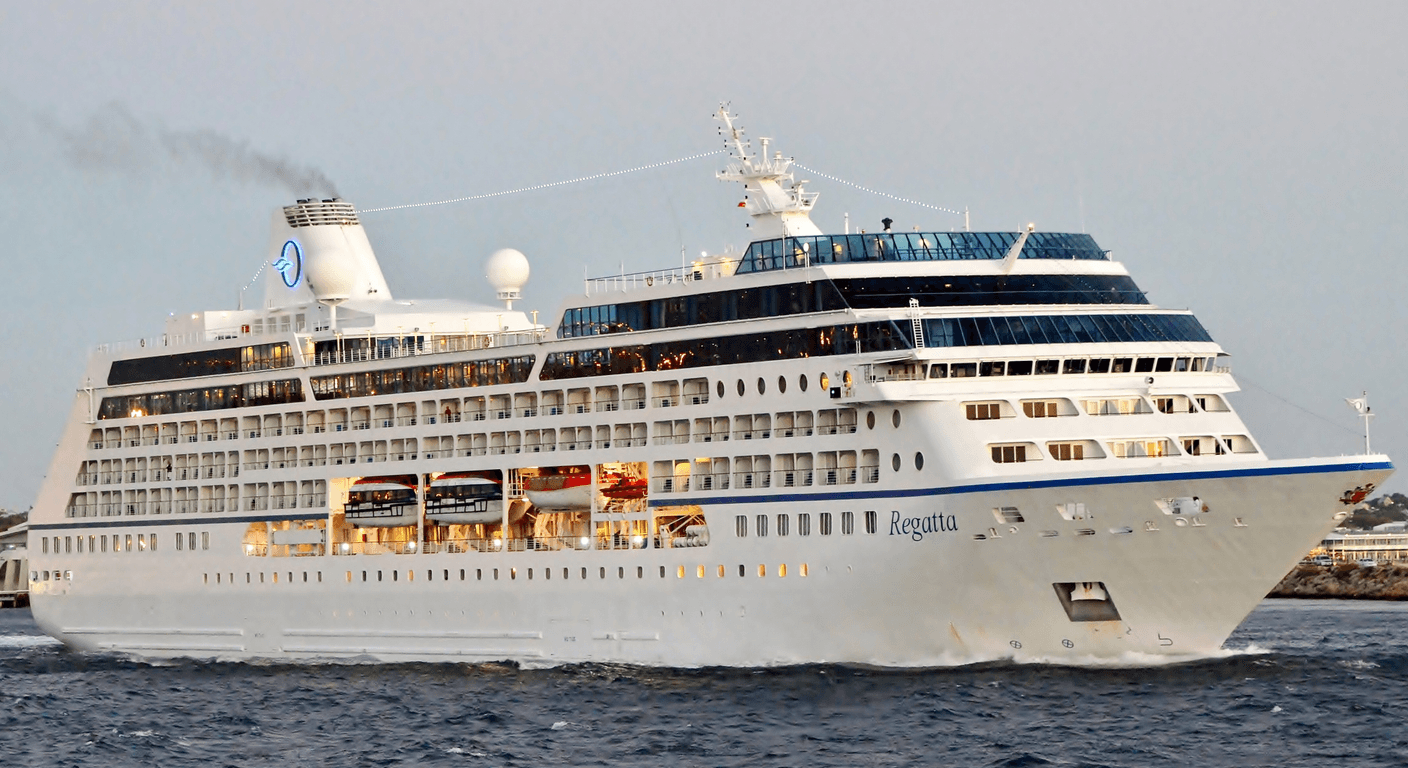
The middle range — 50–75% supplements — is where most large Australian-market cruise lines operate for standard sailings. A 75% supplement on a $4,000 twin-share fare adds $3,000 to your holiday. That's a flight to Europe. At the punishing end sits the 100% doubles-only model, where solo travellers simply pay twice. Some boutique luxury lines that market heavily to Australian travellers — particularly in the ultra-luxury and world-voyage category — operate this way as standard. The logic offered is that their ships have very few single-occupancy cabins and high demand from couples. The practical result is that a solo traveller pays the same as a couple for the same cabin.
There are also lines that advertise 'reduced' supplements of, say, 10–15% on specific sailings as a promotional tool — typically to fill inventory that hasn't sold in the couple-share market. These offers are real and worth watching for, but they tend to appear four to eight weeks before departure rather than at the planning stage. If your travel dates are flexible, this is a genuine strategy. If you need to book twelve months out to secure leave or companion travel, chasing late deals isn't realistic.
What the day actually looks like: boarding, cabin reality, and the social dynamic
This section exists because the supplement is only part of the solo cruise experience. Knowing what embarkation day actually looks like for a solo traveller helps you decide whether the premium is worth paying for a particular ship.
On a large P&O ship departing Sydney's Overseas Passenger Terminal, embarkation typically opens around 11:00 and runs to 15:00, with a staggered check-in by cabin category. Solo travellers in standard inside or ocean-view cabins board in the general queue — no priority lane unless you've paid for a higher category. Your cabin is usually available from around 13:00; luggage may arrive between 14:00 and 16:00. Muster drill (now mostly digital on newer ships) is completed on your phone or at a station. By 17:00 you're free. Dinner sittings on traditional-dining ships can feel the most pointed moment for solo travellers — a table for one in a dining room built for couples and families. Most lines now offer open-seating or shared-table options; ask specifically when booking, because 'open seating' sometimes just means 'choose your own time' rather than 'sit with other guests'.
On a Coral Expeditions vessel, the scale changes everything. With 120 passengers or fewer, the social architecture is built differently — briefings, shore landings and Zodiac transfers happen in small groups, and solo travellers integrate naturally rather than standing out. Expedition staff introduce guests to each other from day one. The day typically runs: 06:30 wake call, 07:00 breakfast, 08:00 Zodiac or tender loading, morning landing or snorkel, back aboard by 11:30, lunch, afternoon briefing, second landing or activity 14:30–17:00, cocktail hour, dinner communal-style at 19:00. There's almost no dead time in which to feel conspicuous. That social reality is worth factoring into any supplement calculation.
How to negotiate, when to book, and what a good travel agent actually does
The single most useful thing a travel agent with genuine cruise experience does for a solo traveller is call the cruise line's groups or solo desk directly — not the general reservations line — and ask what solo rates exist that aren't published. Some lines maintain unpublished solo fares or reduced-supplement inventory that only appears when asked for. An agent who books volume with a particular line often has access to these. If your agent doesn't know to ask, find a different agent. Cruise Guru and a handful of specialist Australian cruise agencies have dedicated solo-travel consultants; it's worth seeking them out rather than using a generalist.
Timing matters differently for solo travellers than for couples. The conventional wisdom — book early for the best cabin, book late for the best price — applies differently here. Solo cabin inventory (where it exists) is small and genuinely sells out early; on Coral Expeditions sailings, solo cabins on popular Kimberley departures can be gone eight to twelve months out. For lines without dedicated solo cabins, the late-deal model can work well if your dates are flexible: supplements of 10–15% sometimes appear on sailings four to six weeks out. The risk is that the itinerary or dates may not suit you, and popular sailings never reach that discount threshold.
One practical negotiation point that's underused: if you're travelling with a friend or in a small group and one of you is solo, ask the agent to price the group as a package. Some lines offer group rates from eight to ten passengers that effectively absorb the solo supplement into the group discount. A group of eight friends where one is travelling solo may find the per-person group rate lower than the individual twin rate — meaning the supplement effectively disappears. It requires coordination, but for a group travelling together from regional Victoria or anywhere with a strong friendship-group travel culture, it's worth the conversation.
The checklist: questions to ask before you book any cruise as a solo traveller
Print this or save it to your phone. Ask every question before you pay a deposit — not after. The deposit is often non-refundable, and supplement structures are rarely disclosed unless you ask directly.
One: What is the single supplement percentage for this specific sailing, this specific cabin category? Get the dollar figure, not just the percentage. Two: Does this ship have dedicated solo cabins? If yes, how many, what deck, and what's the fixed solo rate? Three: Is there a share-match program, and what happens if no match is found — do I revert to the supplement or get the twin rate guaranteed? Four: Are there any sailings on this itinerary where the supplement is waived or reduced, and what are the dates? Five: What is the cancellation policy if I need to change my booking, and does my travel insurance cover pre-existing conditions for this destination? Six: Are there any card surcharges on onboard accounts (yes, some ships charge 1–3% on credit card purchases — budget accordingly). Seven: Is there accessible boarding — step-free gangway, lift access to all decks, and a bathroom with handrails — if that's relevant to you or a travel companion?
A note on Seniors Card concessions: cruise lines operating from Australian ports do not typically offer Seniors Card discounts, as these are state-based retail programs rather than transport concessions. However, some travel agencies offer loyalty or repeat-customer discounts that effectively function similarly — ask your agent. If you hold a Commonwealth Seniors Health Card or Pensioner Concession Card, check whether your travel insurance provider offers a premium concession, as some Australian insurers do. And always register your trip on the Department of Foreign Affairs and Trade's Smartraveller service at smartraveller.gov.au — it's free, takes four minutes, and matters if something goes wrong at sea.
A solo traveller's perspective vs a couple's perspective on supplement fairness
Solo traveller's perspective: the supplement isn't just a financial issue — it's a signal about how an operator values you as a customer. A line that charges 100% and offers no share-match, no solo cabin, and no shoulder-season waiver is telling you plainly that its product is designed for couples and you're an afterthought. You can still book it, but go in clear-eyed. Lines that have invested in solo cabin infrastructure, published solo rates, and share-match programs are making a different statement. For a 66-year-old travelling alone — perhaps after a life change, perhaps simply because that's what suits right now — the difference in how you're treated on board often tracks the difference in how you were treated in the booking process.
Couple's perspective: the supplement issue can still affect couples travelling with a solo friend, as noted above in the group-rate section. It's also worth knowing that some couples book a second cabin for a solo friend and split the supplement cost between the three of them — effectively treating the solo supplement as a shared group expense. It's an informal arrangement, but one that works in close friendship groups and is worth floating. The other consideration for couples is that some 'solo cabin' ships place those cabins on lower decks or interior positions to keep costs down; if you're booking as a couple and your solo friend is on a different deck with a different cabin grade, the social experience fragments somewhat. Factor that in when comparing options.
For friends groups — say, four women travelling together where one is solo — the most practical approach is often to book the whole group through a single agent, declare the solo traveller upfront, and ask for a group rate that treats everyone equitably. Some lines will negotiate. Some won't. The ones that won't are telling you something useful about how the rest of the cruise will go.
Quick planning guide
| Ideal pace | Relaxed — cruising suits travellers who want unpacking to happen once |
|---|---|
| Best months | April–May and September–October for shoulder-season solo deals |
| Suggested stay | 7–14 nights for coastal itineraries; 10–21 nights for expedition or river sailings |
| Mobility level | Easy to Moderate; confirm step-free cabin and gangway access before booking |
| Cost level | Wide range — from around $150 per person per night (twin share basis) to $600+ for expedition-style solo cabins |
| Comfort level | High on larger ships; boutique on expedition vessels — both suit over-50 travellers well |
| Best for | Solo women travellers, friends groups, anyone who values logistics handled end-to-end |
| Main planning consideration | Always ask the supplement percentage before comparing headline fares — the number is rarely in the brochure |
Key takeaways
- Single supplements on Australian-market cruises range from around 10% on promotional sailings to a full 100% doubles-only fare — always ask for the dollar figure, not just the percentage.
- Coral Expeditions offers fixed-price solo cabins on its expedition fleet, making it the most structurally transparent option currently departing Australian ports.
- APT's share-match program can eliminate the supplement entirely on selected river cruise departures — but confirm in writing which policy applies to your specific sailing.
- P&O Australia supplements are typically 50–100% depending on sailing and season; shoulder-season departures in April–May and September–October tend to carry lower loadings.
- A travel agent who calls the cruise line's solo desk directly — not general reservations — will access unpublished solo fares and reduced-supplement inventory that never appear online.
- A group of eight or more friends, including a solo traveller, may find a group rate that effectively absorbs the supplement — ask your agent to price the group as a package before comparing individual fares.
Recommended partners and links
Indicative prices only — always confirm with the operator before booking.
Frequently asked questions
What is a typical single supplement percentage on Australian cruises in 2026?
On Australian-market cruise lines in 2026, single supplements typically range from 50% to 100% of the per-person twin-share fare, depending on the line, ship, cabin category and time of year. Promotional sailings occasionally carry supplements of 10–25%. Coral Expeditions is an exception, offering fixed-price solo cabins rather than a supplement-based model.
Which Australian cruise lines offer solo cabins or waived supplements?
Coral Expeditions offers dedicated solo cabins on its Coral Adventurer and Coral Geographer vessels with fixed pricing. APT offers a share-match program on selected river and small-ship departures that can result in a waived supplement if a compatible travel companion is found. Some lines waive or reduce supplements on specific shoulder-season sailings — confirm directly with the operator or through a specialist cruise agent.
Is it possible to negotiate a lower single supplement with an Australian cruise line?
Yes, in some cases. Travel agents with high booking volumes at a specific line often have access to unpublished solo fares or reduced-supplement inventory. Asking specifically for shoulder-season sailings, monitoring late-availability deals four to six weeks before departure, and booking as part of a group of eight or more can all reduce or eliminate the supplement. Always get the agreed solo rate confirmed in writing before paying a deposit.
Does a Seniors Card or Pensioner Concession Card help with cruise costs in Australia?
Cruise lines operating from Australian ports do not typically honour state-based Seniors Card discounts. However, some Australian travel insurers offer premium concessions to Commonwealth Seniors Health Card or Pensioner Concession Card holders — worth asking your insurer directly. Repeat-customer or loyalty discounts from specialist cruise agencies can function similarly to a concession in practice.
What should a solo traveller ask before booking any cruise?
Ask the single supplement percentage for that specific sailing and cabin category; whether the ship has dedicated solo cabins and at what fixed rate; whether a share-match program exists and what happens if no match is found; whether any sailings on the itinerary carry a waived or reduced supplement; the cancellation and insurance policy; and whether there are onboard card surcharges. Get all of this in writing before paying a deposit.