A 100% single supplement is the industry standard on Australian-market ocean cruises, meaning a solo traveller often pays around 200% of the twin-share fare for one cabin — sometimes 150% where a 50% supplement applies. This guide is for solo travellers over 50 comparing P&O, Princess, Coral Expeditions and river cruise lines. Always confirm current pricing and any dedicated solo-cabin availability directly with the cruise line or a travel agent before booking.
The single supplement: what it actually means for your wallet
A cruise cabin is priced for two people. When you travel solo, the cruise line still needs to recover the full cabin revenue — so they charge you a supplement on top of the base fare. In practice, this means a solo traveller often pays what two people would pay between them. The industry standard on Australian-market ocean cruises sits at a 100% single supplement, which brings the total to 200% of the per-person twin-share rate. Some lines go further, applying a 50% supplement that takes the total to 150% of twin share. Either way, you're paying a meaningful premium for the privilege of not having a stranger in your cabin.
The maths matters. Take an indicative 10-night Pacific sailing priced at around $2,000 per person twin share. At a 100% supplement, a solo traveller pays roughly $4,000 for the same cabin. At 50%, it's $3,000. That $1,000 difference funds a shore excursion, a flight upgrade, or simply stays in your pocket. Always ask the line or your travel agent to state the supplement as a dollar figure, not just a percentage — it makes comparison far easier. And always confirm current pricing directly, as promotional solo rates can reduce these figures significantly at certain booking windows.
How do P&O Australia, Princess Cruises and Coral Expeditions compare?
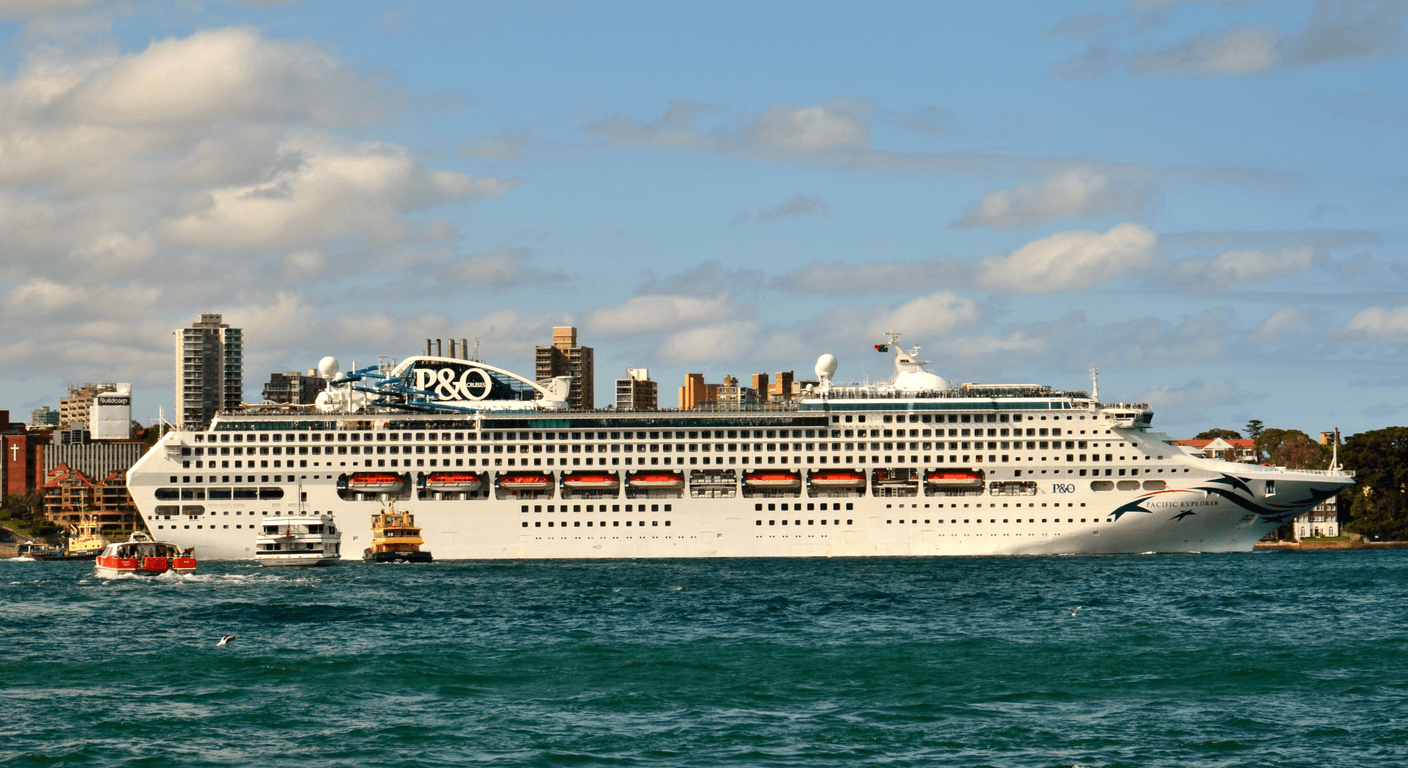
P&O Cruises Australia, sailing from Sydney, Brisbane and Melbourne on Pacific and New Zealand itineraries, has historically applied a 100% single supplement on most cabin categories. That said, P&O periodically releases solo promotions — often in the quieter booking months of January to March — where the supplement drops to 50% or, rarely, disappears entirely on specific sailings. These deals don't last long and aren't heavily advertised. Signing up for P&O's email alerts and checking the website regularly during those windows is the most reliable way to catch them. The line's Inside cabins are where solo deals most commonly appear.
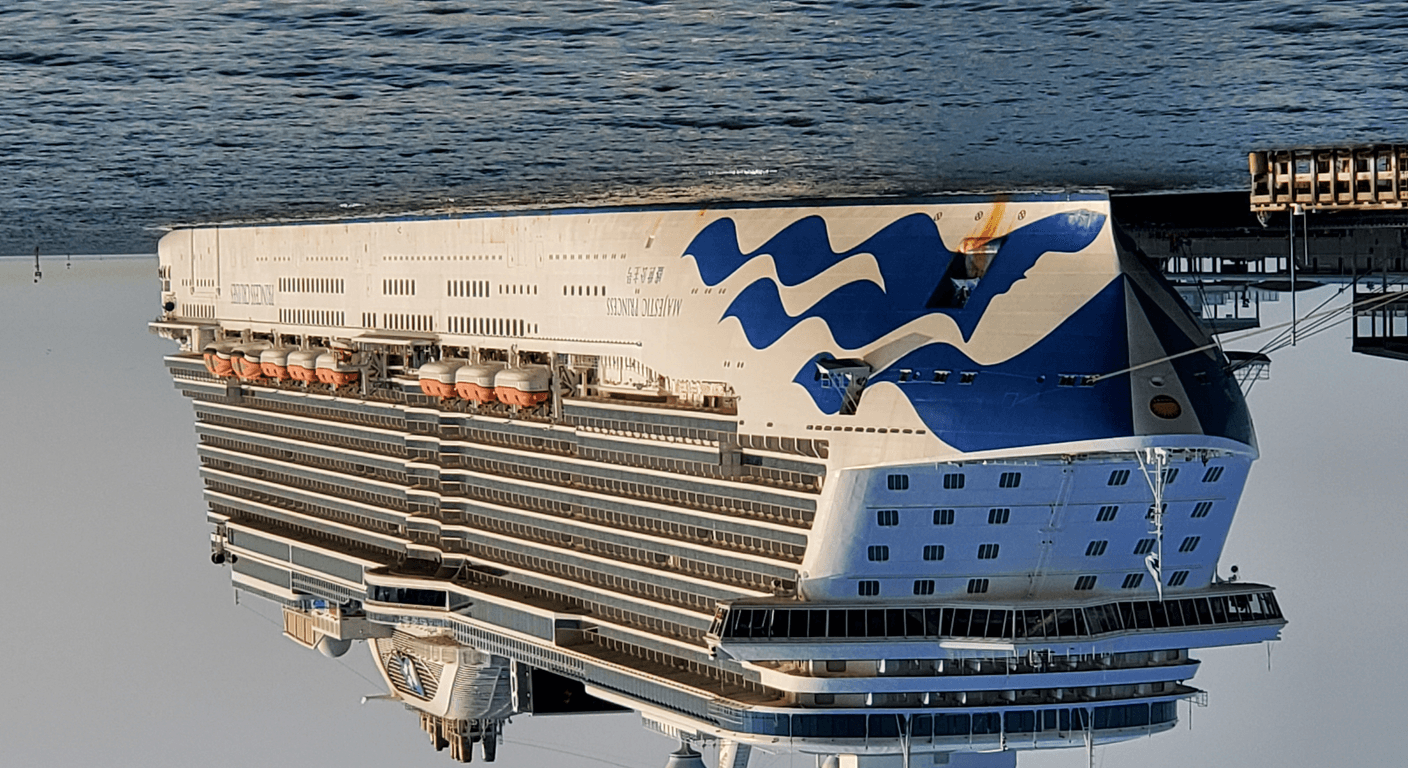
Princess Cruises, which operates larger ships from Australian ports including Sydney and Fremantle on round-Australia, New Zealand and Pacific routes, has made a more structural commitment to solo travellers on certain vessels. The Sun Princess, which entered service in 2024 and operates in the Australian market, includes dedicated solo staterooms — purpose-designed single-occupancy cabins priced at a reduced supplement rather than the full twin-share penalty. This is a meaningful step. On older Princess ships without dedicated solo inventory, the standard supplement applies. Always check which ship is operating your specific sailing, because the vessel makes a significant difference to your pricing.
Coral Expeditions is a different proposition entirely. This Australian-owned line operates small expedition ships on routes including the Kimberley coast, the Great Barrier Reef and Papua New Guinea — itineraries that suit the traveller who wants more than a pool deck. Coral has offered dedicated solo cabins on some of its vessels, and while the supplement still exists, it tends to be lower than the major ocean lines as a proportion of the base fare. The smaller ship environment also means solo travellers integrate naturally into the group — there's no vast dining room where you're conspicuously eating alone. For an over-50 solo traveller with an interest in natural history and remote Australia, Coral Expeditions deserves serious consideration.
River cruising: where solo pricing fairness has moved faster
It's worth being direct about this: Australian river cruising and the European river cruise lines that market heavily to Australians have, broadly speaking, treated solo travellers better than the ocean cruise sector. Lines including Scenic, Emerald Cruises and APT have at various points offered solo supplements as low as 25–50% on select sailings, and some have run genuine no-supplement promotions. The ships are smaller, the cabins are compact, and the economics of filling every berth push operators toward solo-friendly pricing in a way that large ocean ships, with their scale and pricing complexity, have been slower to follow.
This doesn't mean river cruising is automatically cheaper for solos — the base fares on premium European river cruises are substantial, and a 50% supplement on a high base fare still adds up. But the direction of travel is clearer. If you're comparing a European river cruise against an equivalent ocean voyage for a solo over-50 trip, factor in the supplement structure as part of the total cost calculation, not an afterthought.
What is a cabin share programme, and is it worth considering?
Some cruise lines offer a cabin share or 'guaranteed share' programme, where two solo travellers of the same gender are matched to share a twin cabin, each paying the standard per-person twin-share rate. The appeal is obvious: no supplement. The reality requires a clear-eyed assessment. You are sharing a small cabin — typically 15–18 square metres on an ocean ship — with a stranger for the duration of the voyage. Sleep schedules, bathroom habits, tidiness and noise tolerance all become relevant. Some travellers find it works perfectly and make a lasting friend. Others find it deeply uncomfortable.
P&O Australia has offered a guaranteed share programme on some sailings. If you're considering it, ask the line what happens if no match is found — the usual answer is that you get the cabin to yourself at the twin-share rate, which is actually the best outcome. For a traveller who values privacy and a reasonable night's sleep, the supplement may simply be the honest price of that. There's no shame in deciding it's worth paying.
When to book: timing solo fare releases
Solo fare promotions on Australian cruises tend to cluster in two windows. The first is January to March, after the Christmas rush, when lines are filling remaining inventory on sailings departing in the second half of the year. The second is September to October, when early-release pricing for the following year's summer and autumn sailings sometimes includes solo incentives. Neither window is guaranteed — it depends entirely on how well the specific sailing is selling — but these are the periods worth monitoring.
Last-minute bookings can also yield solo deals, particularly on Pacific sailings where a ship is sailing in under six weeks and cabins remain unsold. The risk is obvious: you may not get your preferred itinerary or cabin type. For a traveller with flexibility — a retired person with no school-holiday constraints, for instance — this can work well. For someone with a specific itinerary in mind, the early-release window is the more reliable strategy.
Joining the loyalty programmes of the lines you sail with is worth doing regardless of solo pricing. P&O's Captain's Circle equivalent and Princess's Captain's Circle both offer advance notice of promotions to members, and loyalty discounts can sometimes be stacked with solo offers. Check the terms carefully — not all promotions combine.
Practical considerations for solo over-50 travellers on Australian cruises
The logistical case for cruising solo is strong. You board once, unpack once, and the ship takes you to multiple destinations. Meals are sociable without being mandatory — you can eat at a shared table or request one for yourself, depending on the line's dining setup. Shore excursions booked through the ship give you a group context without having to organise your own transport in an unfamiliar port. For someone travelling alone for the first time after years of couple travel, the structure of a cruise removes a lot of the friction.
Travel insurance is non-negotiable and requires attention. As a solo traveller over 50, you're the only person on the policy — there's no travel companion to assist if something goes wrong, and no second income to cover unexpected costs. Ensure your policy covers medical evacuation from a ship at sea, which can be extremely expensive. If you have pre-existing conditions, declare them and confirm coverage in writing before you pay a deposit. The Insurance Council of Australia's website (insurancecouncil.com.au) has guidance on what to look for in travel insurance.
On the social side: solo travellers on cruises are far more common than the marketing imagery suggests, particularly among the over-50 demographic. Most ships have a solo travellers' meet on the first sea day — ask the cruise director's office if one is scheduled. It's not compulsory and it's not awkward. It's simply a practical way to find people who are in the same situation and might want company for dinner or a shore excursion.
Is the industry moving in the right direction?
Honestly, progress has been uneven. The introduction of dedicated solo staterooms on newer ships — Princess's Sun Princess being the relevant Australian-market example — represents genuine structural change. But these cabins are limited in number, and when they sell out, solo travellers on that ship revert to supplement pricing on standard twin cabins. The goodwill gesture of a reduced-supplement promotion doesn't change the underlying model.
The broader advocacy point, which this site has made since its founding, is that pricing a solo traveller at 150–200% of twin share is not a neutral economic necessity — it's a choice. Cabin costs don't double because one person sleeps in it instead of two. Fuel, staffing, food, port fees — these are largely fixed per voyage. The supplement is revenue optimisation, and travellers deserve to call it what it is. That said, the cruise industry has responded to solo demand more visibly in the past two years than in the previous decade, and naming the lines that have made genuine improvements — rather than simply criticising the sector — is the more useful contribution.
For 2026, the practical advice is this: research the specific ship, not just the line. Check whether it has dedicated solo inventory. Compare the total solo fare, not the per-person twin-share headline. Book in the promotional windows. And if the supplement on your preferred sailing is simply too high, consider whether a river cruise or an expedition voyage with more transparent solo pricing delivers a comparable experience. Sometimes the market responds to travellers voting with their bookings.
Quick planning guide
| Who it's for | Solo travellers over 50 booking Australian-market ocean, river or expedition cruises who want to understand and minimise the single supplement |
|---|---|
| How to start | Identify the specific ship for your intended sailing, ask the cruise line or travel agent for the supplement as a dollar figure (not just a percentage), and check for dedicated solo cabins |
| Typical cost | Industry standard is a 100% single supplement (total ~200% of twin-share fare); some lines charge 50% (150% of twin share); river cruise lines have offered 25–50% supplements or occasional no-supplement promotions |
| Time required | Not a fixed duration — solo fare promotions cluster in January–March and September–October, with last-minute deals possible within six weeks of departure |
| Where to get help | The cruise line directly, a travel agent, loyalty programmes such as P&O's and Princess's Captain's Circle, and the Insurance Council of Australia (insurancecouncil.com.au) for travel insurance guidance |
| Key documents needed | Written confirmation from the insurer of cover for pre-existing conditions and medical evacuation from a ship at sea before paying a deposit |
| Main planning consideration | Check which specific ship operates the sailing, since dedicated solo staterooms (such as on Princess's Sun Princess) are limited in number and standard supplement pricing applies once they sell out |
| Renewal or review | Not applicable — monitor promotional booking windows (January–March and September–October) each year, as solo fare offers vary by sailing and season |
Key takeaways
- Australian ocean cruises typically charge solo travellers 150–200% of the twin-share fare — the supplement is a revenue choice, not a fixed cost.
- Princess Cruises' Sun Princess includes dedicated solo staterooms at reduced supplements; always confirm which ship operates your specific sailing.
- P&O Australia and Coral Expeditions both offer solo promotions at certain booking windows — January to March and September to October are the periods to watch.
- River cruise lines marketing to Australians have moved faster on solo pricing fairness than ocean cruise lines, with some offering supplements as low as 25–50%.
- A cabin share programme eliminates the supplement but means sharing a small cabin with a stranger — ask what happens if no match is found before you commit.
- Travel insurance for solo travellers must cover medical evacuation from a ship at sea; declare all pre-existing conditions and confirm coverage in writing.
Recommended partners and links
Indicative prices only — always confirm with the operator before booking.
Frequently asked questions
What is the typical single supplement on Australian cruises in 2026?
The standard single supplement on Australian ocean cruises is 100% of the per-person twin-share fare, meaning a solo traveller pays roughly double the advertised twin-share price. Some lines apply a 50% supplement, bringing the total to 150% of twin share. Promotional solo rates can reduce this, but they apply to specific sailings and booking windows. Always confirm the supplement as a dollar figure when comparing options.
Does P&O Australia offer solo cabins or reduced supplements?
P&O Australia does not permanently offer dedicated solo cabins but periodically runs solo promotions — typically reducing the supplement to 50% or waiving it on selected sailings. These promotions most commonly appear between January and March and on Inside cabin categories. Sign up for P&O's email communications and check the website regularly during those windows. Confirm current offers directly at pocruises.com.au.
Which Australian cruise lines have dedicated solo cabins?
Princess Cruises' Sun Princess, which operates in the Australian market, includes dedicated solo staterooms designed for single occupancy at a reduced supplement. Coral Expeditions offers solo cabins on some expedition voyages. Availability is limited on both lines — check directly with the operator for current inventory on your preferred sailing.
Is river cruising cheaper than ocean cruising for solo travellers?
River cruise lines marketing to Australians — including Scenic, Emerald Cruises and APT — have generally offered lower solo supplements than ocean lines, with some promotions at 25–50% or no supplement at all. However, base fares on premium European river cruises are high, so a lower supplement percentage doesn't always mean a lower total cost. Compare total solo fares, not supplement percentages in isolation.
What should solo travellers over 50 look for in cruise travel insurance?
Solo travellers over 50 should ensure their cruise travel insurance covers medical evacuation from a ship at sea, which can be very costly. Pre-existing medical conditions must be declared to the insurer before paying any deposit — failure to disclose can void a claim. Confirm coverage in writing. The Insurance Council of Australia at insurancecouncil.com.au provides guidance on what to look for in travel insurance policies.
- Carnival Cruise Line Australia (formerly P&O Cruises Australia) — solo and single traveller information
- Princess Cruises Australia — stateroom types and solo options
- Coral Expeditions — expedition voyages and cabin options
- Cruise Passenger — independent Australian cruise industry news
- Insurance Council of Australia — travel insurance guidance
- Australian Competition and Consumer Commission — travel pricing transparency