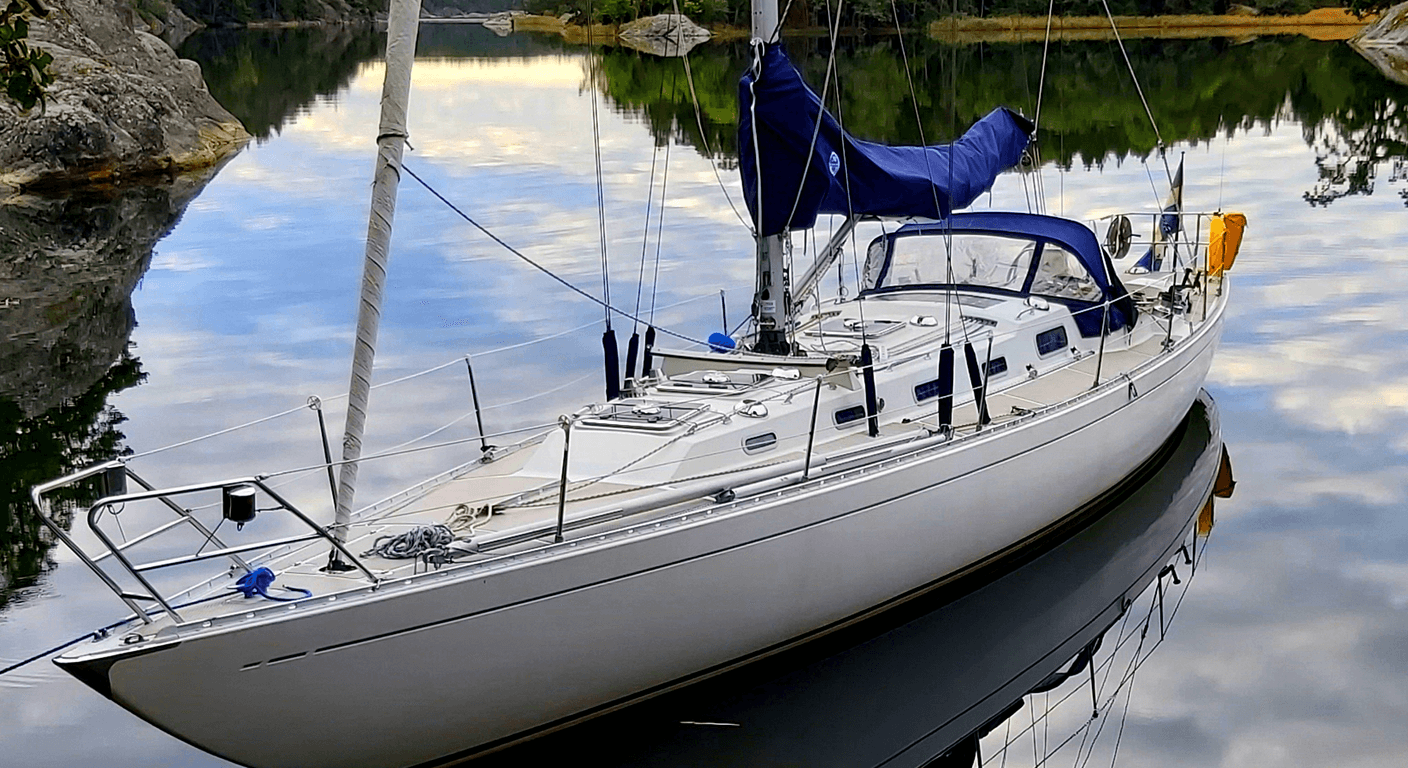
Stockholm's archipelago is best visited June to August, when Waxholmsbolaget ferries run frequently from central Stockholm to islands like Vaxholm (90 minutes) and Grinda (about three hours). A minimum two-day, one-night itinerary lets travellers experience an island overnight rather than a rushed day trip. The defining highlight is slow, car-free ferry travel past red cottages and pine-covered skerries. Mobility demands are moderate, with some uneven walking paths, and access requires a long-haul flight from Australia (20–24 hours with a stopover) followed by an easy public ferry connection — no car or tour group needed.
Why the archipelago, and why by ferry?
Stockholm sits where Lake Mälaren meets the Baltic Sea, and east of the city the land simply dissolves into water — 30,000 islands, skerries and rocky outcrops stretching roughly 60 kilometres to open sea. Swedes have been summering out here for generations, arriving by public ferry with a bag of groceries and no particular agenda. That rhythm suits travellers over 50 rather well.
The key insight is that you don't need to hire a car, join a tour group, or navigate a foreign road system to reach genuinely beautiful, unhurried places. Waxholmsbolaget, the public ferry operator, runs scheduled services from central Stockholm's Strömkajen and Stadsgårdskajen terminals to dozens of islands. The boats are comfortable, the views are immediately arresting, and the experience of watching Stockholm's waterfront recede as you head into the outer islands is itself the point.
For a group of friends travelling together, the ferry deck is where the day really begins — coffee from the onboard kiosk, a seat on the upper deck if the weather cooperates, and the slow pleasure of watching the city give way to forest and granite. It's sociable travel without the logistics of group driving.
Getting to Stockholm from Australia: the long-haul reality
From Melbourne or Sydney, expect a total travel time of roughly 20–24 hours including one stopover — typically in Dubai, Singapore, Doha or a European hub like Amsterdam or Frankfurt. There are no direct flights from Australia to Stockholm. Confirm current routing options with your travel agent or airline, as schedules and codeshare arrangements shift.
Jet lag coming into Scandinavia in summer is its own particular challenge: Stockholm in June and July has daylight until nearly midnight. That light is extraordinary, but it can genuinely confuse your body clock. Build in a full recovery night in Stockholm before attempting any ferry adventure. A centrally located hotel near Gamla Stan or Södermalm puts you within easy walking distance of the ferry terminals and gives you time to find your bearings at a sensible pace.
Travel insurance is non-negotiable for this journey, and for travellers over 50 with pre-existing conditions, finding appropriate cover requires care. Confirm that your policy covers medical evacuation from Sweden — costs there are high for uninsured visitors. Check current Australian Government advice at smartraveller.gov.au before booking, and register your travel plans on the Smartraveller website.
Which islands? Vaxholm and Grinda as starting points
Vaxholm is the natural first island for most visitors — it's about 90 minutes from central Stockholm by Waxholmsbolaget ferry, it has a proper main street with cafés and a bakery, and the 16th-century Vaxholm Fortress sitting in the water is one of those sights that justifies the fare immediately. The town is small enough to walk entirely in a morning, which is exactly right. There's a good guesthouse or two for an overnight stay, and the evening ferry crowd thins out considerably, leaving the island to those who've had the good sense to stay.
Grinda sits further out in the archipelago — roughly three hours from Stockholm, depending on the route — and is a different proposition entirely. It's largely car-free, forested, and quieter. The Grinda Wärdshus, the island's main hotel and restaurant, is a classic Swedish archipelago guesthouse with waterfront views; book well ahead for summer stays as it fills with Swedes who know exactly what they're doing. The walking paths are manageable for most travellers, though some are uneven — sensible shoes rather than heels.
A practical note: the ferry from Stockholm to Grinda often stops at several islands en route, including Vaxholm. That means you can do a layered journey — a morning in Vaxholm, an afternoon ferry onward to Grinda, an overnight, and a direct ferry back to Stockholm the following day. That's a genuinely satisfying two-day arc that doesn't require a single taxi or rental car.
Navigating ferries: tickets, timing, and peak-season realities
Sweden runs almost entirely cashless. On Waxholmsbolaget ferries, payment is by card or the Waxholmsbolaget app — carrying Swedish kronor is largely pointless, and trying to pay with cash may simply not be possible. Download the app before you leave Australia, or plan to buy tickets with a credit card at the terminal. Most Australian Visa and Mastercard cards work without issue; confirm with your bank before travel that your card is enabled for international use and that you understand the foreign transaction fees.
Peak summer ferries — particularly on sunny weekends in July — can be crowded, and seating on the open upper deck fills quickly. Travelling on weekday mornings rather than Friday afternoons or Saturday mornings makes a meaningful difference. The Waxholmsbolaget website and app show departure times and allow you to check schedules; do this before committing to any island accommodation booking, particularly for September travel when services thin out significantly.
The ferry terminals themselves are straightforward to reach by public transport. Strömkajen is a short walk from Stockholm's main waterfront near the Grand Hôtel; Stadsgårdskajen is accessible by SL metro and bus. The SL network uses the same card-based ticketing logic as the ferries — no cash, swipe or tap to board. Confirm current SL ticket options at sl.se/en, as zone structures and pricing are updated periodically.
What to do on the islands: the honest version
The archipelago isn't a theme park. The pleasures are genuinely quiet ones: walking forest paths to a rocky point and watching the ferry traffic on the water, eating grilled fish at a jetty restaurant, sitting with a coffee while the afternoon light shifts across the water. For a group of women who've been friends long enough to be comfortable with silence, that's plenty.
Swimming is a real activity here in summer — Swedes take their right to access nature (allemansrätten) seriously, and rocky swimming spots are everywhere. The water is cold by Queensland standards, perfectly acceptable by Victorian ones. Most island guesthouses will point you to the best spots. Kayak hire is available on several islands for those who want it, though it requires reasonable upper-body mobility and balance.
Vaxholm's fortress is now a museum — Vaxholms Kastell — run by the Swedish National Fortifications Agency, and it's worth the short boat ride across from the town jetty to visit. Check opening hours and current admission costs before you go, as these vary by season. The fortress gives the archipelago's history — it was Sweden's main coastal defence for centuries — a grounding that makes the landscape feel less like a postcard and more like a place.
Eating, drinking, and managing costs honestly
Sweden is an expensive country. There's no elegant way around that. A sit-down lunch with a glass of wine on a summer island will cost roughly AUD 60–90 per person at current exchange rates — indicative only, confirm current prices locally. Dinner at an island guesthouse restaurant is higher again. The quality is generally excellent: fresh Baltic fish, local produce, and the Scandinavian gift for simple food done well.
Self-catering is an option on islands with a small shop, and picking up supplies at a Stockholm supermarket before boarding is a perfectly reasonable strategy for keeping costs in check without sacrificing the experience. Systembolaget, the government-run bottle shop chain, is the only place to buy wine and spirits in Sweden — it won't be open on Sundays and has limited island presence, so plan accordingly if a bottle of something cold and white on a jetty is part of the vision.
For a group of four sharing a guesthouse room or a small cottage, the per-person cost becomes more manageable. Some island accommodations offer cottage-style rentals that suit groups well. Indicative cottage rates in peak summer range from roughly AUD 400–700 per night for a two-bedroom property — confirm directly with the property, as these figures shift with exchange rates and availability.
Entry requirements, visas, and travel admin for Australians
Sweden is part of the Schengen Area. Australian passport holders can currently enter for up to 90 days in any 180-day period without a visa. However, the European Travel Information and Authorisation System (ETIAS) — a pre-travel authorisation scheme for visa-exempt travellers — was expected to come into effect for Schengen travel. Confirm the current status and whether ETIAS is required before booking at smartraveller.gov.au and the official Swedish Migration Agency website (migrationsverket.se). Do not rely on secondhand advice for entry requirements.
Ensure your Australian passport has at least six months' validity beyond your planned return date. Check your travel insurance policy covers Sweden specifically, and that it includes coverage for pre-existing medical conditions if relevant. The Australian Embassy with responsibility for Sweden is located in Oslo, Norway — details are on the Department of Foreign Affairs and Trade website. Register your trip on the Smartraveller website so the government can contact you in an emergency.
Currency is the Swedish krona (SEK). While Sweden is near-cashless, having a small amount of local currency for emergencies isn't entirely silly — though you'll likely never use it. Notify your bank of your travel dates to avoid cards being blocked for unusual overseas activity.
Quick planning guide
| Ideal pace | Slow-paced, ferry-set rhythm with no fixed agenda |
|---|---|
| Best months | June to August for frequent ferries; services thin out after early September |
| Suggested stay | At least two days and one island overnight to make the long-haul flight worthwhile |
| Mobility level | Moderate — walking paths are generally manageable but some are uneven; kayaking requires balance and upper-body mobility |
| Cost level | Premium — Sweden is an expensive destination, with island dining and accommodation priced accordingly |
| Comfort level | Comfortable guesthouses and cottages, cashless card/app payments throughout |
| Best for | Groups of friends over 50 who enjoy quiet, unhurried island travel without driving |
| Main planning consideration | Confirm Waxholmsbolaget ferry timetables before booking accommodation, especially for September travel |
Key takeaways
- Public Waxholmsbolaget ferries reach Vaxholm in 90 minutes and Grinda in around three hours from central Stockholm — no car or tour group required.
- June through August offers the most reliable ferry frequencies; services thin out noticeably after early September, so confirm timetables before booking island accommodation.
- Sweden is near-cashless — Waxholmsbolaget ferries and Stockholm public transport require a card or app payment; carrying Swedish kronor is largely unnecessary.
- One overnight on an island transforms the experience from a day trip into something worth the long-haul flight from Australia.
- Budget around AUD 250–380 per night for island guesthouse accommodation in peak season — indicative only, confirm before booking.
- Check current entry requirements including ETIAS status and travel insurance conditions at smartraveller.gov.au before booking anything.
Recommended partners and links
Indicative prices only — always confirm with the operator before booking.
Frequently asked questions
Do I need a car to explore Stockholm's archipelago?
No. Waxholmsbolaget public ferries run scheduled services from central Stockholm to dozens of islands including Vaxholm and Grinda. The ferry terminals at Strömkajen and Stadsgårdskajen are reachable by Stockholm's public transport network. Many of the most rewarding islands are car-free or have very limited road access — the ferry is both the transport and the experience.
When is the best time for Australians over 50 to visit the Stockholm archipelago?
June through August offers the most reliable ferry services, the longest daylight hours, and the best conditions for walking and swimming. July is peak season and ferries are busiest on weekends. September is quieter and often beautiful, but ferry timetables reduce significantly — confirm schedules before booking any island accommodation for that month.
How do I pay for ferries and food in Sweden? Can I use cash?
Sweden operates almost entirely without cash. Waxholmsbolaget ferries accept card payment and the Waxholmsbolaget app; most restaurants and shops on the islands are card-only. Ensure your Australian credit or debit card is enabled for international use before you travel, and check foreign transaction fees with your bank. Carrying Swedish kronor is largely unnecessary, though a small amount for genuine emergencies isn't unreasonable.
Do Australians need a visa to visit Sweden?
Australian passport holders can currently enter Sweden and the Schengen Area for up to 90 days without a visa. However, the European Travel Information and Authorisation System (ETIAS) — a pre-travel authorisation for visa-exempt visitors — may be in effect by the time you travel. Confirm current requirements at smartraveller.gov.au and migrationsverket.se before booking. Do not rely on secondhand advice for entry requirements, as these can change.
Is the Stockholm archipelago accessible for travellers with limited mobility?
The archipelago rates as Moderate for mobility. Ferry decks and main island paths are generally manageable for confident walkers, but some jetties have steps rather than ramps, and forest paths can be uneven. Travellers with specific mobility requirements should contact their chosen island accommodation directly before booking to confirm access arrangements at the local jetty and around the property.