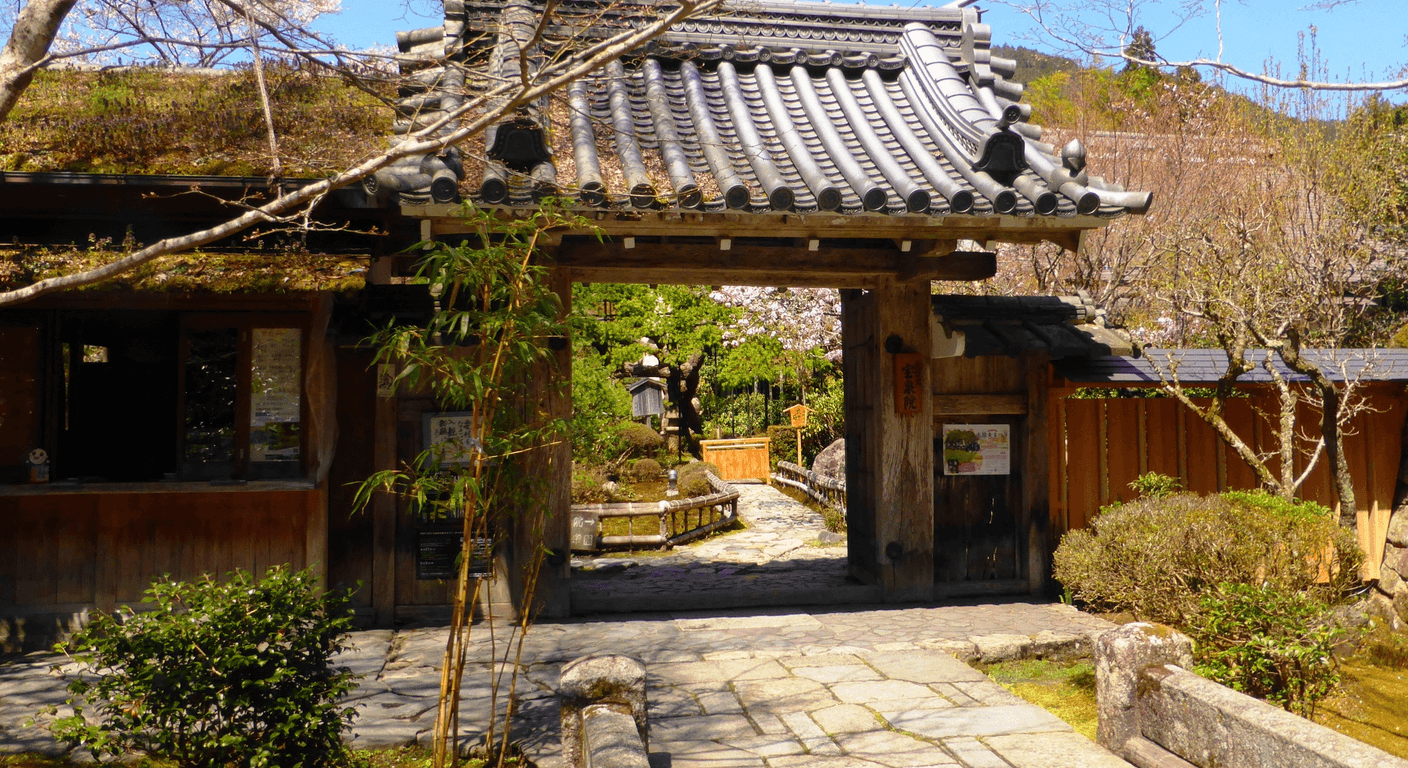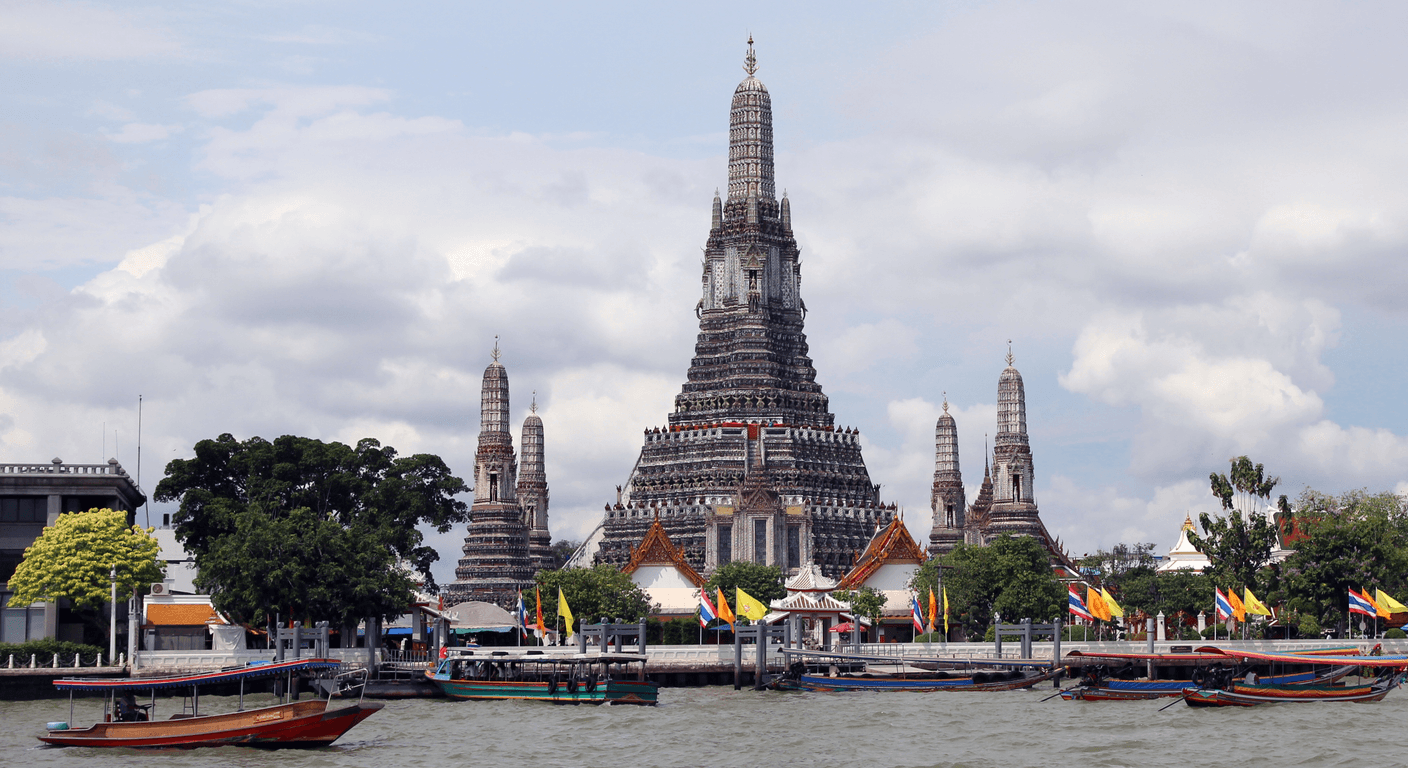
Thailand suits Australians over 60 who pace themselves: it is a long flight, hot for much of the year, and easy on the budget side only if you plan ahead. Smartraveller says short-term tourists may get a 30-day visa exemption, but check before booking. Allow two to three weeks, expect Moderate mobility demands, and fly via a stopover or direct from major Australian cities.
Is Thailand a good destination for Australians over 60?
Yes, with conditions. Thailand rewards slow travellers. The food is superb, the temples are absorbing and the welcome to older visitors is generally warm. The conditions are heat, uneven ground, heavy traffic and a long haul from home.
It suits friends groups, couples and solo women who are comfortable making decisions on the move. It suits less well anyone who needs step-free access everywhere, can't manage heat, or has a medical condition that insurers won't cover. Be honest about that before you book.
This guide is independent and earns no commission. Prices are not quoted here because none were confirmed on official pages. Get current rates from operators in Australian dollars.
Do Australians need a visa for Thailand?
Smartraveller says that if you are visiting Thailand for tourism or short-term travel, you may be able to get a 30-day visa exemption. Note the wording: may. Smartraveller also tells you to check the latest visa, entry and exit rules with the nearest Thai embassy or consulate, and with the Royal Thai Embassy in Canberra.
Thailand ended its 60-day visa exemption on 15 September 2026, under rules published in the Royal Gazette. Australians now get a 30-day visa exemption for tourism, as Smartraveller confirms. Smartraveller also says you may only be allowed 2 visa-free entries each calendar year if you don't have a justifiable reason. The rules could change again, so treat any figure you read in a forum or older news story with caution until the Canberra embassy or Smartraveller says the same.
Smartraveller says you must complete a Thailand Digital Arrival Card (TDAC) on the Thai Immigration Bureau website within 3 days before arriving, or through Thailand's official entry app, THIM. It warns about fake websites that charge a fee for the TDAC. Whether Thailand charges a tourist fee on entry could not be confirmed on an official page for this guide, so check with the embassy. Use the embassy or the Thai Immigration Bureau, not a third-party site that sells the service.
How hot is too hot, and how should you pace Thailand?
Heat is the main enemy, more than distance. Plan outdoor sightseeing for early morning, and be back in air-conditioning by midday. Temples with exposed courtyards and long stone steps are gruelling at 1pm. Check the Thai Meteorological Department and the Tourism Authority of Thailand for seasonal heat and rain guidance for your dates.
Build in a recovery night after the flight. Sydney, Melbourne, Brisbane and Perth all involve a long journey, and a stopover can break it up. Confirm flight times and routes with airlines, because they change.
A sensible first itinerary uses two or three bases. Stay at least three nights in each. Book one rest day with no plans after every move. Skipping a sight is not failure. Nobody has ever needed to see the fourth temple.
What are Bangkok, Chiang Mai and the beaches like for older travellers?
Bangkok is exciting and tiring. Footpaths can be broken, blocked by vendors or interrupted by steps and overpasses. Pick a hotel close to public transport or use taxis and ride-hailing apps for short hops. Accessibility on the BTS and MRT, along with fares and hours, was not confirmed for this guide, so check the operators directly.
Chiang Mai is cooler in character and slower. The old city is compact, and many visitors manage it by short rides rather than long walks. Temple visits on hills usually involve steps, so ask your hotel or tour operator about access before you commit.
The beaches add another layer. Smartraveller says ferry and speedboat travel can be dangerous, so consider flights where possible and check operators' safety records. Some beaches have steep access paths, and sand is hard going for anyone with a weak knee. Choose a resort with level access to the water if that matters to you.
What should you know about safety, healthcare and insurance?
Smartraveller tells travellers to check whether their travel insurance covers them for the risks it lists, and to see a doctor before they travel. For over-60s that means declaring every pre-existing condition and reading the exclusions line by line. An undeclared condition can void a claim.
Medicare is not travel insurance. Confirm what, if anything, it covers overseas on the Services Australia website. Do not assume. Local private hospitals in major cities generally exist, but emergency numbers, hospital details and the Australian Embassy Bangkok contact were not confirmed here. Save them from official pages before you leave.
Smartraveller says driving in Thailand is dangerous. Skip hiring a scooter, and think hard about self-drive. It also advises reconsidering travel to the southern provinces of Yala, Pattani and Narathiwat. It also says do not travel to areas within 10 kilometres of the Thailand-Cambodia land border in Sa Kaeo, Buriram, Si Saket, Surin, Ubon Ratchathani, Chanthaburi and mainland Trat, due to the risk of armed clashes between Thai and Cambodian forces. Check the page again on the day you book, as this advice can change.
What about solo travel and single supplements?
A solo traveller's perspective: Thailand is workable alone, particularly in Bangkok and Chiang Mai, where tours and accommodation cater to individuals. Single supplements on escorted tours and package holidays can be steep, so ask each operator plainly whether one applies and whether there is a share-match or solo departure. No operator pricing was confirmed for this guide.
A couple's perspective: two people split transfers and room costs, and one can rest while the other explores. The risk is mismatched stamina. Agree in advance who sets the pace on hot days.
For friends groups, check whether the hotel can offer twin rooms and whether the tour operator caps group size. Smaller groups move faster through temples and cause fewer delays.
Can you stay long term in Thailand after 50?
Thailand has long-stay visa categories for older travellers. A Thai consulate page says the Non-Immigrant O-A (long stay/retirement) visa is for applicants aged 50 and over, and that applicants must have health insurance covering the whole stay. It also lists an O-X visa for people aged 50 or over from 14 listed nationalities, with stays of 5 years at a time, up to 10 years.
Those facts come from the Chicago consulate, not the Canberra embassy. Whether Australians are among the O-X nationalities, and the current fees, financial requirements and documents, must be checked with the Royal Thai Embassy in Canberra or the official Thai e-visa site.
Before committing to months abroad, trial a month first. Check pension portability rules with Services Australia, and keep Australian health cover in mind. Test the heat, the healthcare and your own appetite for being away from home.
Quick planning guide
| Ideal pace | Slow. Two or three bases rather than a circuit, with a rest day after each move. |
|---|---|
| Best months | Check the Thai Meteorological Department and the Tourism Authority of Thailand for current heat and rain patterns. Hot months are tough for many over-60s, so the cooler, drier part of the year is the usual choice. |
| Suggested stay | Two to three weeks for a first trip: Bangkok, Chiang Mai and one beach base. Longer stays need a different visa. |
| Mobility level | Moderate. Uneven footpaths, steps, heat and busy traffic matter more than distances. |
| Cost level | Varies widely by hotel grade and tour style. Get quotes in Australian dollars and confirm current rates with operators. |
| Comfort level | Good in major hotels and private transfers. Patchy on footpaths, public transport access and island ferries. |
| Best for | Friends groups, couples and confident solo women who like food, temples, markets and warm water, and who accept heat and noise. |
| Main planning consideration | Visa rules, travel insurance with pre-existing conditions, and heat. All three need checking on official pages before you pay for anything. |
Key takeaways
- Smartraveller says tourists may get a 30-day visa exemption for Thailand; check before booking.
- Thailand's 60-day visa exemption ended on 15 September 2026, and Australians now get 30 days visa-free for tourism. Confirm the latest rules with Smartraveller and the Royal Thai Embassy in Canberra before booking.
- Heat and uneven footpaths shape a Thailand trip more than distance does.
- Smartraveller says driving in Thailand is dangerous and ferry and speedboat travel can be dangerous.
- Declare every pre-existing condition to your travel insurer and read the exclusions.
- The O-A retirement visa is for applicants aged 50 and over and needs health insurance for the whole stay; check Canberra for Australian rules.
Recommended partners and links
Indicative prices only — always confirm with the operator before booking.
Frequently asked questions
Do Australians need a visa to visit Thailand?
Smartraveller says tourists may be able to get a 30-day visa exemption for short-term travel. Since 15 September 2026, when Thailand ended its 60-day visa exemption, Australians get a 30-day visa exemption for tourism. Rules can change, so confirm the current position with Smartraveller and the Royal Thai Embassy in Canberra before booking.
Is Thailand suitable for travellers over 60?
Yes, if you pace it for heat, uneven footpaths and traffic. It suits those comfortable with moderate walking and less suited to anyone needing step-free access everywhere.
Do I need travel insurance for Thailand?
Yes. Smartraveller tells travellers to check that their policy covers the risks it lists and to see a doctor before travelling. Declare all pre-existing conditions, and do not assume Medicare covers you overseas.
Can retirees live in Thailand long term?
Thailand has long-stay visas for people 50 and over, including the O-A, which requires health insurance for the whole stay. Eligibility, fees and financial requirements for Australians must be confirmed with the Royal Thai Embassy in Canberra.
Is it safe to drive or take boats in Thailand?
Smartraveller says driving in Thailand is dangerous and ferry and speedboat travel can be dangerous. Most older visitors are better off with licensed drivers, taxis and flights.
Want the next guide like this?
Choose your state, the subjects you care about, or both. We will let you know when a new guide lands. Email once a week at most, or a quiet phone notification on the day it publishes. No advertising, no sponsored content, and we never pass your details to anyone.