TMAG, the Tasmanian Museum and Art Gallery, sits free of charge on Hobart's flat Sullivan's Cove waterfront, best visited on a quiet weekday morning in the March–May or September–November shoulder seasons. Two unhurried hours suit its convict-era sandstone galleries, with the Thylacine exhibit — including 1933 footage of the last known individual — the standout. Fully accessible with lifts and ramps, it's an easy 70-minute Melbourne flight or overnight Spirit of Tasmania ferry away, then a flat walk from central Hobart hotels.
What is TMAG and why does it matter?
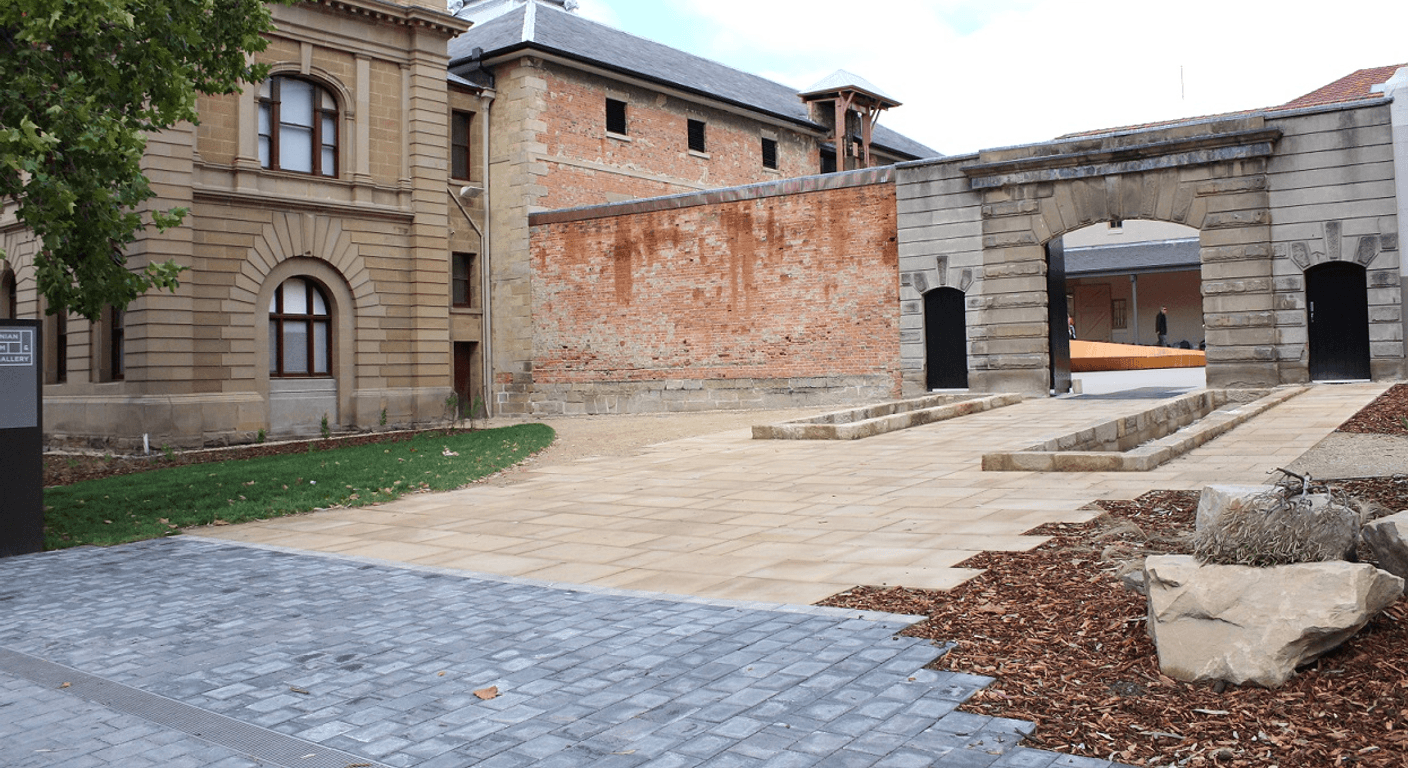
The Tasmanian Museum and Art Gallery has been at this waterfront address since 1848, which makes it one of Australia's oldest continuously operating museums. That longevity is not incidental — the building itself is part of the story. The oldest section, the Bond Store, dates to the 1820s and was built by convict labour. Walking through it, you feel the weight of that history in a way that no interpretive panel quite explains.
What TMAG holds is genuinely distinctive. The collections cover Tasmanian Aboriginal history and material culture, colonial and contemporary art, natural science, and — the gallery that tends to stop people mid-step — the story of the Thylacine. That marsupial predator was hunted to extinction in Tasmania by the early twentieth century, and TMAG holds specimens, footage and artefacts that make the loss concrete rather than abstract. It's sobering, and it's worth the trip on its own terms.
The whole complex is free to enter. Not free with a suggested donation, not free for members — simply free. For travellers who've crossed Bass Strait to spend a few days in Hobart, that's a meaningful consideration when the days are full and the budget is not infinite.
Getting there from Victoria — and around Hobart
From Melbourne, Hobart is around an hour and ten minutes by air — one of the shorter interstate flights available to Victorian travellers. Jetstar, Qantas and Virgin Australia all operate the route from Tullamarine; confirm current schedules and fares, as they shift seasonally. The Spirit of Tasmania ferry from Geelong is a genuine alternative for those who prefer to bring their own vehicle and take the crossing at a slower pace — it's an overnight sailing, and worth considering if a longer Tasmanian road trip is the plan.
From Hobart Airport, a taxi or rideshare to the city centre runs around 20 to 25 minutes and is the most practical option for travellers with luggage. Once in the city, TMAG is an easy flat walk from most central Hobart hotels — it sits at Dunn Place, just off the waterfront between Salamanca Place and Macquarie Wharf. There's no need to navigate public transport to reach it. For those who'd prefer a shuttle or organised transfer, confirm current options with your accommodation on arrival.
The waterfront precinct is almost entirely flat, which matters. Salamanca Place, Constitution Dock, the museum and the adjacent Franklin Wharf can all be linked in a half-day without any significant gradient. That's not an accident — it's one of the reasons Hobart's waterfront works so well for travellers who want cultural depth without physical strain.
Inside TMAG: what to expect and how to pace it
Two hours is the right measure for TMAG, done without rushing. The galleries connect across several buildings — some original colonial sandstone, some more recent additions — and the connections are managed with lifts and ramps throughout. Seating is generous and well-placed, which is a practical detail worth noting for anyone who finds gallery fatigue sets in after forty minutes on hard floors.
The Tasmanian Aboriginal collection deserves genuine time. It's one of the most significant holdings of its kind in Australia, and the museum has been working to present it with greater First Nations involvement and context. The colonial art galleries hold works that range from the expected to the genuinely surprising — painters who came to Tasmania and found a landscape that didn't behave the way European conventions said it should, and responded accordingly.
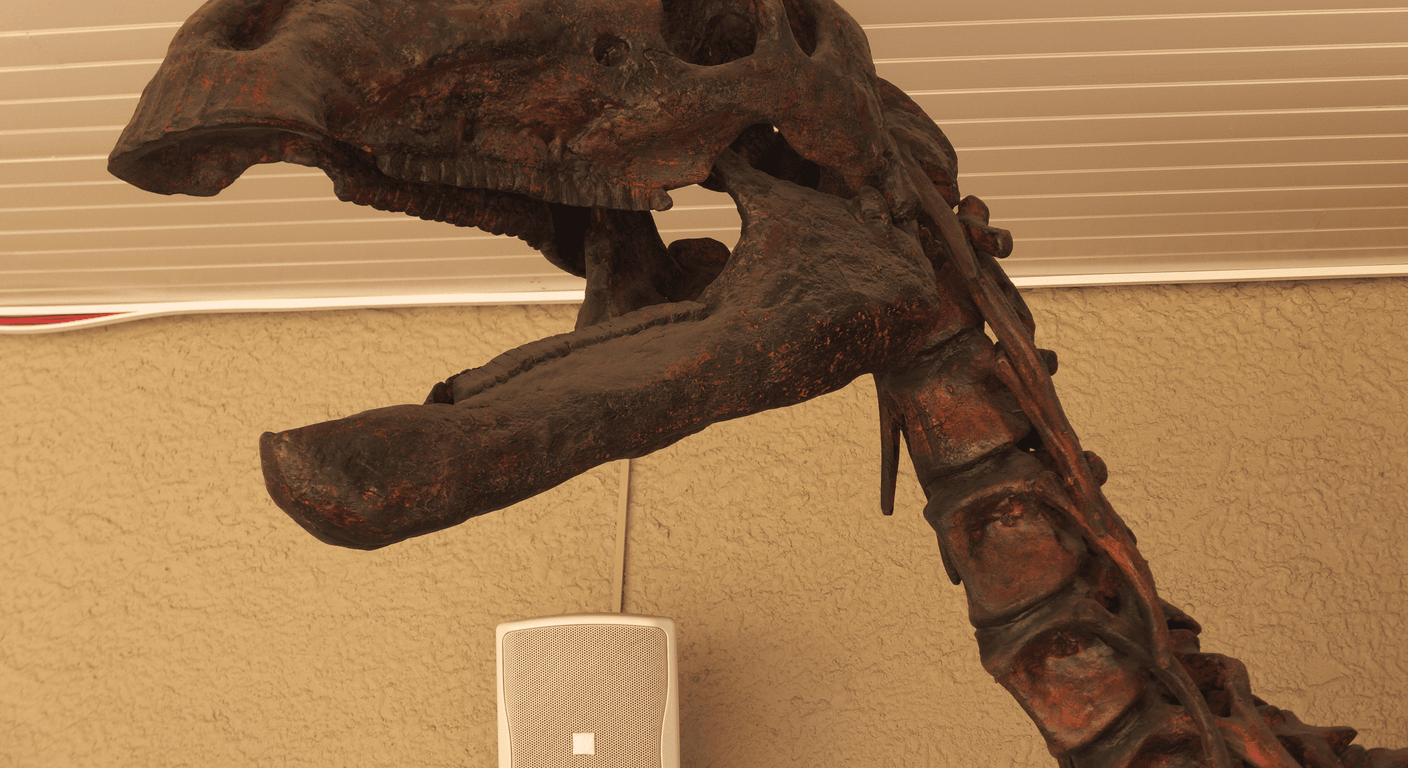
The Thylacine gallery is compact but carefully designed. A loop of footage — the last known Thylacine, filmed at Hobart Zoo in 1933 — plays on repeat, and it's the kind of thing that stays with you. Taxidermied specimens and skeletal mounts give a sense of the animal's actual scale, which most people underestimate from photographs. Allow twenty minutes here, at least.
The café and a note on the waterfront walk
TMAG's café sits within the museum complex and looks out over the harbour. It's a reasonable place to pause mid-visit rather than push through the whole collection in one stretch — a coffee and a rest at the midpoint makes the second half of the museum considerably more enjoyable. Prices are in line with Hobart café standards; confirm the current menu and opening hours directly with the museum.
Constitution Dock is a five-minute walk north from TMAG's entrance and is worth the short detour. The floating takeaway sheds — particularly the fish and chips — are an honest Hobart institution, and the dock is where the Sydney to Hobart yacht race finishes each January. Salamanca Place, in the other direction, runs south along the waterfront and is lined with galleries, bookshops and market stalls on Saturdays. The Saturday Salamanca Market draws crowds; if you prefer a quieter walk, any other morning is more comfortable.
Together — TMAG, a slow waterfront walk and a Constitution Dock lunch — this is a complete and satisfying half-day that costs very little and requires no advance booking. For Greek-Australian travellers from Victoria who've spent decades watching cultural institutions charge for access, there's something quietly pleasing about a state museum that simply opens its doors.
How does TMAG compare to MONA?
MONA — the Museum of Old and New Art — sits about twelve kilometres upriver from the city and has become one of Australia's most talked-about cultural destinations since it opened in 2011. It's genuinely original, deliberately provocative, and worth visiting if you're in Hobart for several days. It's also ticketed, requires a ferry or drive to reach, and has a physical layout — largely underground, with steep ramps and stairs — that some visitors find challenging.
TMAG asks nothing of you in those terms. It's free, it's flat, it's central, and its collections are in some respects more historically significant to Tasmania than anything at MONA. These are not competing institutions so much as complementary ones. A multi-day Hobart itinerary can hold both. But if you're in Hobart for a single day, TMAG is the one that doesn't require logistics.
That said, MONA does offer accessibility accommodations and it's worth checking their website if mobility is a consideration — they've invested in making the site more navigable than its architecture might suggest. Confirm current access arrangements directly at mona.net.au before booking.
Practical details for senior travellers
TMAG is open Tuesday to Sunday, with Monday closures standard — confirm current hours at tmag.tas.gov.au before you visit, as public holidays and special events can affect access. Entry to the permanent collection is free. Some temporary or travelling exhibitions carry a separate ticket price; check what's current on the website.
The museum is fully accessible for wheelchair users and those with limited mobility, with lifts between levels and ramp access throughout the connected buildings. Seating is available in most gallery spaces. There is no cloakroom, but lockers may be available — confirm on arrival. The nearest public toilets are within the museum and accessible.
Travel insurance is worth reviewing before any interstate trip, particularly for travellers managing pre-existing health conditions. Policies vary considerably in what they cover, and the fine print around cancellation and medical evacuation matters more as travel becomes more complex. Compare policies carefully and declare pre-existing conditions honestly — it's the kind of thing that only becomes urgent when something actually goes wrong.
When is the best time to visit Hobart and TMAG?
Hobart's shoulder seasons — March to May and September to November — offer the most comfortable conditions for a waterfront visit. Summer (December to February) brings the Sydney to Hobart fleet, Dark Mofo in June draws its own crowd, and midwinter can be genuinely cold on the waterfront, though the museum itself is climate-controlled regardless of season.
The Salamanca Market runs every Saturday year-round and draws significant numbers to the waterfront precinct. If a quieter TMAG visit is the goal, a weekday morning in autumn or spring is ideal — the galleries are calm, the café is unhurried, and the walk back along the waterfront has a completely different quality to a busy Saturday afternoon.
Hobart's arts calendar has grown considerably in the past decade, and TMAG occasionally hosts evening events, lectures and special openings tied to broader cultural programming. Check the museum's events page when planning, particularly if you're interested in the First Nations collections — there are periodic talks and community events connected to those galleries that add genuine depth to a visit.
Quick planning guide
| Ideal pace | Slow and unhurried |
|---|---|
| Best months | March to May and September to November (shoulder seasons, quieter and mild) |
| Suggested stay | Two hours for the museum itself, or a half-day combined with the waterfront walk |
| Mobility level | Easy — flat waterfront location, lifts and ramps throughout the buildings |
| Cost level | Free entry to the permanent collection; temporary exhibitions may carry a separate charge |
| Comfort level | High — generous seating, climate control and an on-site harbour-view café |
| Best for | Culturally curious travellers wanting a low-cost, accessible half-day without bookings or logistics |
| Main planning consideration | Confirm current opening hours (closed Mondays) and any special exhibition pricing before visiting |
Key takeaways
- TMAG is free to enter year-round, with lifts, ramps and generous seating making it one of Hobart's most accessible cultural venues.
- The Thylacine gallery — including 1933 footage of the last known individual — is one of the most affecting wildlife exhibits in Australian museology.
- Two unhurried hours is the right pace for TMAG's permanent collection; a café with harbour views makes a natural midpoint.
- TMAG sits within easy flat walking distance of Salamanca Place and Constitution Dock, making it the centrepiece of a complete, low-cost waterfront half-day.
- Melbourne to Hobart is around 70 minutes by air — one of the shorter interstate options for Victorian travellers considering a cultural long weekend.
- Unlike MONA upriver, TMAG requires no ferry, no advance booking and no entry fee — the collections are historically significant on their own terms.
Recommended partners and links
Indicative prices only — always confirm with the operator before booking.
Frequently asked questions
Is TMAG really free to enter?
Yes. The Tasmanian Museum and Art Gallery's permanent collection is free to enter with no suggested donation. Some temporary or travelling exhibitions may carry a separate ticket price — confirm what's current at tmag.tas.gov.au before your visit.
Is TMAG accessible for people with limited mobility?
TMAG is well-suited to travellers with limited mobility. The galleries connect via lifts and ramps across all levels, seating is available throughout the collection spaces, and the museum's waterfront location is reached via flat walking paths from central Hobart. Wheelchair users can move through the full permanent collection without stairs.
How long should you allow for a visit to TMAG?
Two hours at an unhurried pace suits most visitors covering the permanent collection. Adding time at the café and a short walk to Constitution Dock or Salamanca Place makes a comfortable half-day without overextending.
How do you get from Melbourne to Hobart?
Direct flights from Melbourne (Tullamarine) to Hobart take around one hour and ten minutes. Jetstar, Qantas and Virgin Australia operate the route — confirm current schedules and fares before booking. The Spirit of Tasmania ferry from Geelong is an alternative for those who want to bring a vehicle for a longer Tasmanian road trip.
What's the difference between TMAG and MONA in Hobart?
TMAG is free, centrally located on the waterfront and fully accessible via lifts and ramps, with collections focused on Tasmanian Aboriginal history, colonial art and natural science. MONA is a ticketed private museum about 12 kilometres upriver, reached by ferry or road, with a largely underground layout that some visitors find physically demanding. Both are worthwhile; TMAG requires no logistics and no entry fee.