Ulaanbaatar is best visited between May and September, when air quality is clearest and countryside roads are open. Three nights suits most travellers, allowing time to acclimatise to the 1,350-metre altitude and see the National Museum and the 40-metre Genghis Khan Equestrian Statue, the largest in the world. Mobility is moderate — mostly flat, with some stairs at the statue platform. There are no direct flights from Australia; expect 13–16 hours via Seoul.
Why Ulaanbaatar works as a first stop in Mongolia
Mongolia can feel daunting on paper — vast distances, unpaved tracks, nomadic camps hours from any town. Ulaanbaatar quietly solves that problem. It is a proper capital city with international hotel brands, decent restaurants, ATMs that accept foreign cards and a handful of world-class museums all within a few kilometres of each other. For travellers over 50 who want to understand Mongolia before they experience its raw geography, that matters enormously.
The city also sits at 1,350 metres above sea level. Not high enough to cause serious altitude sickness for most people, but enough to slow you down on the first day if you push too hard. That first afternoon is best spent doing very little — a short walk around Sukhbaatar Square, a decent meal, an early night. The body adjusts quickly, and you'll thank yourself for it when you're climbing the stairs to the Genghis Khan Statue platform two days later.
There is a practical rhythm to building a Mongolia itinerary from Ulaanbaatar outward. Three nights in the city covers the key cultural sites comfortably. From there, organised day trips or multi-day countryside extensions can be arranged through reputable local operators, with the capital as your reliable home base to return to.
Getting there from Australia: the honest picture
There are no direct flights between Australia and Ulaanbaatar. The most common routing is via Seoul Incheon on Korean Air or MIAT Mongolian Airlines, with a connection time of roughly two to four hours. Total travel time from Sydney or Melbourne sits at around 13 to 16 hours depending on connections. From Perth, the routing is similar in duration. Business class is worth considering on this length of trip — flat beds make a genuine difference to how you arrive.
Jet lag on the Mongolia run tends to be moderate rather than brutal. Ulaanbaatar is three hours behind Eastern Australian time in summer, which means the body clock adjustment is gentler than, say, a transatlantic crossing. Even so, building a recovery night into your first full day in the city is sensible planning, not excessive caution.
Visa requirements for Australian passport holders have changed periodically, and Mongolia has at times offered visa-free entry for short stays. Do not rely on secondhand information here. Check the current position at smartraveller.gov.au before confirming any booking, and ensure your travel insurance explicitly covers pre-existing medical conditions — this is not the place to discover a gap in your policy.
The Genghis Khan Equestrian Statue: worth the drive
About 54 kilometres east of the city centre on the Tuul River, the stainless-steel Genghis Khan Equestrian Statue is one of those structures that genuinely earns the journey. At 40 metres tall, it is the largest equestrian statue in the world — the horse alone is the height of a four-storey building. The whole complex, known as the Chinggis Khaan Statue Complex (Mongolians spell and pronounce the name differently from the Anglicised version), sits on a circular base containing a museum of nomadic history, a gallery of traditional costumes and a viewing platform at the horse's head reached by lift and a short internal staircase.
The drive takes around an hour each way through suburban Ulaanbaatar and then open steppe — itself a useful preview of the landscape that defines the country. Most hotels can arrange a car and driver for the day; half-day trips with English-speaking guides are also available through local operators. The road is sealed the full distance, which makes it accessible for travellers who aren't ready for Mongolia's rougher terrain.
Mobility note: the lift reaches the horse's chest level, but the final section to the viewing platform involves a narrow internal staircase. Travellers with significant mobility limitations may prefer to enjoy the statue from the base and spend time in the ground-floor museum instead — which is genuinely interesting in its own right.
Sukhbaatar Square and the National Museum of Mongolia
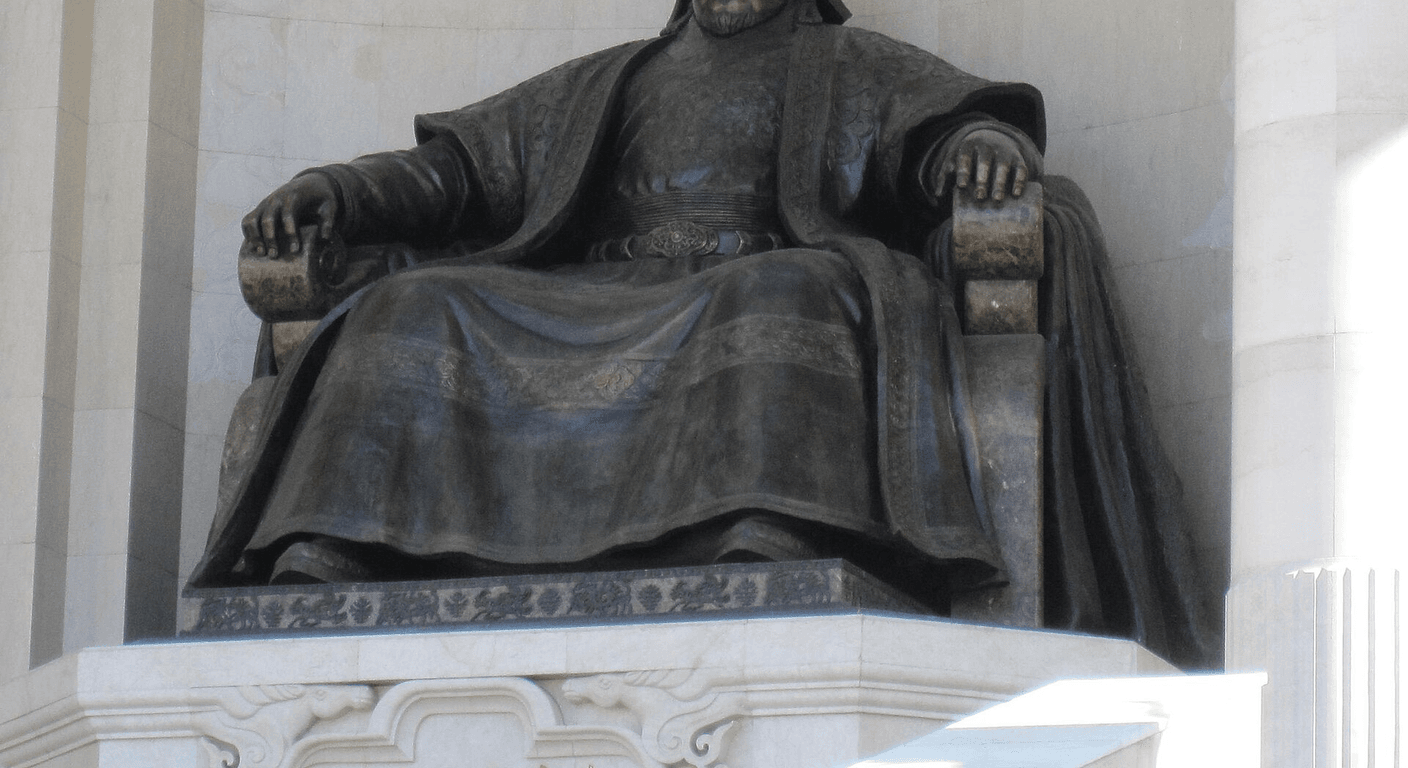
Sukhbaatar Square — formally renamed Chinggis Khaan Square, though locals still use both names — is the civic heart of the city. It's a large, open plaza framed by government buildings and a mounted statue of Damdin Sükhbaatar, the revolutionary hero, with a grand Genghis Khan monument anchoring the parliament building behind it. The square itself is flat, easy to walk and a good orientation point for the surrounding area. On a clear morning it has a certain austere grandeur that suits the city's character.
A short walk away, the National Museum of Mongolia on Juulchin Street covers the full sweep of Mongolian history from the Paleolithic through to the twentieth century. The nomadic culture galleries are particularly well presented, with original ger interiors, traditional dress and artefacts from the Mongol Empire period. Allow two to three hours. The museum has lifts between floors and is reasonably accessible, though confirm current opening hours and entry fees before visiting — these have varied in recent years.
The Zanabazar Museum of Fine Arts, also central, holds an exceptional collection of Buddhist art and thangka paintings that many visitors find unexpectedly moving. It's smaller than the National Museum and easy to combine in a single day without feeling rushed.
Honest notes on traffic, pollution and city pacing
Ulaanbaatar has a traffic problem. The city's road network has not kept pace with rapid urbanisation, and gridlock during morning and evening peaks is genuinely severe — a two-kilometre taxi ride can take 40 minutes at the wrong hour. The practical solution is to plan sightseeing outside those windows: aim to be at your first destination by 9 am and back at the hotel before 5 pm. Walking between central sites is often faster than driving during peak periods, and the central area is compact enough to make that viable.
Air quality is the other honest consideration. Ulaanbaatar ranks among the world's most polluted cities during winter, when coal-burning heating stoves in the surrounding ger districts create heavy smog. Between May and September the air is considerably cleaner, which is one more reason why that travel window is strongly preferred. Travellers with respiratory conditions — asthma, COPD — should discuss the destination with their GP before booking and carry any relevant medication in carry-on luggage.
The food scene in the city centre has expanded considerably. Korean restaurants are everywhere and excellent, reflecting the strong Korea–Mongolia cultural connection. Traditional Mongolian food — hearty, meat-centred, built for cold weather — is available in dedicated restaurants and worth trying at least once. For travellers managing dietary requirements, central Ulaanbaatar now has enough variety to eat comfortably; outside the capital, options narrow significantly.
Using Ulaanbaatar as an acclimatisation base
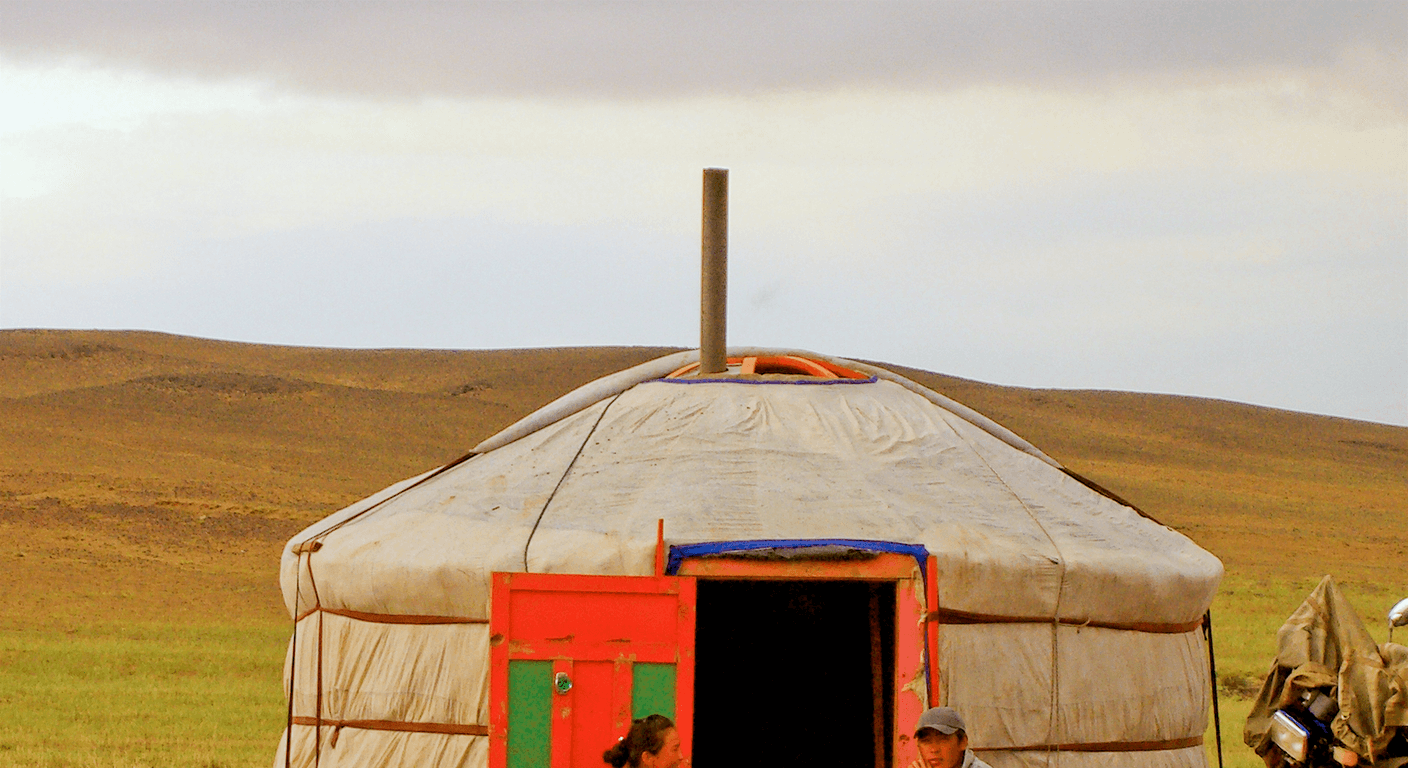
Three nights in the city gives you time to absorb the culture, recover from the flight and make practical decisions about what comes next. The Terelj National Park, about 55 kilometres northeast of the city, is the most accessible countryside experience — a paved road leads to the park entrance, and ger camps within the park range from basic to genuinely comfortable. A night or two there, with guided horse riding available (and entirely optional), gives a first taste of nomadic landscape without requiring a long drive.
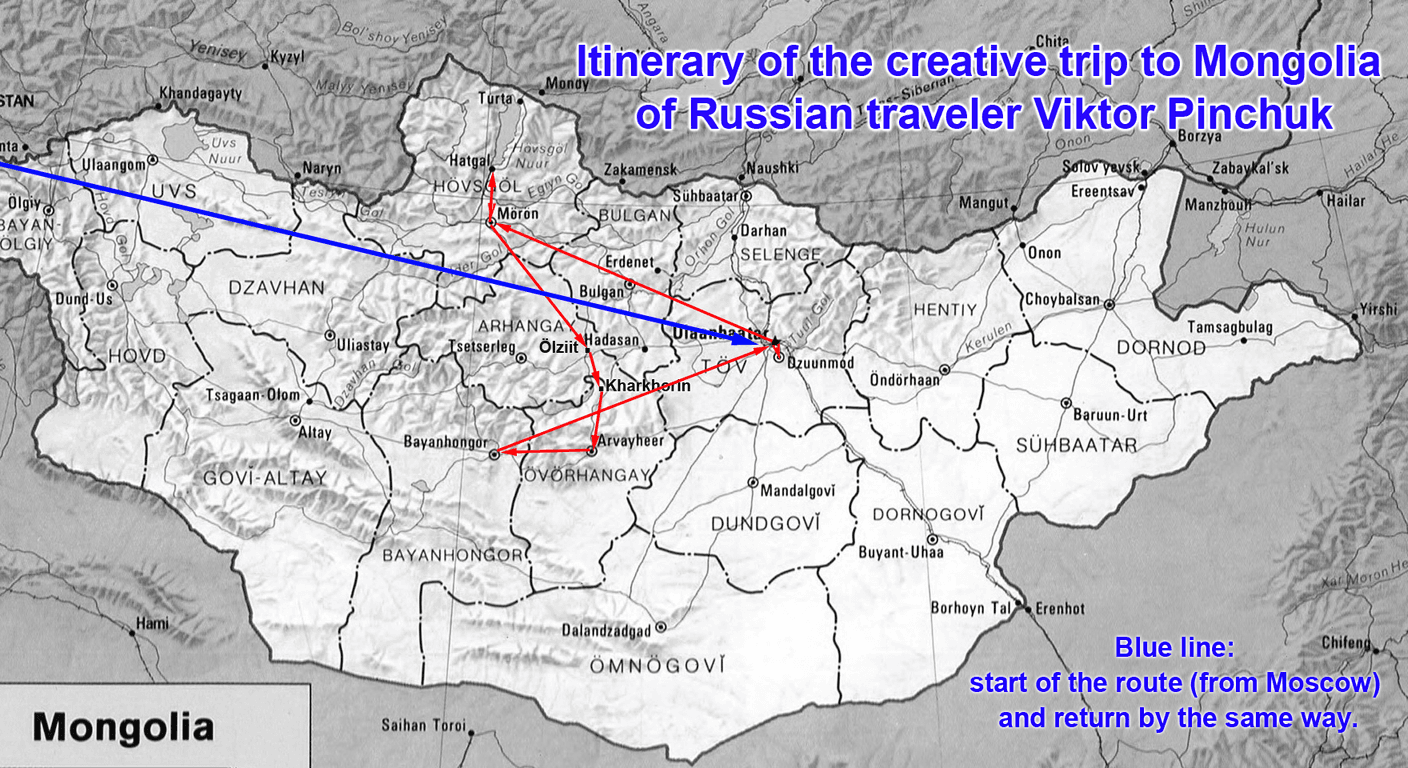
For those wanting to go further — the Gobi Desert, Khövsgöl Lake, the Orkhon Valley — Ulaanbaatar is the natural staging point. Domestic flights operate to several regional centres, which is worth knowing given that road distances in Mongolia are measured in days rather than hours. Local tour operators based in the city can arrange packages that combine comfortable transport with appropriately paced itineraries; look for operators with experience hosting international travellers over 50.
The key is to treat Ulaanbaatar not as the destination but as the gateway — a place to land well, sleep well and make confident decisions about the country beyond its edges. Mongolia rewards patience. The travellers who rush straight from the airport to a countryside ger camp often arrive tired and underprepared. Those who give themselves a day or two to find their feet in the capital tend to get far more from everything that follows.
Practical planning before you go
Travel insurance is non-negotiable for Mongolia. Medical facilities in Ulaanbaatar are limited by Australian standards, and outside the capital they are very limited indeed. Ensure your policy covers emergency medical evacuation, pre-existing conditions and any planned adventure activities. The cost of a policy that covers all of this is modest compared with the cost of needing it without one.
Currency is the Mongolian tögrög (MNT). ATMs in central Ulaanbaatar accept international cards reliably, but carry some cash for markets, smaller restaurants and countryside travel where cards are not accepted. Australian dollars are not widely exchanged; US dollars or Euros convert more easily if you want a backup. Indicative daily budgets vary widely depending on accommodation and activities — confirm current costs with your operator or hotel before finalising your budget.
The Australian Government's smartraveller.gov.au website is the authoritative source for current visa requirements, safety advisories and entry conditions for Mongolia. Register your travel plans on the Smartraveller website before departure so the Department of Foreign Affairs and Trade can contact you if conditions change while you're there. It takes five minutes and costs nothing.
Quick planning guide
| Ideal pace | Slow start, then steady — rest on arrival before sightseeing |
|---|---|
| Best months | May to September, for cleaner air and open roads |
| Suggested stay | Three nights as an acclimatisation base |
| Mobility level | Moderate — flat central sites, but stairs to the Genghis Khan Statue viewing platform |
| Cost level | Mid-range, with costs varying by operator and season |
| Comfort level | International-standard hotels; medical facilities limited by Australian standards |
| Best for | First-time visitors to Mongolia wanting a comfortable, cultural introduction before the countryside |
| Main planning consideration | No direct flights from Australia and changing visa rules — check smartraveller.gov.au before booking |
Key takeaways
- Ulaanbaatar is best visited May to September, when air quality is good and roads into the countryside are open.
- There are no direct flights from Australia; connections via Seoul or Beijing put total travel time at 13–16 hours.
- The Genghis Khan Equestrian Statue, 54 km east of the city, is the largest equestrian statue in the world and accessible by sealed road.
- Ulaanbaatar traffic is severe during peak hours — plan sightseeing between 9 am and 5 pm to avoid the worst of it.
- Three nights in the capital is the right acclimatisation window before extending into Terelj National Park or further countryside.
- Check current visa requirements and entry conditions at smartraveller.gov.au before booking — these have changed periodically.
Recommended partners and links
Indicative prices only — always confirm with the operator before booking.
Frequently asked questions
Do Australians need a visa to visit Mongolia?
Visa requirements for Australian passport holders have changed periodically, and Mongolia has at times offered short-stay visa-free access. Always check the current position at smartraveller.gov.au before booking, as conditions can change with little notice.
How do you get from Australia to Ulaanbaatar?
There are no direct flights from Australia to Ulaanbaatar. The most common route is via Seoul Incheon on Korean Air or MIAT Mongolian Airlines, with total travel time of roughly 13–16 hours from Sydney or Melbourne. Connections are also available through Beijing and Tokyo.
Is Ulaanbaatar suitable for travellers with mobility limitations?
The central city is manageable for travellers with mild mobility limitations — key museums have lifts and the main square is flat. The Genghis Khan Statue has a lift to the upper section, though the final viewing platform requires a narrow staircase. Outside the city, terrain becomes significantly more challenging.
What is the air pollution like in Ulaanbaatar?
Ulaanbaatar has severe air pollution in winter due to coal-burning heating in surrounding areas. Between May and September the air is considerably cleaner. Travellers with respiratory conditions should consult their GP before planning a visit and carry all relevant medication in carry-on luggage.
What is the best way to see the Mongolian countryside if you're based in Ulaanbaatar?
Terelj National Park, about 55 kilometres northeast of the city on a sealed road, is the most accessible option and can be done as a day trip or overnight stay in a ger camp. For more remote destinations like the Gobi Desert or Khövsgöl Lake, domestic flights from Ulaanbaatar reduce overland travel time significantly.