Mongolia is best visited June to August, before cold and mud limit countryside access. The Orkhon Valley's golden light and vast, light-free night skies are the defining highlights, best seen on a multi-day small-group tour with a local driver. Mobility demands are active — long overland days, squat toilets and low ger beds. Reaching Ulaanbaatar from Australia requires a stopover via Beijing or Seoul, with total travel time of 14 to 18 hours, plus a recovery night before countryside travel.
Why Mongolia Demands Honesty Before You Book
Mongolia is the world's most sparsely populated country. That statistic sounds romantic until you're three hours from the nearest town on a corrugated dirt track with a vehicle that has just thrown a tyre. The Gobi Desert, the Orkhon Valley, the vast central steppe — these are real wilderness areas, not managed tourist corridors with backup services nearby. For over-50 Australians accustomed to European or Southeast Asian travel, the infrastructure gap is significant and worth stating plainly.
This isn't a reason to stay home. It is a reason to go in properly, with a reputable operator, comprehensive travel insurance, and a clear-eyed understanding of what 'basic' means in a Mongolian countryside context. Squat toilets. Cold-water washing. Ger camp beds that sit close to the ground. Long vehicle days — sometimes six to eight hours — on roads that exist more in optimism than in tarmac. For the right traveller, none of this is a dealbreaker. For someone expecting the comfort of a European river cruise, it's a mismatch worth knowing about before the deposit clears.
Getting There From Australia: The Reality of the Journey
There is no direct flight from Australia to Ulaanbaatar's Chinggis Khaan International Airport. The standard routing goes via Beijing (Capital or Daxing) or Seoul Incheon, with MIAT Mongolian Airlines, Air China, or Korean Air among the carriers used depending on your connection city. From Melbourne or Sydney, total travel time including the stopover typically sits between 14 and 18 hours, depending on connection times. Factor in that Ulaanbaatar sits at around 1,350 metres above sea level — not extreme, but worth knowing if altitude affects you.
A recovery night in Ulaanbaatar before any countryside travel is not a luxury, it's sensible planning. The jet lag from a northward journey shifts your clock by three to four hours, and arriving fatigued into a city you don't know before immediately boarding a 4WD for the steppe is a poor start. Most reputable tour operators build this in automatically. If yours doesn't, ask them to. Mongolia runs on Ulaanbaatar Time (UTC+8), which is two hours behind Melbourne in summer — the adjustment is relatively manageable compared with long-haul westward travel.
Why Self-Drive Is a Poor Idea Here
Independent self-drive travel in Mongolia's countryside is an undertaking that experienced overlanders with mechanical skills, satellite communication devices, and a vehicle prepared for river crossings sometimes regret. For a first-time visitor over 50 — or indeed most visitors of any age — it sits firmly in the 'genuinely not recommended' category. The tracks between destinations are unmarked and frequently change with seasonal flooding. GPS mapping for rural Mongolia is unreliable. Breakdowns are common, spare parts are scarce, and mobile phone coverage outside Ulaanbaatar is patchy at best.
This is not a failure of adventurousness. Choosing a well-run small-group tour with an experienced Mongolian driver and local guide is simply the intelligent way to travel here. A good driver knows which river crossing is passable after rain, which family will offer hospitality for the night, and when to turn back. That local knowledge is the actual product you're buying, and it's worth every cent of the cost difference over trying to navigate independently.
Solo female travellers in particular should weigh this carefully. Mongolia is generally considered safe for women, and rural Mongolians are famously hospitable. But being stranded alone in a remote area with a language barrier and no communications is a risk calculus that simply doesn't need to be taken. A small group of four to eight people, a local guide, and a support vehicle changes the equation entirely.
Packing for a Country That Ignores Seasons Politely
Summer in Mongolia means warm afternoons — sometimes genuinely hot in the Gobi, reaching 35°C or above — and cold nights that can drop below 5°C even in July at altitude. The steppe is also exposed and windy in ways that catch people unprepared. The packing principle is layering: a good merino base, a mid-layer fleece, and a wind and waterproof outer shell cover the full range. Lightweight down that compresses into a daypack is worth the investment.
Footwear matters more than most people expect. Ger camp grounds can be muddy after rain, and some sites involve walking across uneven grassland. A pair of sturdy, broken-in trail shoes or light hiking boots with ankle support is the sensible choice over sandals or fashion sneakers. Trekking poles are worth considering if balance on uneven ground is a factor — there's no social stigma attached, and Mongolian guides have seen everything.
Sun protection is critical and frequently underestimated. The steppe sits at high elevation with low humidity and very little shade; UV levels are intense. Broad-brimmed hat, SPF 50+ sunscreen, UV-rated sunglasses, and a lightweight long-sleeved shirt are not optional extras. Bring more sunscreen than you think you'll need — it's expensive and limited in variety in Ulaanbaatar, and essentially unavailable in the countryside.
Medical Access and Travel Insurance: The Non-Negotiables
Rural Mongolia has very limited medical infrastructure. There are district hospitals in larger provincial centres, but their capacity and equipment vary enormously, and serious medical emergencies require evacuation to Ulaanbaatar — or out of the country entirely. Medical evacuation from remote Mongolia is not a theoretical risk; it is a real and occasionally necessary event, and it is extraordinarily expensive without insurance cover.
Travel insurance that covers pre-existing medical conditions, emergency evacuation, and hospitalisation overseas is not optional for this destination — it is the price of admission. Australian travellers over 50 should obtain quotes from multiple providers, read the product disclosure statement carefully (particularly the definitions of 'pre-existing condition' and the exclusions around adventure activities), and confirm in writing that activities like horse riding or 4WD travel are covered. Cover-More, Allianz, and NIB Travel Insurance are among the providers used by Australian travellers, but comparison and personalised quotes are essential given the variation in age loadings.
Carry a well-stocked personal first-aid kit. Reputable operators provide group medical supplies, but your own kit should include any prescription medications (with enough supply to cover delays), antidiarrhoeals, rehydration sachets, blister treatment, antihistamines, and a broad-spectrum antibiotic if your GP agrees to prescribe one for travel emergencies. Ask your GP for a pre-travel consultation at least six to eight weeks before departure.
What the Experience Actually Offers
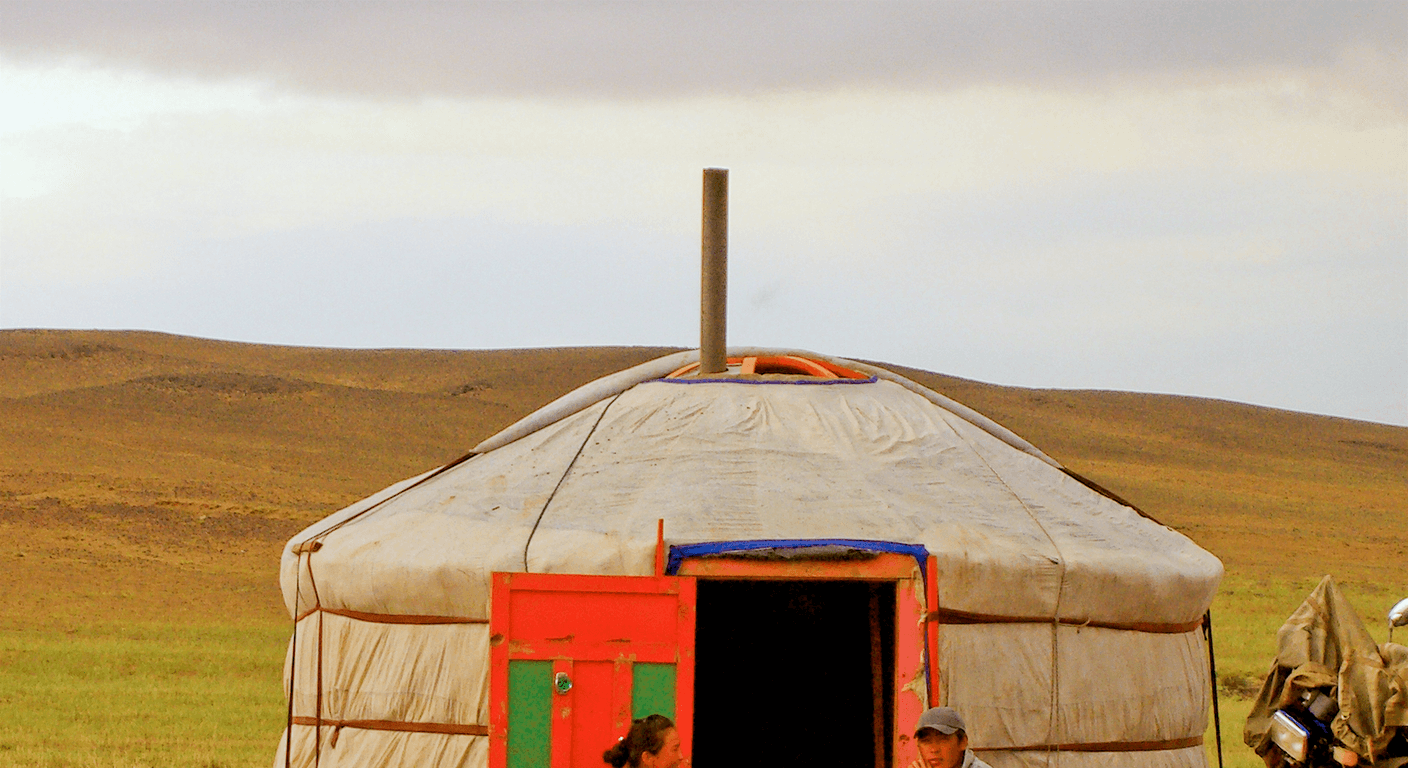
Set aside the logistics for a moment. The Orkhon Valley in golden afternoon light, with horses moving slowly across a river bend and a family's ger smoke rising into still air — this is the kind of scene that stays with people for years. Mongolia delivers a quality of silence and space that is genuinely rare in modern travel. The night sky in the countryside, without light pollution for hundreds of kilometres in any direction, is disorienting in the best possible way.
The culture is equally absorbing. Mongolian hospitality — the offering of airag (fermented mare's milk), the invitation into a ger, the casual generosity of nomadic families — is not a performance for tourists. It is simply how people live. For a traveller with Italian heritage and a European cultural sensibility, the parallels between Mongolian and Mediterranean traditions of food-centred hospitality and extended family connection can be a quiet revelation. Mongolian food itself is simple and meat-heavy; those with dietary restrictions should discuss this clearly with operators before booking.
Ulaanbaatar also rewards a day or two of genuine attention. The National Museum of Mongolia holds a serious collection covering nomadic history from the Bronze Age through the Mongol Empire; the Gandan Monastery is a living Buddhist institution, not a heritage site frozen in amber. The city is chaotic, traffic-logged, and fascinating — a place where 13th-century cultural identity and 21st-century ambition are visibly negotiating with each other on the same street.
Entry Requirements and Final Checks
Australian passport holders have historically been able to enter Mongolia visa-free for stays of up to 30 days, but visa arrangements can and do change. Do not rely on this guide — or any guide — as your source of truth on entry requirements. Check the official Smartraveller page for Mongolia (smartraveller.gov.au/destinations/asia/mongolia) and confirm with your tour operator and the Mongolian Embassy in Canberra before booking. DFAT's travel advisory level for Mongolia should also be reviewed; it has been at 'exercise normal safety precautions' in recent periods, but this can shift.
Confirm that your Australian passport has at least six months' validity beyond your planned return date — this is standard international practice and non-negotiable. Carry physical copies of your travel insurance policy, your operator's emergency contact details, and your itinerary. Register your travel plans with Smartraveller's free registration service so that DFAT can contact you in an emergency. These are small steps that cost nothing and matter considerably if something goes wrong.
Quick planning guide
| Ideal pace | Steady, with long overland travel days between remote countryside stops |
|---|---|
| Best months | June to August, before cold, mud and frozen ground limit access |
| Suggested stay | Multi-day countryside touring plus a recovery night in Ulaanbaatar before and after |
| Mobility level | Active — long vehicle days, uneven ground, low ger camp beds and squat toilets |
| Cost level | Premium — reputable small-group operator and comprehensive travel insurance are essential, not optional |
| Comfort level | Basic — cold-water washing, squat toilets and simple ger accommodation |
| Best for | Adventurous over-50 travellers, including solo travellers, seeking authentic wilderness and culture with proper support |
| Main planning consideration | Booking a reputable small-group operator with local drivers and securing travel insurance covering medical evacuation and pre-existing conditions, since self-drive is genuinely not recommended and rural medical facilities are very limited |
Key takeaways
- Mongolia's best travel window is June to August; outside these months, cold, mud, and frozen ground limit countryside access significantly.
- Independent self-drive travel in rural Mongolia is genuinely ill-advised for most visitors — a reputable small-group operator with local drivers is essential, not a premium upgrade.
- Travel insurance covering medical evacuation and pre-existing conditions is non-negotiable; rural medical facilities are very limited and evacuation is expensive.
- From Australia, reaching Ulaanbaatar requires a stopover in Beijing or Seoul, with total travel time typically between 14 and 18 hours — build in a recovery day before countryside travel.
- Temperature swings between 35°C days and near-freezing nights can occur in the same week; layered merino and a windproof shell are the packing foundation, not optional extras.
- Always confirm current visa and entry requirements directly on smartraveller.gov.au before booking — arrangements have changed recently and this guide cannot substitute for official advice.
Recommended partners and links
Indicative prices only — always confirm with the operator before booking.
Frequently asked questions
Is Mongolia suitable for travellers over 60 or 70?
Mongolia can absolutely suit travellers in their 60s and 70s, but physical fitness and realistic expectations matter. Ger camp beds sit low to the ground, vehicle days on unpaved tracks are long and jarring, and squat toilets are standard outside Ulaanbaatar. Travellers with significant mobility limitations or conditions that require regular medical monitoring should discuss the itinerary in detail with their GP and chosen operator before committing. Those who are reasonably fit and adaptable often find it one of the most rewarding journeys they've taken.
Do Australian citizens need a visa to enter Mongolia?
Australian passport holders have historically entered Mongolia visa-free for stays up to 30 days, but visa rules change. Always verify the current requirements on the Australian Government's Smartraveller website (smartraveller.gov.au/destinations/asia/mongolia) and with the Mongolian Embassy in Canberra before making any bookings. Do not rely on information from tour brochures or travel guides, including this one, as your definitive source.
What is the best way for an Australian to book a Mongolia tour?
Look for established Australian-based operators or internationally recognised small-group tour companies with documented Mongolia experience and Mongolian-speaking local guides. Check that their itineraries include a dedicated recovery day in Ulaanbaatar on arrival, that vehicle support is included for countryside travel, and that they have clear emergency and medical evacuation protocols. World Expeditions and Intrepid Travel both operate Mongolia programs accessible to Australians; confirm current itineraries, pricing, and inclusions directly with each operator.
Is Mongolia safe for solo female travellers?
Mongolia is generally considered safe for women, and rural Mongolians are known for genuine hospitality toward visitors. That said, travelling solo and independently in remote countryside areas carries real practical risks — vehicle breakdowns, communication failures, and limited emergency response — that a reputable small-group tour mitigates substantially. Most solo women travelling to Mongolia choose a structured small-group tour rather than fully independent travel, and this is the approach recommended for over-50 travellers regardless of gender.
What travel insurance do I need for Mongolia?
You need comprehensive travel insurance that explicitly covers pre-existing medical conditions, emergency medical evacuation (which can cost tens of thousands of dollars from remote Mongolia), hospitalisation overseas, and any activities on your itinerary such as horse riding or 4WD travel. Obtain quotes from multiple providers, read the product disclosure statement carefully, and confirm coverage in writing before your policy is finalised. Do not assume a standard travel insurance policy covers all of these — many do not without specific declaration or additional premium.